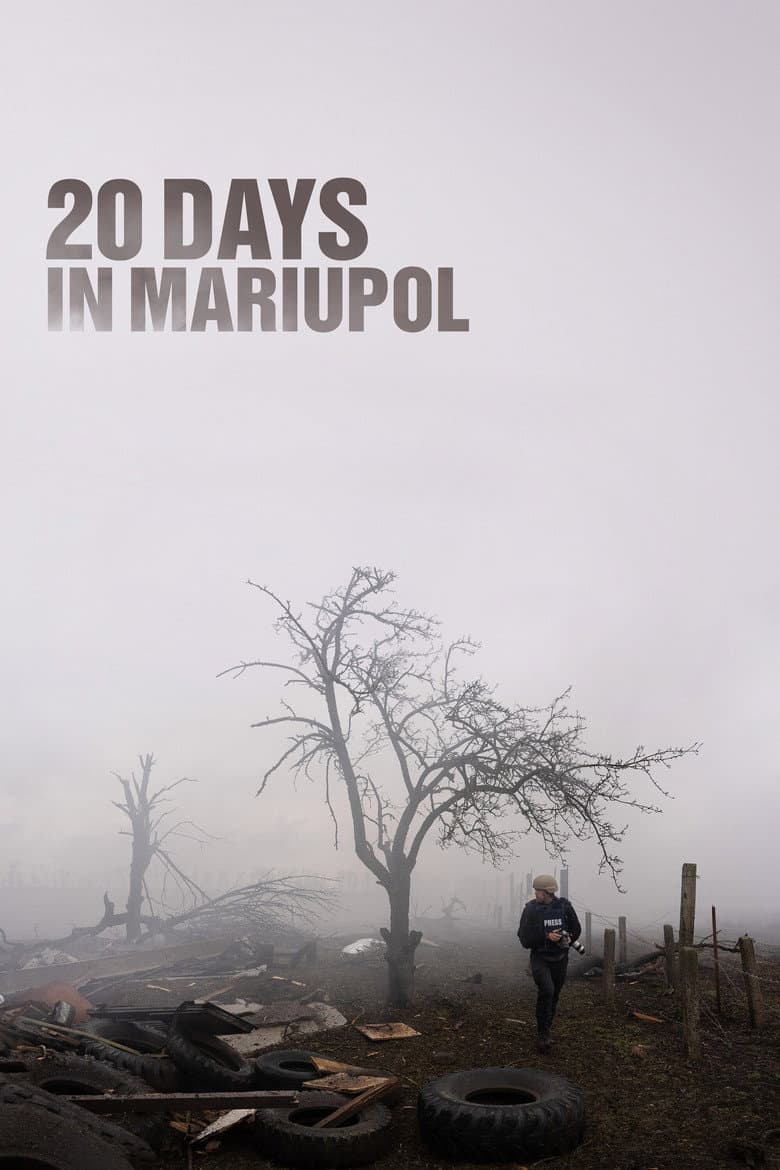
Mstyslav Chernov is a Ukrainian journalist who stays in Mariupol with photographer Evgeniy Maloletka and producer Vasilisa Stepanenko. Russian forces surround and attack the city during the first 20 days of the full-scale invasion in 2022. The team films wounded civilians, dying children, mass graves, a bombed maternity hospital, and the struggle to send the footage out. The tone is grim, direct, and deeply painful, but the film also shows people helping each other under extreme pressure.
The film treats witnessing as a duty and memory as a way to protect the truth. Chernov keeps returning to the work of filming while doctors, police, and neighbors try to save people and help one another. Russian television calls the evidence fake, so the journalists must face both the attack and the lies about it. The final message honors civilian courage, care, and the need to remember what happened.
Community feedback
Was our 2% Woke rating accurate?
Breakdown
These are the editorial factors and ratings behind our score for 20 Days in Mariupol.
Woke representation / casting
Not present. The film uses real journalists, doctors, soldiers, and civilians from the Mariupol siege rather than actors chosen to create an identity pattern. The Ukrainian setting and real people do not show diversity-first casting or identity signaling.
0%
Woke political dialogue
Not present. The film includes direct war reporting, Russian propaganda claims, and arguments about recording evidence. It does not use woke political dialogue about race, gender, sexuality, DEI, or identity politics.
0%
Identity-driven story themes
Not present. The story follows civilian suffering, journalism, survival, and memory during a siege. It does not build its message around race, gender, sexuality, or group identity.
0%
Western institutional / cultural critique
Not present. The film criticizes the Russian state and Russian media, not Western institutions or traditional family and social norms. It does not present toxic masculinity, male entitlement, anti-Christian messaging, or anti-conservative relationship themes.
0%
Woke character or canon changes
Not relevant. This is a documentary about real events and does not change an established fictional character, canon, or historical figure for identity reasons.
0%
Anti-woke backlash and complaints
Not present. Some Russian and Serbian right-wing voices called the film anti-Russian propaganda, and Russian posts claimed that footage was fake or reused. Those complaints were about the war narrative and alleged fakery, not woke, DEI, or identity politics.
0%
Creator track record context
Mstyslav Chernov has a cached score of 18 and is mainly known for anti-authoritarian reporting and press-freedom work. Raney Aronson-Rath has a cached score of 28 because her FRONTLINE leadership has included stories from diverse viewpoints, while Michelle Mizner and Derl McCrudden have cached scores of 0. The film’s interviews frame the work around evidence, civilians, and memory, not DEI or identity activism.
12%
Production
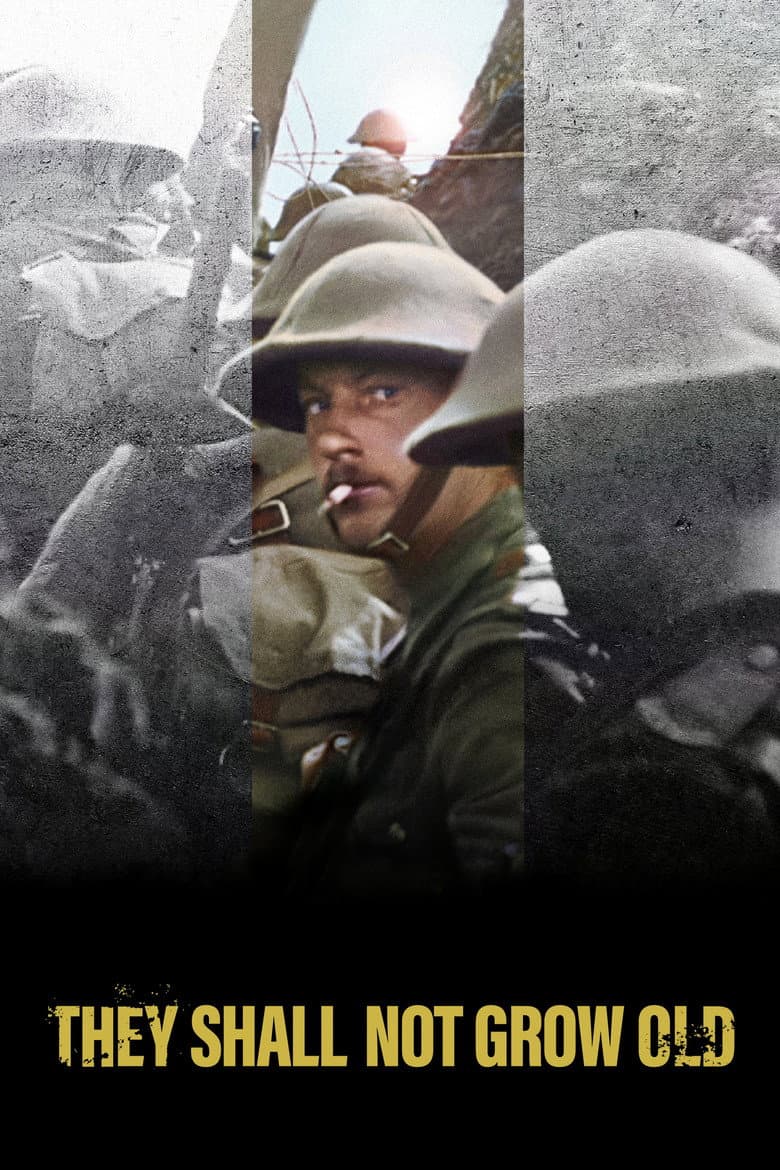
Movie · 2018
A documentary about World War I with never-before-seen footage to commemorate the centennial of Armistice Day, and the end of the war.
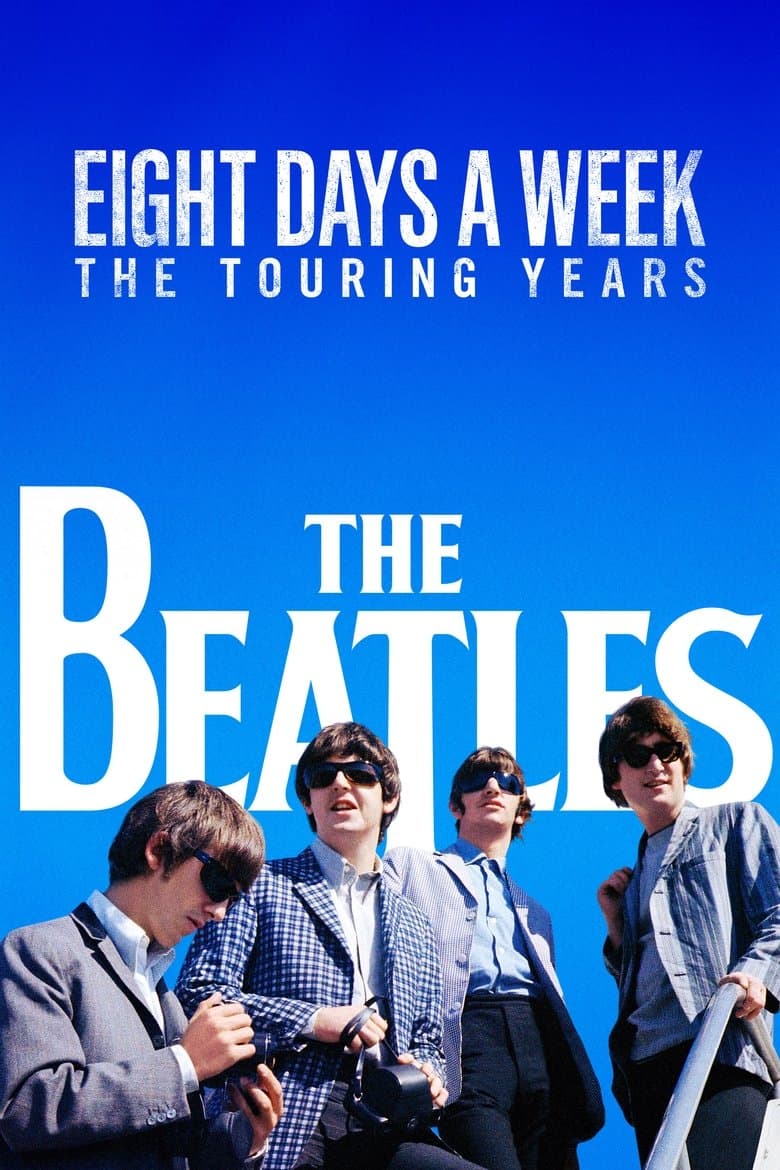
Movie · 2016
The Beatles stormed through Europe's music scene in 1963, and, in 1964, they conquered America. Their groundbreaking world tours changed global youth culture forever and…
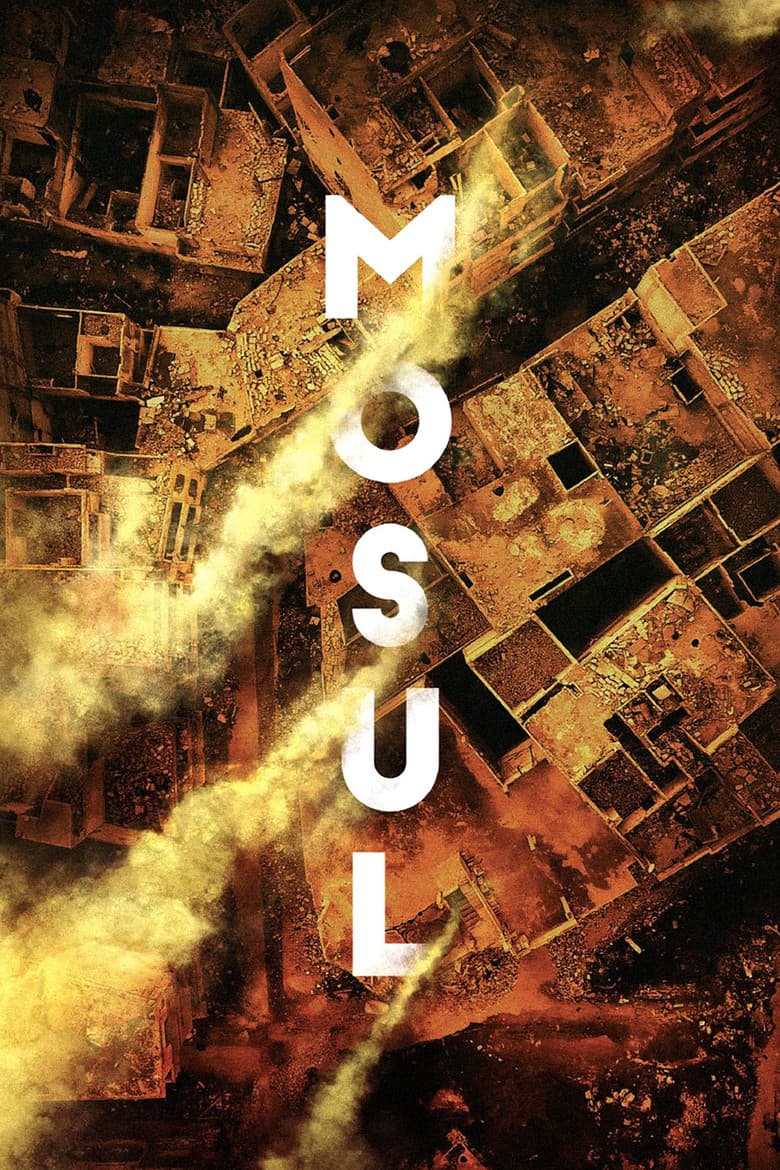
Movie · 2019
An Iraqi journalist joins an army of uneasy allies and unforgettable characters in the epic battle to liberate the city of Mosul from the Islamic State.
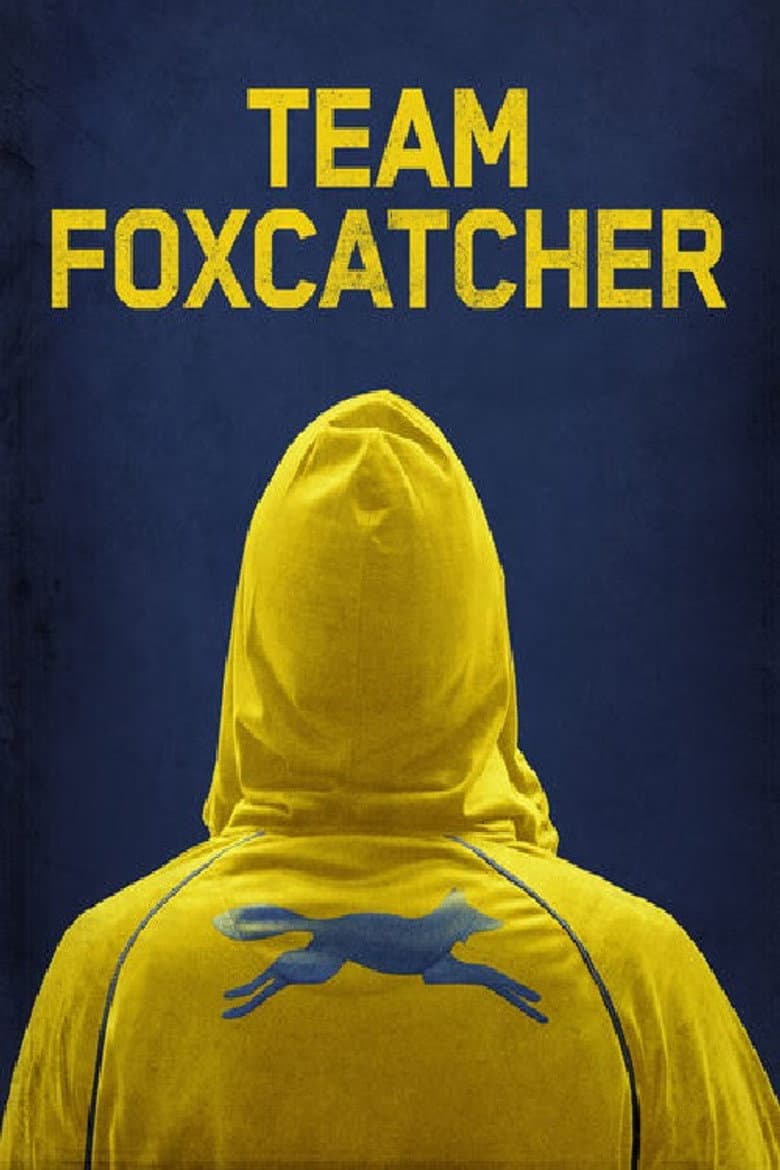
Movie · 2016
With never-before seen home video, this film recounts the paranoid downward spiral of John E. du Pont and the murder of Olympic wrestler Dave Schultz.
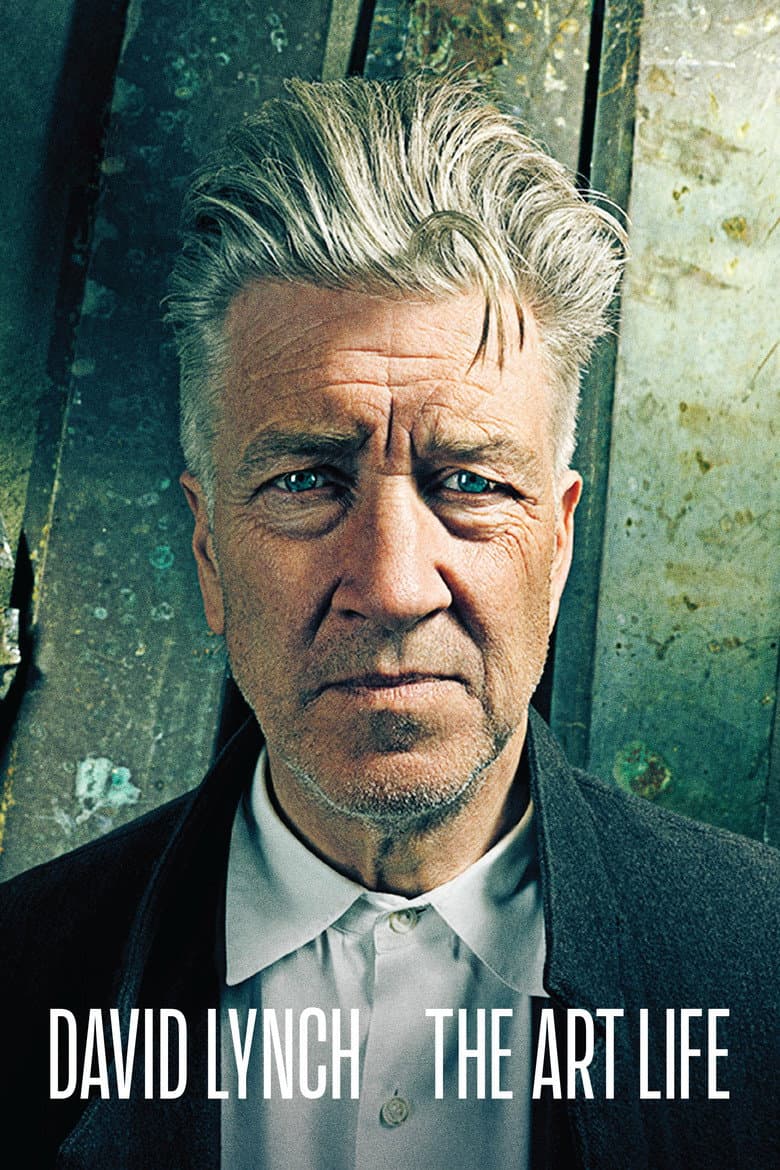
Movie · 2017
An intimate journey through the formative years of David Lynch's life. From his idyllic upbringing in small town America to the dark streets of Philadelphia, we follow Lynch as he…
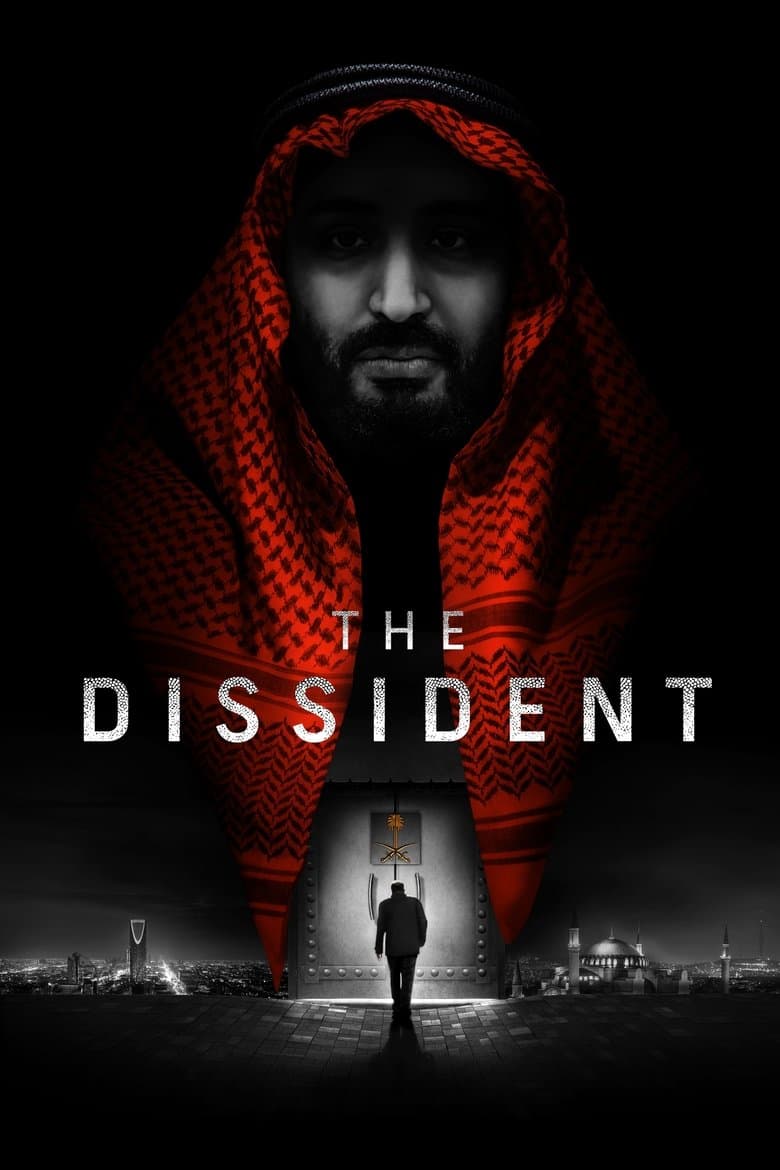
Movie · 2020
When Washington Post journalist Jamal Khashoggi disappears after entering Saudi Arabia’s consulate in Istanbul, his fiancée and dissidents around the world are left to piece…
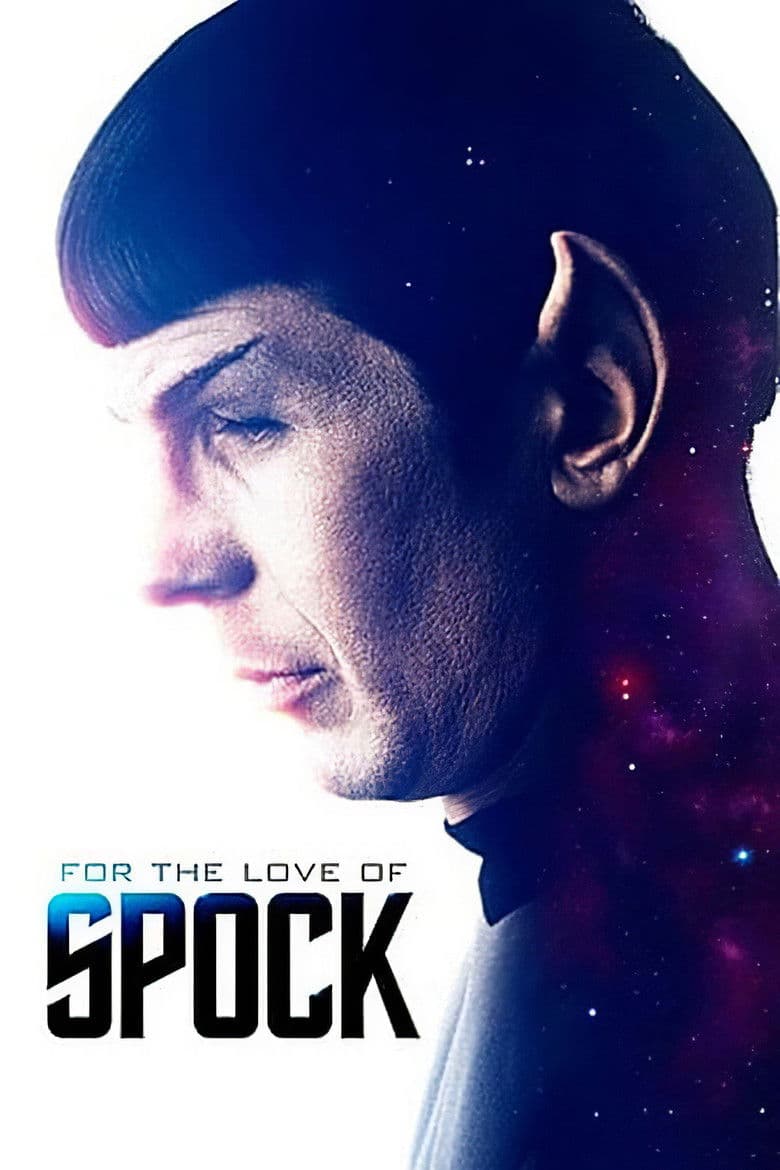
Movie · 2016
The life of Mr. Spock, as well as that of Leonard Nimoy, the actor who played him for almost fifty years, written and directed by his son: Adam.
Movie · 2023
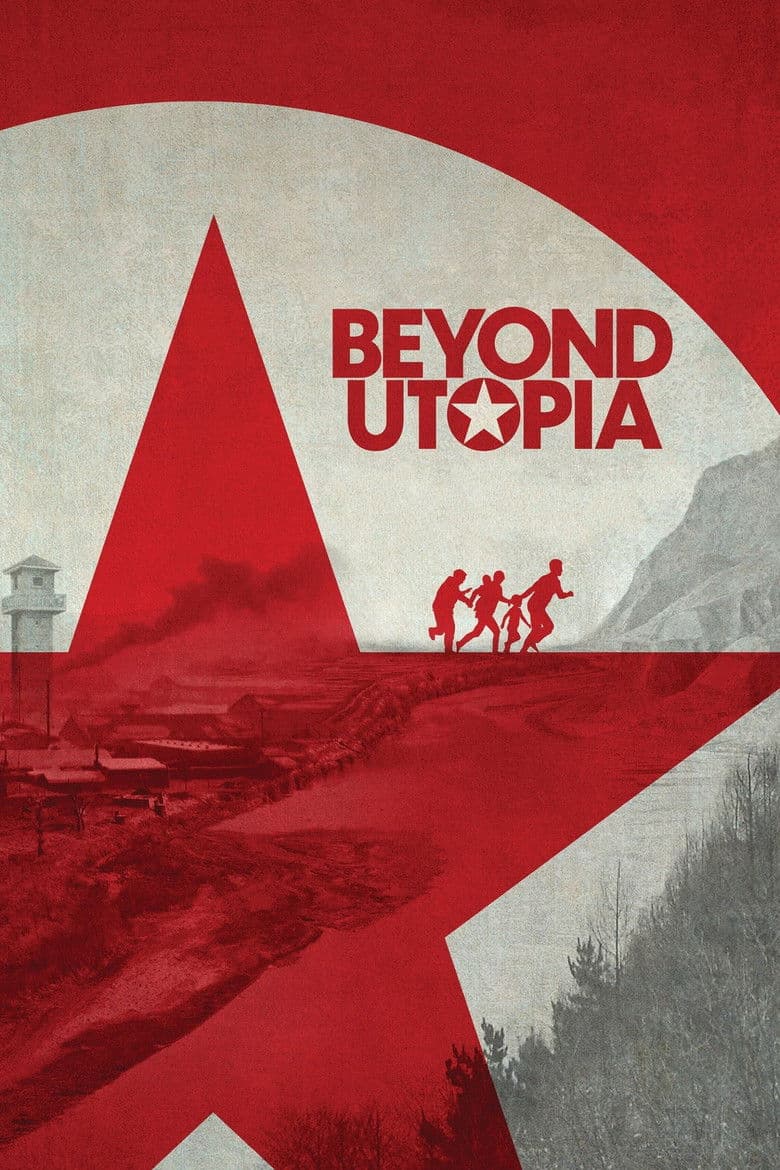
A courageous pastor uses his underground network to rescue and aid North Korean families as they risk their lives to embrace freedom.
