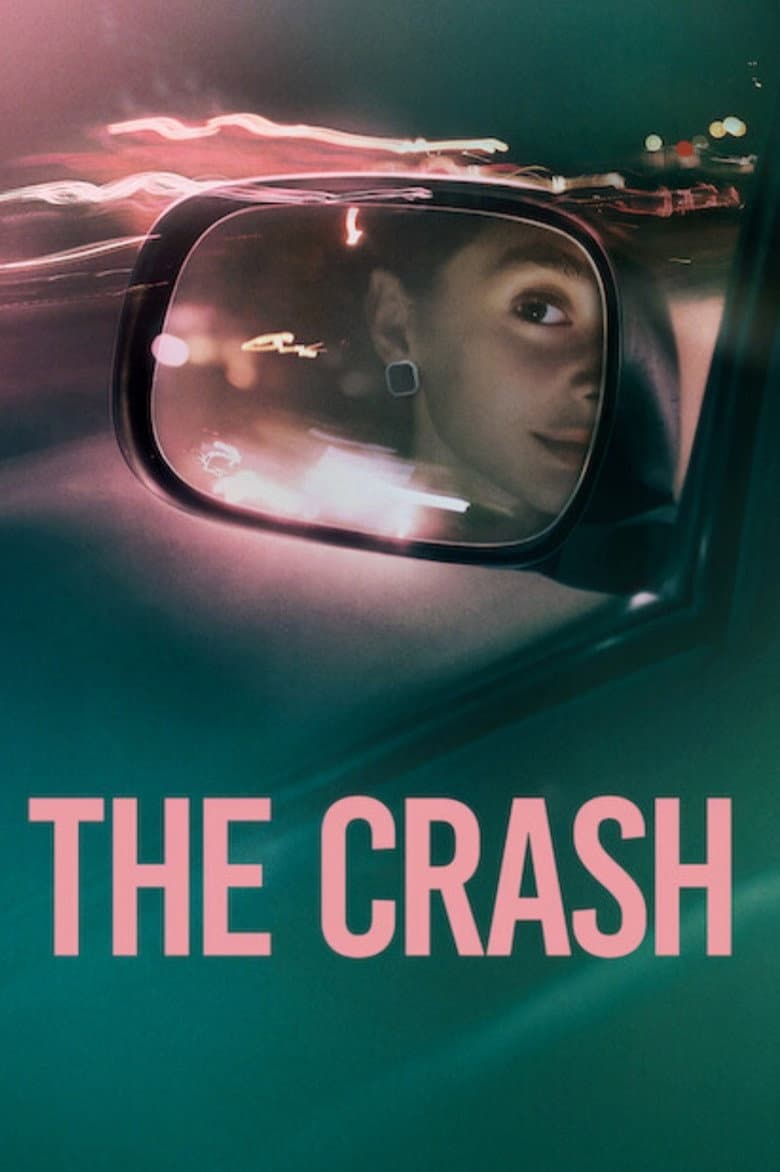
The Crash follows Mackenzie Shirilla, a 17-year-old from Strongsville, Ohio, after she drives her Toyota Camry into a brick building at nearly 100 miles per hour. Her boyfriend Dominic Russo and their friend Davion Flanagan die, while Mackenzie survives with serious injuries. Police first treat the event as a possible accident, but car data, video, messages, and the couple’s troubled relationship lead to a murder case. The film has a dark, tense, and uneasy tone as it follows the investigation, trial, and Mackenzie’s prison interview.
The film focuses on the question of intent and on the five seconds before the car hits the building. It shows how texts, phone calls, TikToks, bodycam video, and family memories shape the picture of a teenage relationship. Mackenzie says that a medical condition made her black out and that she did not plan the crash, while prosecutors point to the controlled turn, full acceleration, lack of braking, and threats before the deaths. The film also examines how young people present themselves online and how families, police, lawyers, and viewers judge that record after a tragedy.
Community feedback
Was our 2% Woke rating accurate?
Breakdown
These are the editorial factors and ratings behind our score for The Crash.
Woke representation / casting
Not present. The film uses the real people connected to the Ohio case rather than actors chosen to create a diversity pattern. Their identities are part of the real event, not a message about representation.
0%
Woke political dialogue
Not present. The interviews and court material discuss the crash, intent, evidence, and the trial. No political lecture or activist speech drives the film.
0%
Identity-driven story themes
Not present. The film centers on a deadly teen relationship, a disputed medical explanation, online behavior, and criminal intent. It does not build the story around race, gender oppression, sexuality, or identity politics.
0%
Western institutional / cultural critique
Not present. The film examines how police, lawyers, families, and courts handled one murder case. It does not present a recurring activist attack on family life, men, religion, or other Western institutions.
0%
Woke character or canon changes
Not relevant. The film documents real people and a real court case. It does not rewrite the event for an identity message.
0%
Anti-woke backlash and complaints
Not present. Viewers criticized the parents, the editing, and omitted case evidence, but those complaints concerned guilt, balance, and true-crime editing. No anti-woke or DEI complaint about the film was found.
0%
Creator track record context
Most of the key creators have low cached scores and no public record of political activism. Angharad Scott has worked on a documentary about an autistic person’s life, which shows some interest in less-heard voices. Rebecca North has worked on institutional accountability stories, but this film does not use that background to push identity-driven activism.
11%
Production
Movie · 2022
A young mother’s mysterious death and her son’s subsequent kidnapping blow open a decades-long mystery about the woman’s true identity, and the murderous federal fugitive at the…
Movie · 2026
Police pull over a woman who claims she just gave birth. But the baby — and the blood — aren't hers. Twisted lies unravel in this true-crime documentary.
Movie · 2017
Legendary journalist Gay Talese unmasks a motel owner who spied on his guests for decades. But his bombshell story soon becomes a scandal of its own.
Movie · 2022
Posing as a wealthy, jet-setting diamond mogul, an Israeli conman wooed women online then conned them out of millions of dollars. Now, some victims plan for payback.
Movie · 2024
In this twisting documentary, a mechanic tries online dating for the first time and meets a woman who takes romantic obsession to a deadly extreme.
Movie · 2022
In candid conversations with actor Jonah Hill, leading psychiatrist Phil Stutz explores his early life experiences and unique, visual model of therapy.
Movie · 2018
A documentary about World War I with never-before-seen footage to commemorate the centennial of Armistice Day, and the end of the war.
Movie · 2023
A short kid from a Canadian army base becomes the international pop culture darling of the 1980s—only to find the course of his life altered by a stunning diagnosis.
