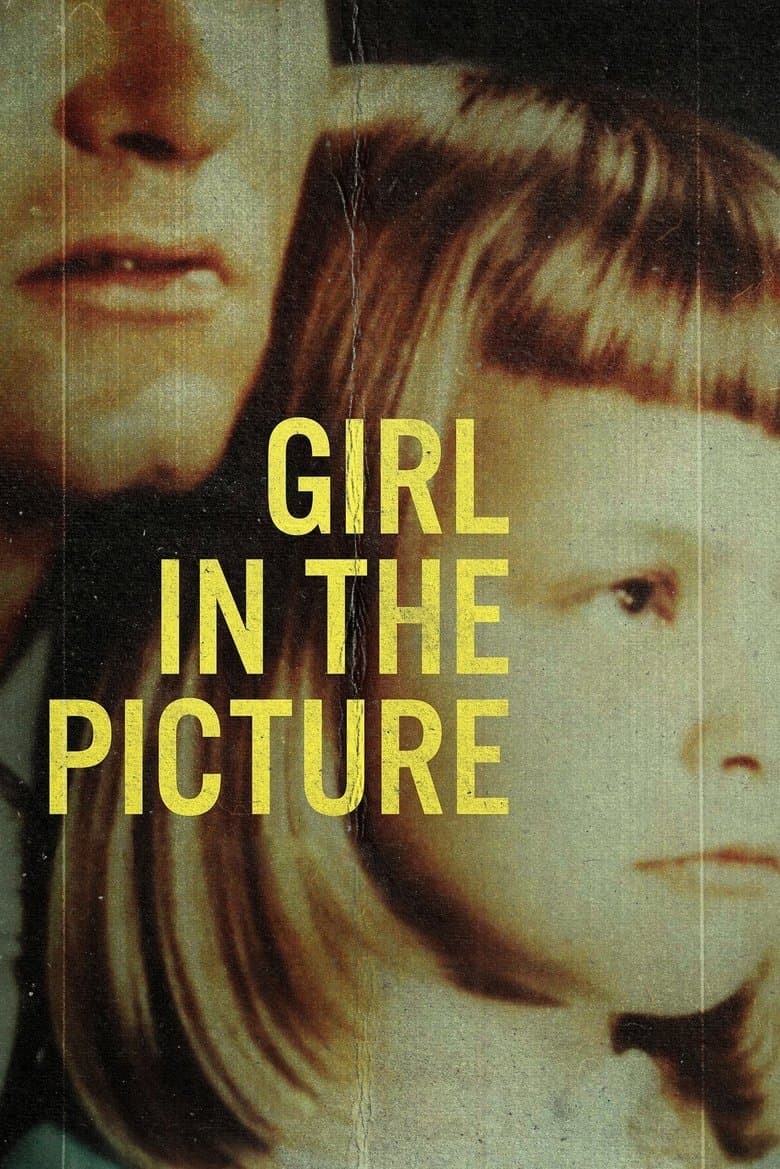
A young mother is found dying by a road in Oklahoma after what looks like a hit-and-run. Her little boy is left with a much older man who says he is the husband. That death opens a long, dark mystery about who the woman really was and what happened to her. The film is a true-crime documentary. It is tense, sad, and built around real crimes, abuse, and a hunt for the truth.
The movie is about child kidnapping, long abuse, murder, and stolen names. Viewers mainly see police work, friends, family, and the awful acts of one violent criminal, Franklin Delano Floyd. The story follows how the woman lived under false names, how her son was later taken, and how people worked for years to learn she was Suzanne Sevakis. The focus is crime, trauma, and finding her real identity. It is not built around modern race, gender, or identity politics lectures.
Community feedback
Was our 7% Woke rating accurate?
Breakdown
These are the editorial factors and ratings behind our score for Girl in the Picture.
Woke representation / casting
Real people from the case fill the screen: police, FBI, friends, family, and the journalist. Common Sense notes a mainly white cast of real investigators. Any non-white faces are people who actually worked the case, not a cast built for identity signaling.
0%
Woke political dialogue
Interviews and narration stick to the crimes, aliases, abuse, and the search for the truth. There is no clear activist talking-points script about race, DEI, or modern party politics.
0%
Identity-driven story themes
“Identity” here means the woman’s real name and stolen life under fake names, not race, gender, or queer politics. The story is about a girl abused by a predator. That is the crime itself, not a modern identity-politics message.
0%
Western institutional / cultural critique
The film shows how a dangerous man slipped through systems for years and how hard it was to ID the victim. That is normal true-crime police and investigation failure, not a big attack on Western culture, religion, or traditional family as ideology.
5%
Woke character or canon changes
Not relevant. This is a documentary of a real case from books and records. It does not rewrite made-up characters or change history for DEI reasons.
0%
Anti-woke backlash and complaints
No notable right-leaning or anti-woke campaign treats this title as woke, DEI, or identity propaganda. Reaction is almost all about the crimes and the victim.
0%
Creator track record context
Cached scores are mild to moderate (Borgman 20; producers roughly 0–32). Some producers have social-issue credits on other projects. This film’s content matches Borgman and Birkbeck’s crime work more than identity-first shows.
22%
Production
Movie · 2017
A family falls prey to the manipulative charms of a neighbor, who abducts their adolescent daughter. Twice.
Movie · 2023
After Kai saves a woman's life, he turns into an overnight hero and viral sensation — until disturbing truths about his erratic behavior come to light.

Movie · 2024
In this twisting documentary, a mechanic tries online dating for the first time and meets a woman who takes romantic obsession to a deadly extreme.
Movie · 2026
A teen slams her car into a building, killing her boyfriend and his friend. What seems like a tragic accident becomes a murder case.
Movie · 2024
When Jennifer Pan calls 911 to report that her parents have been shot, she becomes the primary focus of a captivating criminal case.

Movie · 2022
Follows the man who survived an assassination attempt by poisoning with a lethal nerve agent in August 2020. During his months-long recovery, he makes shocking discoveries about…

Movie · 2022
In candid conversations with actor Jonah Hill, leading psychiatrist Phil Stutz explores his early life experiences and unique, visual model of therapy.
Movie · 2021
The line between justice and revenge blurs when a devastated family uses social media to track down the people who killed 24-year-old Crystal Theobald.
