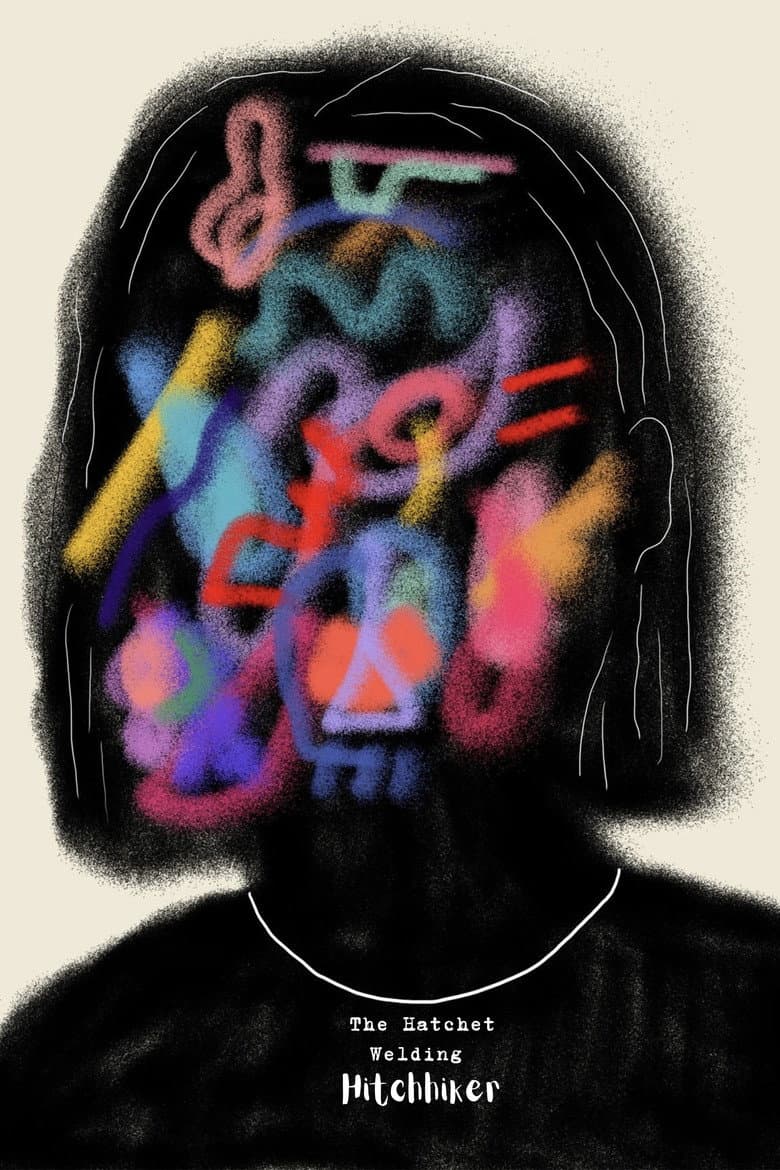
The documentary follows Caleb “Kai” McGillvary, a homeless hitchhiker who becomes famous after he uses a hatchet to stop an attacker in Fresno, California. A wild TV interview turns him into an internet star almost overnight. Reporters, talk-show staff, fans, and reality-show producers chase him while his behavior grows more troubled. Three months later, police accuse him of killing New Jersey lawyer Joseph Galfy, and the film follows his arrest, trial, and prison sentence.
The film focuses on fame, violence, trauma, homelessness, mental health, and the danger of treating a real person like a product. It shows how television and online audiences celebrate Kai before asking basic questions about his past or his state of mind. The racial attack that starts the story and Kai’s claim that Galfy sexually assaulted him add serious questions about violence and power. The tone moves from strange and funny to grim, with the main message aimed at media culture and public judgment.
Community feedback
Was our 1% Woke rating accurate?
Breakdown
These are the editorial factors and ratings behind our score for The Hatchet Wielding Hitchhiker.
Woke representation / casting
Not present. The documentary follows real people from a real case and does not build a fictional cast around identity. Its interviews serve the case rather than a diversity message.
0%
Woke political dialogue
Not present. The film includes racist statements connected to the original attack, but they describe the case rather than push a modern identity or activist message. Most speech covers fame, family, violence, and the trial.
0%
Identity-driven story themes
Not present. The story centers on sudden fame, violence, trauma, homelessness, mental health, and a murder case. Race, sex, gender, and sexuality are not the main message.
0%
Western institutional / cultural critique
Not present. The film criticizes media people for turning Kai into a product and shows public fascination with a viral star. That criticism targets fame and poor judgment, not a modern activist attack on Western culture or its institutions.
0%
Woke character or canon changes
Not relevant. This is a nonfiction case rather than an adaptation of an established character or story. No identity-based change to a real figure is reported in the film.
0%
Anti-woke backlash and complaints
Not present. The supplied X search found no anti-woke reaction. Other viewers complained about exploitation, mental health, and missing trial details, not woke or DEI messaging.
0%
Creator track record context
Colette Camden’s work has no strong record of DEI or identity-politics advocacy. Suzanne Mitchell’s past work includes an MLK television special and humanitarian subjects, which are mild liberal signals. Neither profile shows a sustained representation-first pattern, so creator context is only a very small signal.
5%
Production
Movie · 2022
Posing as a wealthy, jet-setting diamond mogul, an Israeli conman wooed women online then conned them out of millions of dollars. Now, some victims plan for payback.
Movie · 2017
Legendary journalist Gay Talese unmasks a motel owner who spied on his guests for decades. But his bombshell story soon becomes a scandal of its own.
Movie · 2021
The line between justice and revenge blurs when a devastated family uses social media to track down the people who killed 24-year-old Crystal Theobald.
Movie · 2022
A young mother’s mysterious death and her son’s subsequent kidnapping blow open a decades-long mystery about the woman’s true identity, and the murderous federal fugitive at the…
Movie · 2026
A teen slams her car into a building, killing her boyfriend and his friend. What seems like a tragic accident becomes a murder case.
Movie · 2022
In candid conversations with actor Jonah Hill, leading psychiatrist Phil Stutz explores his early life experiences and unique, visual model of therapy.
Movie · 2026
Police pull over a woman who claims she just gave birth. But the baby — and the blood — aren't hers. Twisted lies unravel in this true-crime documentary.
Movie · 2018
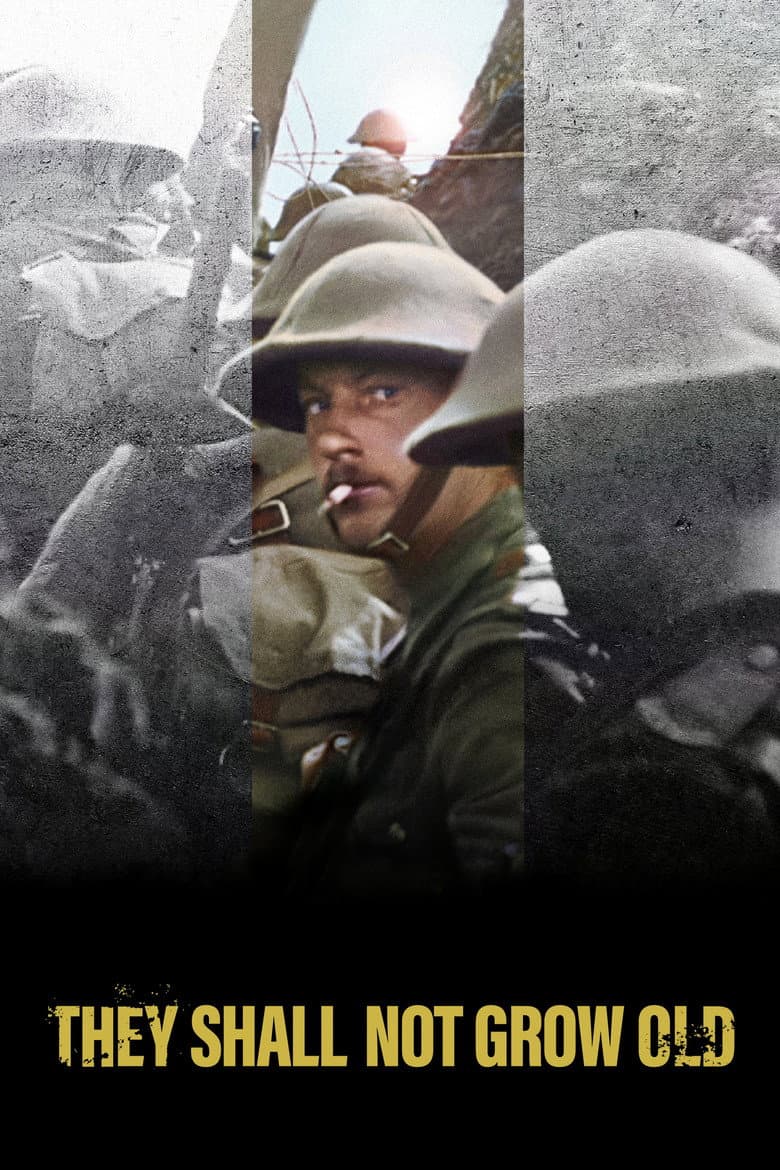
A documentary about World War I with never-before-seen footage to commemorate the centennial of Armistice Day, and the end of the war.
