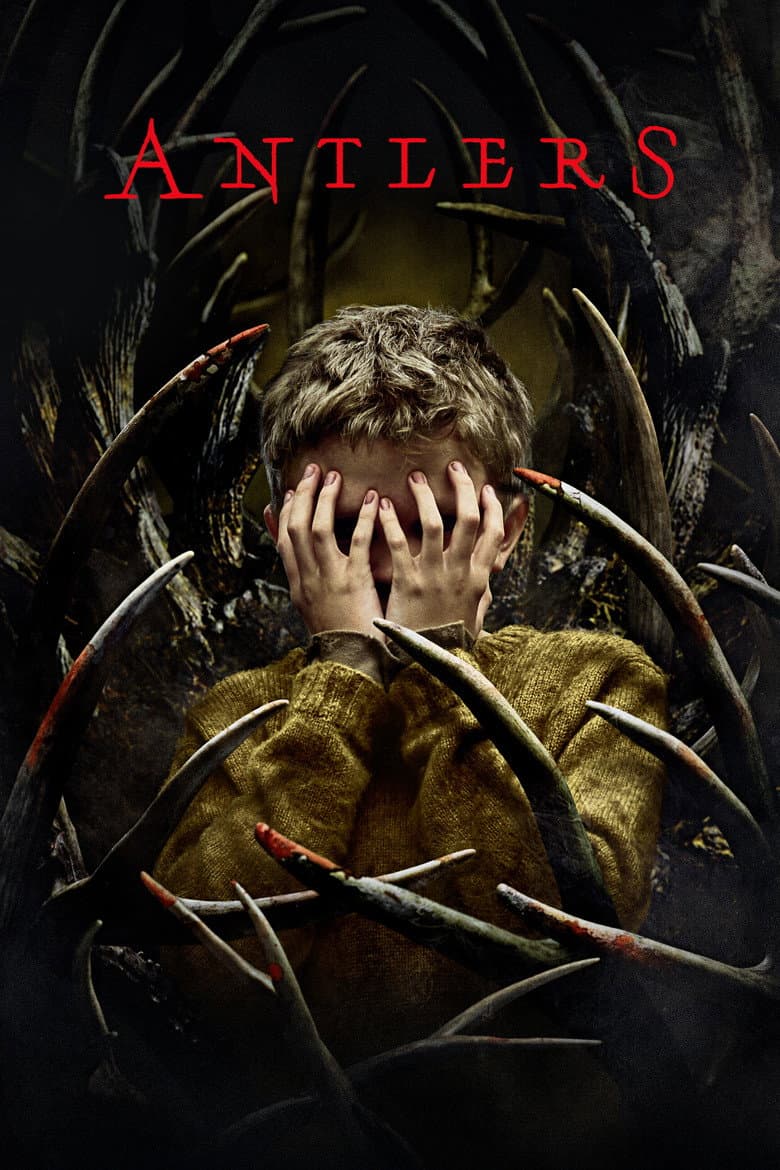
Antlers follows Julia Meadows, a schoolteacher who returns to her bleak Oregon hometown and moves in with her brother Paul, the local sheriff. Julia notices that Lucas Weaver, a quiet boy in her class, is hiding a terrible problem at home. Lucas is caring for his sick father and younger brother while strange killings spread through the town. The film uses a cold, grim horror mood with strong gore and a slow build.
The story treats the Wendigo as a real monster and as a picture of abuse that passes from one generation to the next. It also ties the town’s mine closure, poverty, drug making, hunger, and damaged land to the fear around Lucas’s family. Julia sees her own childhood abuse in Lucas’s suffering, so helping him becomes part of her fight to escape her past. The story mainly focuses on family harm, addiction, neglect, and the cost of a town that has lost its work.
Community feedback
Was our 15% Woke rating accurate?
Breakdown
These are the editorial factors and ratings behind our score for Antlers.
Woke representation / casting
Not present. The film centers a mostly white small-town cast, with Graham Greene as a native former sheriff tied to the Wendigo legend. Julia is a female teacher and Ellen is a female principal, but the movie does not present those roles as a diversity or empowerment message.
0%
Woke political dialogue
Not present. Characters talk about the closed mine, poverty, drug use, abuse, and the monster, but they do not give clear woke political speeches. The film uses those problems as story background instead of arguing for a modern political program.
0%
Identity-driven story themes
Not present. The main themes are family abuse, addiction, neglect, childhood trauma, and a monster drawn from Indigenous folklore. The film does not center race, queer identity, gender politics, or present-day identity activism.
0%
Western institutional / cultural critique
The film repeatedly shows a town damaged by a closed mine and poverty. Drug use and weak public services make the town feel abandoned. These conditions help the horror grow. The story does not directly attack capitalism, religion, conservative beliefs, or ordinary family life. The institutional critique stays as a grim background layer.
16%
Woke character or canon changes
Not relevant. The film expands Nick Antosca’s short story The Quiet Boy, but no identity-driven change to a known character, canon, or real event appears.
0%
Anti-woke backlash and complaints
A few small X accounts called the film woke because reviews described the monster as a symbol for social problems. A second small account claimed that a stronger script became girl-boss or Mary Sue material. The same account said the film does not hit viewers over the head with woke ideas. The complaints had very little reach. The research found no boycott, review-bomb drive, or large right-leaning campaign.
12%
Creator track record context
Scott Cooper has made serious stories about hardship and has spoken about racial and cultural divides. Guillermo del Toro often presents outsiders and monsters with empathy and has supported better Latino and minority representation. The other writers and producers have little documented activist focus. This gives the film a mild social-theme context. It does not show a strong identity-driven pattern.
24%
Production
Movie · 2023
On the day of his scheduled execution, a convicted serial killer gets a psychiatric evaluation during which he claims he is a demon, and further claims that before their time is…
Movie · 2018
After suspecting that their police officer neighbor is a serial killer, a group of teenage friends spend their summer spying on him and gathering evidence, but as they get closer…
Movie · 2023
Between the events of 'Saw' and 'Saw II', a sick and desperate John Kramer travels to Mexico for a risky and experimental medical procedure in hopes of a miracle cure for his…
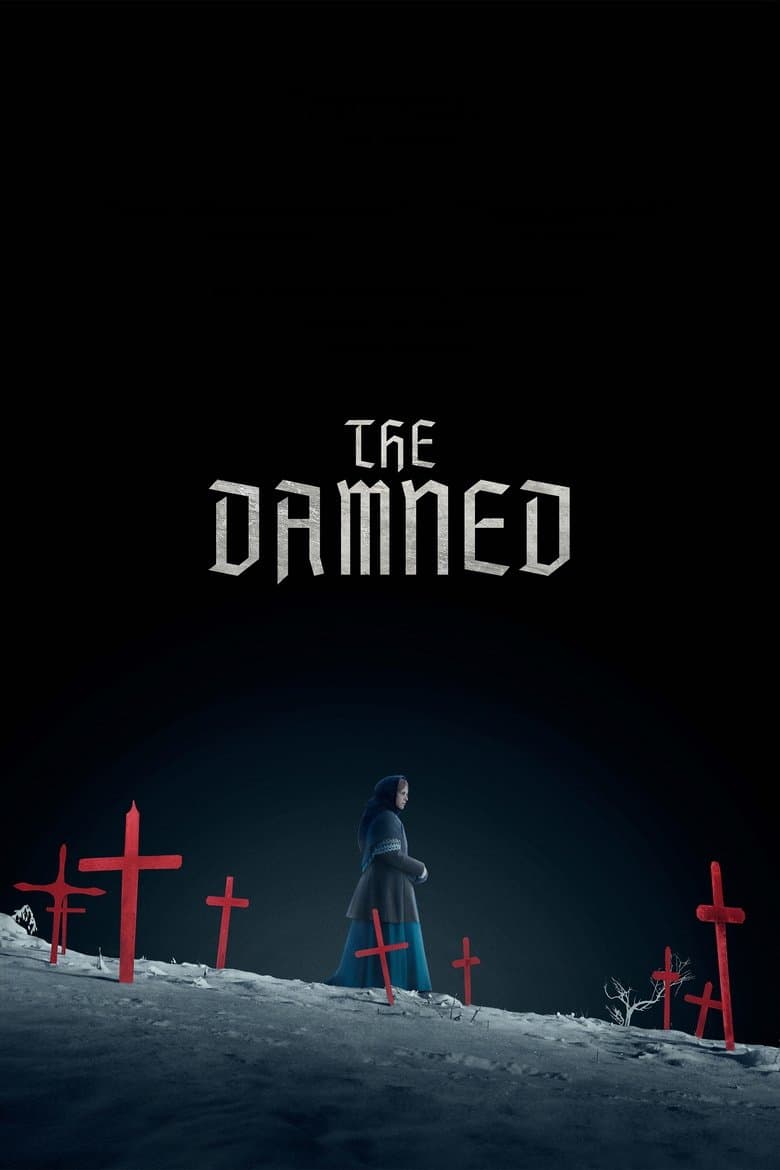
Movie · 2025
A 19th-century widow has to make an impossible choice when, during an especially cruel winter, a foreign ship sinks off the coast of her Icelandic fishing village.

Movie · 2018
An up-and-coming journalist finds his world and faith increasingly challenged when he's granted the interview of a lifetime – with someone who claims to be God.
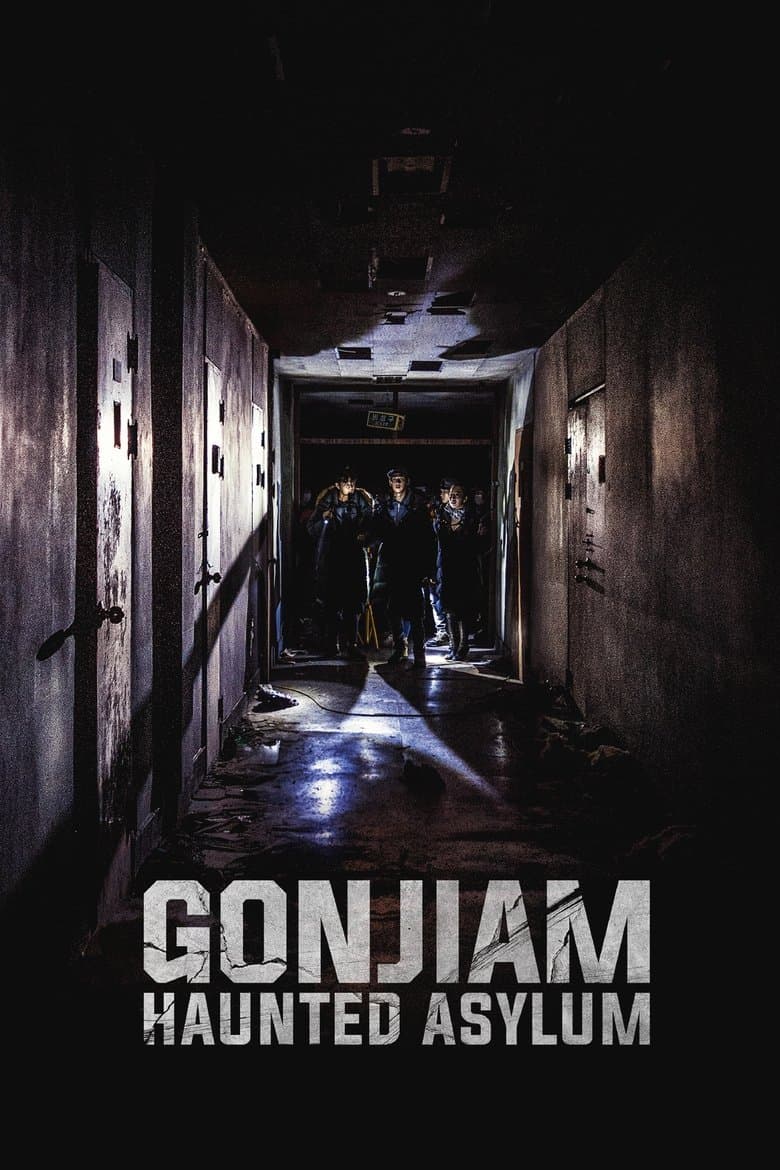
Movie · 2018
The crew of a horror web series travels to an abandoned asylum for a live broadcast, but they encounter much more than expected as they move deeper inside the nightmarish old…
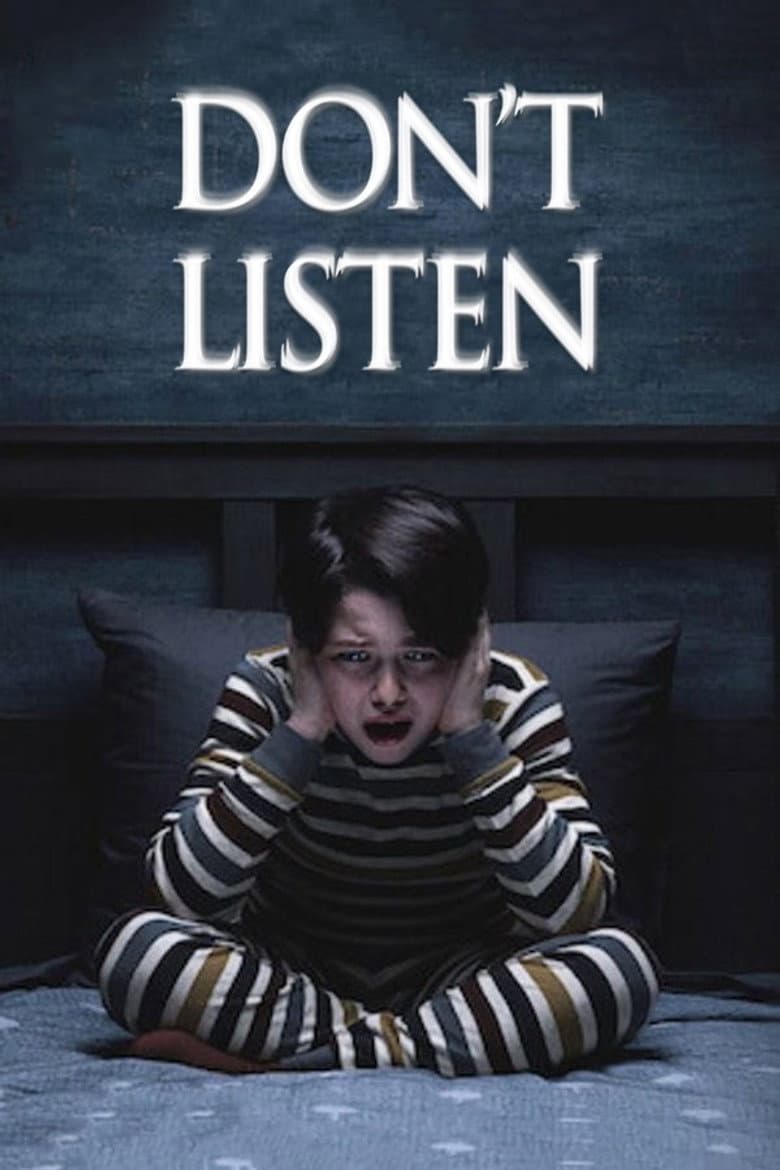
Movie · 2020
After a tragic turn of events at the new home he's fixing up, Daniel hears a ghostly plea for help, spurring him to seek out a famous paranormal expert.
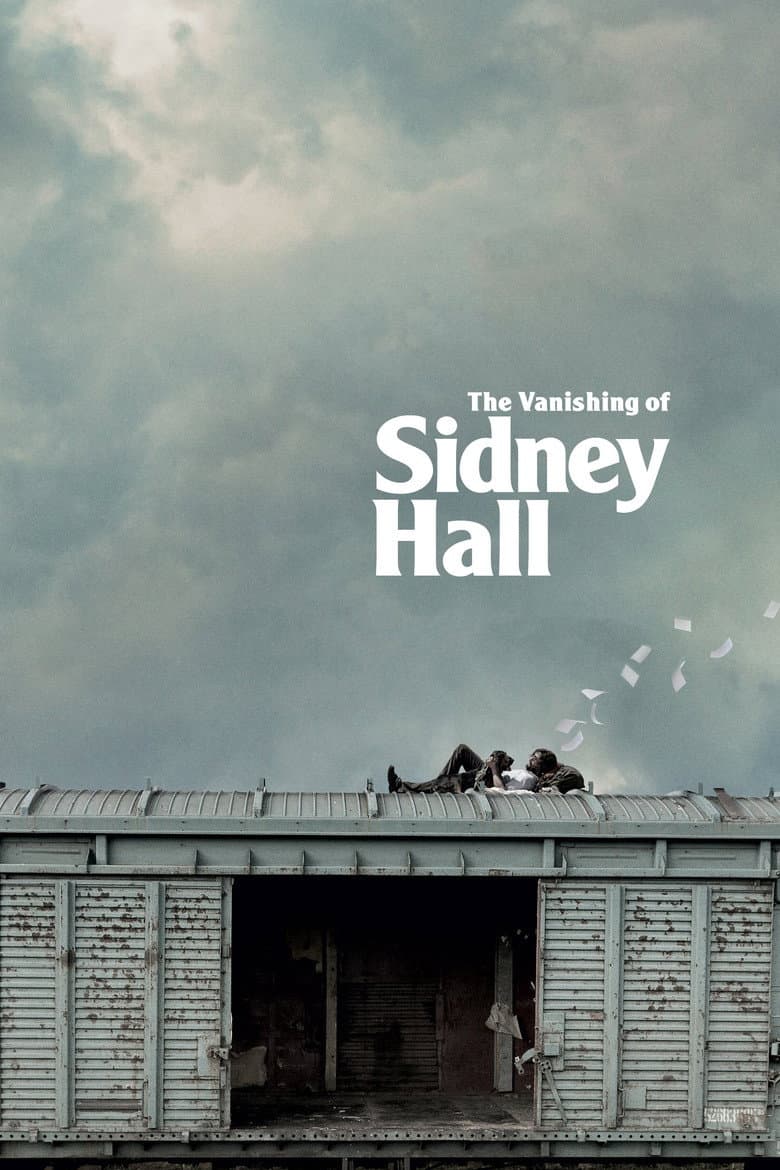
Movie · 2018
Over the course of 12 years, and three stages of life, Sidney Hall falls in love, writes the book of a generation and then disappears without a trace.
