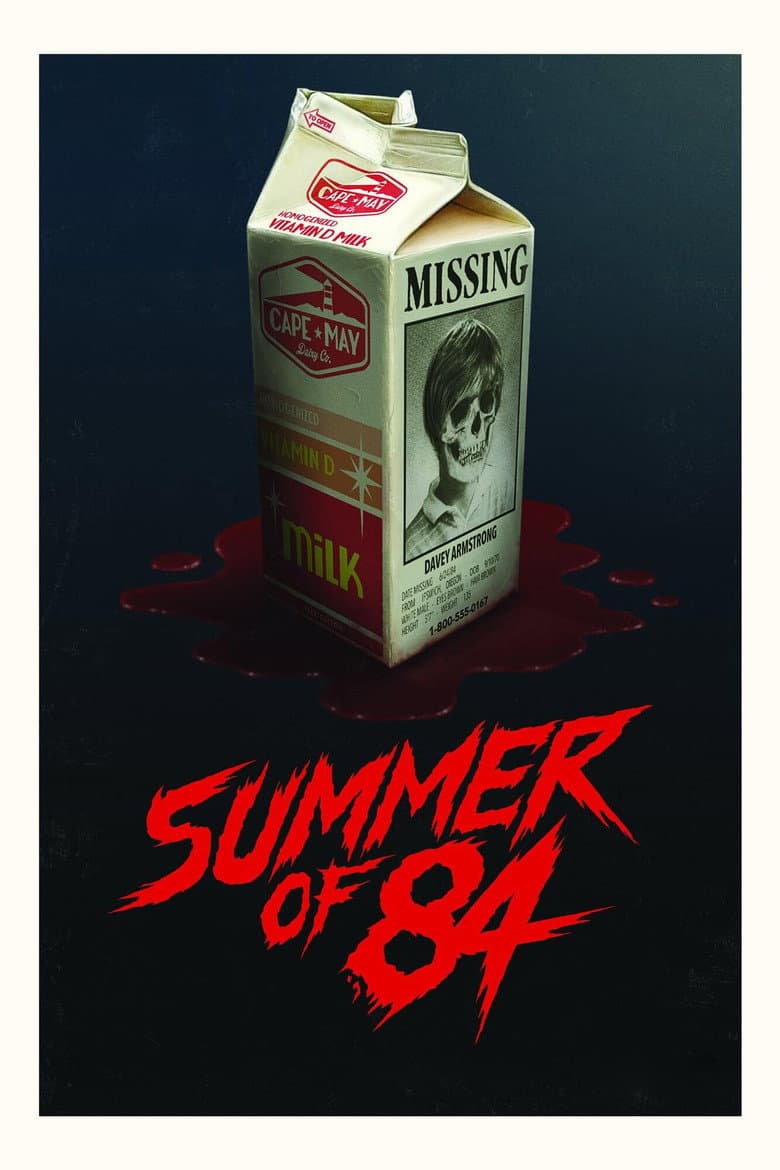
Summer of 84 follows Davey Armstrong, a 15-year-old boy in an Oregon suburb during the summer of 1984. Davey thinks his friendly police-officer neighbor, Wayne Mackey, is the serial killer linked to missing boys. He pulls three friends into spying, breaking into places, and searching for proof. The film starts as a light adventure about bikes and a treehouse, then turns into a grim and frightening mystery.
The story shows young people losing their sense of safety as they learn that danger can hide behind a friendly face. Davey’s curiosity brings real danger to his friends, and the group must face the cost of treating murder like an exciting game. Family fights, divorce, absent parents, and troubled homes make the children feel older than they are. The film’s main message is about lost innocence, friendship, and the dark side of suburban comfort.
Community feedback
Was our 1% Woke rating accurate?
Breakdown
These are the editorial factors and ratings behind our score for Summer of 84.
Woke representation / casting
Not present. The main cast is a group of mostly white boys and one local girl in a 1984 Oregon suburb. The film does not frame the casting as a diversity or identity statement.
0%
Woke political dialogue
Not present. The characters talk about a serial killer, family problems, sex, and Cold War fears. The film does not use modern activist or identity-politics speeches.
0%
Identity-driven story themes
Not present. The story follows a boy’s suspicion of a killer and the loss of childhood safety. It does not build its conflict around race, gender, sexuality, or group identity.
0%
Western institutional / cultural critique
Not present. The film shows a friendly police officer hiding murder and parents failing to protect their children. Those are plot dangers and family problems, not a modern activist attack on Western institutions or social norms.
0%
Woke character or canon changes
Not relevant. Summer of 84 is an original story about teenagers and a serial killer. It does not recast or rewrite an established character, real person, or known historical event.
0%
Anti-woke backlash and complaints
Not present. The supplied X pass found no anti-woke posts or boycott calls. Web discussion focused on horror, nostalgia, and the ending, not DEI or identity politics.
0%
Creator track record context
The writers and directors are mainly known for genre films. Anouk Whissell has encouraged women to pursue non-traditional film careers. The directors later made Wake Up, which uses an eco-activist story. Their public record does not show a strong DEI, identity-politics, or partisan campaign.
5%
Production
Movie · 2018
A filmmaker discovers a box of video tapes depicting two students' disturbing film project featuring a local horror legend, The Peeping Tom.
Movie · 2020
A romantic getaway for two troubled college sweethearts turns into a struggle for survival when unexpected guests – and the surrounding environment – exhibit signs of a mysterious…
Movie · 2025
A 19th-century widow has to make an impossible choice when, during an especially cruel winter, a foreign ship sinks off the coast of her Icelandic fishing village.
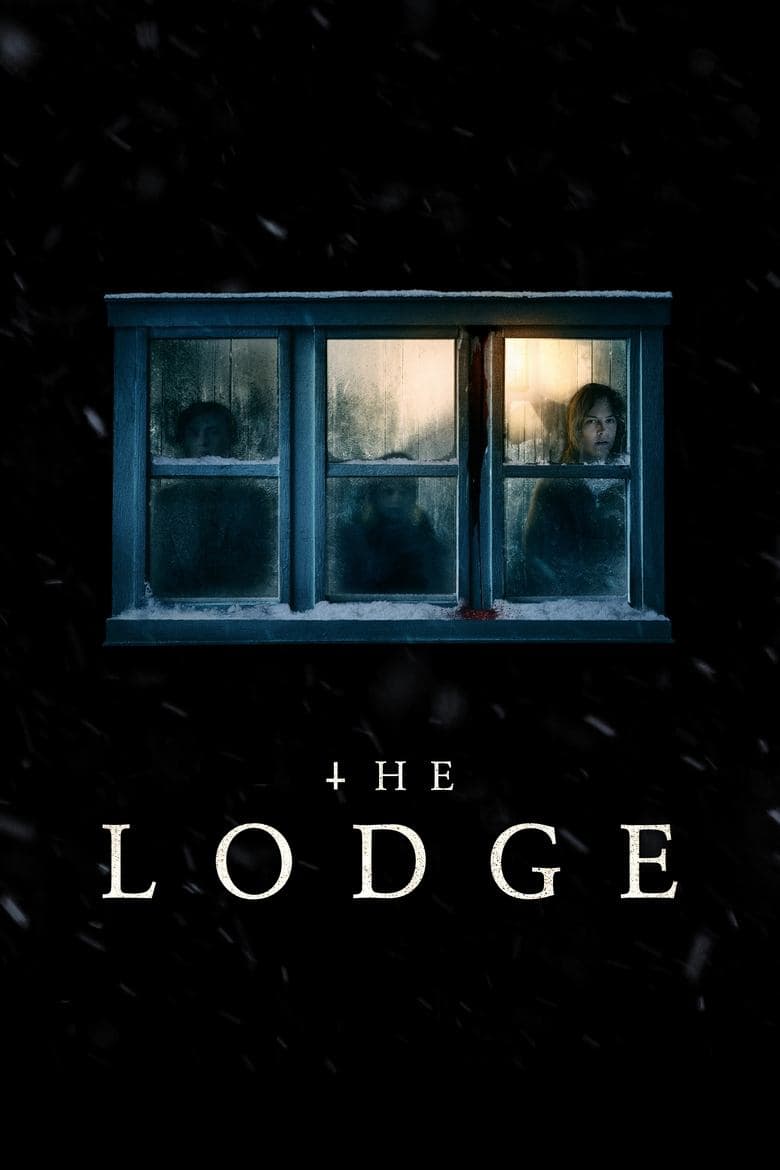
Movie · 2020
When a father is forced to abruptly depart for work, he leaves his children, Aidan and Mia, at their holiday home in the care of his new girlfriend, Grace.
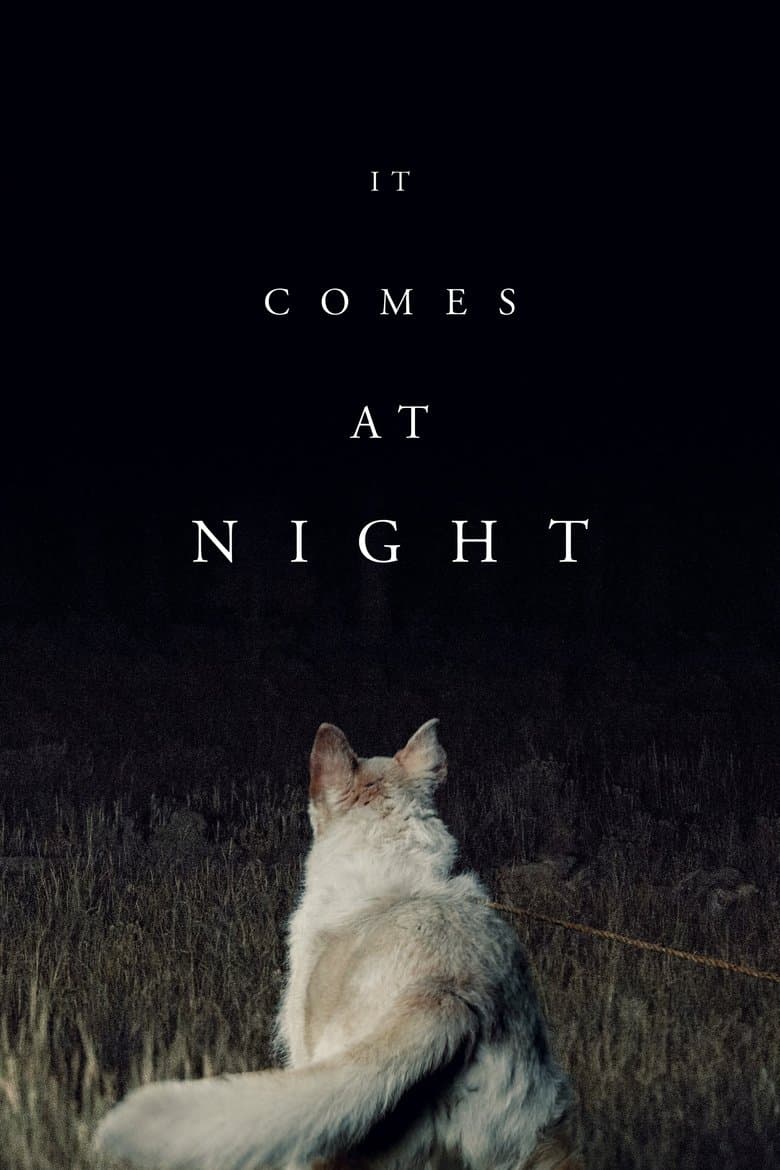
Movie · 2017
Secure within a desolate home as an unnatural threat terrorizes the world, a man has established a tenuous domestic order with his wife and son, but this will soon be put to test…
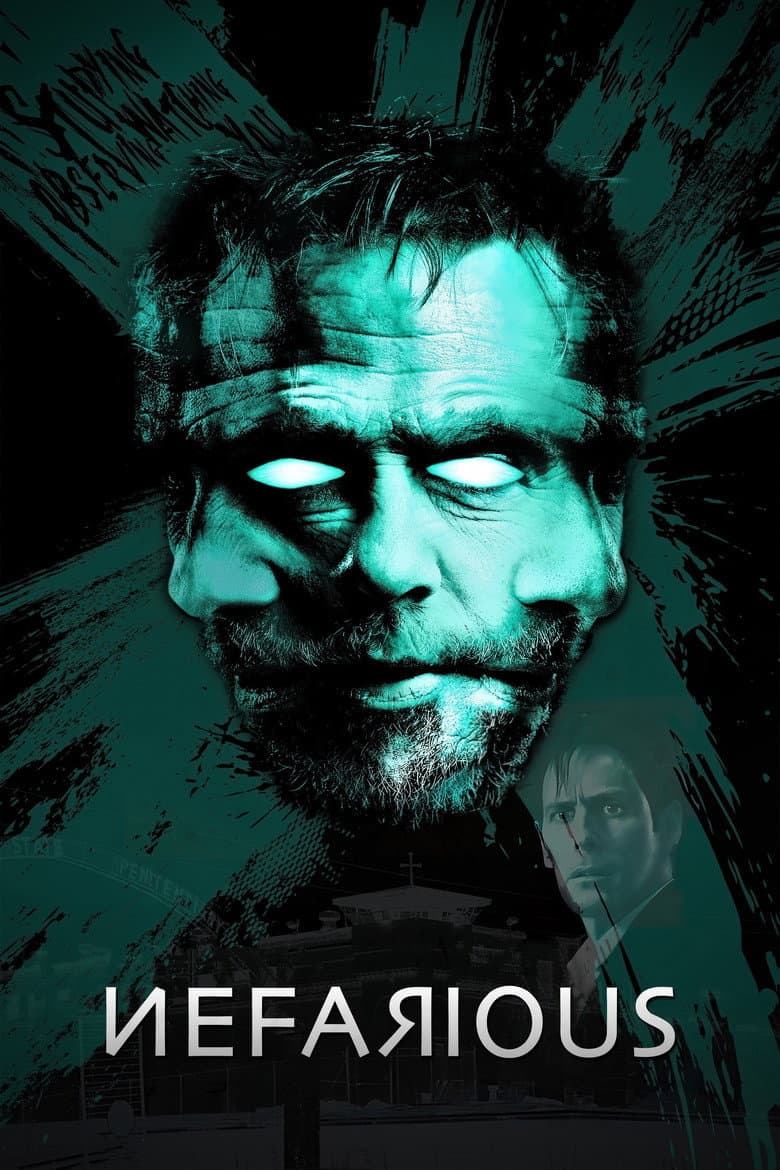
Movie · 2023
On the day of his scheduled execution, a convicted serial killer gets a psychiatric evaluation during which he claims he is a demon, and further claims that before their time is…
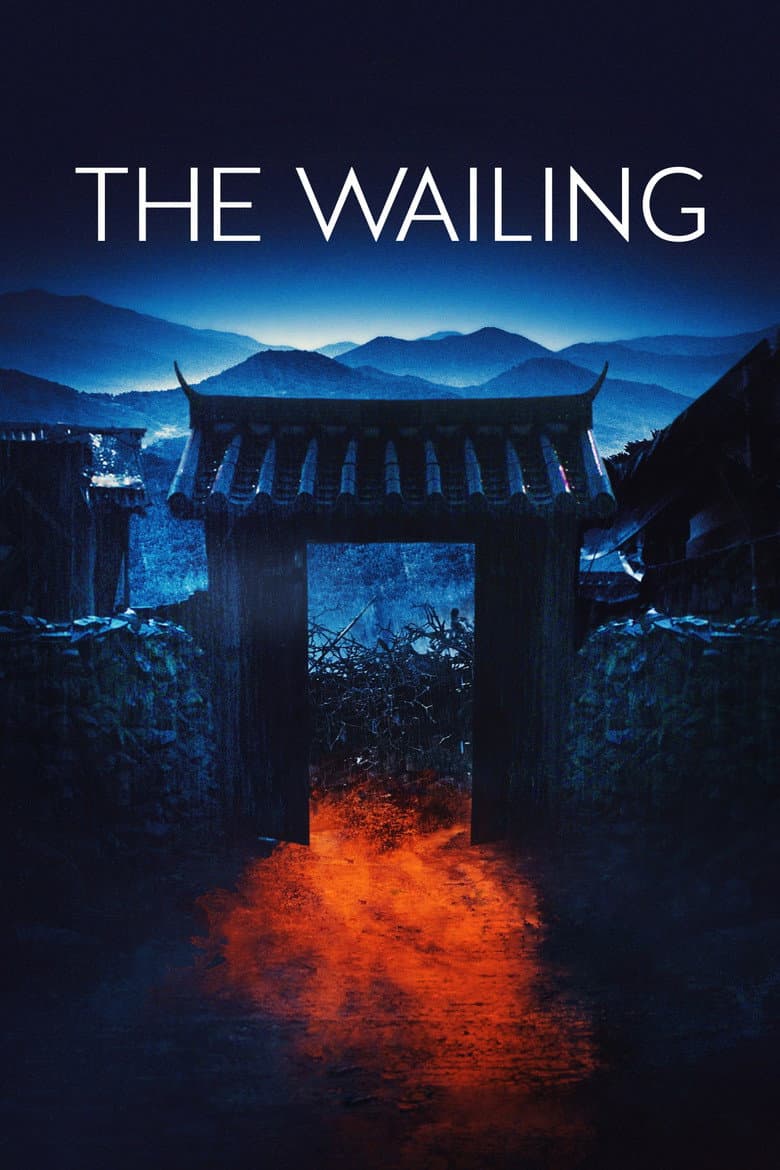
Movie · 2016
A stranger arrives in a little village and soon after a mysterious sickness starts spreading. A policeman is drawn into the incident and is forced to solve the mystery in order to…
Movie · 2021
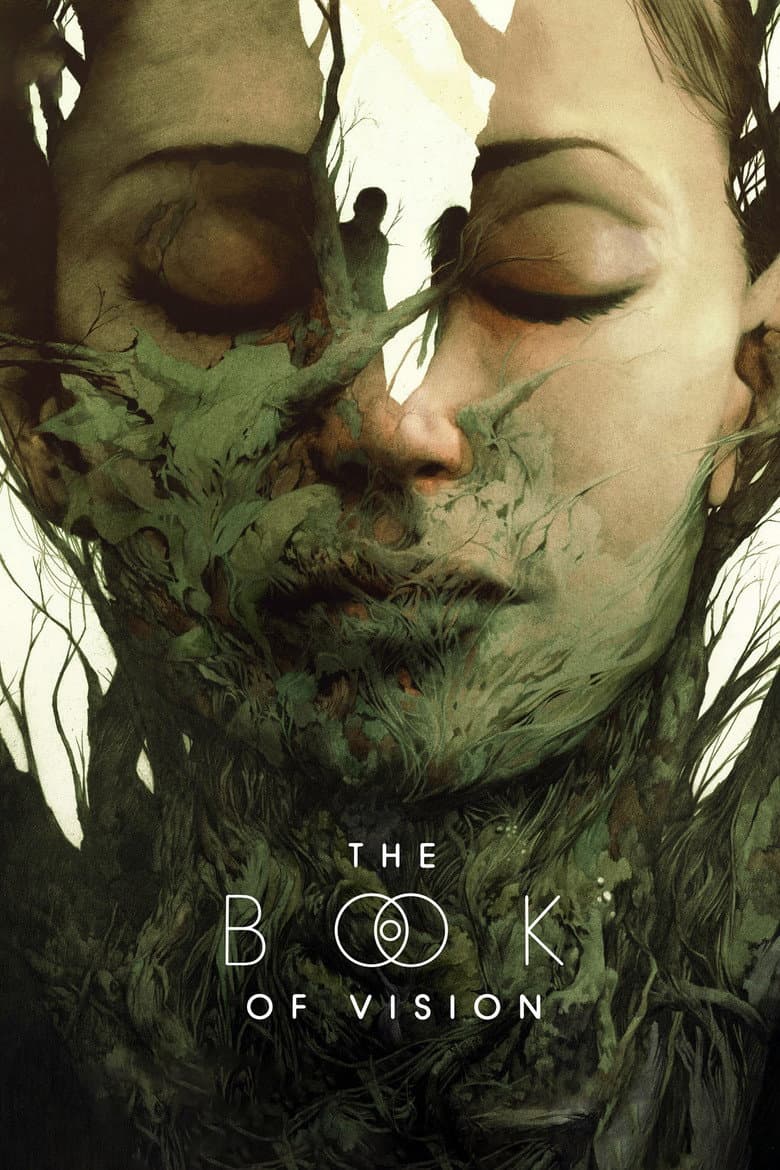
Eva, a mysterious doctor, searches for an answer to her urgent dilemma as she unravels Dr. Anmuth's Book of Vision.
