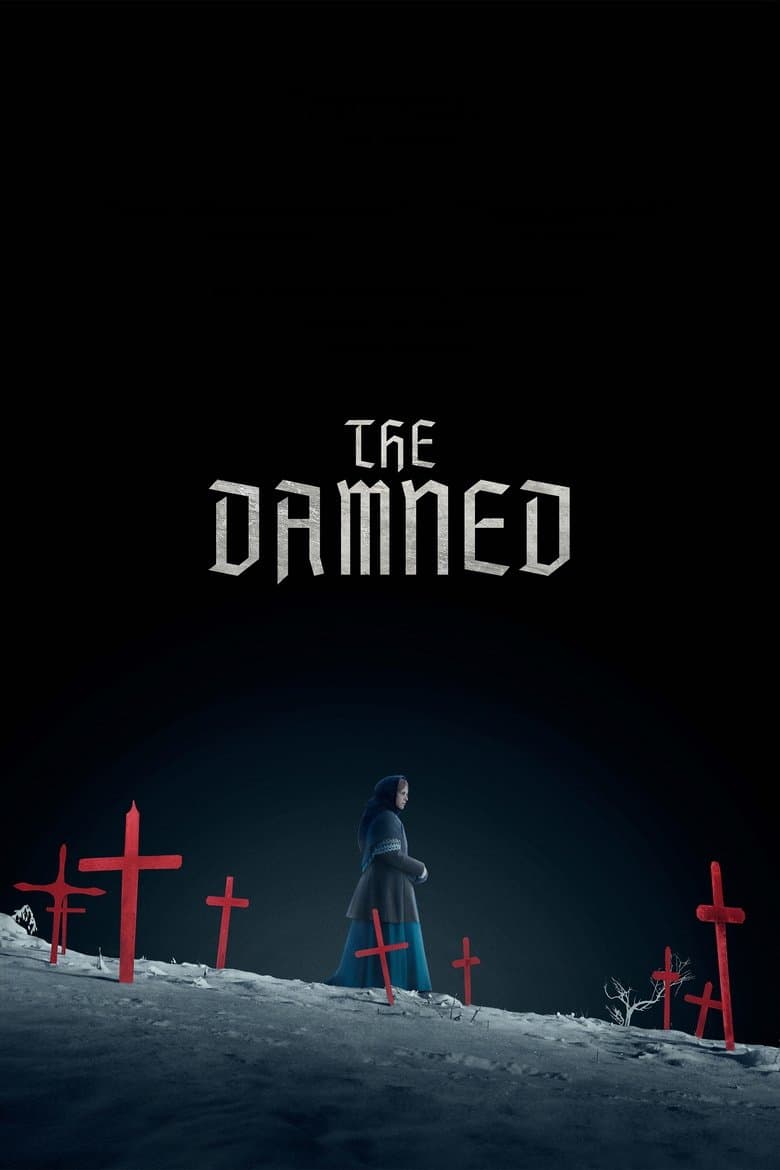
Eva is a young widow who runs a small fishing station in 19th-century Iceland. A cruel winter leaves her crew short of food and trapped by snow, ice, and rough seas. When a foreign ship sinks nearby, Eva must decide whether to risk her people's lives to rescue strangers. After the crew leaves the sailors to die and takes supplies from the wreck, guilt, fear, and strange deaths spread through the outpost. The film uses a cold, quiet, slow-burning folk-horror tone.
The clearest audience-visible identity element is Eva's authority as a woman who owns the station and leads several men. The story makes her the key decision-maker, and the men must live with the choice she makes. The plot also asks whether a desperate community should save foreign sailors or protect its own group. That question can suggest a mild modern fear-of-the-other message, but the film presents it mainly through hunger, survival, folklore, and guilt rather than current political slogans.
Community feedback
Was our 19% Woke rating accurate?
Breakdown
These are the editorial factors and ratings behind our score for The Damned.
Woke representation / casting
Eva is the only woman in the fishing crew, and she owns the station after her husband dies. The film gives her the main authority and makes her the person who decides whether the men will rescue the shipwrecked sailors. Her role is explained by her inheritance, and the film does not present her as a diversity statement. This is a mild female-leader signal in a male-dominated period setting.
16%
Woke political dialogue
Not present. The characters discuss survival, hunger, guilt, and folklore instead of modern political ideas or activist causes.
0%
Identity-driven story themes
The film makes the crew's choice about foreign shipwrecked sailors its main moral problem. The story asks whether people should protect their own group or risk everything for outsiders. Eva and the men carry guilt after they let the sailors die, and the horror grows from that choice. This gives the film a mild fear-of-the-other and identity-driven reading, but it does not name a current race, gender, or political movement.
24%
Western institutional / cultural critique
Not present. The film does not make a modern activist critique of Western institutions, masculinity, family, faith, or capitalism. Its conflict comes from starvation, fear, and supernatural folklore.
0%
Woke character or canon changes
Not relevant. The film is an original story by Thordur Palsson with a screenplay by Jamie Hannigan. It does not change an established character, canon, or real historical person.
0%
Anti-woke backlash and complaints
Not present. No anti-woke reaction was found on X or in the reviewed coverage. Public complaints focused on the slow pace, ending, scares, and story clarity.
0%
Creator track record context
Thordur Palsson and Jamie Hannigan have no high-confidence public pattern of activist or DEI work. Most producers also have no clear political pattern. A few producers have backed women-led projects, a black mother-daughter drama, housing inequality work, or more diverse storytellers. Those credits give mild context, but they are not tied to this film's story or marketing.
14%
Production

Movie · 2016
A young, lonely woman is consumed by her deepest and darkest desires after tragedy strikes her quiet country life.

Movie · 2020
When a father is forced to abruptly depart for work, he leaves his children, Aidan and Mia, at their holiday home in the care of his new girlfriend, Grace.
Movie · 2023
On the day of his scheduled execution, a convicted serial killer gets a psychiatric evaluation during which he claims he is a demon, and further claims that before their time is…
Movie · 2018
The crew of a horror web series travels to an abandoned asylum for a live broadcast, but they encounter much more than expected as they move deeper inside the nightmarish old…
Movie · 2026
The host of a popular paranormal podcast becomes haunted by terrifying recordings mysteriously sent her way.
Movie · 2017
Dr. Steven Murphy is a renowned cardiovascular surgeon who presides over a spotless household with his wife and two children.
Movie · 2024
After the brutal murder of her twin sister, Darcy goes after those responsible by using haunted items as her tools for revenge.

Movie · 2023
Between the events of 'Saw' and 'Saw II', a sick and desperate John Kramer travels to Mexico for a risky and experimental medical procedure in hopes of a miracle cure for his…
