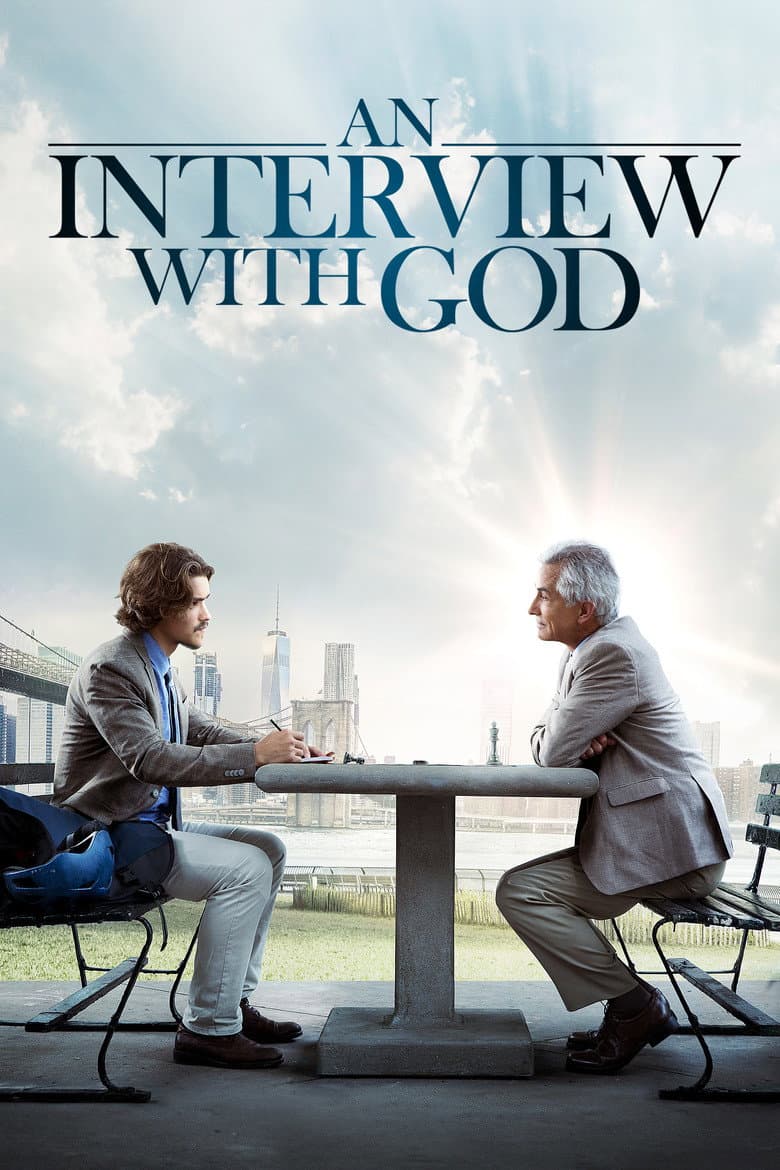
Paul Asher is a young New York journalist who has returned from covering the war in Afghanistan. His marriage is breaking down, and his friend Matt is struggling with war trauma. Paul meets a quiet man who says he is God and receives three half-hour interviews. The calm talks become tense as Paul asks about evil, death, faith, and his own pain.
The film follows Paul’s loss of faith and his fear that God ignored his prayers. The man turns the questions back on Paul and makes him face his guilt, his wife’s affair, and his plan to end his life. The story discusses salvation, sin, free will, Jesus, prayer, and why bad things happen to good people. The ending treats human care, hope, forgiveness, and trust in God as the path through Paul’s crisis.
Community feedback
Was our 3% Woke rating accurate?
Breakdown
These are the editorial factors and ratings behind our score for An Interview with God.
Woke representation / casting
Not present. The film uses a small cast of ordinary story roles, including a male reporter, a male figure claiming to be God, his wife, and a black editor. The film does not frame these choices as a diversity message.
0%
Woke political dialogue
Not present. Paul and the man discuss faith, salvation, sin, free will, death, and why suffering happens. Their lines do not push modern DEI, gender, race, queer, or activist ideas.
0%
Identity-driven story themes
Not present. The main conflict follows a journalist's crisis of faith, marriage breakdown, war trauma, and fear of death. The story turns toward prayer, forgiveness, hope, and care for others. It does not build its plot around identity politics or representation.
0%
Western institutional / cultural critique
Not present. The film questions Paul's view of prayer and religious rules, but it does not attack Christianity or Western institutions. Its main answer is faith, human care, hope, and forgiveness.
0%
Woke character or canon changes
Not relevant. The film tells an original story about a man who claims to be God. It does not alter a known character's race, gender, sexuality, or hero role.
0%
Anti-woke backlash and complaints
Not present. Reviews and audience posts focus on theology, faith, story quality, and the ending. They do not accuse the film of pushing woke, DEI, identity politics, or left-wing ideas.
0%
Creator track record context
The available creator profiles give Perry Lang and Ken Aguado scores of 0. The producers score from 0 to 18, and the casting and script teams carry small signals tied to female-led groups and Caribbean or black American culture. The title interviews focus on faith, doubt, wonder, and film craft. This background adds a small creator track record context signal.
13%
Production
Movie · 2021
Eva, a mysterious doctor, searches for an answer to her urgent dilemma as she unravels Dr. Anmuth's Book of Vision.
Movie · 2018
A filmmaker discovers a box of video tapes depicting two students' disturbing film project featuring a local horror legend, The Peeping Tom.
Movie · 2018
Over the course of 12 years, and three stages of life, Sidney Hall falls in love, writes the book of a generation and then disappears without a trace.
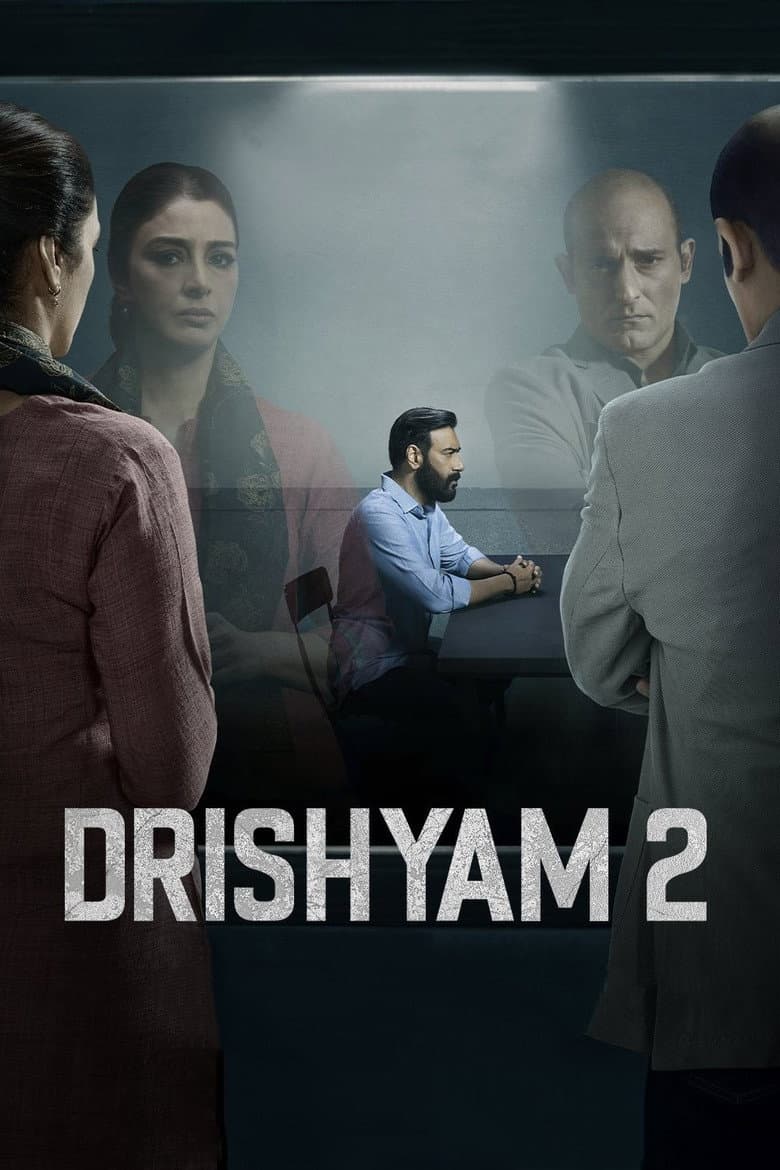
Movie · 2022
7 years after the case related to Vijay Salgaonkar and his family was closed, a series of unexpected events bring truth to light that threatens to change everything for the…
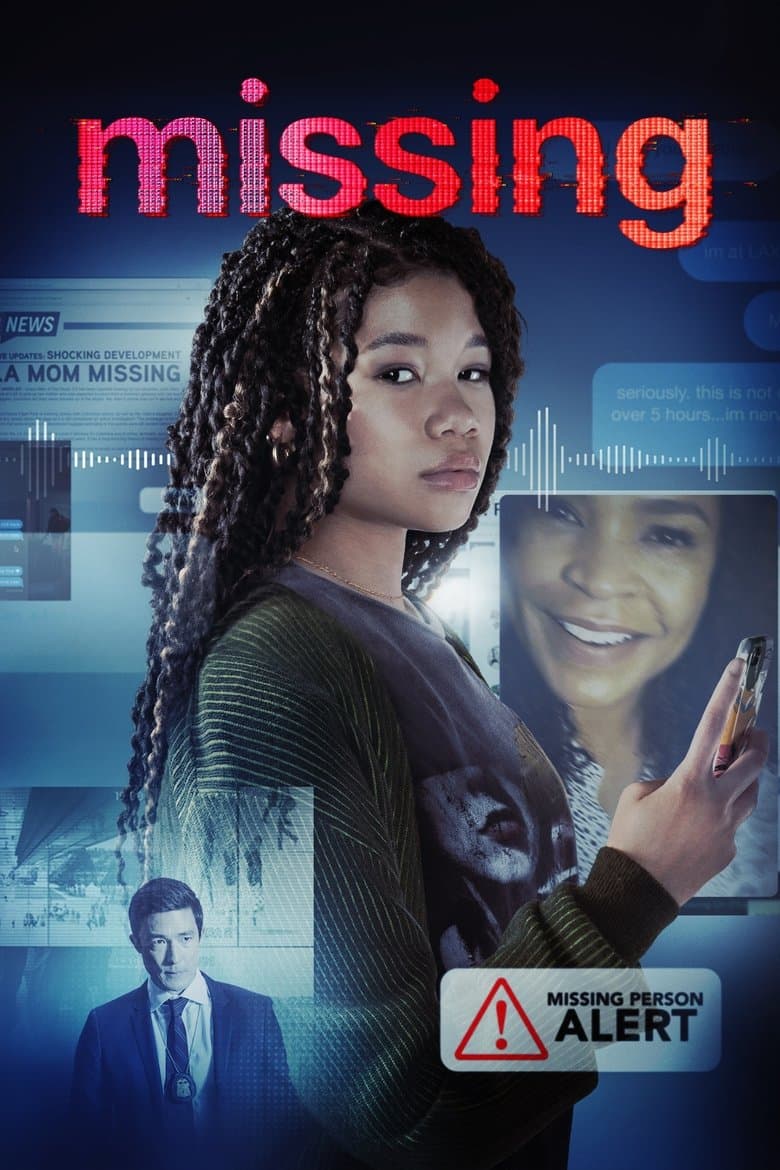
Movie · 2023
When her mother disappears while on vacation in Colombia with her new boyfriend, June’s search for answers is hindered by international red tape.

Movie · 2026
Through unlikely bonds formed during night shifts at a local aquarium, Tova, an elderly widow, learns of a life-changing discovery that may bring her joy and wonder once again.
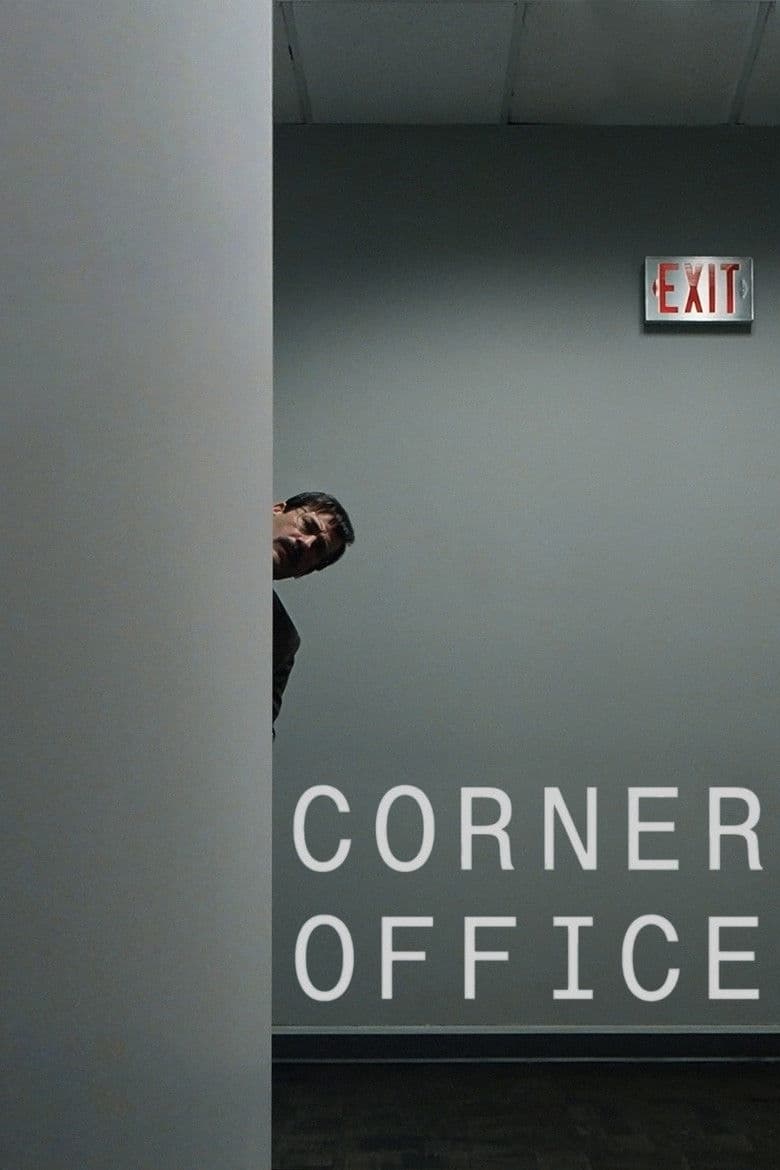
Movie · 2023
In this office satire, Orson, a straight-laced employee, retreats to a blissfully empty corner office to get away from his lackluster colleagues.
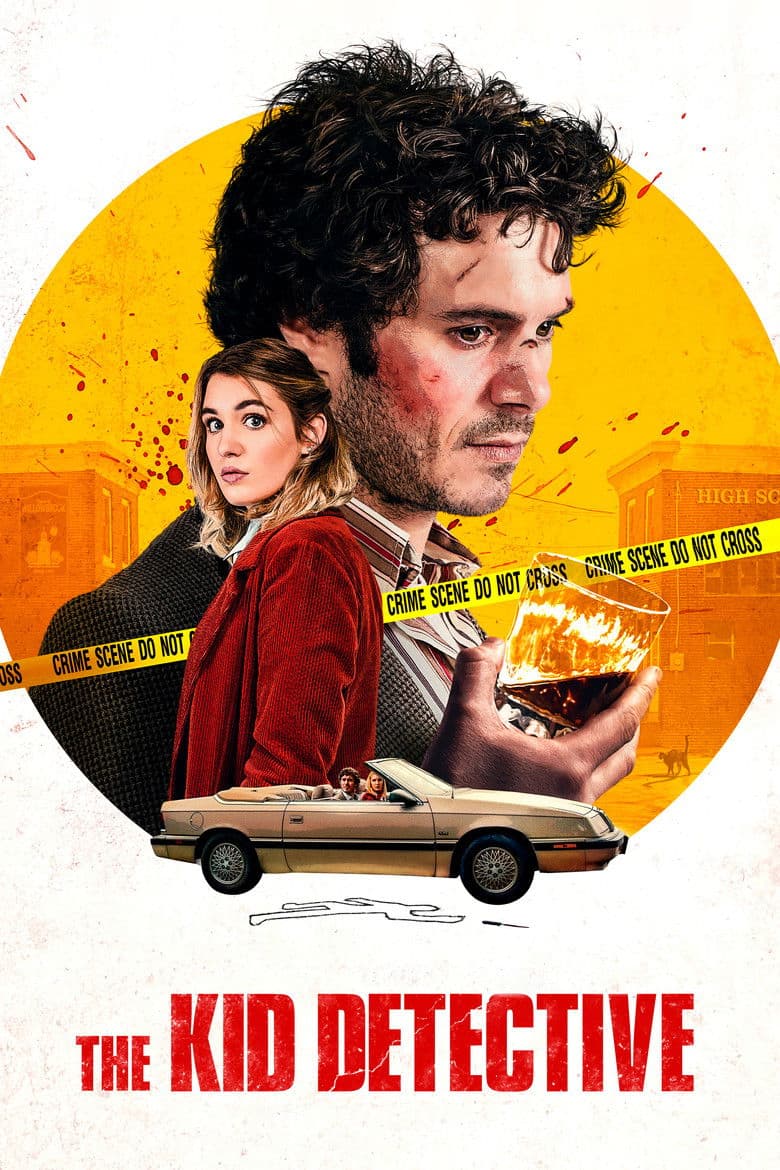
Movie · 2020
A once-celebrated kid detective, now 31, continues to solve the same trivial mysteries between hangovers and bouts of self-pity.
