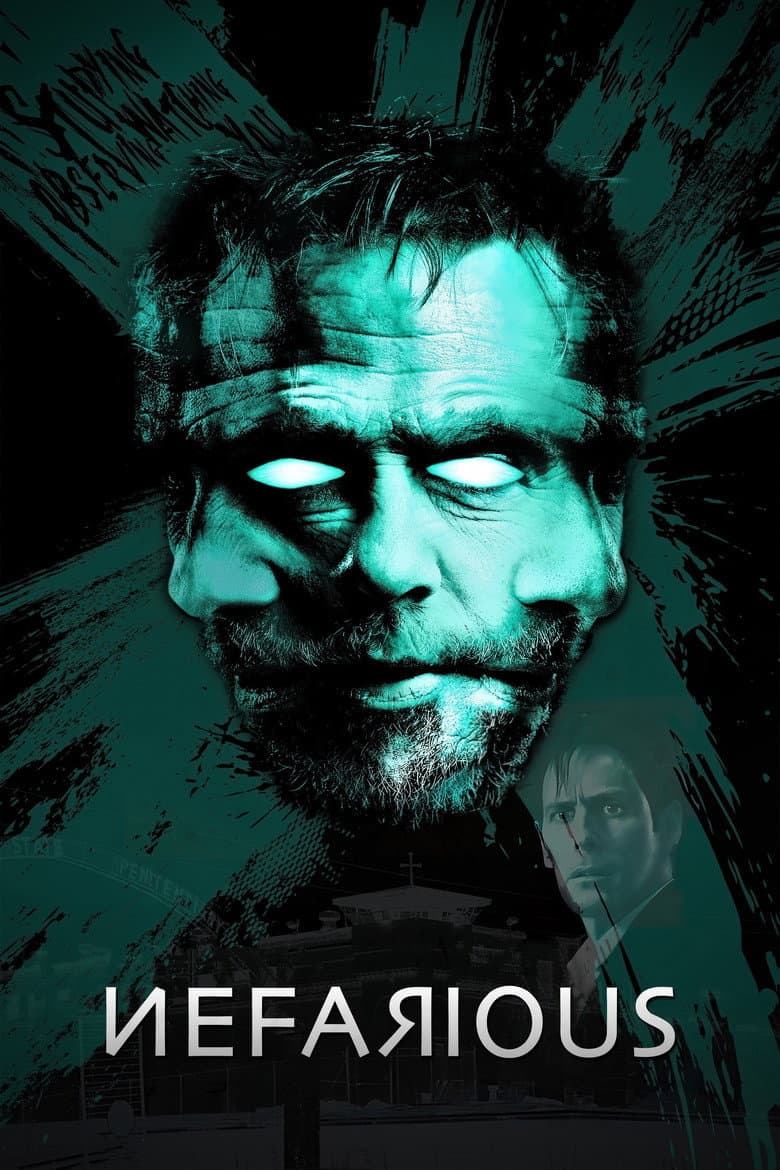
Nefarious follows Dr. James Martin, a psychiatrist sent to an Oklahoma prison on the day of a killer’s execution. He must decide whether Edward Wayne Brady is mentally fit to die or is pretending to be possessed. Brady says he is a demon named Nefarious and predicts that James will cause three deaths before the day ends. The story stays mostly in the prison interview room, and its mood is tense, grim, and focused on fear, guilt, and the battle between good and evil.
The film includes one short debate about diversity, gay marriage, and hate-speech laws as signs of moral progress. The demon mocks that view and presents modern freedom and personal choice as tools that can help evil. The larger argument attacks atheism and treats abortion and assisted suicide as serious moral wrongs. The ending centers on prayer, sin, Hell, and the reality of God rather than identity politics.
Community feedback
Was our 8% Woke rating accurate?
Breakdown
These are the editorial factors and ratings behind our score for Nefarious.
Woke representation / casting
Not present. The central roles are the psychiatrist, the prisoner, and prison staff. The film does not frame casting as a diversity or identity statement.
0%
Woke political dialogue
The psychiatrist cites diversity, gay marriage, and hate-speech laws as signs that society is improving. The demon laughs at that view and says modern freedom can help evil. This short exchange sits inside a longer debate about God, abortion, assisted suicide, and death.
15%
Identity-driven story themes
Not present. The main story follows spiritual guilt, demonic possession, and a struggle between belief and doubt. Identity politics does not shape the characters’ goals or the ending.
0%
Western institutional / cultural critique
Not present. The film attacks secular beliefs and modern moral choices from a Christian viewpoint. It does not center a modern activist critique of Western institutions or traditional social roles.
0%
Woke character or canon changes
Not relevant. The movie adapts an original novel about Edward Brady and Dr. James Martin. It does not recast a famous character or change a real historical figure for an identity message.
0%
Anti-woke backlash and complaints
Not present. Public criticism focused on the film as Christian or conservative propaganda, not on the film pushing woke or DEI politics. The X research pass found no boycott, review bomb, or specific anti-woke complaint.
0%
Creator track record context
Not present. Stored creator notes describe the listed writers, casting director, and producers as faith-oriented, pro-life, or without high-confidence DEI activism. Title-related interviews frame the film around Christian belief and moral choice.
0%
Production
Movie · 2022
In the wake of a young Jewish girl’s disappearance, the son of a Hasidic funeral director returns home with his pregnant wife in hopes of reconciling with his father.
Movie · 2020
When an outbreak hits, Aidan barricades himself inside his apartment and starts rationing food. His complex is overrun by infected Screamers, and with the world falling apart into…

Movie · 2016
Following the outbreak of a virus that wipes out the majority of the human population, a young woman documents her family's new life in quarantine and tries to protect her…
Movie · 2018
A family is forced to live in silence while hiding from creatures that hunt by sound.
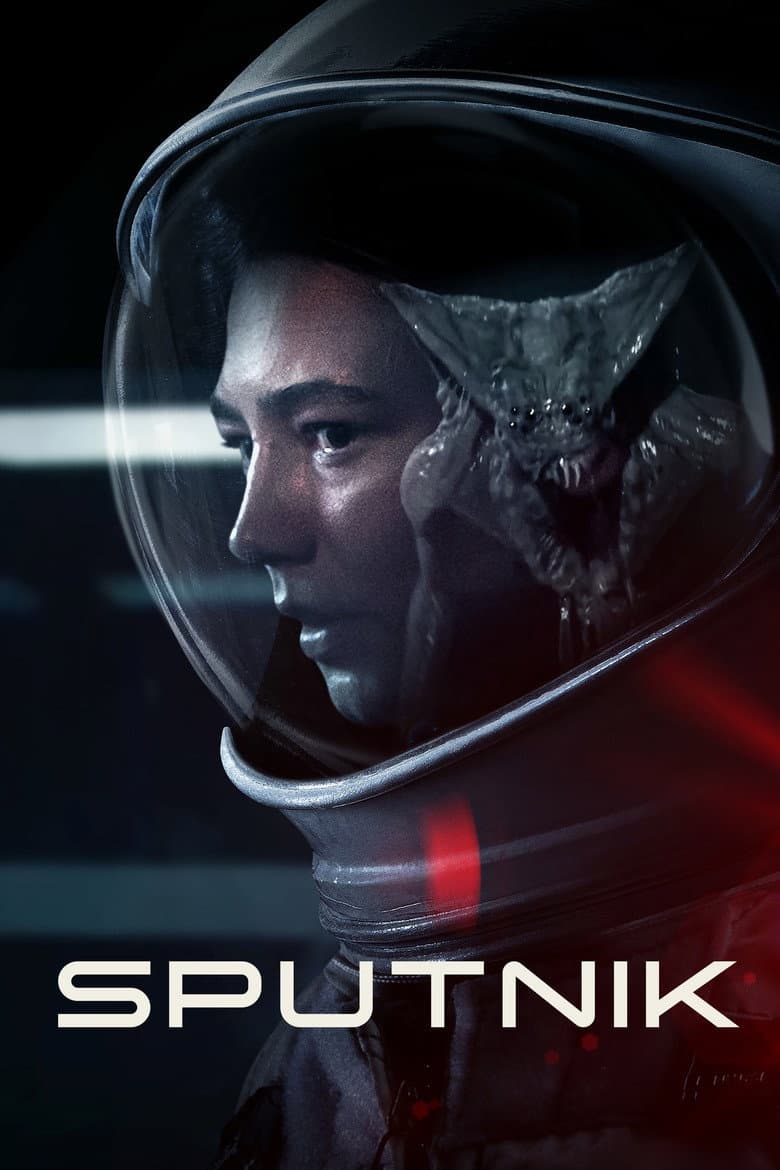
Movie · 2020
At the height of the Cold War, a Soviet spacecraft crash lands after a mission gone awry, leaving the commander as its only survivor.
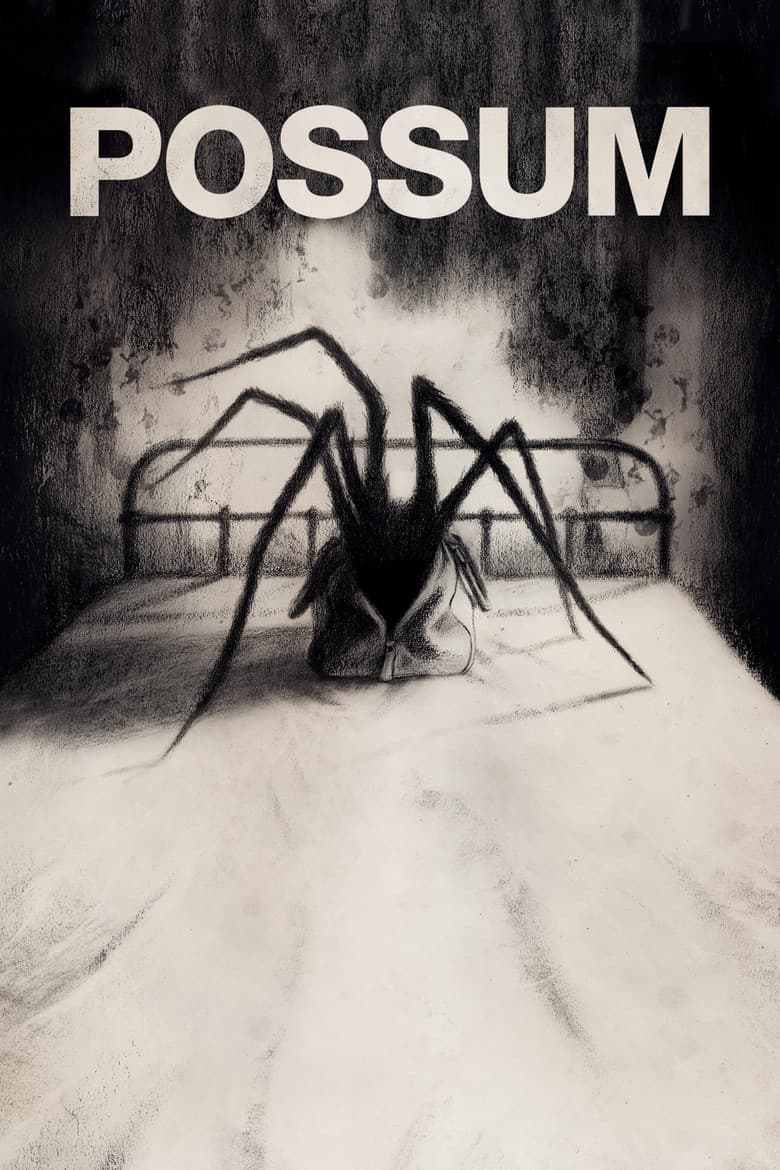
Movie · 2018
A disgraced children's puppeteer returns to his childhood home and is forced to confront his wicked stepfather and the secrets that have tortured him his entire life.
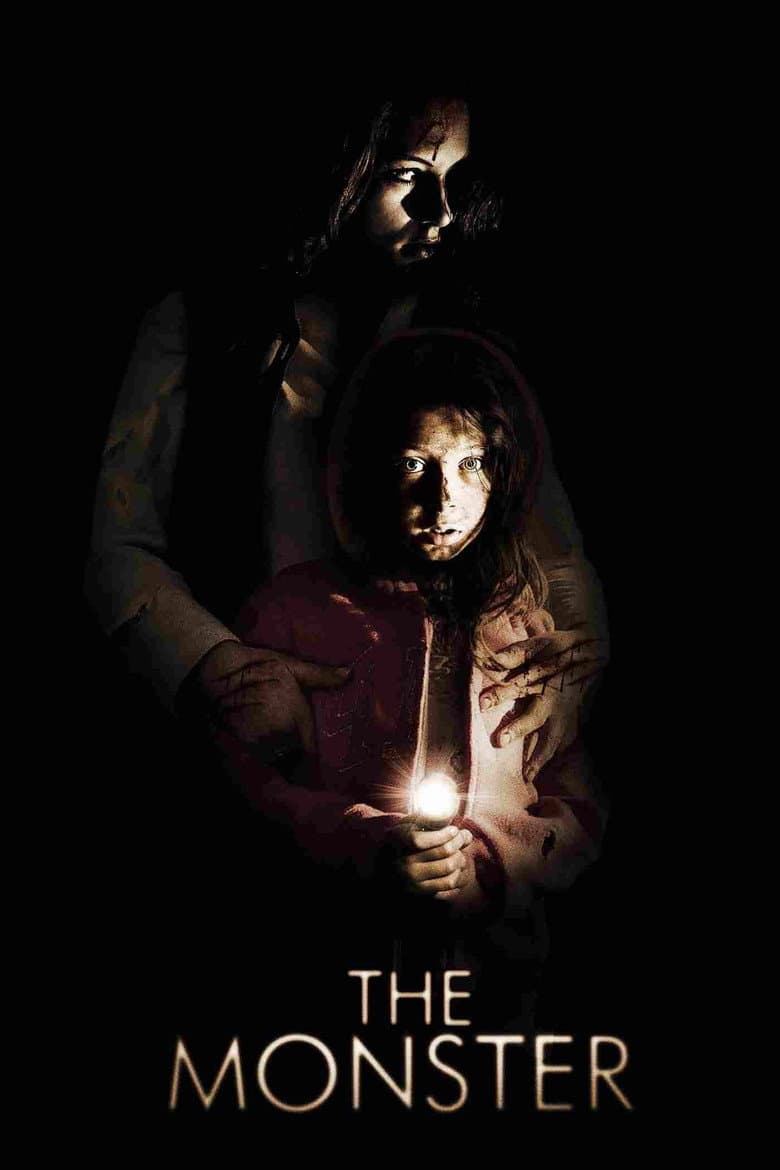
Movie · 2016
A mother and her 10-year old daughter are trapped in a forest. There is something in this forest. Something unlike anything they have heard before.
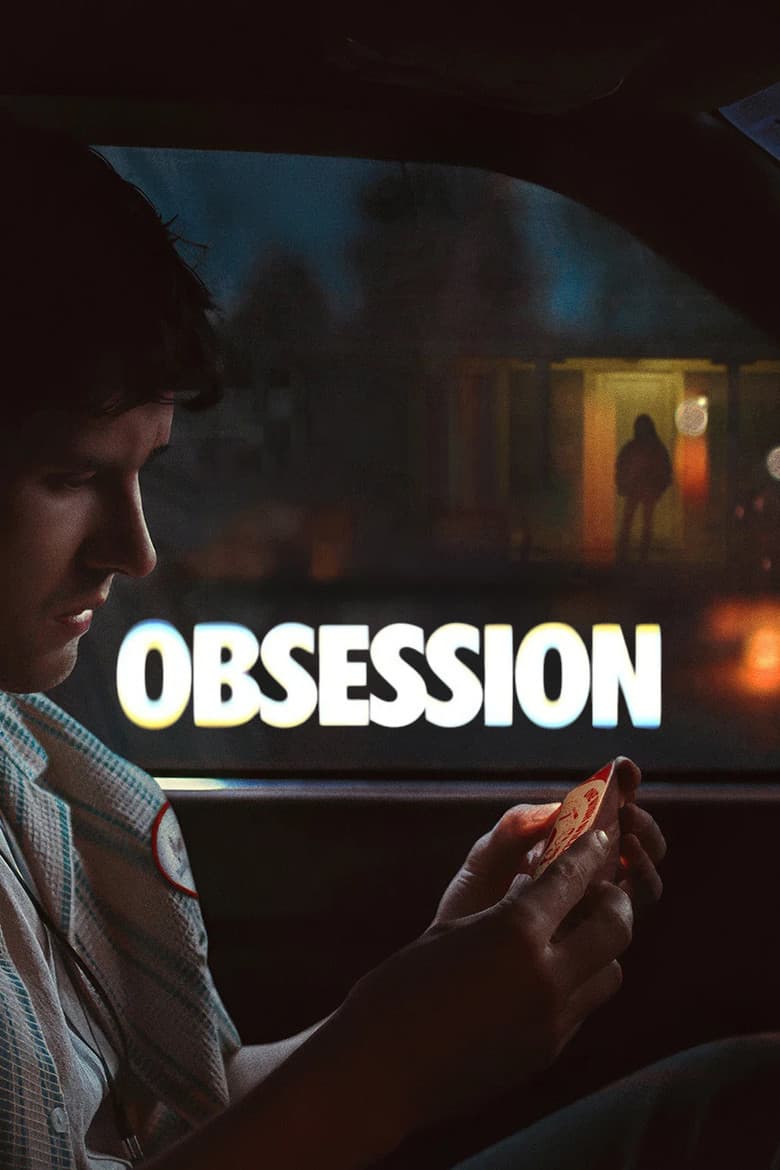
Movie · 2026
After breaking the mysterious "One Wish Willow" to win his crush's heart, a hopeless romantic finds himself getting exactly what he asked for but soon discovers that some desires…
