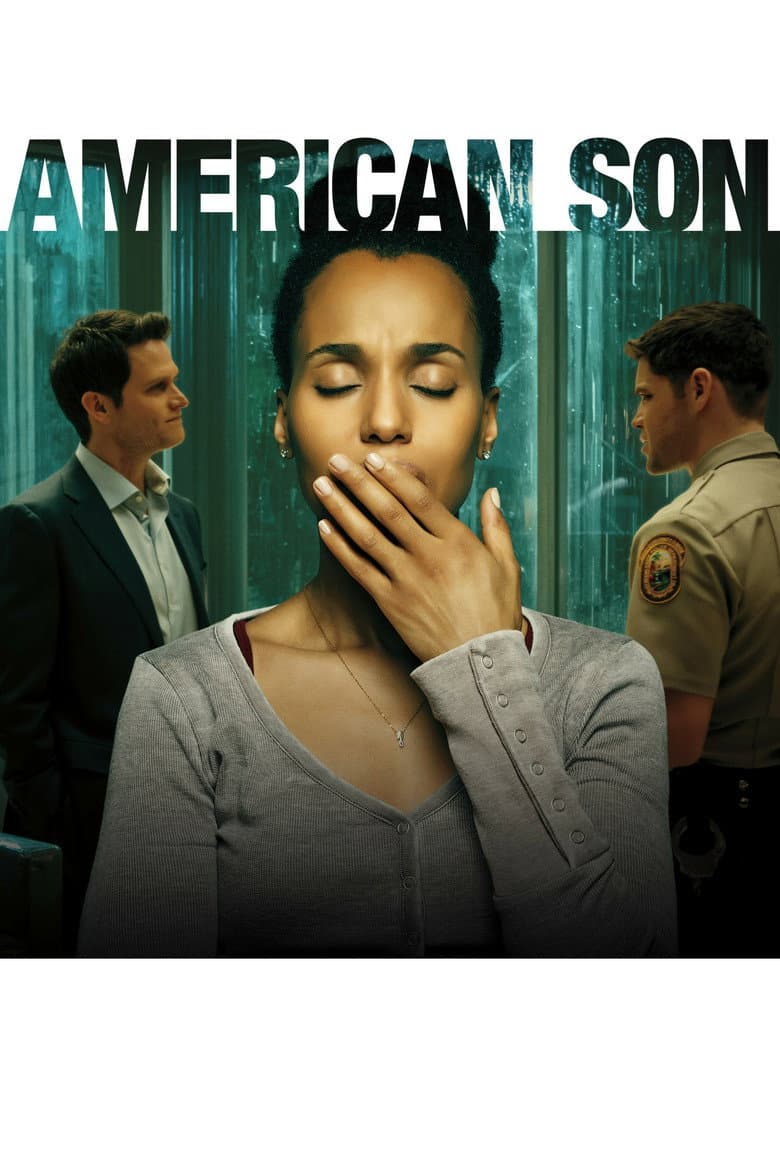
Kendra Ellis-Connor waits through a storm in a South Florida police station for news about her missing eighteen-year-old son, Jamal. Her estranged husband, Scott, arrives and tries to get answers from the officers while the couple argues about what happened. Kendra is a black psychology professor, and Scott is a white FBI agent who helped raise their mixed-race son. The film stays tense and mostly quiet as the family’s fear turns into anger, blame, and painful memories.
Race shapes almost every part of the night because the police may have stopped Jamal after seeing him with two black friends. Kendra fears that the officers see her son as a threat, while Scott believes Jamal should avoid clothes, friends, and actions that may draw police attention. Their argument covers racial profiling, Black Lives Matter, mixed-race identity, privilege, and the pressure Jamal feels at his mostly white school. The film also shows a black police lieutenant defending officers and a white rookie using insulting stereotypes, so it presents several views while keeping racial fear at the center.
Community feedback
Was our 82% Woke rating accurate?
Breakdown
These are the editorial factors and ratings behind our score for American Son.
Woke representation / casting
The central cast includes a black mother, a white father, a mixed-race son, a white rookie officer, and a black lieutenant. These choices fit the family and the modern Miami setting. The film makes the racial mix highly visible because the family’s conflict depends on it. The small cast does not look like a broad, artificial diversity showcase.
20%
Woke political dialogue
Kendra and Scott repeatedly argue about racial profiling, police shootings, Black Lives Matter, and the pressure placed on Black teenagers. Kendra names Philando Castile, Eric Garner, and Tamir Rice. Scott and the officers answer with arguments about behavior, safety, and police duty. The dialogue carries the film, so the political material is frequent and central.
66%
Identity-driven story themes
Race is the film’s main subject, not a side plot. Kendra fears that police will treat Jamal as a threat because he is black, while Scott struggles to understand how his white identity shields him from the danger his son faces. Jamal’s mixed-race identity, his mostly white school, and his wish to connect with other black teens shape the parents’ argument. The missing-person plot exists to force these race and identity conflicts into the open.
82%
Western institutional / cultural critique
The police station is shown as slow, closed, and more concerned with procedure than with a frightened mother. A rookie officer asks questions that connect Jamal to street stereotypes and calls Kendra ghetto when she becomes angry. Kendra links the building’s old segregated water fountains and past racial violence to the way the police treat her. The Black lieutenant gives a counterpoint by defending officers and warning that police are still people, so the criticism is strong but not one-sided.
58%
Woke character or canon changes
Not relevant. The film adapts a recent original Broadway play. It does not change an established character, canon, or real historical event.
0%
Anti-woke backlash and complaints
Some Reddit viewers said the film tried to make every problem about racism and felt like a race lesson. Other viewers supported its focus on police bias and Black Lives Matter. The X search found no dedicated anti-woke campaign, boycott, or review-bombing. The complaints appear scattered, so the backlash is weak.
10%
Creator track record context
Kenny Leon has a strong record of racial equity work and diverse casting. Kerry Washington and Pilar Savone have repeatedly backed stories about black lives, women, and social change. Washington also described this film as a way to examine police violence and unconscious bias. The writer has social issue themes but a less activist public record, and the other producers show mixed profiles.
60%
Production
Movie · 2024
On the brink of the Second World War, a young Norwegian man's drive to resist the Nazis sets a new course for his future – and the future of his country.
Movie · 2016
WWII American Army Medic Desmond T. Doss, who served during the Battle of Okinawa, refuses to kill people and becomes the first Conscientious Objector in American history to…
Movie · 2020
A man refuses all assistance from his daughter as he ages and, as he tries to make sense of his changing circumstances, he begins to doubt his loved ones, his own mind and even…
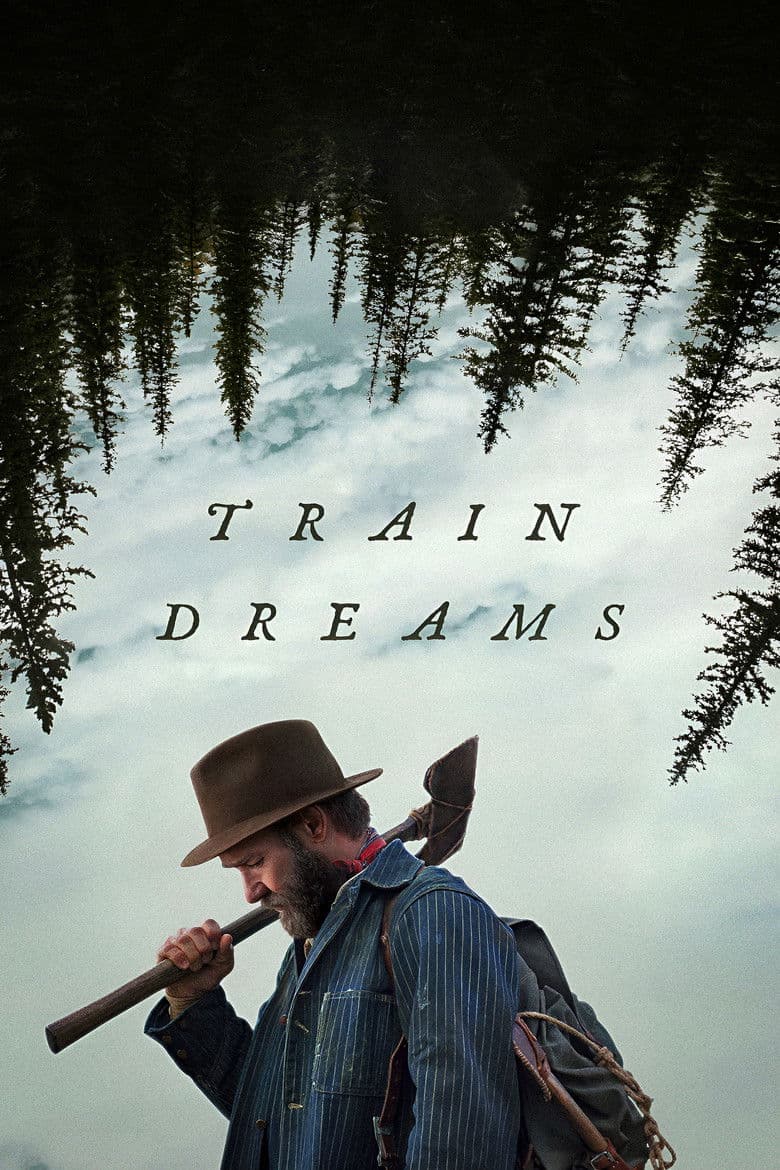
Movie · 2025
A logger leads a life of quiet grace as he experiences love and loss during an era of monumental change in early 20th-century America.
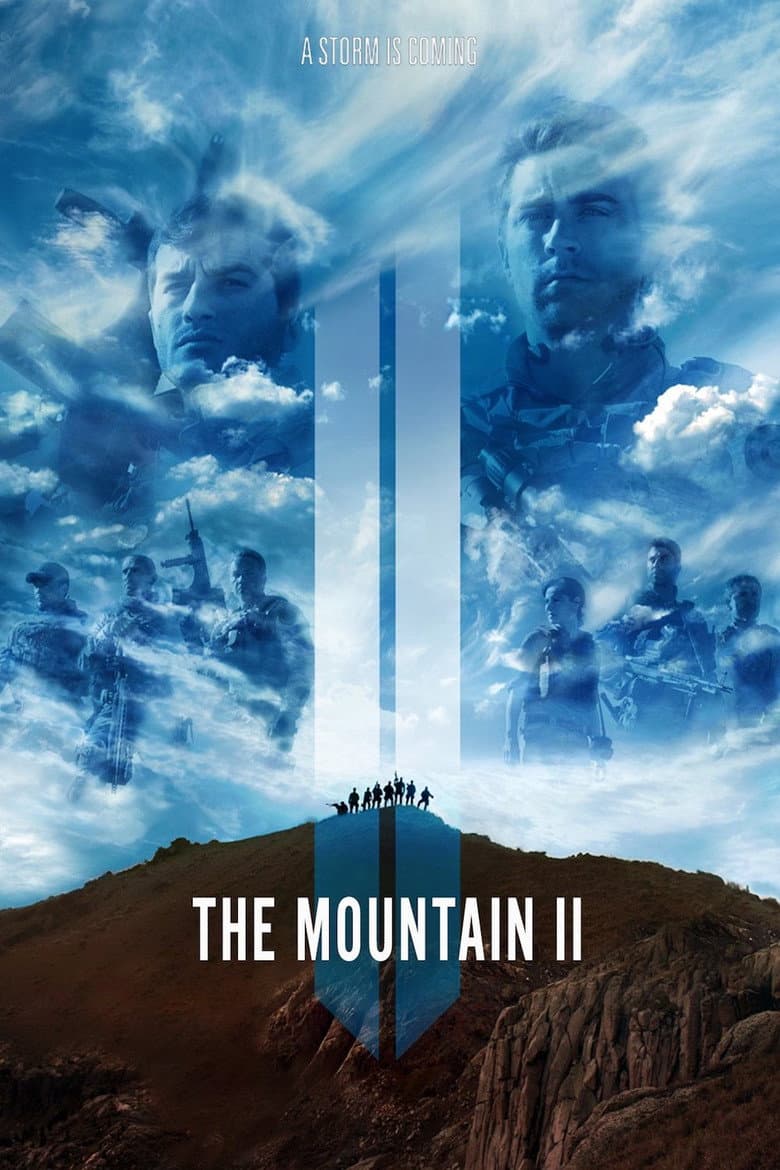
Movie · 2016
In a desolate war zone where screams of the innocent echo, on the very line between disaster and valor, 7 Maroon Berets will dance with death.
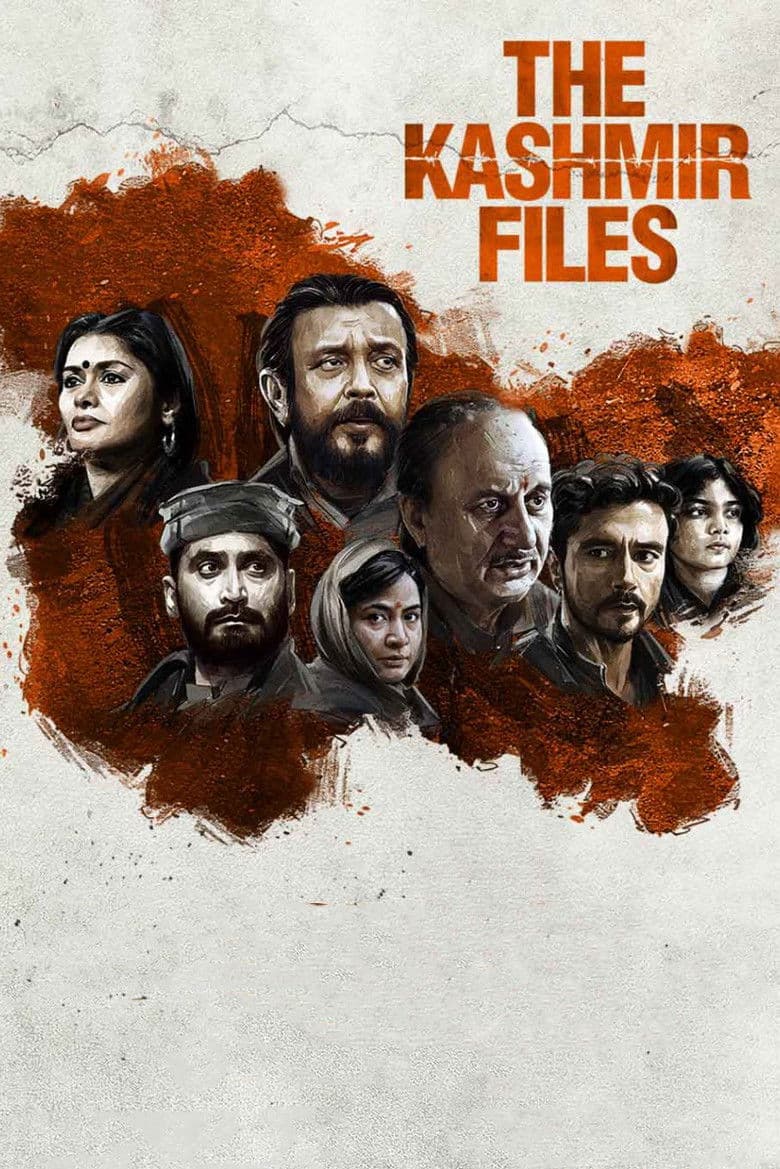
Movie · 2022
Based on a true tragedy, the emotionally triggering film sheds light on the plight of Kashmiri Pandits (Hindus), a religious minority in the 1990s Kashmir valley, who were…
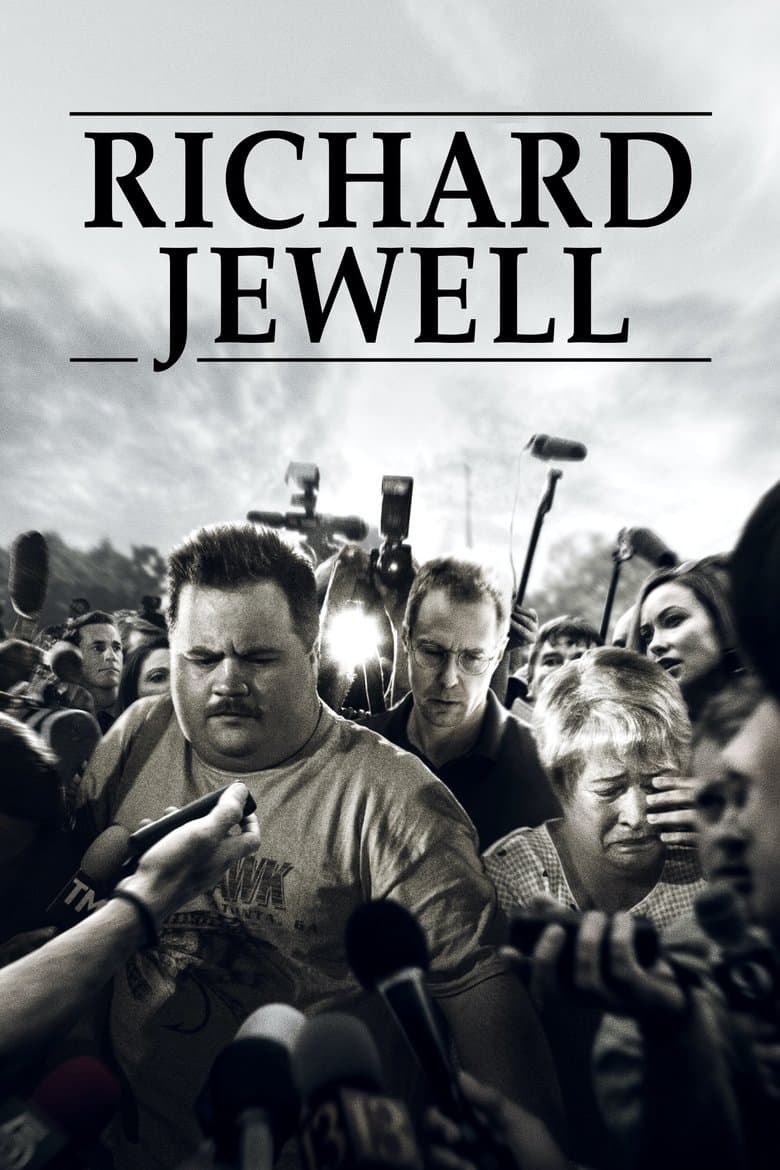
Movie · 2019
Richard Jewell thinks quick, works fast, and saves hundreds, perhaps thousands, of lives after a domestic terrorist plants several pipe bombs and they explode during a concert…
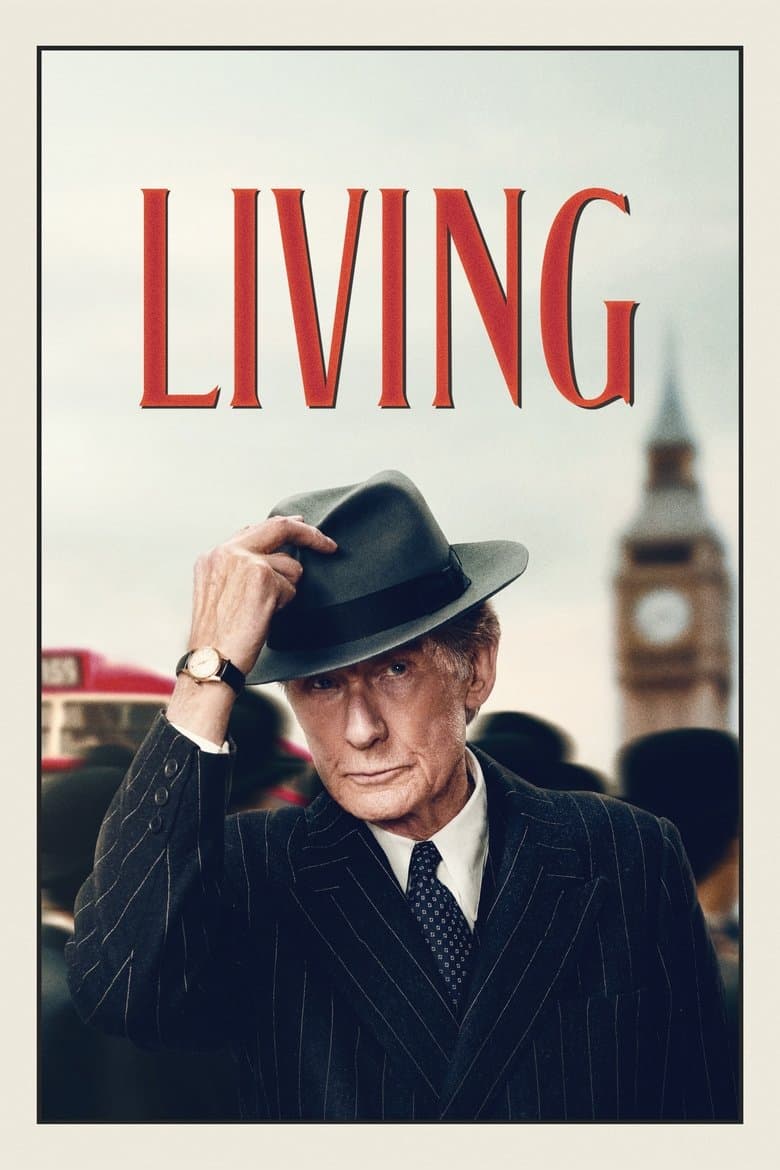
Movie · 2022
London, 1953. Mr. Williams, a veteran civil servant, is an important cog within the city's bureaucracy as it struggles to rebuild in the aftermath of World War II.
