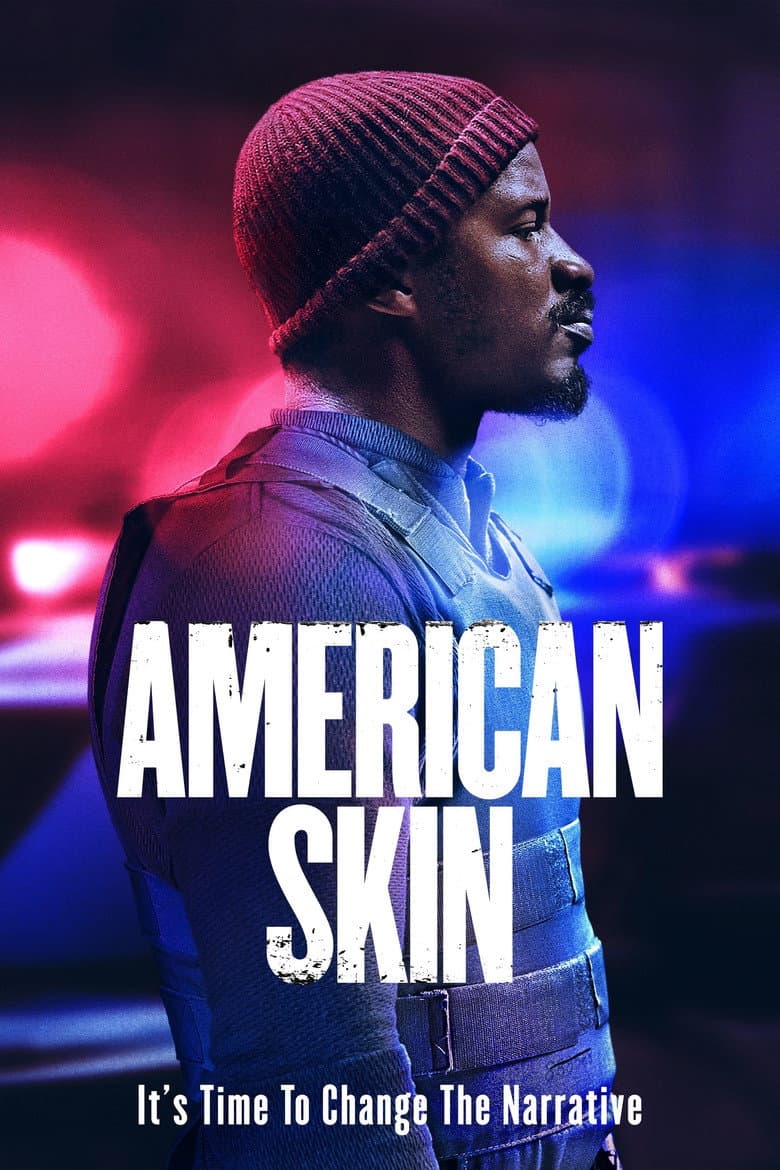
Lincoln Jefferson is a former Marine who works as a janitor at a private high school in California. He takes the job so his 14-year-old son Kajani can attend the school after Lincoln's divorce. During a traffic stop, a white police officer shoots Kajani, and a grand jury refuses to charge the officer. Lincoln then takes over a police station and holds officers and civilians while he stages his own trial. The film uses a tense and angry tone with courtroom debate, hostage danger, and grief.
Race is the main subject of the story. The film says black people face unfair treatment from police, courts, schools, and news coverage. Characters argue about slavery, racism, police bias, class, and whether the law protects everyone equally. Kajani learns about Malcolm X and the Black Panthers, while a student gives a long speech about black history and American identity. The story also presents a black father as the person who forces the police and the public to face the case.
Community feedback
Was our 89% Woke rating accurate?
Breakdown
These are the editorial factors and ratings behind our score for American Skin.
Woke representation / casting
The film puts a black father and son at the center and makes the white officer the key opposing role. A Latina woman officer also speaks about her identity, and a black captain appears in the police chain of command. These choices make race and ethnicity visible in the cast, but they fit a modern California police story. The casting signal is present but weaker than the film's race-focused dialogue and plot.
24%
Woke political dialogue
The jury scenes repeatedly debate race, police bias, slavery, the Black Panthers, and what the law means for black people. Characters say that the law was not written with people like them in mind. They also argue that white buyers profit from music made by black and Latino people and that public schools treat black and brown children like prisoners. These speeches fill a large part of the mock trial, so the factor is high.
76%
Identity-driven story themes
Lincoln's entire crisis begins when a police officer kills his unarmed Black son and avoids trial. The film makes black identity, racial profiling, slavery, historic oppression, and unequal treatment the main reasons the family loses faith in the system. The staged trial forces police and civilians to debate whether America protects Black citizens equally. The ending says news outlets may erase the son's life and label Lincoln a threat, so race and identity shape the story from start to finish.
88%
Western institutional / cultural critique
The police are shown using racial profiling, and the grand jury lets the officer return to work. The film also attacks unequal schools by contrasting wealthy private schools with poor public schools. News coverage is shown as simplifying Lincoln's death and linking him to extremism after he is killed. A few characters question total blame, but the main story treats American institutions as failing Black citizens.
78%
Woke character or canon changes
Not relevant. The film is an original story about a Marine veteran and his son. It does not change a known character or retell an established story.
0%
Anti-woke backlash and complaints
A small X account repeatedly called the film woke, woketard, and intersectional. A Reddit movie discussion called the ending a propaganda message and said the film forced its politics. Major news coverage focused on Parker's past and the film's mixed reviews, not on a large anti-woke campaign. The complaints appear real but fringe.
22%
Creator track record context
Parker is the writer, director, and lead actor, so his track record is the main creator signal. His public work includes repeated focus on white supremacy, systemic racism, black history, and resistance. The other producers mostly have commercial or non-activist records. Parker's central role keeps this factor high.
67%
Production
Movie · 2022
In the 1980s, a team of lawyers takes on the heads of Argentina's bloody military dictatorship in a battle against odds and a race against time.
Movie · 2024
After a chance encounter, headstrong Kathy is drawn to Benny, member of Midwestern motorcycle club the Vandals.
Movie · 2017
After seven months have passed without a culprit in her daughter's murder case, Mildred Hayes makes a bold move, painting three signs leading into her town with a controversial…
Movie · 1994
Imprisoned in the 1940s for the double murder of his wife and her lover, upstanding banker Andy Dufresne begins a new life at the Shawshank prison, where he puts his accounting…

Movie · 2017
A newly-released prison gangster is forced by the leaders of his gang to orchestrate a major crime with a brutal rival gang on the streets of Southern California.
Movie · 2021
Deputy Sheriff Joe "Deke" Deacon joins forces with Sgt. Jim Baxter to search for a serial killer who's terrorizing Los Angeles.
Movie · 2018
On the night she plans on taking her own life, 17-year-old 'Lisa McVey' is kidnapped and finds herself fighting to stay alive and is raped.
Movie · 2017
A traumatized veteran, unafraid of violence, tracks down missing girls for a living. When a job spins out of control, his nightmares begin to overtake him, and a conspiracy is…
