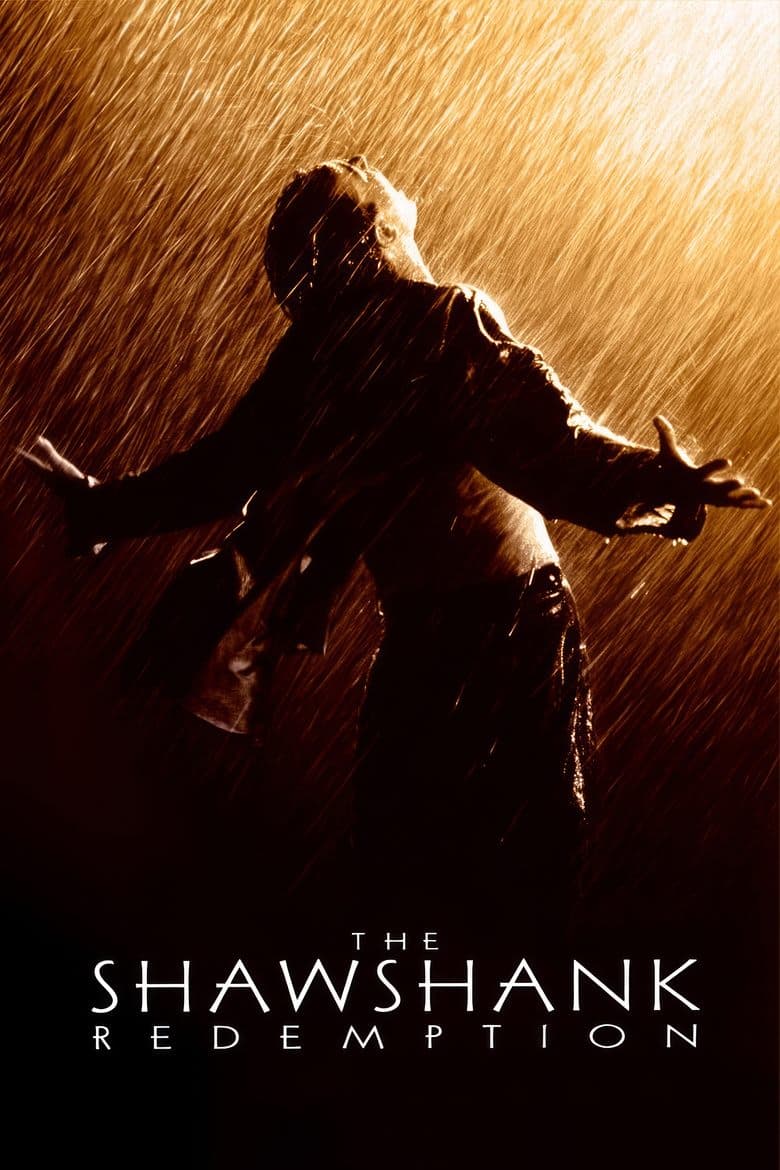
Andy Dufresne is a quiet banker who is sent to a brutal Maine prison in 1947 after being wrongfully convicted of a double murder. Inside the grey walls of Shawshank prison, he must find a way to survive the violent guards, cruel inmates, and a corrupt warden. He soon befriends an older inmate named Red, a resourceful smuggler who helps Andy adjust to the harsh realities of life behind bars. Over the course of nineteen years, Andy uses his financial skills to help the prison staff with their taxes, slowly earning small favors for his fellow prisoners. He works to build a massive library, shares cold beers with his friends, and plays beautiful music over the loudspeakers to bring a moment of peace to the yard. The movie is a slow, deeply emotional drama about the power of friendship and holding onto hope in the darkest of places. It focuses on the inner strength of the prisoners and their desire for true freedom, making it a timeless tale of human resilience.
Community feedback
Was our 5% Woke rating accurate?
Breakdown
These are the editorial factors and ratings behind our score for The Shawshank Redemption.
Woke representation / casting
The casting of Morgan Freeman as Red is an incidental choice that is completely unemphasized. The film does not draw attention to race, and the story contains no modern diversity signaling or quota-style representation. Red's character is beloved precisely because the role was given to the best actor available without any identity-driven agenda.
5%
Woke political dialogue
The dialogue is completely free of progressive slang, modern political talking points, or social-justice ideology. The characters speak in a way that fits the 1940s to 1960s prison setting. The script focuses on themes of hope, institutionalization, and survival, rather than lecturing the audience.
0%
Identity-driven story themes
There are no identity-driven plotlines or themes in the movie. The story is not about race, gender, sexuality, or systemic oppression of identity groups. It is a universal human story about friendship, inner freedom, and endurance under harsh conditions.
0%
Western institutional / cultural critique
The film does not feature any modern activist critiques of Western society, whiteness, or the patriarchy. The corruption of the prison warden and guards is portrayed as a traditional struggle against individual tyranny and abuse of power, which is appropriate to the historical 1940s setting. The film actually highlights positive Christian themes and traditional values.
0%
Woke character or canon changes
Not relevant. The change of Red from a white, red-haired Irishman in the book to a black man played by Morgan Freeman was a non-ideological casting choice. It was not driven by modern DEI quotas or activist agendas.
0%
Anti-woke backlash and complaints
There are no notable anti-woke backlash or complaints regarding this film. Audiences and critics across the political spectrum widely admire it. Conservative viewers often praise the movie's moral depth and Christian symbolism.
0%
Creator track record context
The key creators have a clean track record regarding activist agendas. Stephen King is politically vocal online but his writing does not focus on modern identity politics. Frank Darabont and the rest of the crew maintain a professional, non-political focus on storytelling and craft.
10%
Production
Movie · 2018
Earl Stone, a man in his eighties, is broke, alone, and facing foreclosure of his business when he is offered a job that simply requires him to drive.
Movie · 2021
When the aging Meyer Lansky is investigated one last time by the Feds who suspect he has stashed away millions of dollars over half a century, the retired gangster spins a…
Movie · 2018
On the night she plans on taking her own life, 17-year-old 'Lisa McVey' is kidnapped and finds herself fighting to stay alive and is raped.
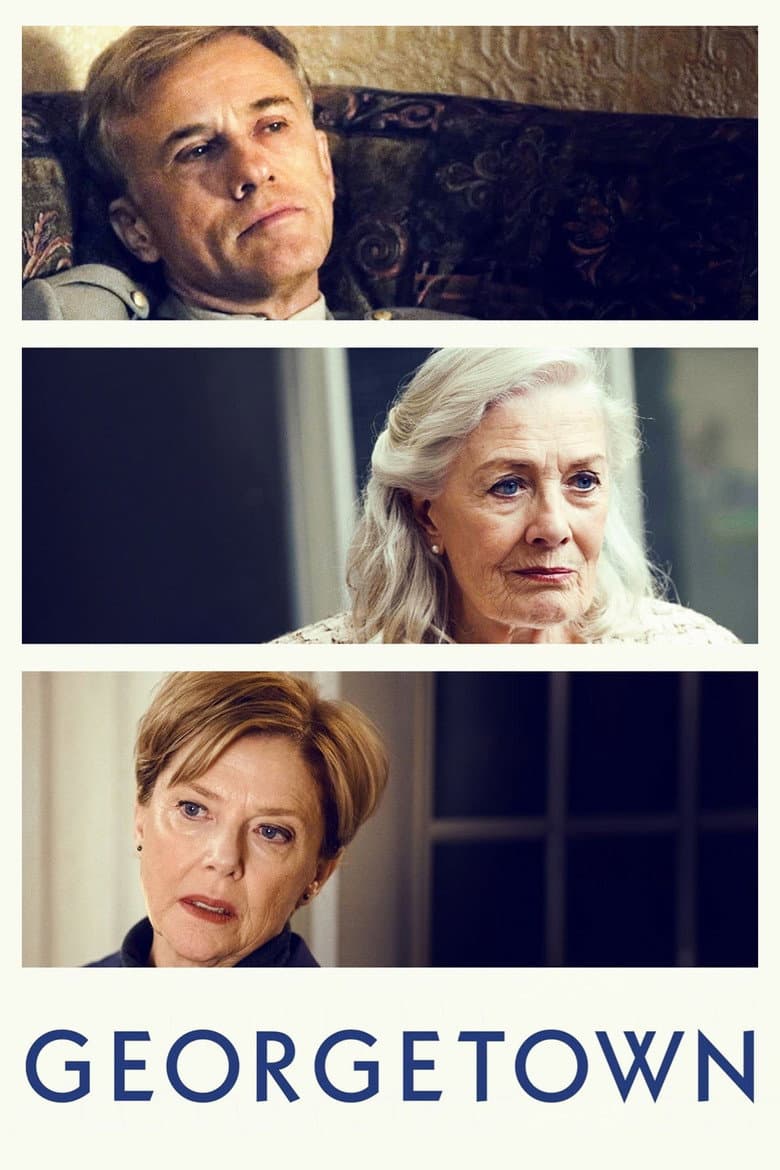
Movie · 2019
Ulrich Mott is an eccentric and versatile social climber with grandiose plans to affect United States foreign policy.
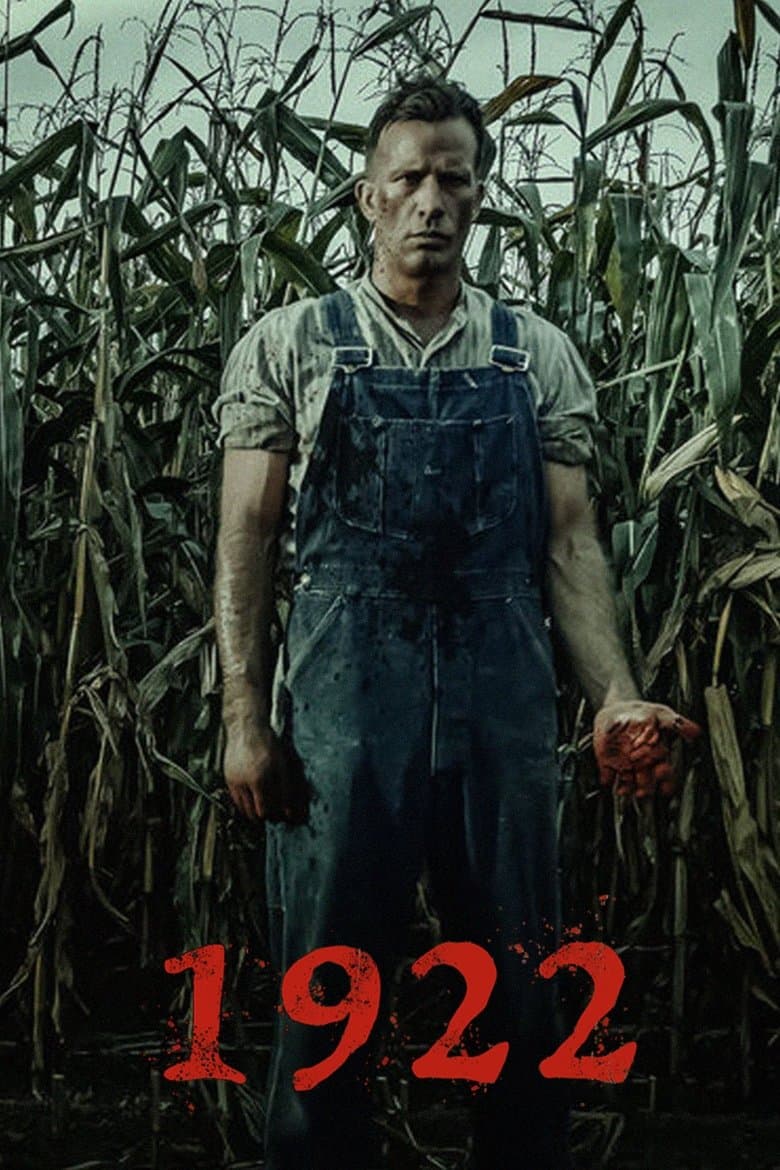
Movie · 2017
A simple yet proud rancher conspires to murder his wife for financial gain, convincing his teenage son to participate.

Movie · 2016
Alex, an immigrant from Ukraine comes to Canada and becomes involved with an online criminal organization called Darkweb.
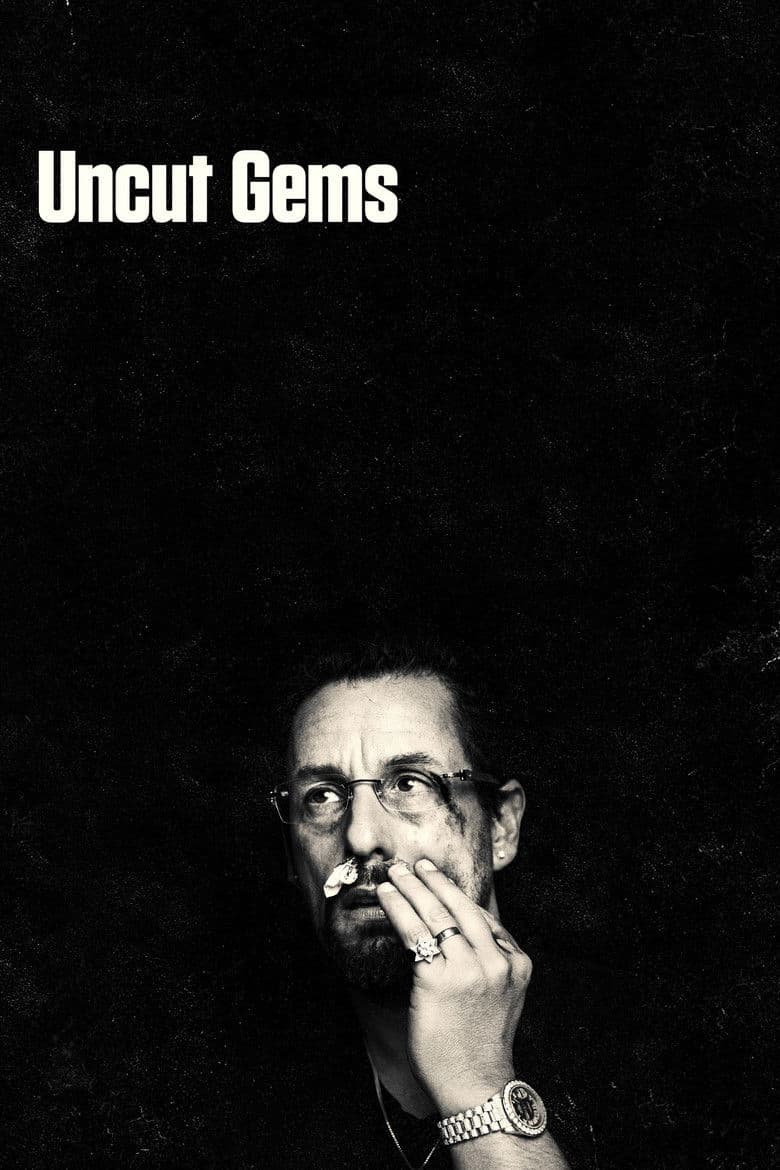
Movie · 2019
A charismatic New York City jeweler always on the lookout for the next big score makes a series of high-stakes bets that could lead to the windfall of a lifetime.
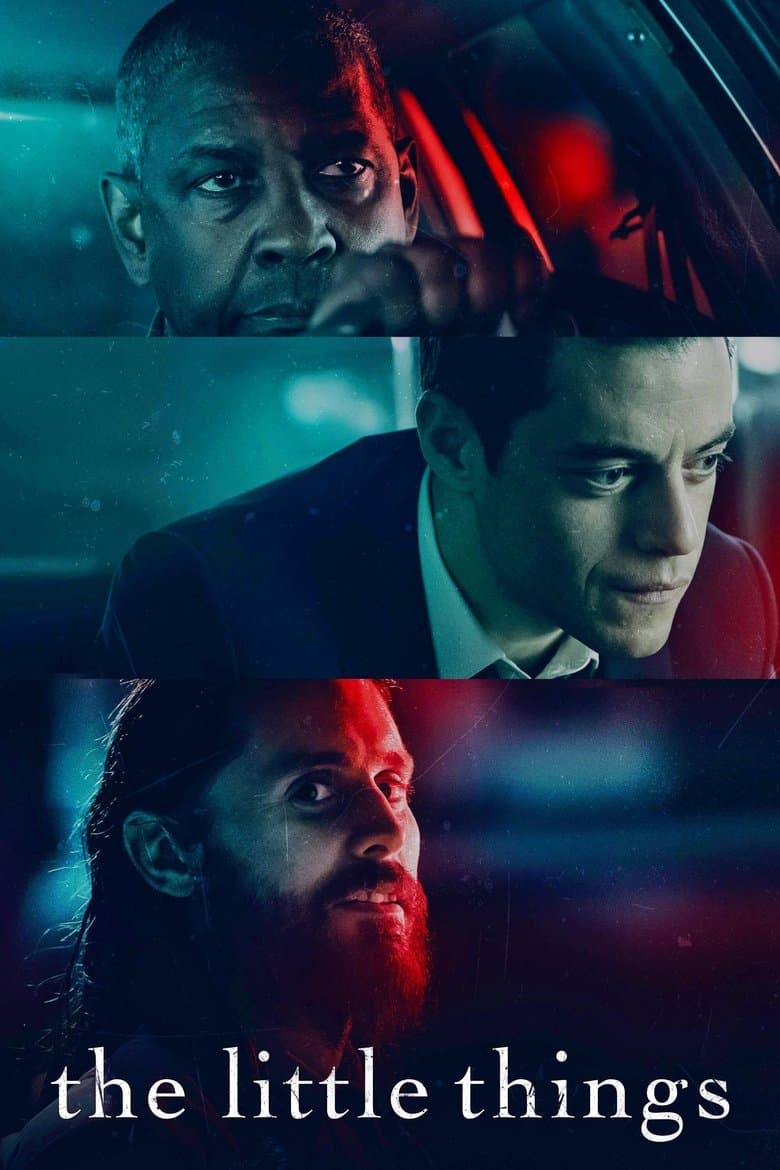
Movie · 2021
Deputy Sheriff Joe "Deke" Deacon joins forces with Sgt. Jim Baxter to search for a serial killer who's terrorizing Los Angeles.
