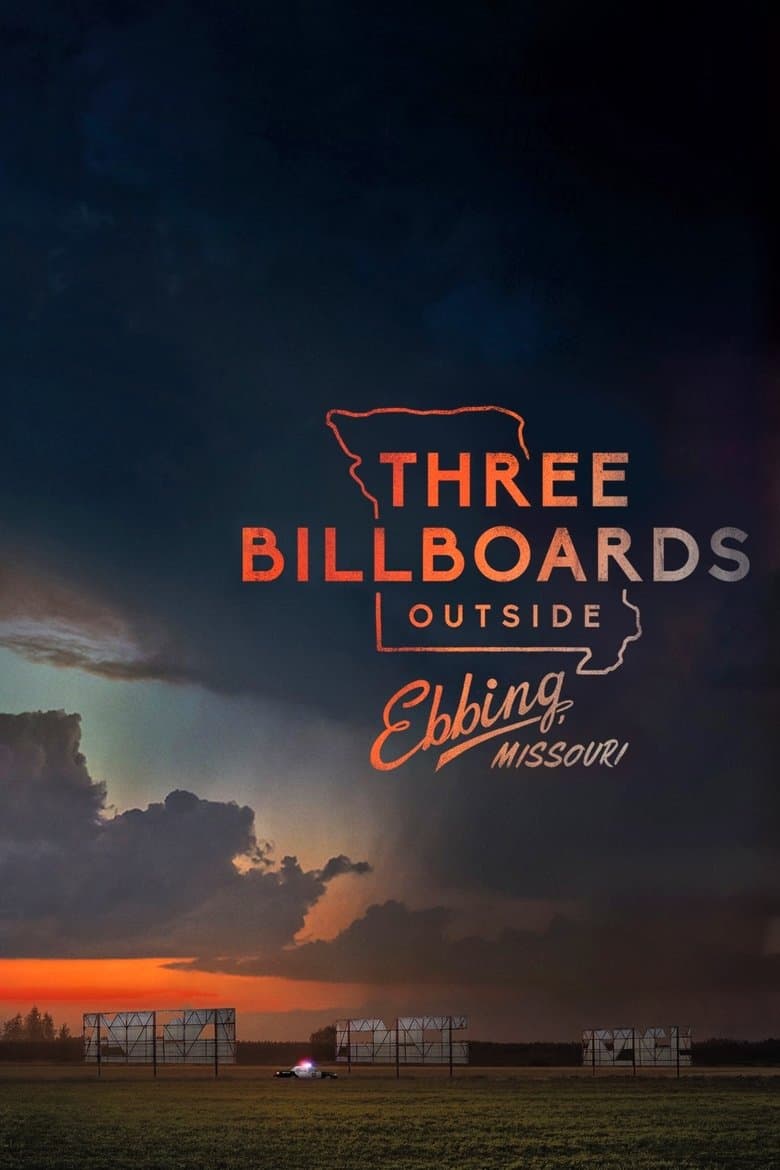
Three Billboards Outside Ebbing, Missouri is a dark drama about a mother named Mildred who challenges local police to solve her daughter's murder. She rents three billboard signs to pressure the police department. The movie shows some anti-police sentiments and attacks on the Catholic Church, which are visible to the audience. It also includes discussions of small-town racism and police misconduct.
Community feedback
Was our 27% Woke rating accurate?
Breakdown
These are the editorial factors and ratings behind our score for Three Billboards Outside Ebbing, Missouri.
Woke representation / casting
The movie uses a mostly white cast that matches its rural Missouri setting. There are a few black characters, but they play very minor roles. The casting is natural and does not feel forced by diversity quotas or modern identity-signaling priorities.
0%
Woke political dialogue
The characters frequently discuss police misconduct, racism, and abuse of power. However, these topics are handled with rough, politically incorrect humor and offensive language. The dialogue avoids modern social-justice buzzwords and preachy sermons.
20%
Identity-driven story themes
The plot centers on a mother's personal quest for justice rather than systemic identity-politics themes. The film treats characters as flawed individuals rather than symbols of oppression. It does not use modern activist frameworks to structure the narrative.
20%
Western institutional / cultural critique
The movie presents a very negative view of local law enforcement as corrupt and incompetent. The main character also harshly criticizes a Catholic priest over church scandals. While these are strong attacks on institutions, they are presented as cynical dark comedy rather than an academic social-justice critique.
30%
Woke character or canon changes
Not present in this title.
0%
Anti-woke backlash and complaints
There was no notable anti-woke backlash claiming the movie pushed progressive propaganda. Instead, almost all the controversy came from left-wing critics who felt the movie was not woke enough because it showed sympathy for a bigoted police officer.
0%
Creator track record context
Writer and director Martin McDonagh has a low woke score and is known for edgy, politically incorrect work. The creative team and producers have very neutral profiles with almost no history of social-justice activism, though the casting director has worked on high-representation projects.
20%
Production
Movie · 1994
Imprisoned in the 1940s for the double murder of his wife and her lover, upstanding banker Andy Dufresne begins a new life at the Shawshank prison, where he puts his accounting…
Movie · 2019
Pennsylvania, 1956. Frank Sheeran, a war veteran of Irish origin who works as a truck driver, accidentally meets mobster Russell Bufalino.
Movie · 2019
A chronicle of the crimes of Ted Bundy, from the perspective of his longtime girlfriend, Elizabeth Kloepfer, who refused to believe the truth about him for years.
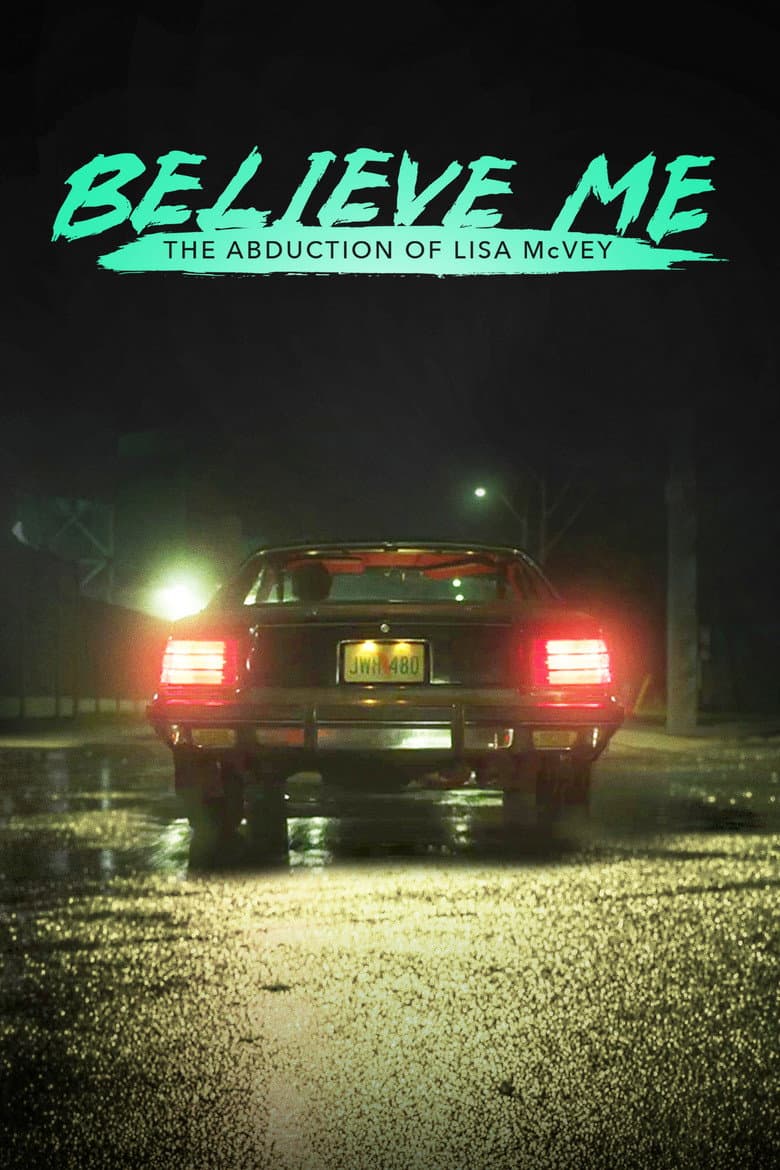
Movie · 2018
On the night she plans on taking her own life, 17-year-old 'Lisa McVey' is kidnapped and finds herself fighting to stay alive and is raped.
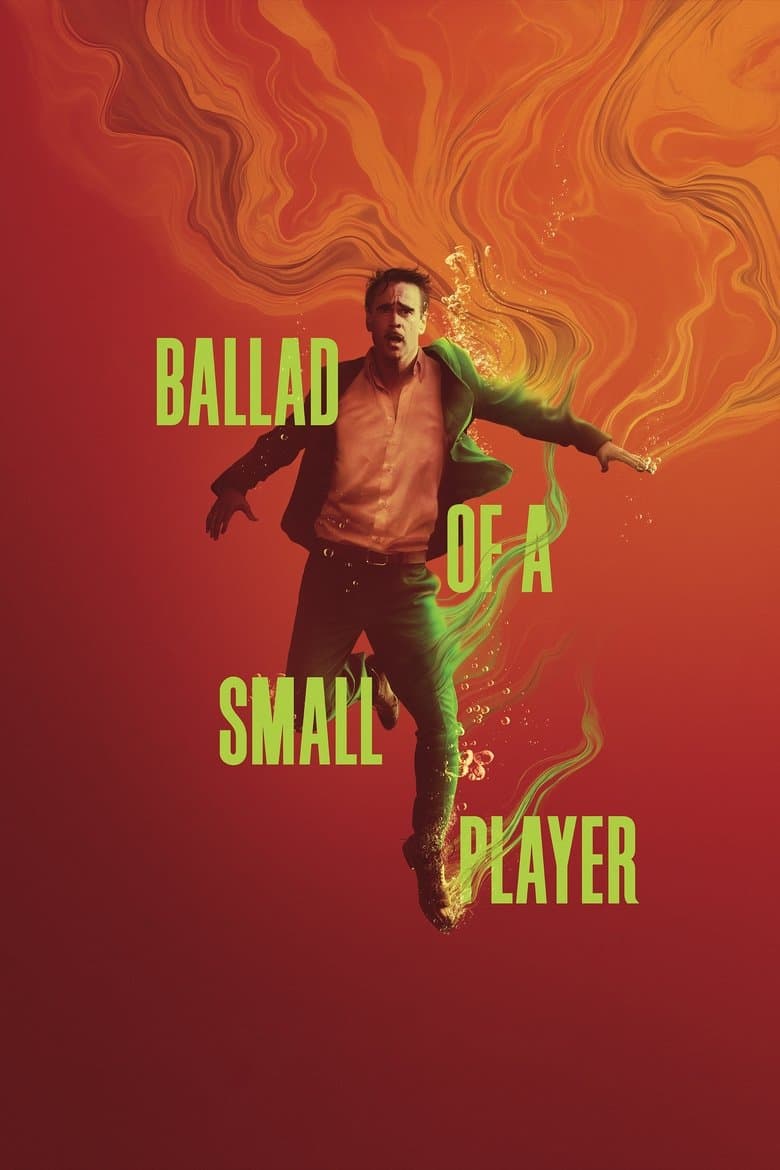
Movie · 2025
Amid the glittering casinos of Macau, a gambler running from his past—and his debts—becomes fascinated by an enigmatic woman at the baccarat table.
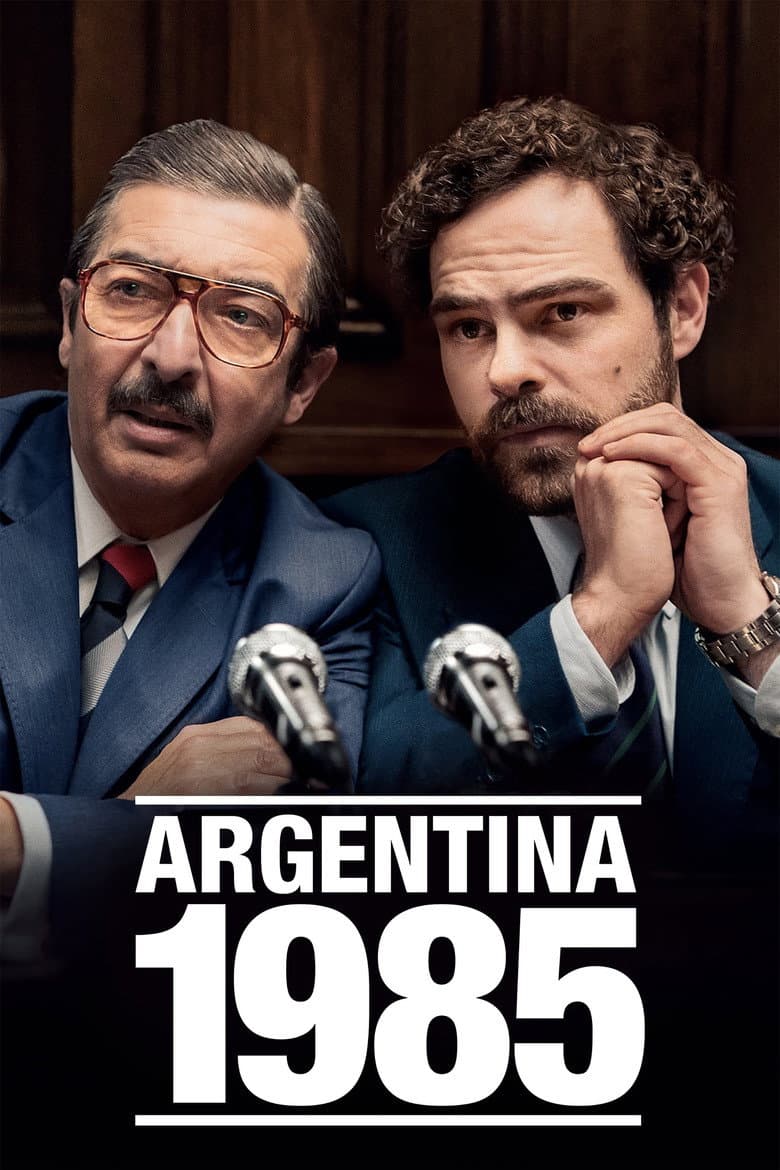
Movie · 2022
In the 1980s, a team of lawyers takes on the heads of Argentina's bloody military dictatorship in a battle against odds and a race against time.
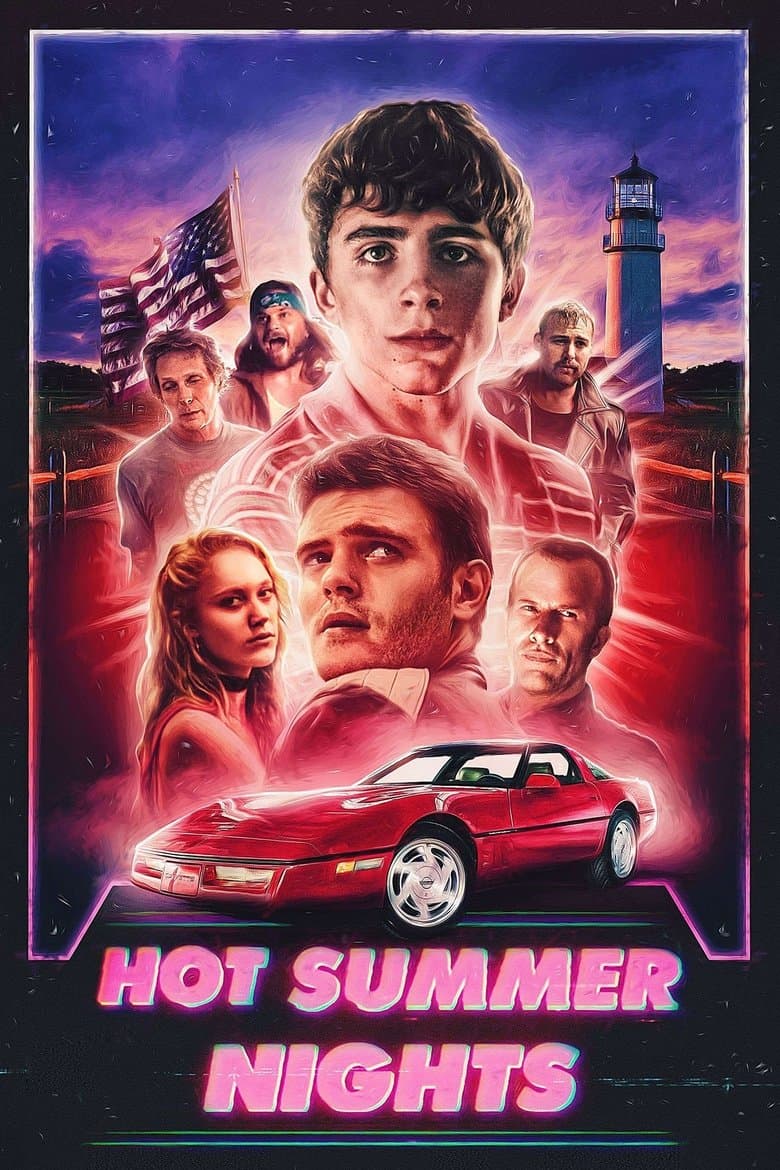
Movie · 2018
In 1991, a sheltered teenager comes of age during a wild summer on Cape Cod, getting rich from selling pot to gangsters, falling in love for the first time, partying, and…
Movie · 2017
The story of the kidnapping of 16-year-old John Paul Getty III and the desperate attempt by his devoted mother to convince his billionaire grandfather Jean Paul Getty to pay the…
