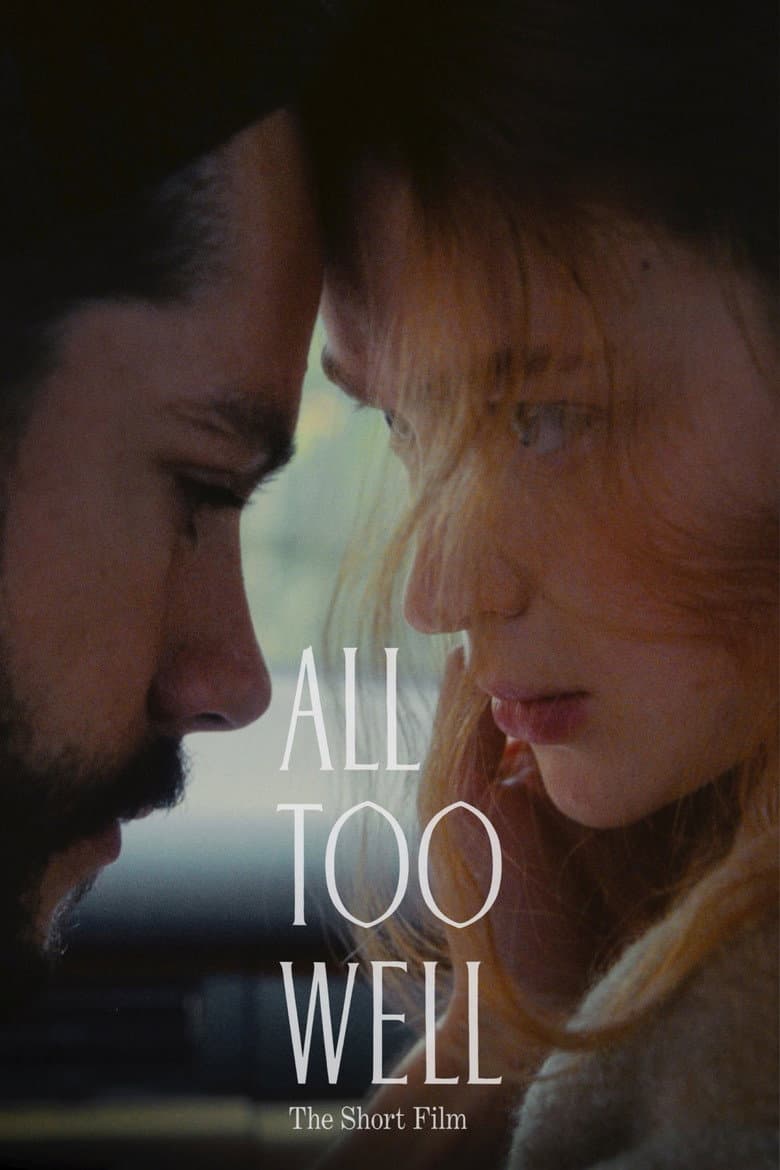
Her is a young woman who falls hard for an older man called Him. They begin with a warm trip through upstate New York, but the romance turns cold after he ignores her around his friends and twists their fight back on her. The couple breaks apart after he ends the relationship, and the short film follows her shock, grief, and lonely recovery. Years later, an older Her has turned the pain into a book, while Him watches from outside a reading. The tone moves from dreamy autumn romance to tense, sad, and finally calm.
The strongest woke element is the film's repeated focus on girlhood, age, and the power gap between a young woman and an older man. The story treats his age, social power, and emotional control as harmful, while it lets Her grow up and take back the story through her writing. The song adds a brief anti-patriarchy reference through a keychain and lyric, but the characters do not give a political speech. The film uses one woman's relationship to discuss female vulnerability and recovery, but it keeps that message personal rather than turning it into a wider political movement.
Community feedback
Was our 43% Woke rating accurate?
Breakdown
These are the editorial factors and ratings behind our score for All Too Well: The Short Film.
Woke representation / casting
Not present. The main cast is white, and the story uses a young woman and an older man because that age gap is central to the song. The film does not present a diversity-first cast or an identity-based casting message.
0%
Woke political dialogue
Not present. The spoken dialogue stays on the couple's fight, age gap, and breakup. The anti-patriarchy wording appears in the song and on a keychain, not in a character's political speech.
0%
Identity-driven story themes
The story centers on a young woman and an older man whose age gap creates a clear power imbalance. The film repeatedly shows him ignoring her, talking over her, and making her doubt her own feelings. The story then gives her a growth arc as she turns the pain into a book and controls the memory of the relationship. Swift has framed the film around girlhood and the difficult move into adulthood, so this gender and age message is central.
44%
Western institutional / cultural critique
The film criticizes male entitlement inside one relationship. Him drops Her's hand, leaves her alone with older friends, and tells her that she is causing her own distress. The keychain's anti-patriarchy message makes his behavior look false and self-serving. The film does not attack religion, capitalism, family, or Western institutions, so the critique stays personal.
28%
Woke character or canon changes
Not relevant. The short film expands a song into scenes but does not change an established character's race, gender, sexuality, or heroic role.
0%
Anti-woke backlash and complaints
A right-wing online reaction in 2024 complained about the song's anti-patriarchy lyric, which also appears in the film. The complaints accused Swift of teaching young people to hate men or of using the lyric for politics. The complaints focused on Swift's song and tour performance, not on a sustained campaign against this short film. A separate check of X found no anti-woke reaction to the title from 2021 through 2026, so the backlash evidence is limited and indirect.
8%
Creator track record context
Taylor Swift has a strong public record of support for LGBTQ rights, reproductive rights, and gender equality. She has also made feminist and pro-LGBTQ songs. This film's focus on girlhood and an older man's power over a young woman fits that part of her work. The other listed creators have little public evidence of an activist persona, so most of this context comes from Swift.
64%
Production
Movie · 2022
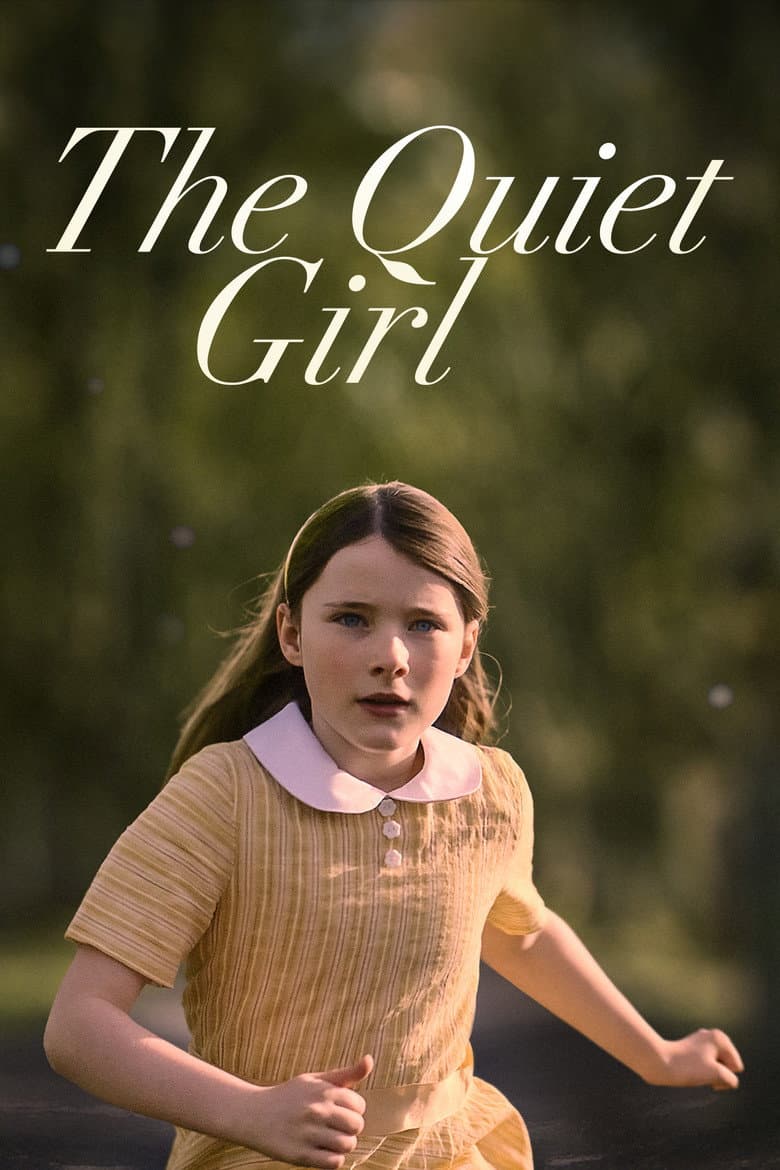
A quiet, neglected girl is sent away from her dysfunctional family to live with relatives for the summer. She blossoms in their care, but in this house where there are meant to be…
Movie · 2025
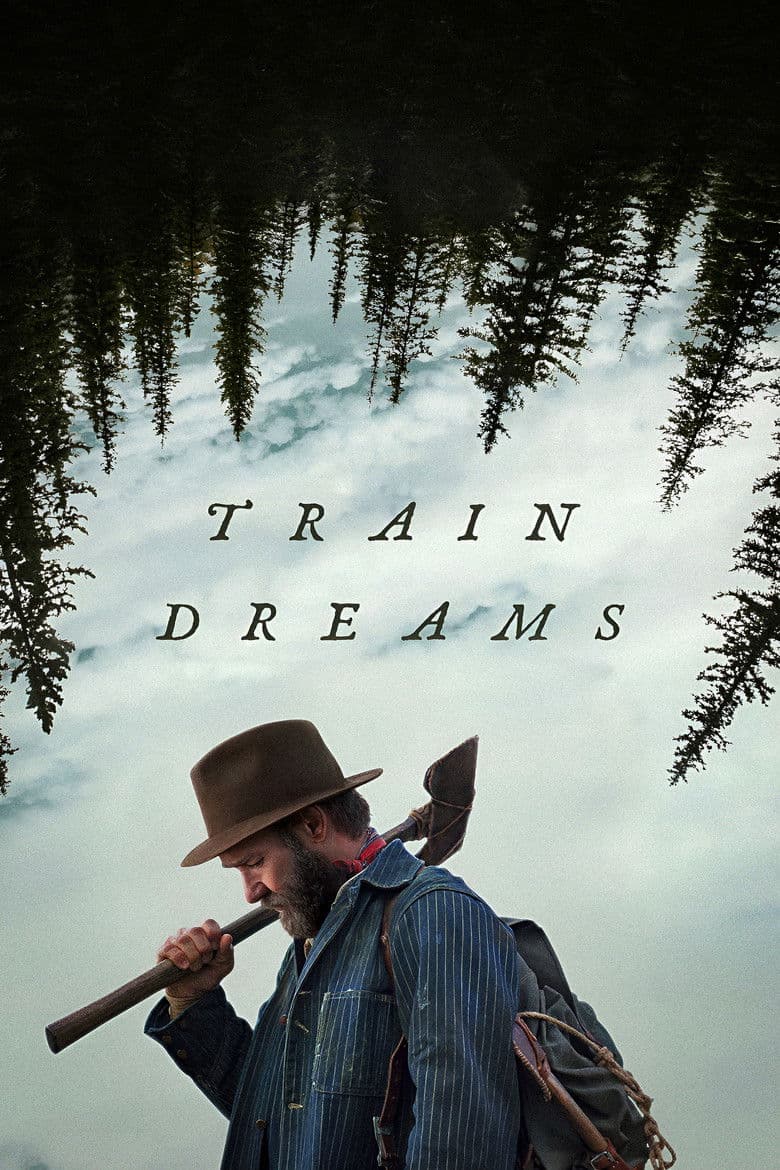
A logger leads a life of quiet grace as he experiences love and loss during an era of monumental change in early 20th-century America.
Movie · 2022
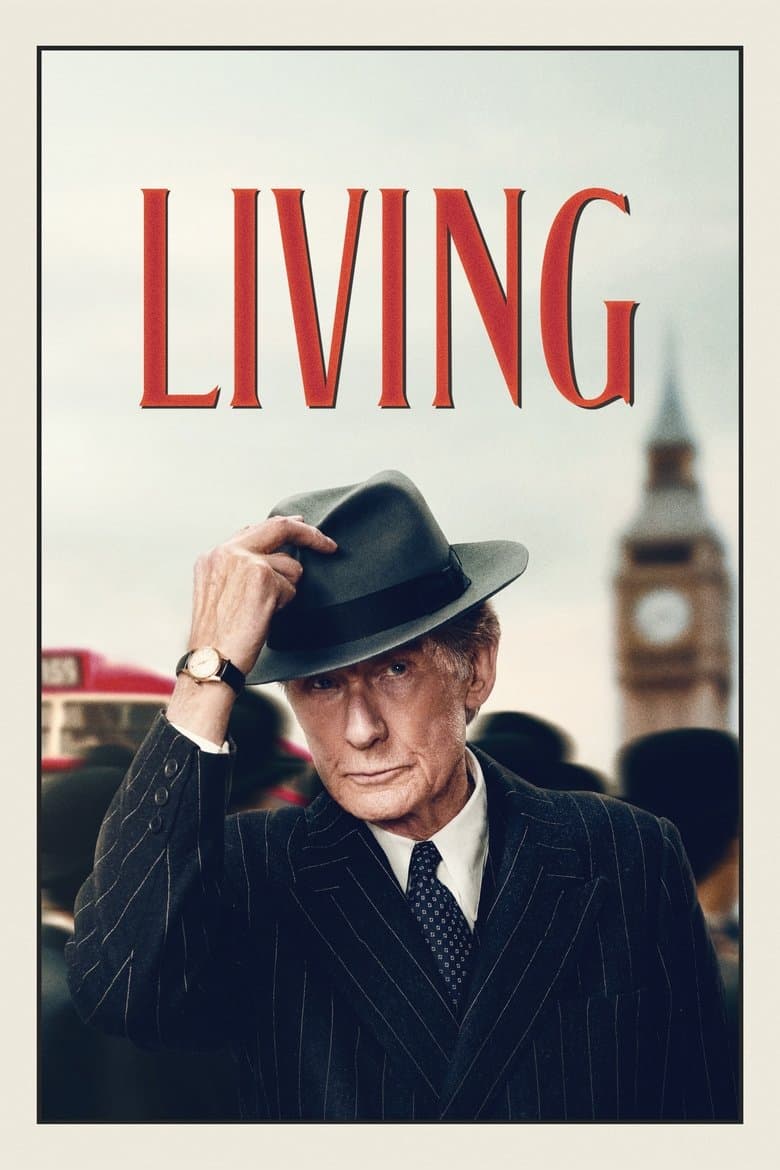
London, 1953. Mr. Williams, a veteran civil servant, is an important cog within the city's bureaucracy as it struggles to rebuild in the aftermath of World War II.
Movie · 2020
A man refuses all assistance from his daughter as he ages and, as he tries to make sense of his changing circumstances, he begins to doubt his loved ones, his own mind and even…
Movie · 2017
In 1950, amidst the ravages of the Korean War, Sergeant Süleyman stumbles upon a a half-frozen little girl, with no parents and no help in sight and he risks his own life to save…
Movie · 2023
American ballet dancer Joy Womack is accepted into Moscow's infamously tough Bolshoi Ballet Academy, with the dream of becoming a great ballerina.
Movie · 2016
In a desolate war zone where screams of the innocent echo, on the very line between disaster and valor, 7 Maroon Berets will dance with death.
Movie · 2022
Based on a true tragedy, the emotionally triggering film sheds light on the plight of Kashmiri Pandits (Hindus), a religious minority in the 1990s Kashmir valley, who were…
