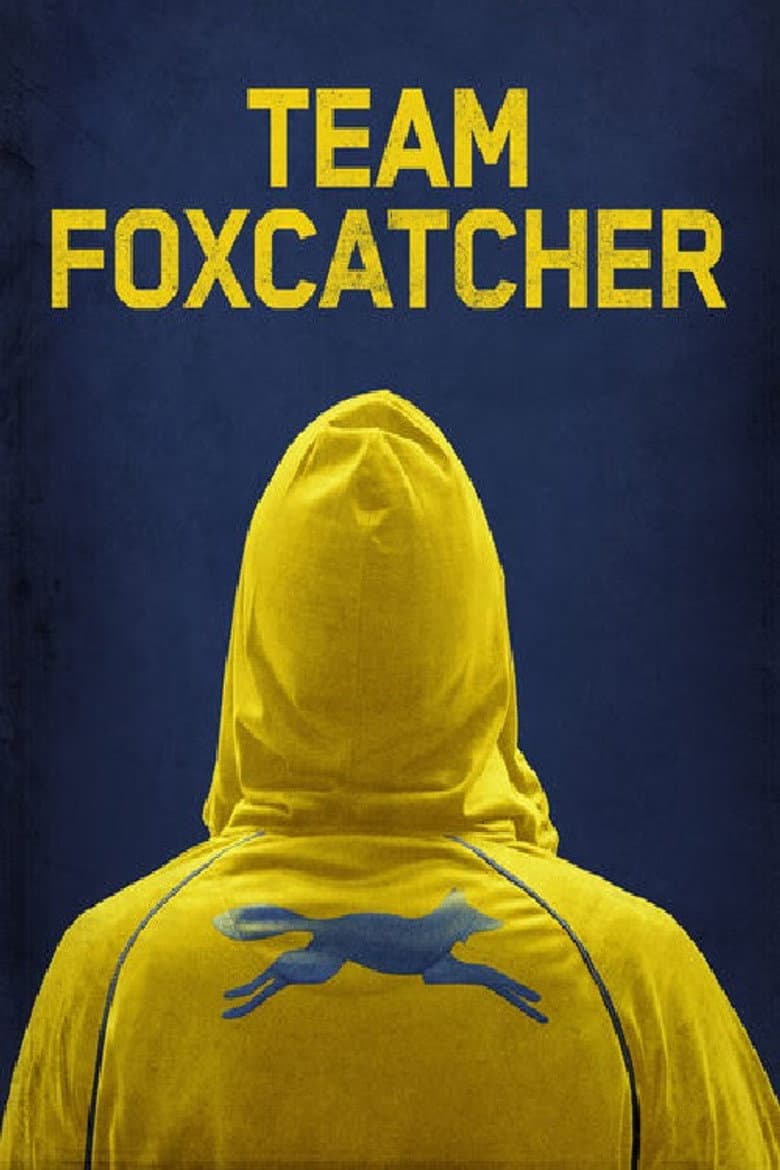
Team Foxcatcher follows Olympic wrestler Dave Schultz, who joins a private wrestling community on the Pennsylvania estate of John du Pont. Du Pont uses his family money to house and pay athletes, but his need for control grows as his mind becomes more unstable. Dave tries to stay loyal to a troubled friend while protecting his wife, children, and fellow wrestlers. The documentary uses home movies, old news footage, and interviews to create a sad and tense true-crime story.
The film records that du Pont dismissed his Black wrestlers after developing a racist fear of the color black. The story treats that act as part of his collapse and shows that Dave and others struggled to challenge him. It also follows the way money, fear, and Olympic dreams kept people close to a dangerous man. Dave's warmth, his family's loss, and the team's failure to act give the film its main emotional weight.
Community feedback
Was our 8% Woke rating accurate?
Breakdown
These are the editorial factors and ratings behind our score for Team Foxcatcher.
Woke representation / casting
Not present. The documentary uses real athletes, family members, officials, and archival footage instead of invented cast roles. The people shown match the real Foxcatcher story, so the film does not use audience-visible casting as an identity statement.
0%
Woke political dialogue
Not present. Interviewees discuss wrestling, money, mental illness, race, and the murder. They do not use recurring modern identity, DEI, or activist lines.
0%
Identity-driven story themes
The film records that John du Pont dismissed his Black wrestlers after developing a racist fear of the color black. The interviews connect this act to his worsening paranoia and loss of control. The film treats the event as part of a real crime story, not as a call for current identity politics. The main story stays focused on Dave Schultz, the murder, and the team's loyalty to du Pont.
15%
Western institutional / cultural critique
Not present. The documentary shows police and wrestling officials looking past warnings because du Pont paid for the program. It presents that failure as part of this real case, not as a broad modern attack on Western institutions or family and social norms.
0%
Woke character or canon changes
Not relevant. The film documents real people and uses archival material. Its focus on Dave and its omission of Mark are changes in coverage, not identity-based changes to a known character or event.
0%
Anti-woke backlash and complaints
Not present. Online and news reaction centers on the crime, the real footage, and missing viewpoints. No reliable complaint says that the documentary pushes woke, DEI, or identity-politics content.
0%
Creator track record context
Not present. Cached context gives Jon Greenhalgh a 0/100 woke score. His known work centers on wrestling, athletes, and true-life sports stories, with no documented pattern of DEI campaigning or representation-first messaging.
0%
Production

Movie · 2025
Those who knew iconic funnyman John Candy best share his story, in their own words, through never-before-seen archival footage, imagery, and interviews.

Movie · 2017
An intimate journey through the formative years of David Lynch's life. From his idyllic upbringing in small town America to the dark streets of Philadelphia, we follow Lynch as he…

Movie · 2023
As the Russian invasion begins, a team of Ukrainian journalists trapped in the besieged city of Mariupol struggle to continue their work documenting the war's atrocities.

Movie · 2021
Through exclusive interviews and archival footage, this documentary traces an intimate portrait of seven-time Formula 1 champion Michael Schumacher.
Movie · 2022
In the aftermath of George Floyd’s death, the media concocted a narrative that justified a summer of worldwide riots and helped contribute to the rise of Black Lives Matter who…

Movie · 2017
Documentary about the arena-packing Swedish DJ, chronicling his explosive rise to fame and surprising decision to retire from live performances in 2016.

Movie · 2019
An Iraqi journalist joins an army of uneasy allies and unforgettable characters in the epic battle to liberate the city of Mosul from the Islamic State.

Movie · 2020
Record-shattering Korean girl band BLACKPINK tell their story — and detail the hard fought journey of the dreams and trials behind their meteoric rise.
