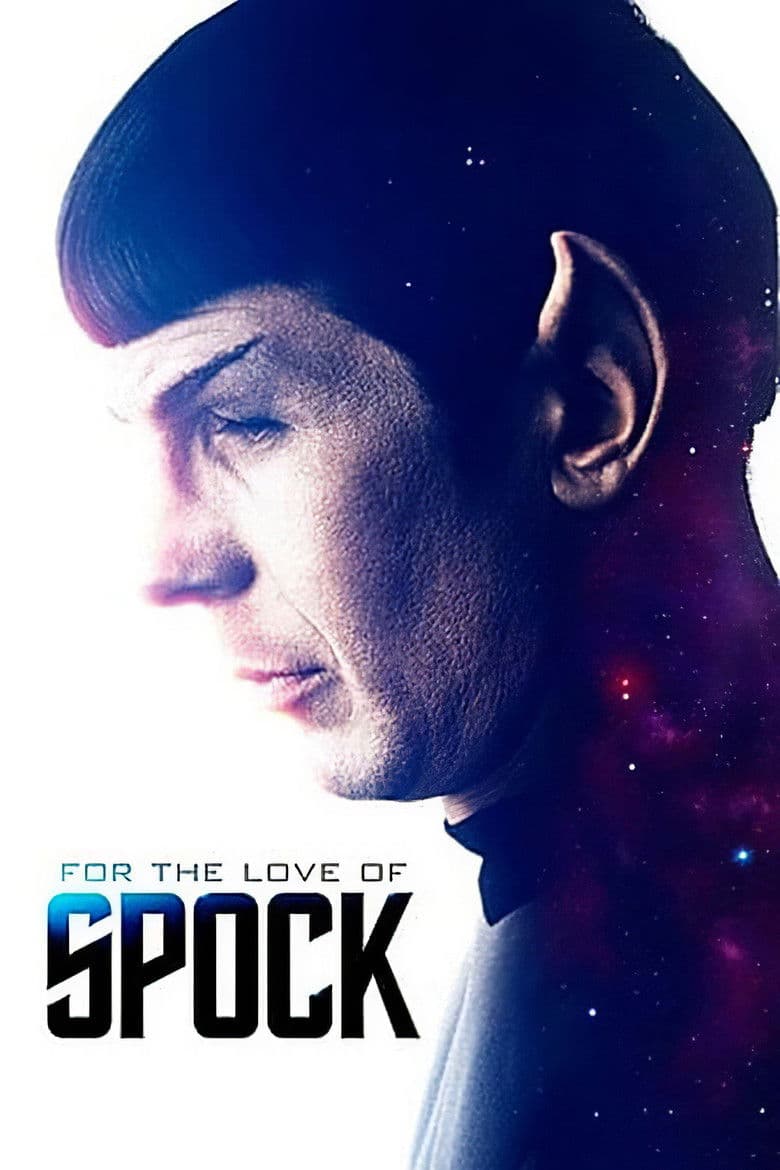
For the Love of Spock follows Leonard Nimoy and the character he played for almost fifty years, Mr. Spock. The documentary moves between Star Trek clips, Nimoy's life in Hollywood, fan meetings, and family memories. Adam Nimoy tells the story as a son who loved his father but also felt pushed aside by his father's fame and long work hours. The tone is warm and funny at first, then sad and honest as the film deals with addiction, family distance, death, and late forgiveness.
The main identity-related material comes from the film's look at who saw themselves in Spock. A gay fan says Spock helped him deal with feeling like an outsider, and the film discusses gay interpretations of the close Kirk and Spock bond. A mixed-race scientist also connects with Spock's mixed human and Vulcan identity. These moments are clear but short, and they support the film's wider point that Spock gave unusual people a place to belong rather than driving the father-son story.
Community feedback
Was our 20% Woke rating accurate?
Breakdown
These are the editorial factors and ratings behind our score for For the Love of Spock.
Woke representation / casting
Not present. The film uses real actors, fans, family members, and experts tied to Leonard Nimoy and Star Trek. The mix of backgrounds follows the real people being discussed, and the film does not frame the lineup as a diversity campaign.
0%
Woke political dialogue
One interviewee praises Star Trek's future because people from different cultures and backgrounds work together to help humanity. Other speakers call Spock an outsider and say that many viewers can see themselves in him. These comments are brief and broad, and the film does not turn them into a modern political speech.
15%
Identity-driven story themes
The documentary gives a clear but limited place to identity-based readings of Spock. A gay fan says Spock helped him handle feeling like an outsider. The film also discusses gay interpretations of the bond between Kirk and Spock. A mixed-race scientist connects with Spock's mixed human and Vulcan identity. These points support Spock's appeal but do not drive the main father-son story.
30%
Western institutional / cultural critique
Not present. The documentary does not present Christianity, family life, or Western institutions as targets. Its conflict centers on fame, addiction, work, and a strained father-son relationship.
0%
Woke character or canon changes
Not relevant. The film is a documentary about the real Leonard Nimoy and the established Spock character. It does not change a character's race, gender, sexuality, or hero role.
0%
Anti-woke backlash and complaints
Not present. The X research found no anti-woke posts about the film. Web searches found no credible complaints that the documentary pushes DEI or identity politics. Reviews that call the film personal or uneven are not anti-woke complaints.
0%
Creator track record context
Available creator records give Adam Nimoy a 5/100 score, Kevin Layne 0/100, David Zappone 3/100, and Joseph Kornbrodt 0/100. Their work is mainly television, documentary production, Star Trek history, and family stories. The film has no clear activist or DEI creator framing beyond broad humanist and fan-related discussion.
3%
Production
Movie · 2017
An intimate journey through the formative years of David Lynch's life. From his idyllic upbringing in small town America to the dark streets of Philadelphia, we follow Lynch as he…

Movie · 2019
An Iraqi journalist joins an army of uneasy allies and unforgettable characters in the epic battle to liberate the city of Mosul from the Islamic State.
Movie · 2021
Through exclusive interviews and archival footage, this documentary traces an intimate portrait of seven-time Formula 1 champion Michael Schumacher.

Movie · 2023
A short kid from a Canadian army base becomes the international pop culture darling of the 1980s—only to find the course of his life altered by a stunning diagnosis.

Movie · 2018
New York, 1980. Three complete strangers accidentally discover that they're identical triplets, separated at birth.

Movie · 2022
After years in the limelight, Selena Gomez achieves unimaginable stardom. But just as she reaches a new peak, an unexpected turn pulls her into darkness.
Movie · 2016
Supersonic charts the meteoric rise of Oasis from the council estates of Manchester to some of the biggest concerts of all time in just three short years.
Movie · 2025
Those who knew iconic funnyman John Candy best share his story, in their own words, through never-before-seen archival footage, imagery, and interviews.
