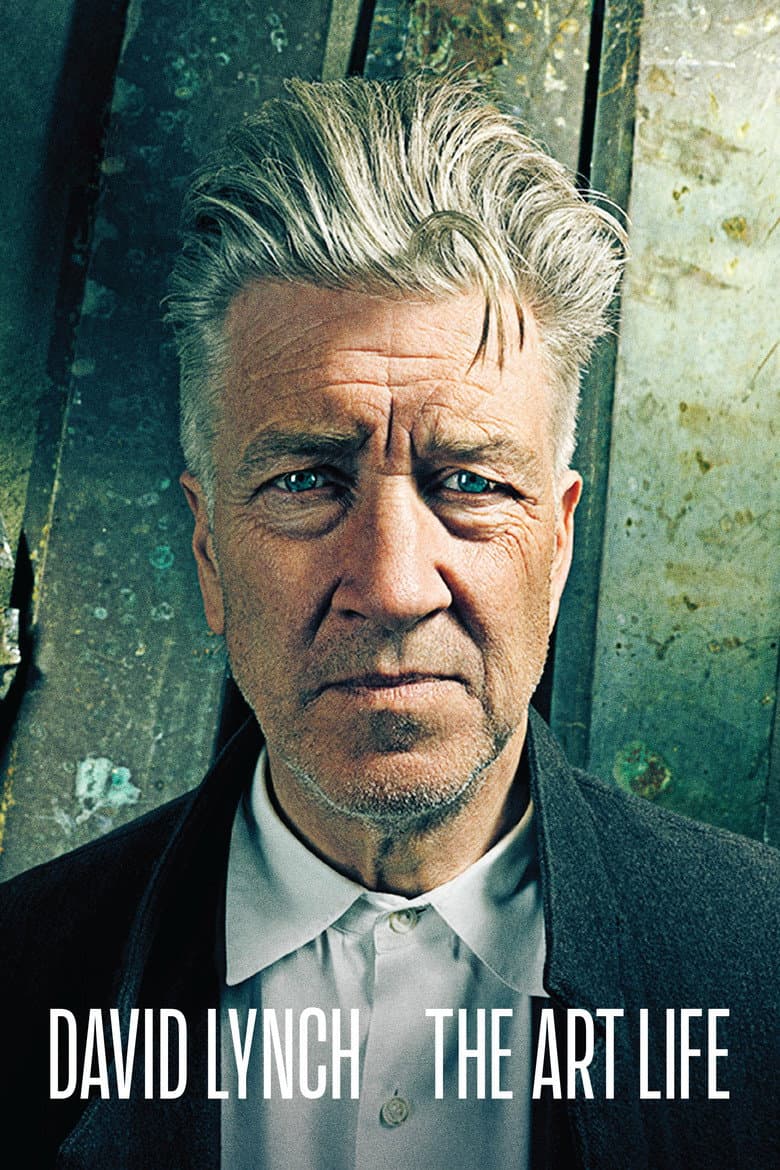
David Lynch: The Art Life follows filmmaker and painter David Lynch as he remembers the years that shaped him. He talks about a happy childhood in Montana, Idaho, and Virginia before describing art school and his move to a rough Philadelphia neighborhood. He works in his Hollywood Hills studio while his voice leads the film through family memories, strange sights, and the long making of Eraserhead. The mood is quiet, private, funny, and often dark.
The film treats art as Lynch’s main way of living and shows how old memories fed his paintings and early movies. Lynch recalls seeing a hurt, naked woman in the street, finding dead animals for his art, and sensing that a painting could move and make sound. His father worries about his strange work, while his family and early mentors help him continue. His daughter Lula appears beside him in the studio, but the story stays centered on Lynch’s memories and creative work.
Community feedback
Was our 0% Woke rating accurate?
Breakdown
These are the editorial factors and ratings behind our score for David Lynch: The Art Life.
Woke representation / casting
Not present. David Lynch is the main subject, while other people appear as family members, artists, or themselves. The film does not present a diversity casting message.
0%
Woke political dialogue
Not present. Lynch talks about art, childhood, family, fear, and making films. The film does not include modern identity or activist speeches.
0%
Identity-driven story themes
Not present. The story follows Lynch’s artistic growth and personal memories. It does not build its story around race, gender, sexuality, or a modern identity cause.
0%
Western institutional / cultural critique
Not present. The film shows family worries and rough city surroundings, but it does not turn them into a modern attack on Western institutions, religion, family life, or traditional gender roles.
0%
Woke character or canon changes
Not relevant. The film is a biography, not a new version of a fictional story. It does not change a known character or historical role to make an identity point.
0%
Anti-woke backlash and complaints
Not present. Public reaction centers on Lynch’s art, childhood, and unusual style. No clear complaints say that the documentary pushes DEI or identity politics.
0%
Creator track record context
Not present. The key creators are mainly linked to art documentaries and creative-process stories. The cached profiles show no clear woke or activist track record that shapes this film.
0%
Production
Movie · 2022
Follows the man who survived an assassination attempt by poisoning with a lethal nerve agent in August 2020. During his months-long recovery, he makes shocking discoveries about…
Movie · 2023
As the Russian invasion begins, a team of Ukrainian journalists trapped in the besieged city of Mariupol struggle to continue their work documenting the war's atrocities.
Movie · 2016
The Beatles stormed through Europe's music scene in 1963, and, in 1964, they conquered America. Their groundbreaking world tours changed global youth culture forever and…
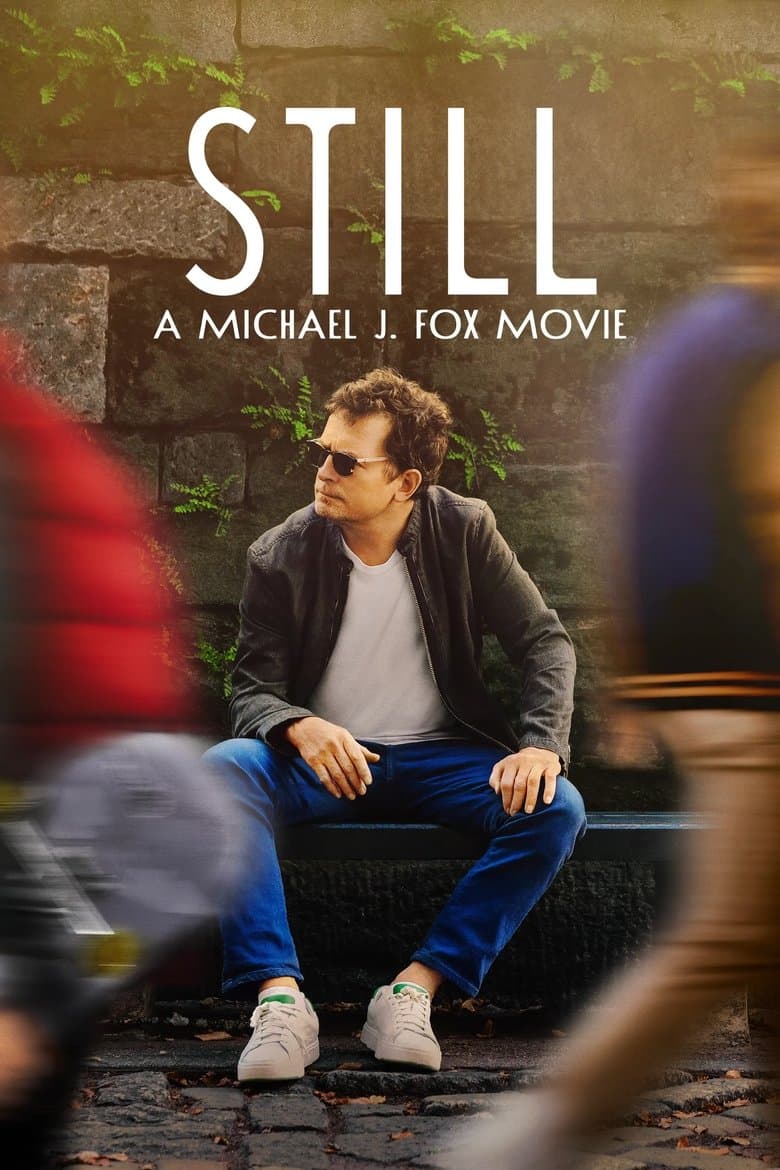
Movie · 2023
A short kid from a Canadian army base becomes the international pop culture darling of the 1980s—only to find the course of his life altered by a stunning diagnosis.
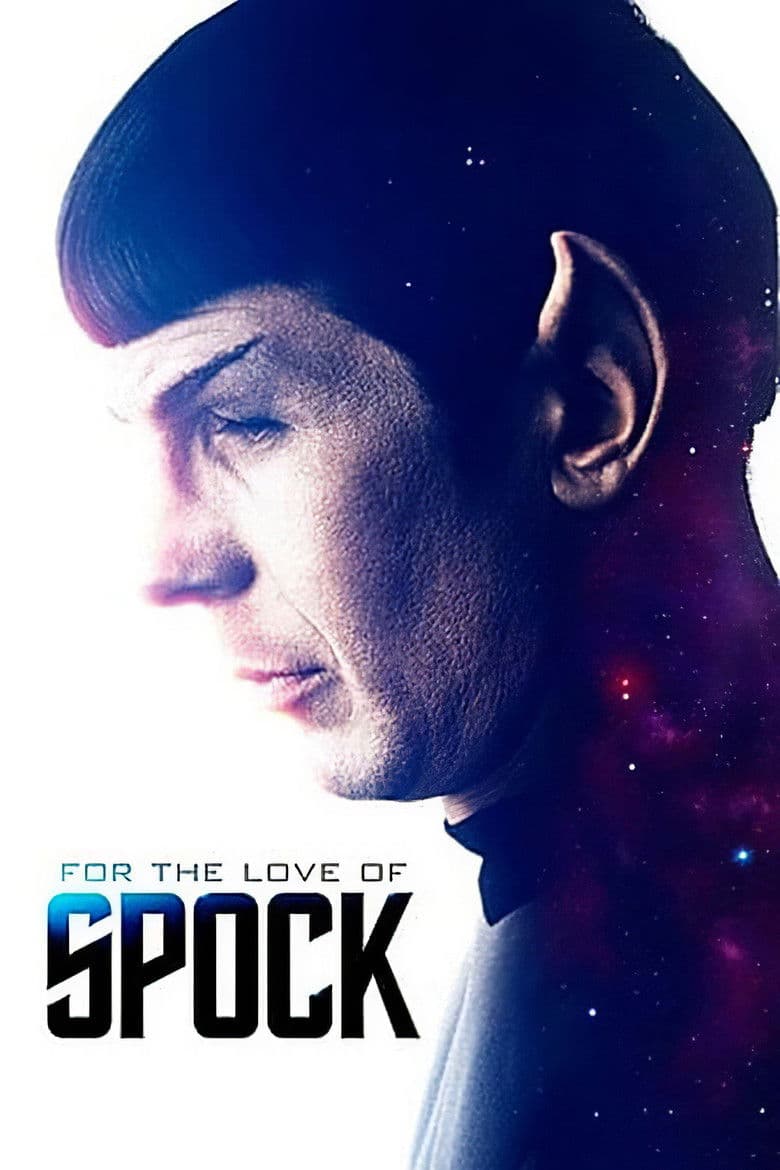
Movie · 2016
The life of Mr. Spock, as well as that of Leonard Nimoy, the actor who played him for almost fifty years, written and directed by his son: Adam.
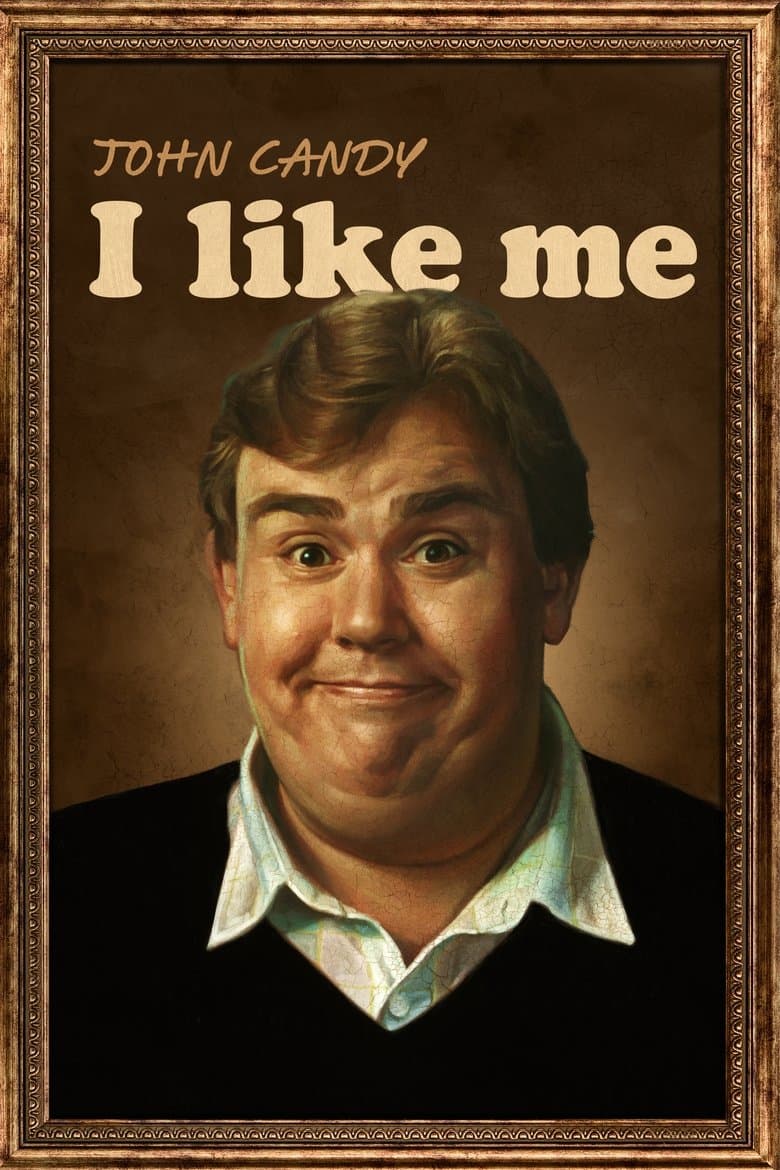
Movie · 2025
Those who knew iconic funnyman John Candy best share his story, in their own words, through never-before-seen archival footage, imagery, and interviews.
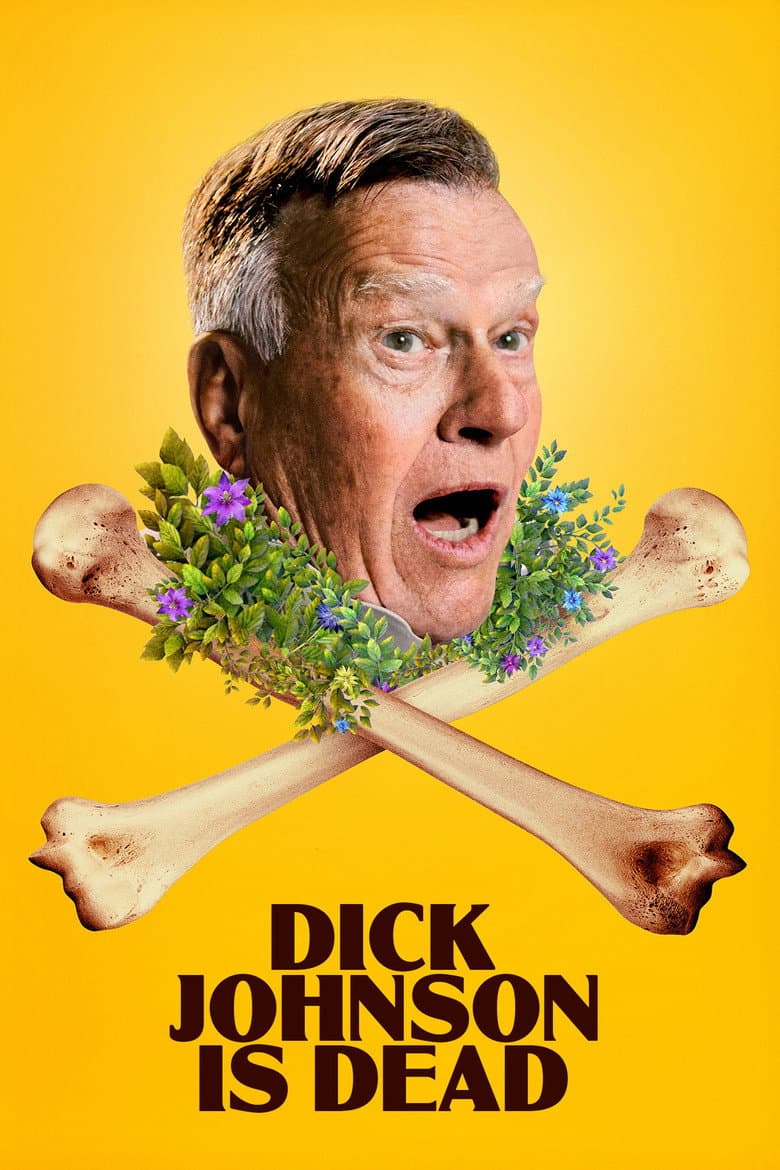
Movie · 2020
With this inventive portrait, director Kirsten Johnson seeks a way to keep her 86-year-old father alive forever.
Movie · 2018
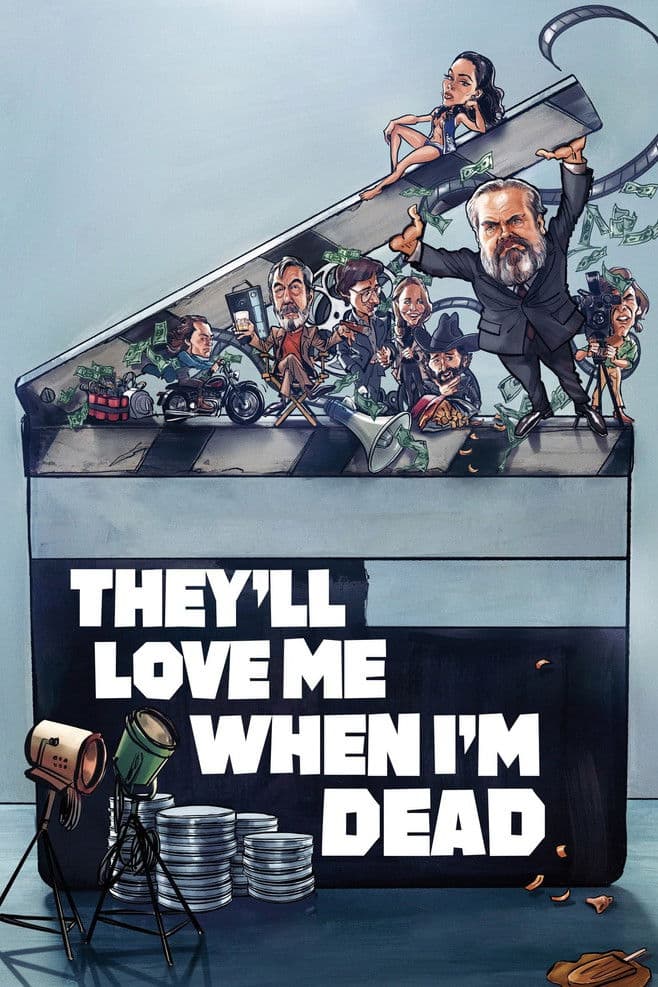
As his life comes to its end, famous Hollywood director Orson Welles puts it all on the line at the chance for renewed success with the film The Other Side of the Wind.
