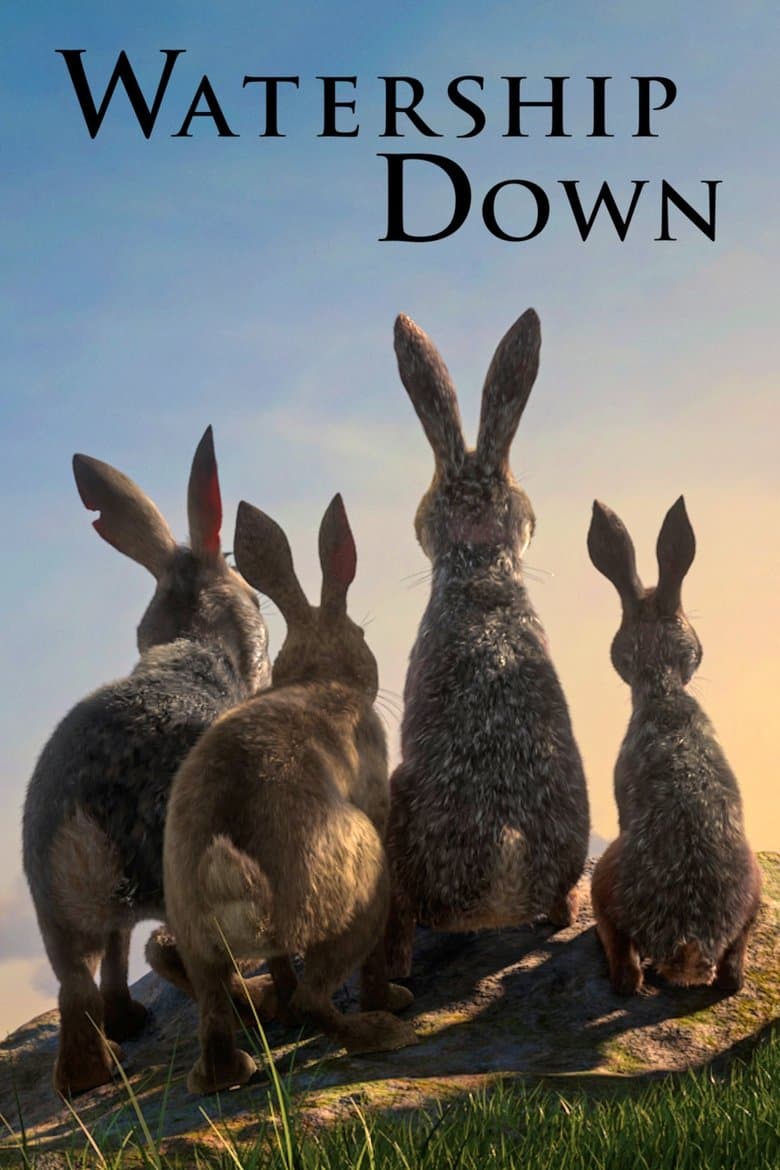
Started December 22, 2018 · Ended · Based on 1 season, 2 episodes through December 23, 2018 · TV-PG · 100 min
Hazel leads a small group of rabbits away from Sandleford Warren after his brother Fiver sees a vision of its destruction. The rabbits cross the English countryside and search for a safe place to live. They face farm machines, predators, traps, and the violent Efrafa warren led by General Woundwort. The tone is dark, tense, and sad, but it also has warmth, humor, and hope.
The show gives female rabbits more story power than the original novel. Strawberry is changed from a buck into a doe, and she digs the Honeycomb that helps make Watership Down a home. Clover and Hyzenthlay also make plans, resist Efrafa, and help other rabbits escape. These changes create a clear female agency theme, but Hazel’s journey, brotherhood, freedom, survival, and the fight against tyranny remain the main story.
Community feedback
Was our 38% Woke rating accurate?
Breakdown
These are the editorial factors and ratings behind our score for Watership Down.
Woke representation / casting
The show gives major rabbit roles to actors such as John Boyega and Daniel Kaluuya, alongside a largely British ensemble. The rabbit society has no human ethnic groups, so the casting does not change the setting or the characters’ backgrounds. The director chose Rosamund Pike for the Black Rabbit because he wanted a female voice in a god-like role. This creates a mild audience-visible representation signal, but it is not a repeated human identity pattern.
18%
Woke political dialogue
Not present. The show has no modern political speeches about race, gender, sexuality, DEI, or party politics. The rabbits speak about freedom and tyranny, but those ideas belong to their fight against Efrafa.
0%
Identity-driven story themes
The show makes female rabbits a repeated part of the main conflict. Strawberry is changed into a doe and digs the Honeycomb that becomes the new warren’s home. Clover helps the rescue plan, and Hyzenthlay leads the captive does against Efrafa. The story still follows Hazel’s leadership, brotherhood, survival, and fight for freedom, so female empowerment is an important subplot rather than the whole premise.
38%
Western institutional / cultural critique
Not present. The show presents human development and Efrafa’s tyranny as dangers in the rabbit story. It does not turn those dangers into a modern attack on Western institutions, Christianity, capitalism, or family life.
0%
Woke character or canon changes
The show changes Strawberry from the novel’s buck into a doe. The show also gives Strawberry, Clover, and Hyzenthlay larger jobs in building the new warren and planning escapes. The director said the team wanted female rabbits to have a more central role and wanted Strawberry to have more agency. These are clear identity-based changes to the source, even though the main escape and battle story remains the same.
42%
Anti-woke backlash and complaints
A Spectator-linked article called the series a BBC attempt to make Watership Down woke. The article objected to Strawberry’s gender change, stronger female roles, and the captive does’ freedom language. The separate X research found only a few small posts making similar complaints about a woke remake or a more female-centered story. The reaction was fringe, with no boycott, review-bomb push, or sustained influencer campaign.
15%
Creator track record context
Richard Adams was an animal-welfare and environmental advocate, not a DEI activist. Tom Bidwell has written about teen mental health, body image, and sexuality, but no clear activist record is reported. Noam Murro, Pete Dodd, and the listed producers have little or no known activist record. Murro’s title interview still gives some context because he said the team wanted female characters to have more central roles.
12%
Production
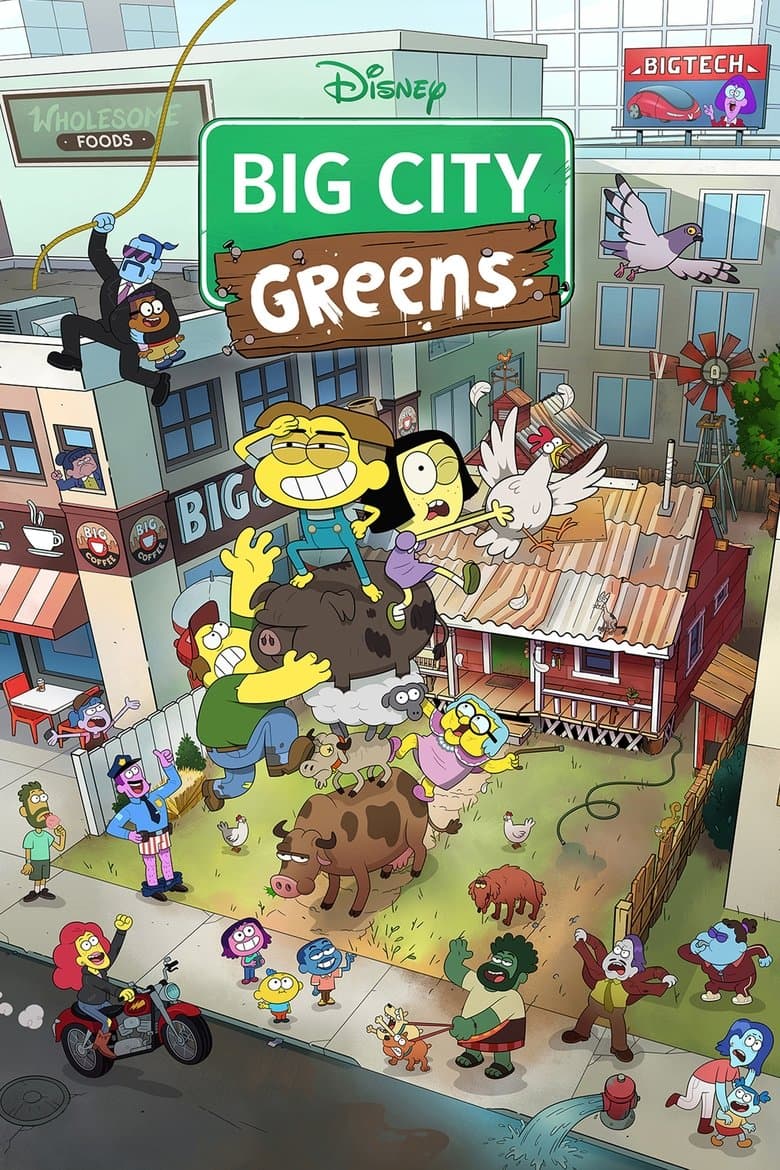
TV Show · 2018
The offbeat adventures of 10-year-old Cricket Green, a mischievous and optimistic country boy who moves to the big city with his wildly out of place family – older sister Tilly…
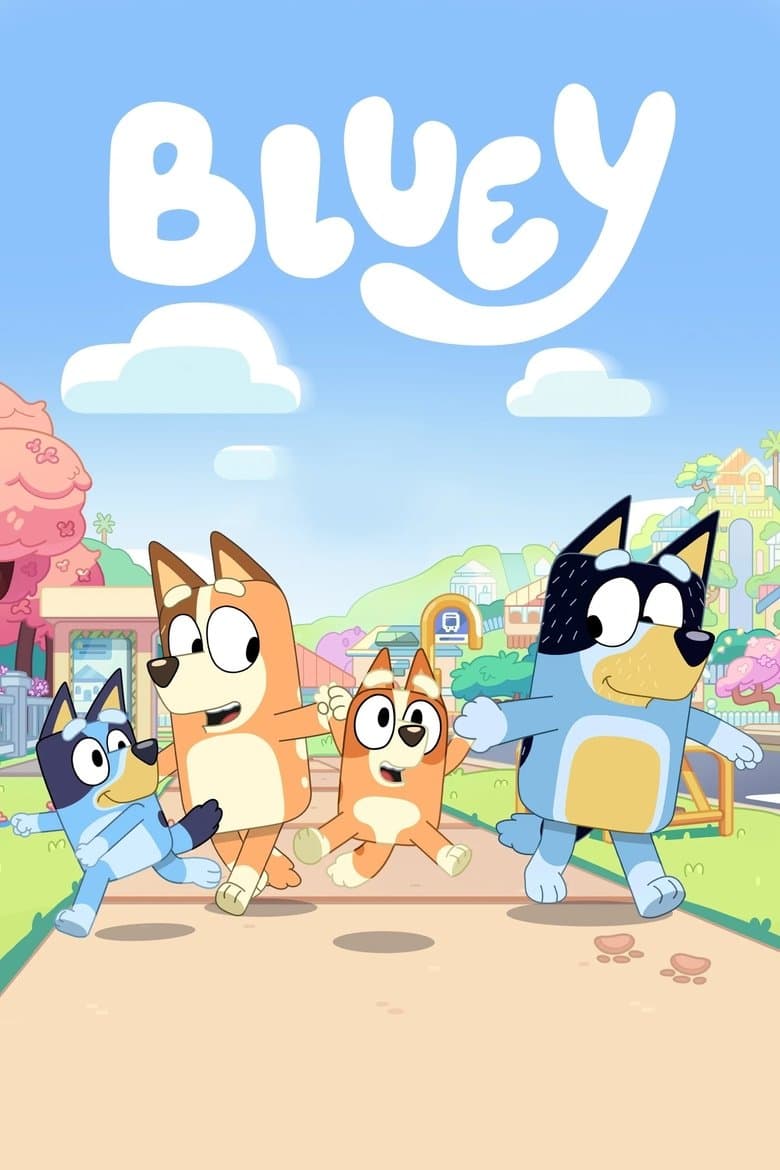
TV Show · 2018
Bluey is an inexhaustible six year-old Blue Heeler dog, who loves to play and turns everyday family life into extraordinary adventures, developing her imagination as well as her…
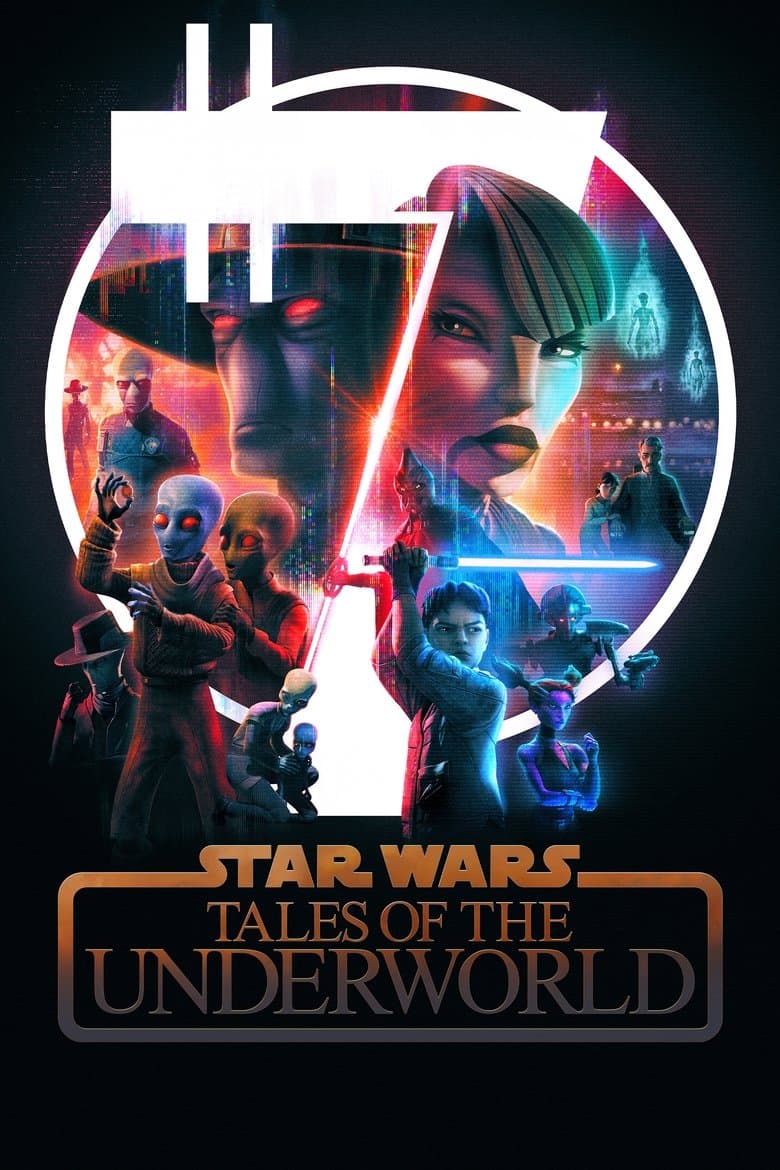
TV Show · 2025
Two outlaws must navigate the galaxy's dangerous underworld as they chart their destinies.
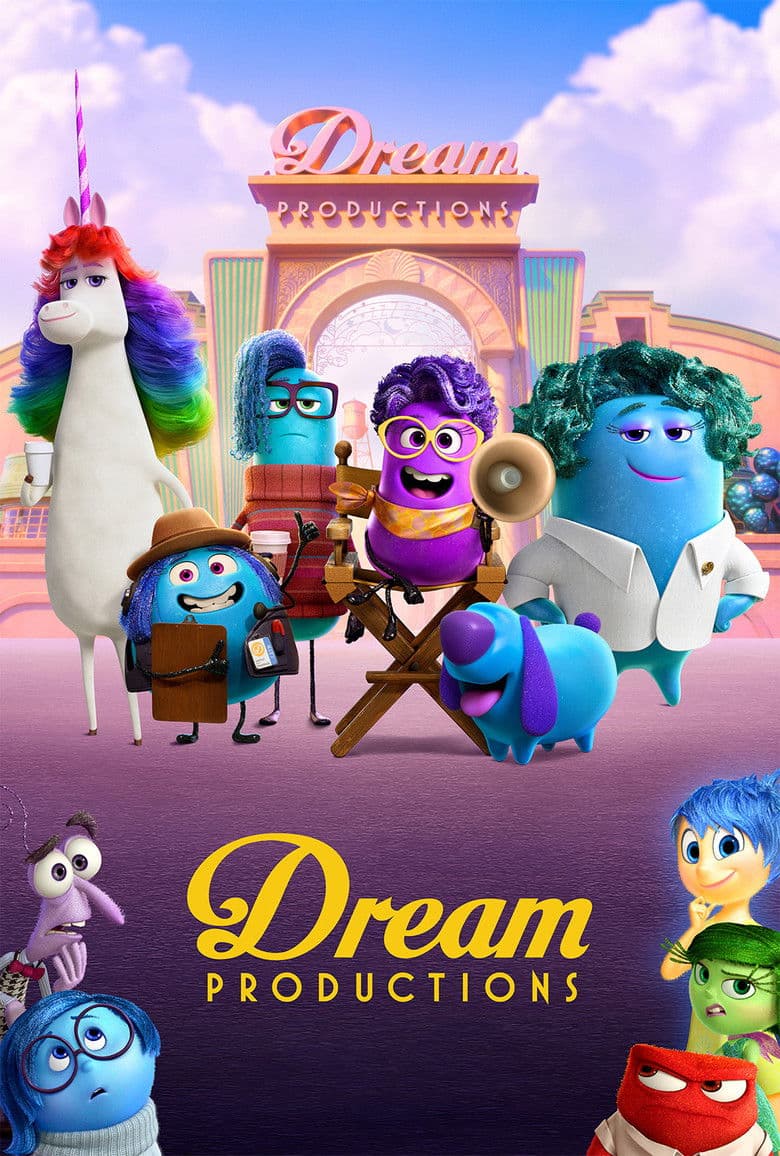
TV Show · 2024
Riley is growing up and when her memories need some extra processing, Joy and the rest of the Core Emotions send them to Dream Productions.
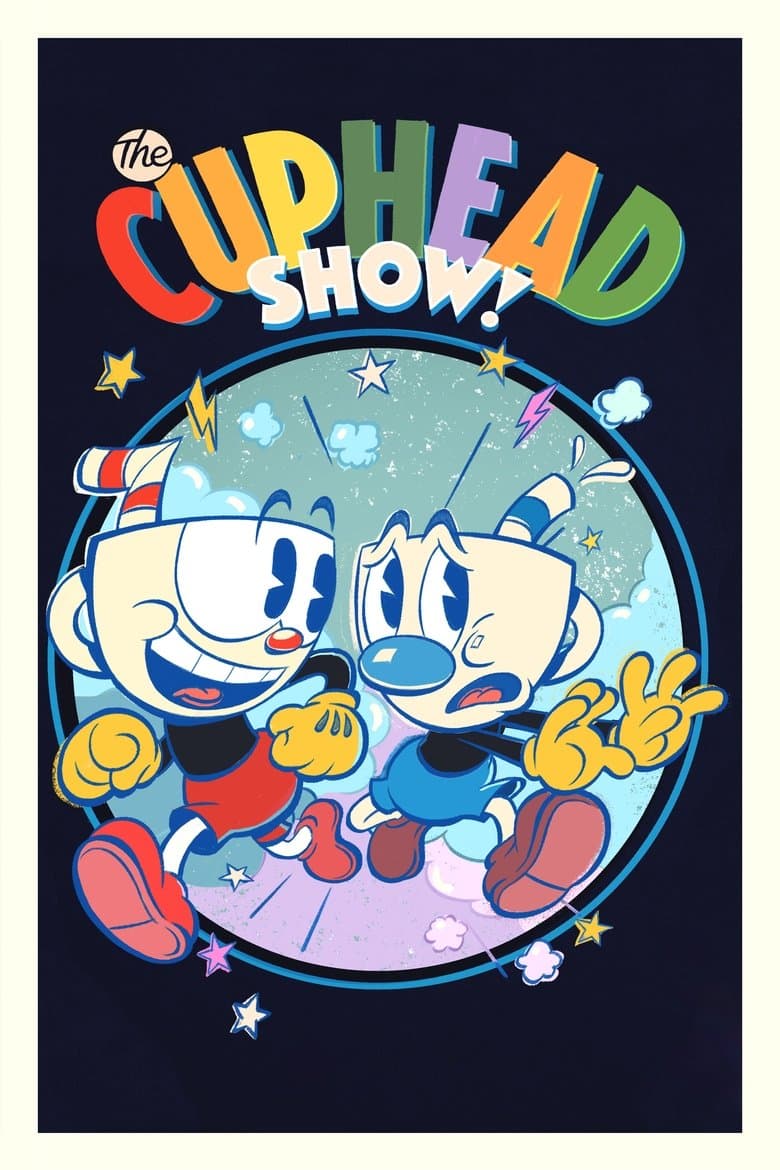
TV Show · 2022
Follow the misadventures of the impulsive Cuphead and his cautious but persuadable brother Mugman in this animated series based on the hit video game.
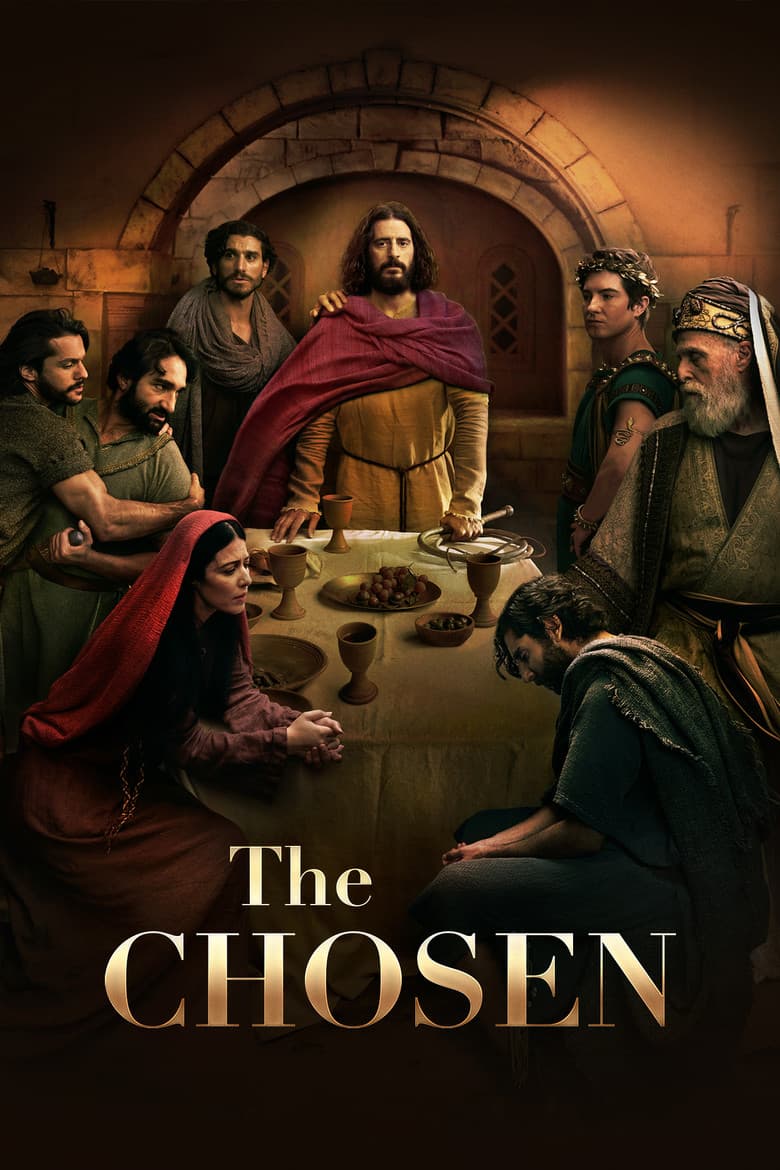
TV Show · 2019
The life of Christ through the eyes of those who encountered him.
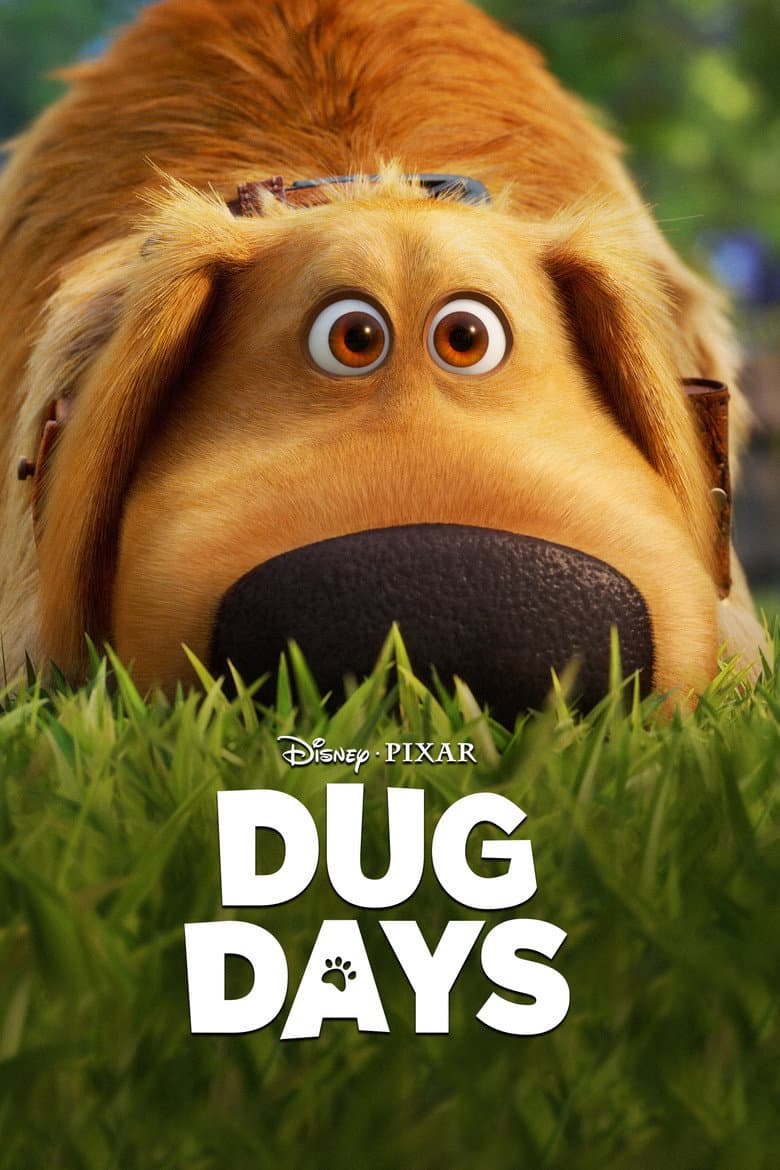
TV Show · 2021
A series of shorts that follows the humorous misadventures of Dug, the lovable dog from Disney and Pixar’s “Up.” Each short features everyday events that occur in Dug's backyard…
TV Show · 2022
Journey into the lives of two distinctly different Jedi from the prequel era – Ahsoka Tano and Count Dooku. Each will be put to the test as they make choices that will define…
