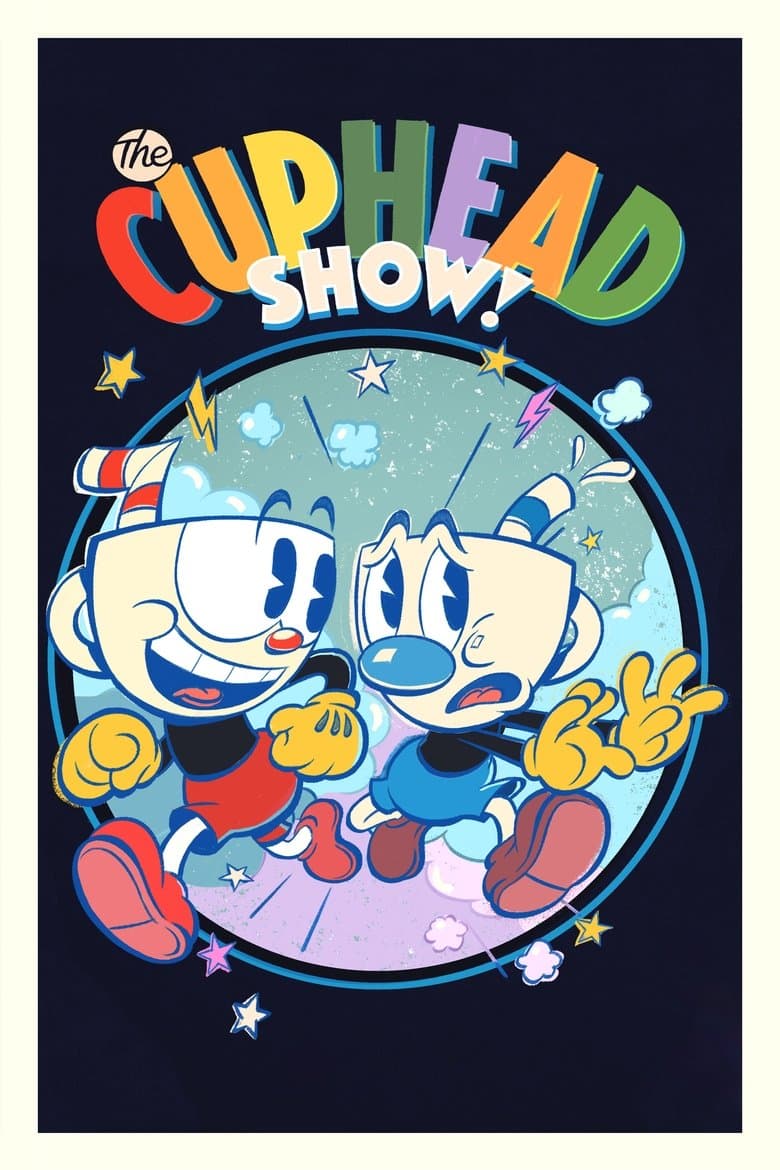
Started February 18, 2022 · Ended · Based on 3 seasons, 36 episodes through November 18, 2022 · TV-Y7 · 14 min
The Cuphead Show! follows twin brothers Cuphead and Mugman, who live with Elder Kettle in the strange Inkwell Isles. Cuphead rushes into trouble, while Mugman worries about him, argues with him, and often helps fix the damage. The Devil chases Cuphead’s soul after a carnival game, while the brothers face ghosts, pirates, monsters, greedy shopkeepers, and rival performers. The show uses bright colors, songs, scary jokes, and fast slapstick that reflect 1930s cartoons. Season 3 increases the danger, gives Ms. Chalice more time, and leads toward the game’s casino story.
The show includes minor queer characters such as Stickler, Sword, and the Mailman, who is identified as non-binary. These characters appear briefly in comic roles, and they do not receive long identity talks or major story lines. Ms. Chalice has a larger role in the final season, but her story follows an orphanage, a deal with the Devil, and her choice to value friendship. The main stories focus on brotherly loyalty, selfish choices, fear, and cartoon adventure. The queer content is present, but it remains a small part of this 36-episode comedy.
Community feedback
Was our 12% Woke rating accurate?
Breakdown
These are the editorial factors and ratings behind our score for The Cuphead Show!.
Woke representation / casting
Not present. The voices include actors such as Tru Valentino and Wayne Brady, but their characters are cups, dice, demons, and other cartoon beings. The show does not make race, gender, or casting diversity part of its story or promotion.
0%
Woke political dialogue
Not present. The brothers trade jokes and songs while facing the Devil, ghosts, criminals, and monsters. The dialogue does not present modern political, activist, or identity-based arguments.
0%
Identity-driven story themes
Head writer Deeki Deke describes several minor characters as queer, including Stickler and Sword. Deke also describes the Mailman as non-binary, and the Mailman appears in the season 2 episode “Another Brother.” These characters have brief comic roles without a romance, coming-out story, or identity speech. The main arcs follow the brothers’ soul debt and Ms. Chalice’s deal, so the queer element remains minor.
20%
Western institutional / cultural critique
Not present. The Devil’s casino, King Dice’s rigged game show, the greedy shopkeeper, and the orphanage caretakers are cartoon villains or obstacles. Their actions do not become a modern attack on Western culture, family life, religion, capitalism, or traditional gender roles.
0%
Woke character or canon changes
Not relevant. The series adds personalities, episodes, and a backstory for Ms. Chalice while adapting a game with little story. These changes expand the television version without recasting the game’s characters around modern identity politics.
0%
Anti-woke backlash and complaints
A few small right-leaning social media accounts praise the show as free of DEI, ESG, or LGBT propaganda. Those posts praise the show or use it as a counterexample instead of claiming that the show is woke. No boycott, review-bombing, or organized campaign appears. The reaction is too small to show a real controversy.
5%
Creator track record context
Most cached profiles for the writers, Dave Wasson, and the producers carry scores of 1/100 and describe classic animation or family comedy work. C.J. Kettler and Sara Jane Sherman have slightly higher cached scores of 8/100 and 14/100. A later statement from Deeki Deke describes three minor show characters as queer and the Mailman as non-binary. That detail adds a small identity signal tied to this show, but it does not show a broad activist pattern.
5%
Production
TV Show · 2021
A series of shorts that follows the humorous misadventures of Dug, the lovable dog from Disney and Pixar’s “Up.” Each short features everyday events that occur in Dug's backyard…
TV Show · 2018
Bluey is an inexhaustible six year-old Blue Heeler dog, who loves to play and turns everyday family life into extraordinary adventures, developing her imagination as well as her…
TV Show · 2022
Lightning McQueen and his best friend Mater head east from Radiator Springs on a cross-country road trip to meet up with Mater’s sister.
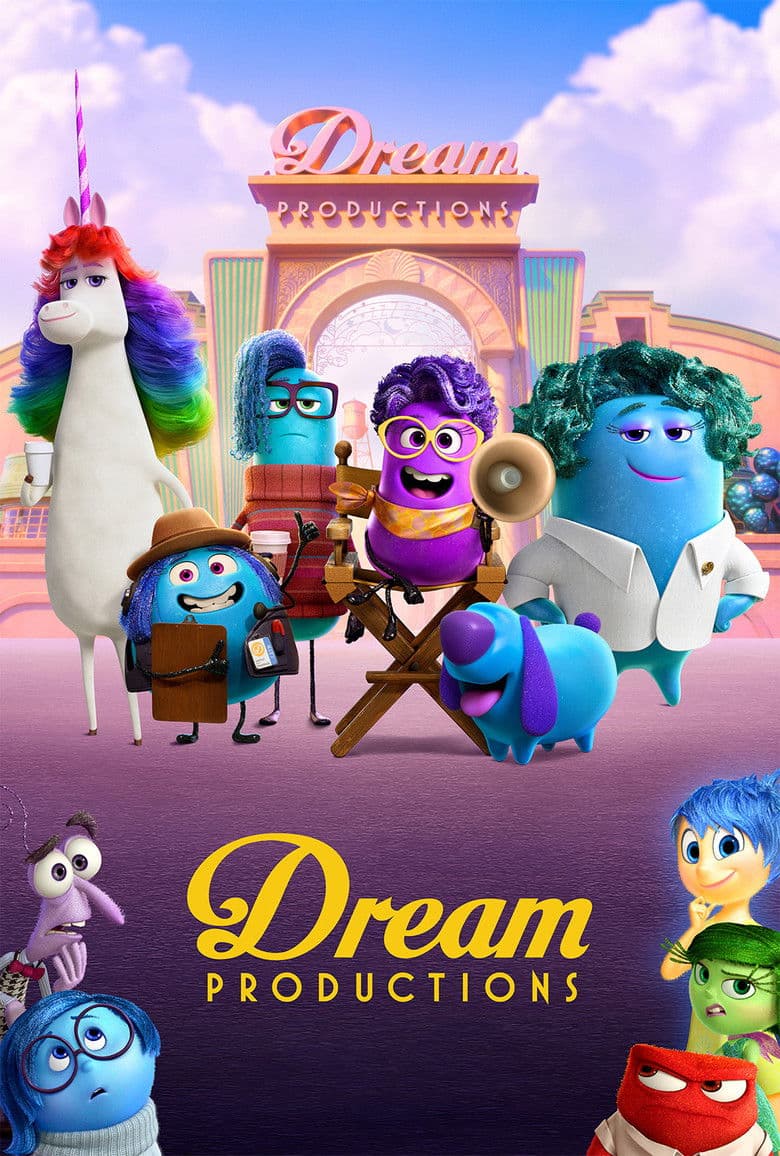
TV Show · 2024
Riley is growing up and when her memories need some extra processing, Joy and the rest of the Core Emotions send them to Dream Productions.
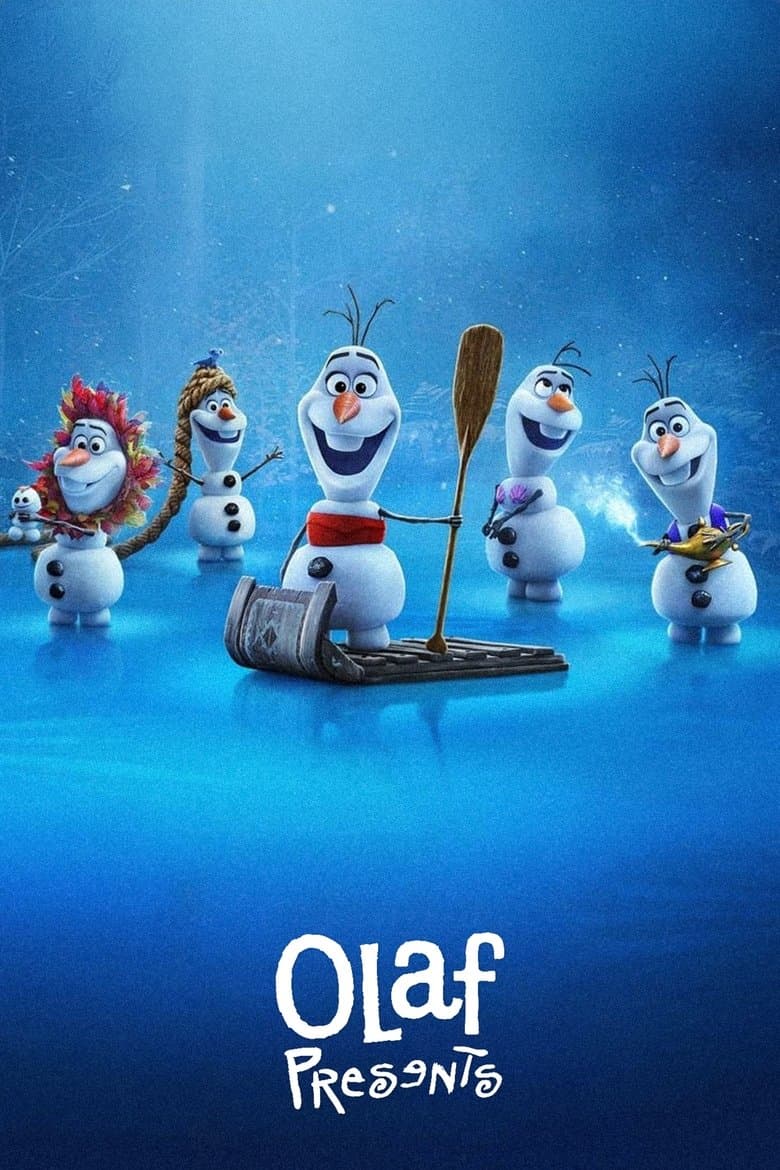
TV Show · 2021
Frozen’s beloved snowman retelling several classic Disney tales as only he can.
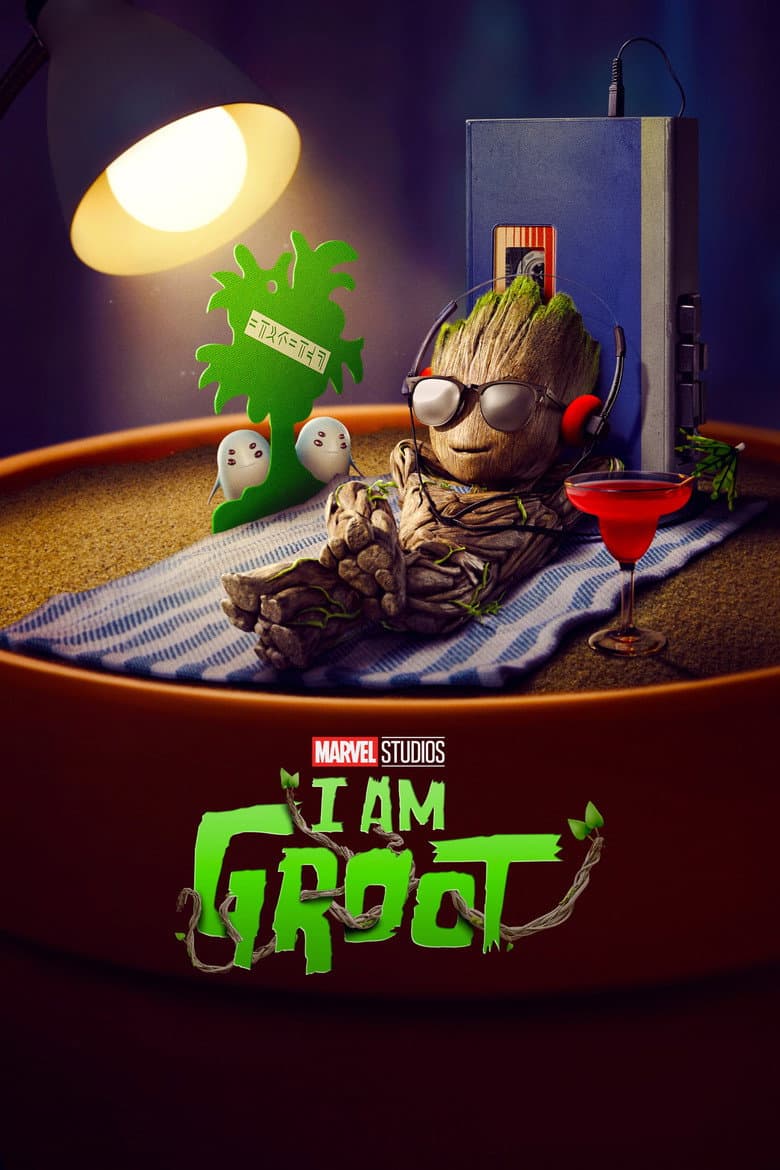
TV Show · 2022
There's no guarding the galaxy from this mischievous toddler! Get ready as Baby Groot takes center stage in his very own collection of shorts, exploring his glory days growing up…
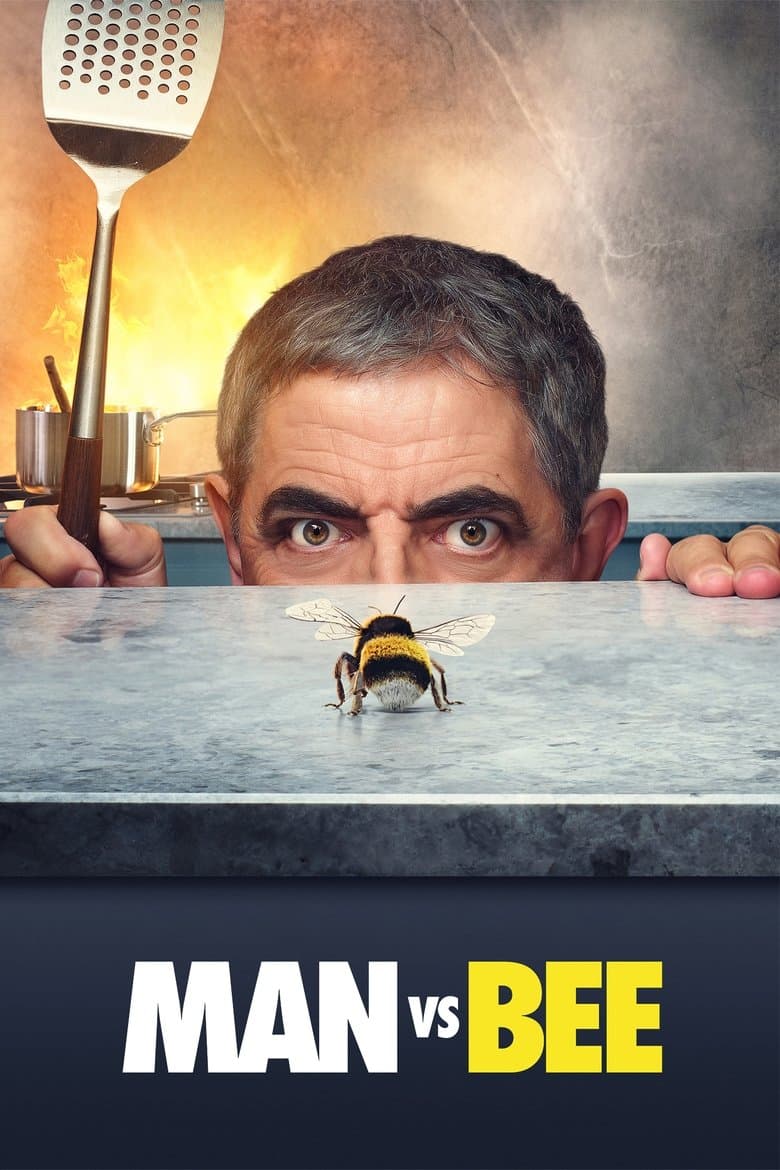
TV Show · 2022
Bumbling dad Trevor tries to get the best of a cunning bee while house-sitting a posh mansion — but only unleashes more chaos in this comedy series.
TV Show · 2026
From the first dinosaurs to the last, this epic documentary series examines their 165 million years on Earth and the forces that shaped their evolution.
