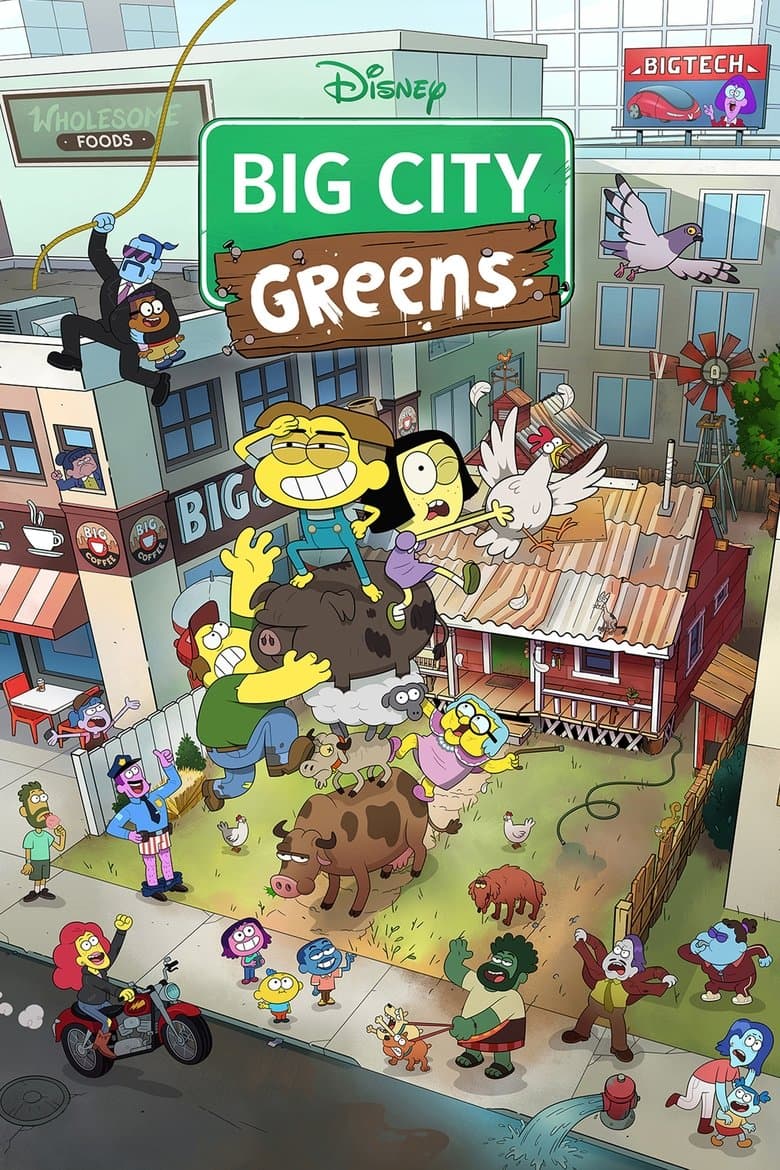
Started June 18, 2018 · Returning Series · Based on 4 seasons, 210 episodes through August 9, 2025 · TV-Y7 · 11 min
Big City Greens follows Cricket Green, a lively ten-year-old boy who leaves a farm and moves with his family to Big City. Cricket, his sister Tilly, his father Bill, and Gramma Alice face crowded streets, strange neighbors, new jobs, and many bad ideas. Cricket causes most of the trouble, but his family usually works together to fix it. Later seasons split the family between Big City and their country home in Smalton, while a long fight with the greedy Chip Whistler adds a larger story. The tone stays silly, warm, and fast, with short adventures about family, friendship, work, and growing up.
The show has some audience-visible identity content, but it stays in side stories. Alexander and Terry are a recurring male couple, although the show keeps them in the background. The library story “Quiet Please” uses American Sign Language after Tilly notices deaf visitors. Tilly also changes a traditional female coming-of-age ceremony so she can use her own clothes, words, and ideas. Women often lead family, farm, and business scenes, but Cricket remains the main hero and the show mostly teaches self-confidence, loyalty, and care for family.
Community feedback
Was our 30% Woke rating accurate?
Breakdown
These are the editorial factors and ratings behind our score for Big City Greens.
Woke representation / casting
Big City has a visibly varied group of recurring friends and neighbors, including Remy, Gloria Sato, Kiki Kitashima, and Andromeda. The show also keeps Alexander and Terry as a recurring male couple. The city setting makes this mix believable. The identity choices are noticeable but do not control the lead roles or the main plots.
24%
Woke political dialogue
Not present. The show does not repeatedly use spoken lines about modern identity politics, DEI, gender ideology, or activist causes.
0%
Identity-driven story themes
The show gives Tilly a coming-of-age story where she rejects a traditional family ceremony and changes the dress, speech, and ritual to suit herself. The show presents self-expression and being different as good, and several episodes give women strong jobs, skills, and control. The show also includes a recurring male couple and an episode built around the family learning ASL. These elements appear as side material, while the main story remains family comedy about Cricket’s troublemaking.
32%
Western institutional / cultural critique
Not present. The show mocks a greedy grocery company, bad business choices, and a reckless tech boss, but those plots target individual villains rather than a repeated modern argument against capitalism, Christianity, or Western institutions.
0%
Woke character or canon changes
Not relevant. The show is an original series. It does not change an older character, source story, or real historical figure.
0%
Anti-woke backlash and complaints
A Reddit discussion calls Bill’s softer behavior and Nancy’s tougher role part of a woke trend. Another small post objects to a joke that points to Alexander and Terry as a gay couple. Other users push back, and no large boycott or major news fight appears in the reviewed material. The complaints are fringe and mixed, so the backlash is limited.
12%
Creator track record context
The supplied creator profiles give Chris and Shane Houghton scores of 0 and describe their focus on family, rural life, and city culture shock. Matt Braly, Natasha Kline, Zeno Robinson, and Raj Brueggemann have supplied scores from 52 to 65 and bring more representation-aware work. Most of the other listed writers and directors have supplied scores from 0 to 48, so the team signal is mixed rather than strongly activist.
27%
Production
TV Show · 2022
Follow the misadventures of the impulsive Cuphead and his cautious but persuadable brother Mugman in this animated series based on the hit video game.
TV Show · 2024
Riley is growing up and when her memories need some extra processing, Joy and the rest of the Core Emotions send them to Dream Productions.
TV Show · 2022
There's no guarding the galaxy from this mischievous toddler! Get ready as Baby Groot takes center stage in his very own collection of shorts, exploring his glory days growing up…
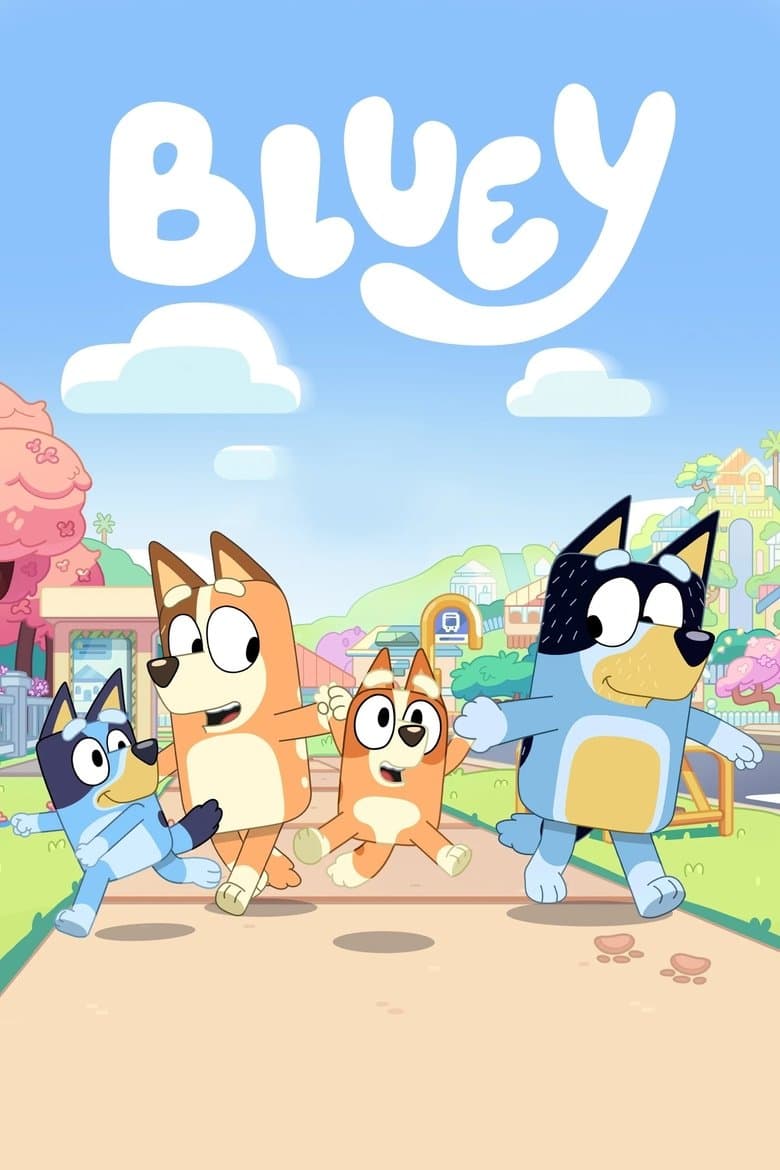
TV Show · 2018
Bluey is an inexhaustible six year-old Blue Heeler dog, who loves to play and turns everyday family life into extraordinary adventures, developing her imagination as well as her…
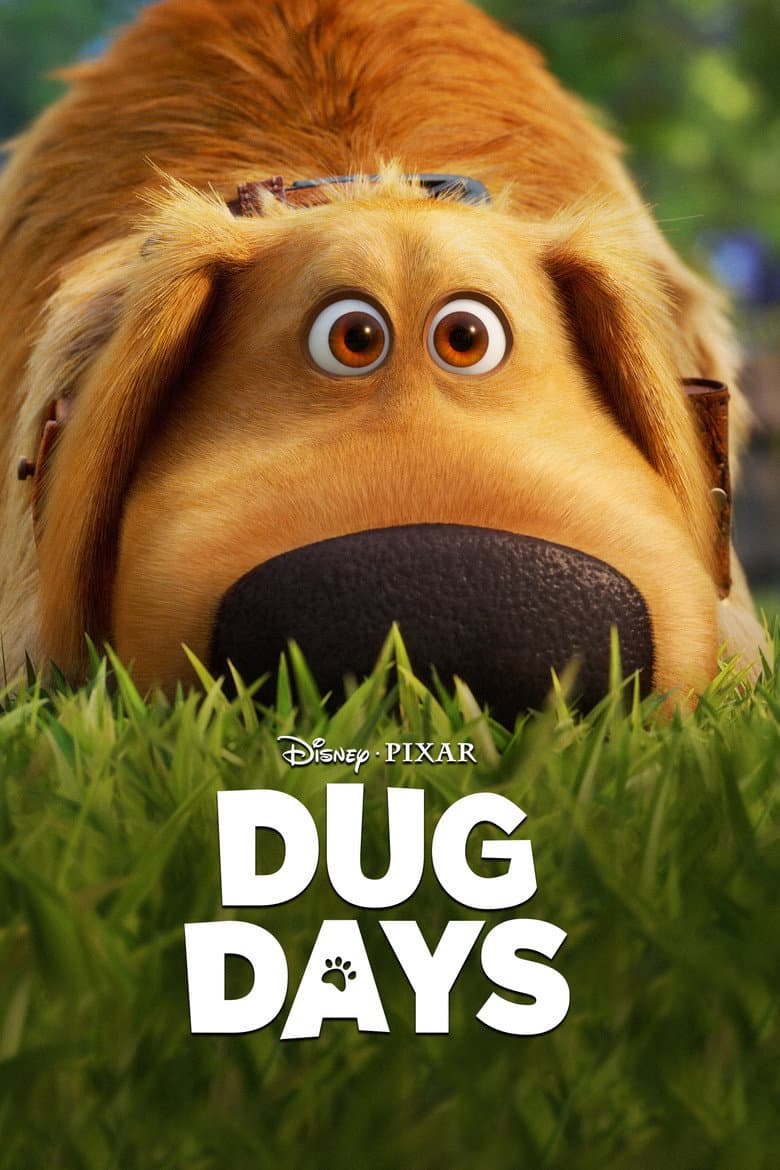
TV Show · 2021
A series of shorts that follows the humorous misadventures of Dug, the lovable dog from Disney and Pixar’s “Up.” Each short features everyday events that occur in Dug's backyard…
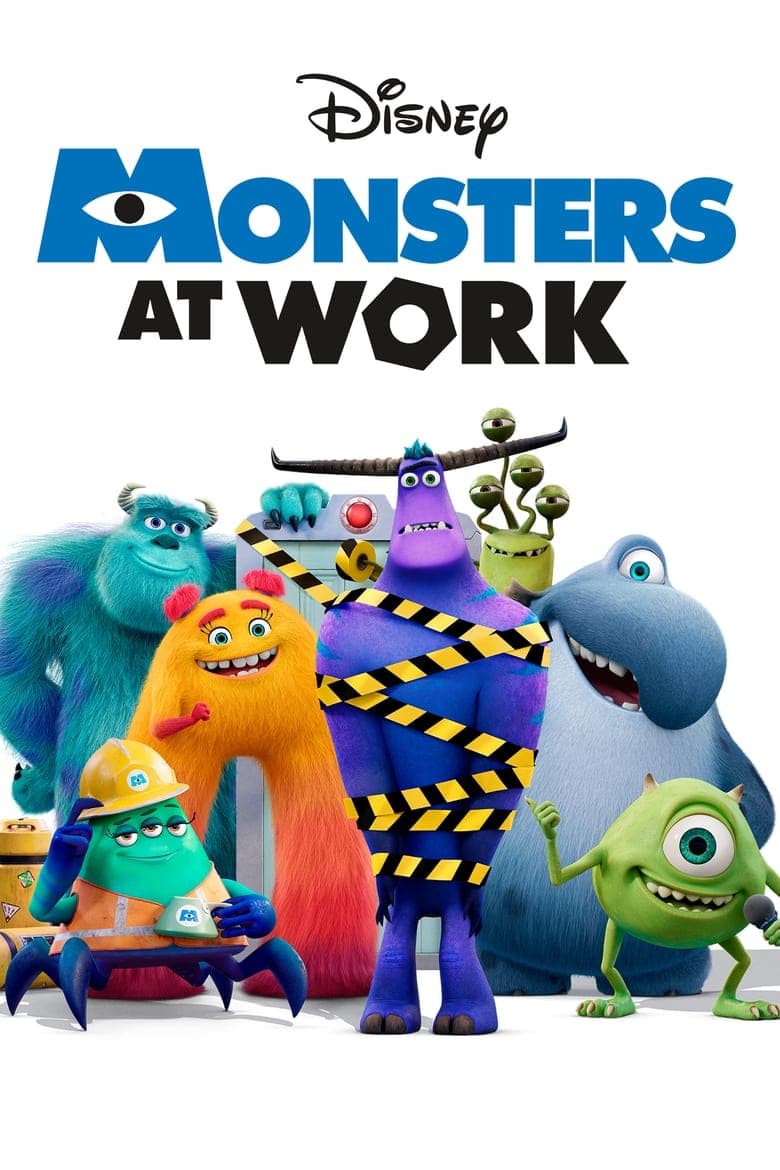
TV Show · 2021
Ever since he was a kid, Tylor Tuskmon has dreamed of becoming a Scarer just like his idol James P. Sullivan, and now that dream is about to come true... or not.
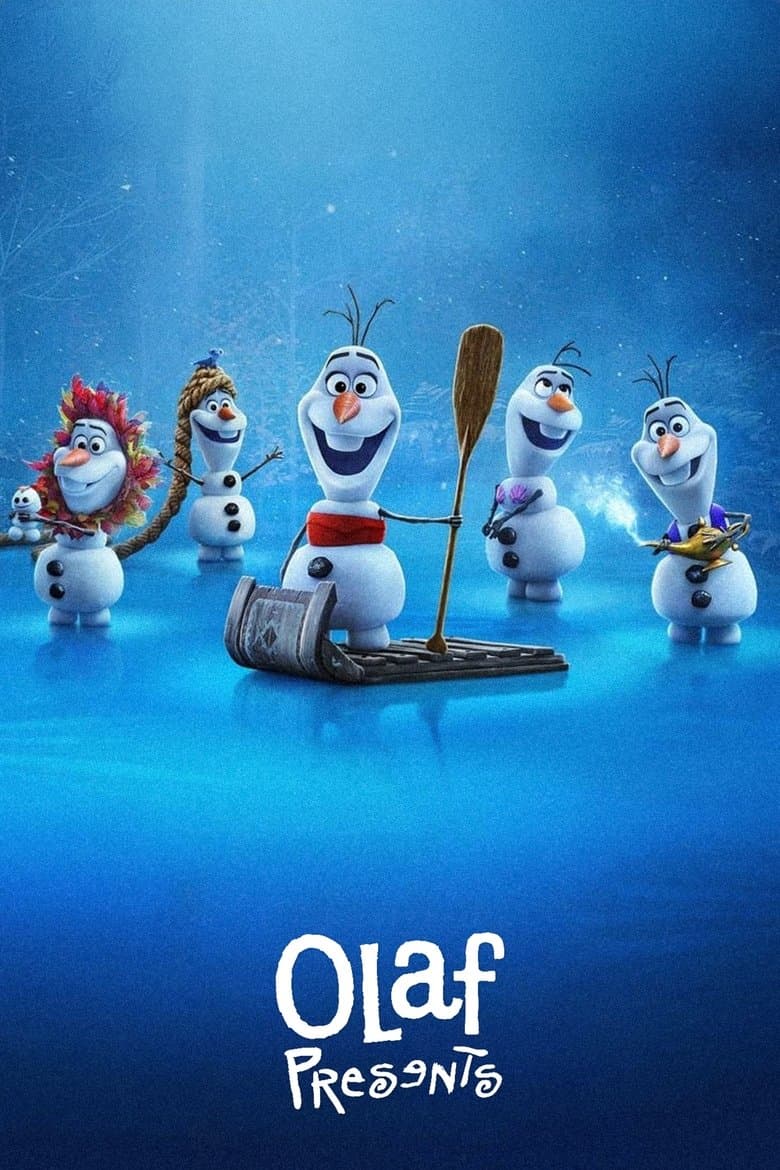
TV Show · 2021
Frozen’s beloved snowman retelling several classic Disney tales as only he can.
TV Show · 2022
Lightning McQueen and his best friend Mater head east from Radiator Springs on a cross-country road trip to meet up with Mater’s sister.
