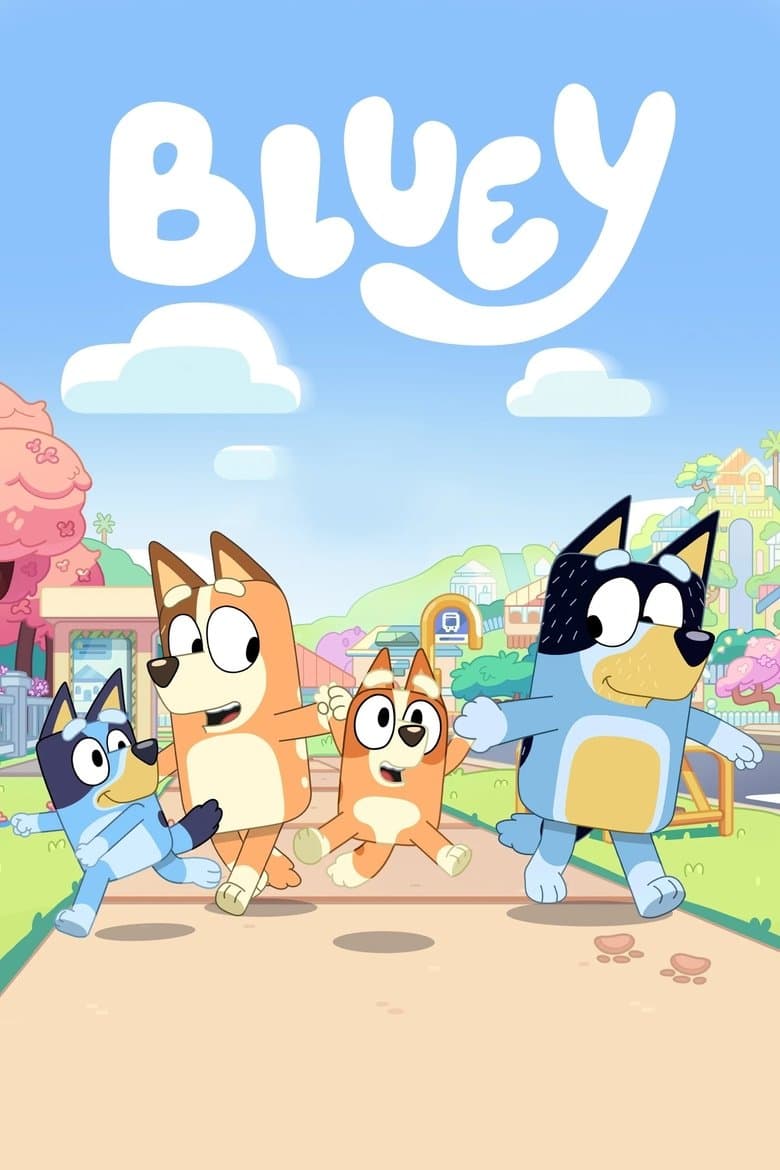
Started October 1, 2018 · Returning Series · Based on 3 seasons, 153 episodes through April 21, 2024 · TV-Y · 7 min
Bluey is a six-year-old blue heeler who lives in suburban Brisbane with her younger sister Bingo and their parents, Bandit and Chilli. She turns ordinary days at home, school, and around the neighborhood into games that test her imagination, patience, and feelings. The family faces small problems like sharing and chores, along with bigger changes such as grief, growing up, and the fear of moving house. The tone is warm, funny, and sometimes sad, with parents joining the games while still setting limits.
The show has little direct political content across its three seasons. The Sign includes a minor classmate who casually says that his mums told him a lost pet might return. Turtleboy briefly shows Dougie, a deaf child who uses sign language with his mother. These choices treat different families and abilities as ordinary, but they do not drive the main plot. The rest of the show centers on play, family bonds, managing feelings, friendship, and everyday Australian life.
Community feedback
Was our 17% Woke rating accurate?
Breakdown
These are the editorial factors and ratings behind our score for Bluey.
Woke representation / casting
Bluey uses dog breeds rather than human ethnic casting, so the main cast does not show human ethnic signaling. The Heeler family has a mother, father, and two daughters, and the main stories do not build a diversity-first group. The Sign adds a minor classmate who refers to his two mums, while Turtleboy includes Dougie, a deaf child who uses Australian sign language with his mother. Joe Brumm has also discussed why a girl leads the show, but the series does not sell Bluey as a political identity statement.
15%
Woke political dialogue
Not present. No activist language, lectures, institutional critiques, or identity-based discussions occur in any episodes. All dialogue stays centered on play, family routines, emotions, and kid-level problem solving.
0%
Identity-driven story themes
The Sign includes a short line in which Pretzel says that his mums told him his missing guinea pig might return. The show treats his family as ordinary and does not build a conflict or lesson around their relationship. The main season 3 stories instead follow moving house, marriage, work, grief, friendship, and play. The queer element is confirmed but remains background content.
10%
Western institutional / cultural critique
Not present. The series depicts involved parenting, a capable and affectionate father, household routines, and Australian culture in an affectionate, non-critical light. There is no framing of traditional family roles, masculinity, or Western norms as toxic or oppressive.
0%
Woke character or canon changes
Not relevant. This is an original series with no established source material, canon characters, or historical figures reinterpreted through identity or DEI lenses.
0%
Anti-woke backlash and complaints
A conservative writer criticized Bandit’s warm, playful fatherhood as a rejection of older father roles. Online critics later objected to Pretzel’s line about having two mums, and some posts called for a boycott. The complaints were narrow and focused on a background moment or a single reading of Bandit. Much broader reaction praised the show’s family stories, and Disney never confirmed that its U.S. omission of Dad Baby came from a political complaint.
25%
Creator track record context
Joe Brumm and the main Ludo Studio team have no strong public record of activist or identity-driven work. ABC children’s executives Libbie Doherty and Michael Carrington have supported wider diversity and inclusion efforts in children’s media. Their work adds mild context, but the show does not repeat those ideas as its main message.
12%
Production
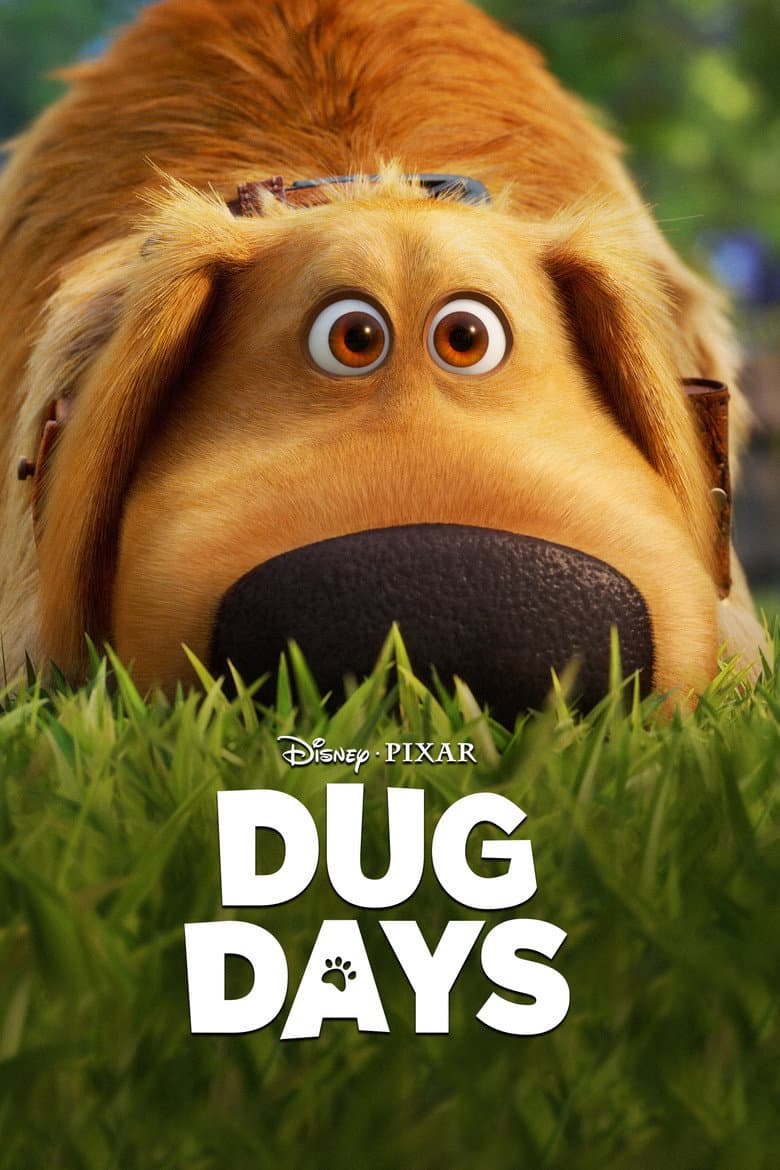
TV Show · 2021
A series of shorts that follows the humorous misadventures of Dug, the lovable dog from Disney and Pixar’s “Up.” Each short features everyday events that occur in Dug's backyard…
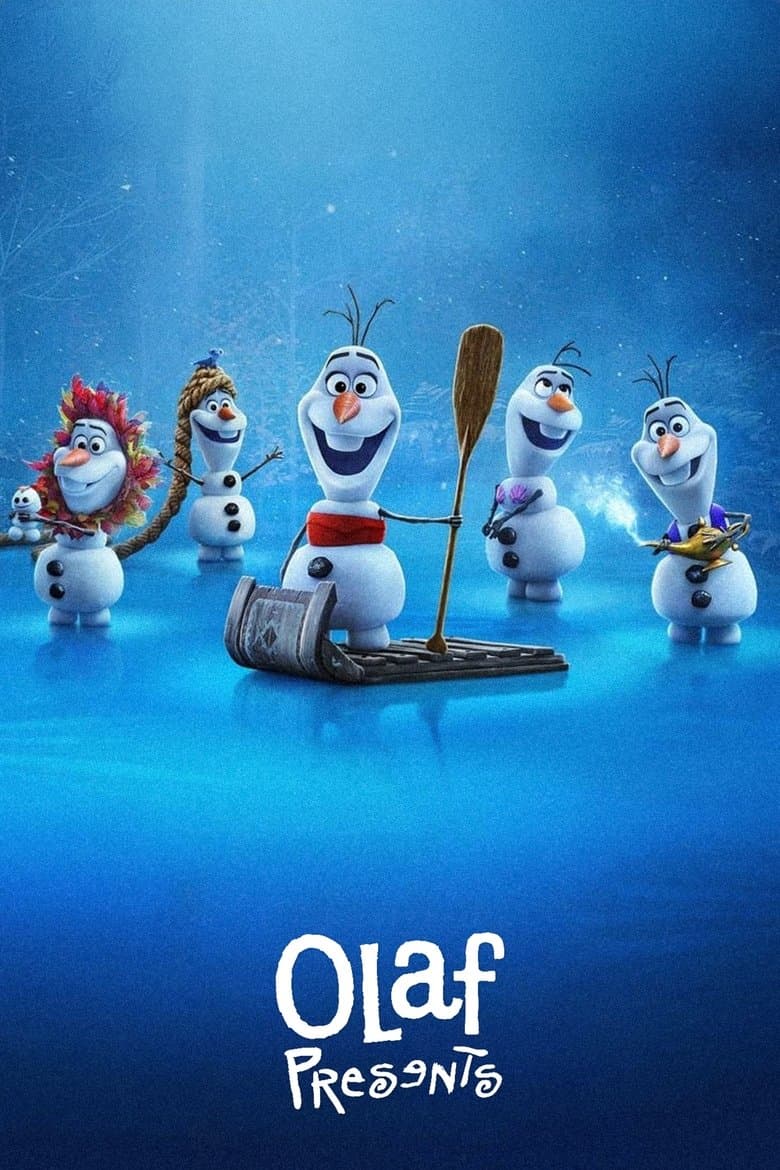
TV Show · 2021
Frozen’s beloved snowman retelling several classic Disney tales as only he can.
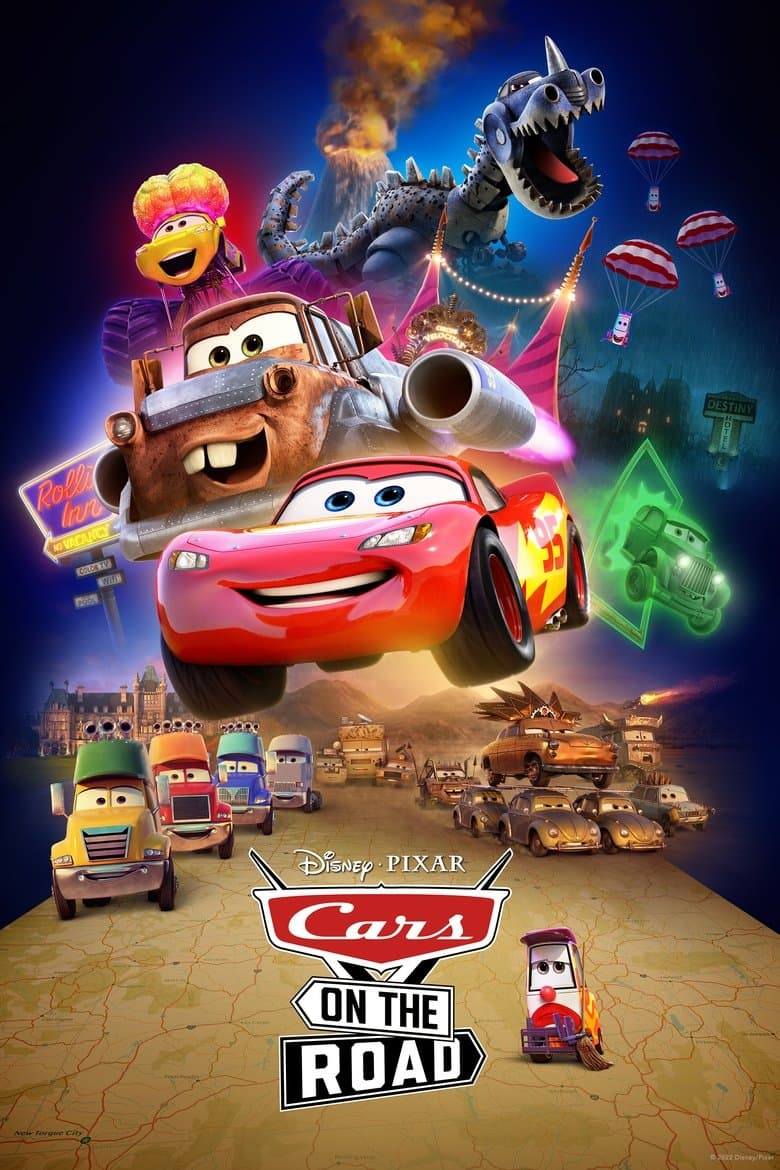
TV Show · 2022
Lightning McQueen and his best friend Mater head east from Radiator Springs on a cross-country road trip to meet up with Mater’s sister.
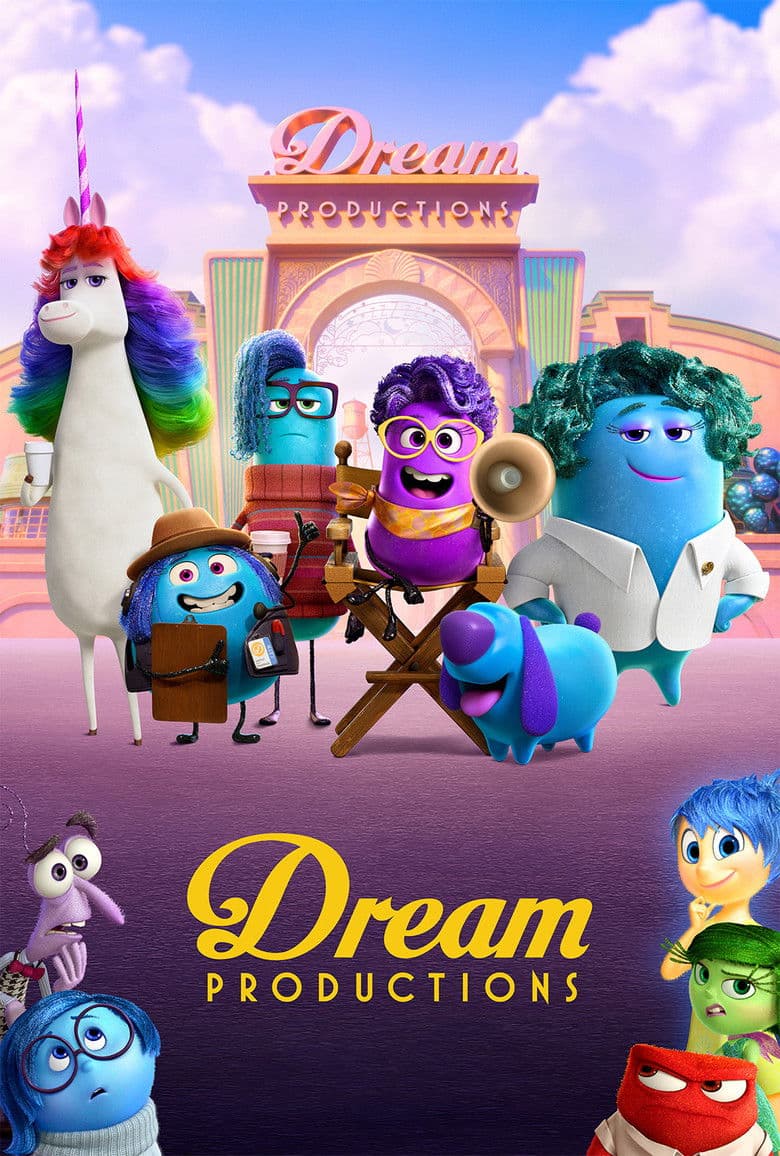
TV Show · 2024
Riley is growing up and when her memories need some extra processing, Joy and the rest of the Core Emotions send them to Dream Productions.
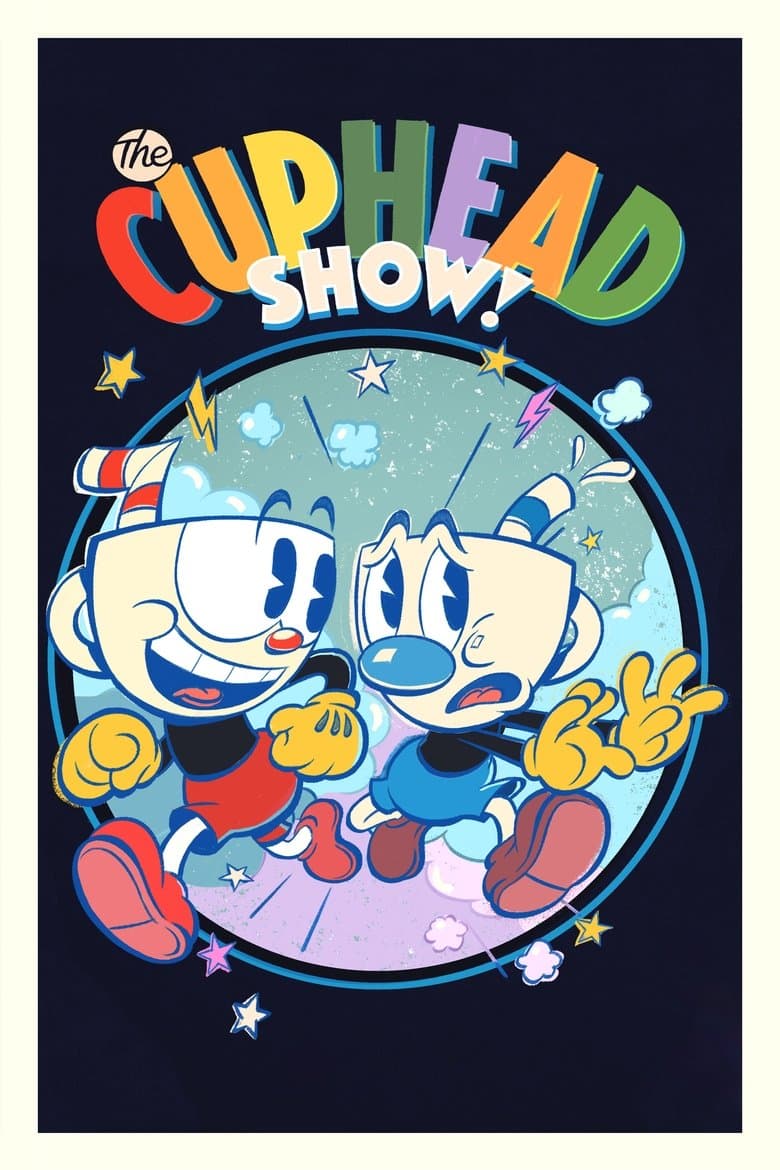
TV Show · 2022
Follow the misadventures of the impulsive Cuphead and his cautious but persuadable brother Mugman in this animated series based on the hit video game.
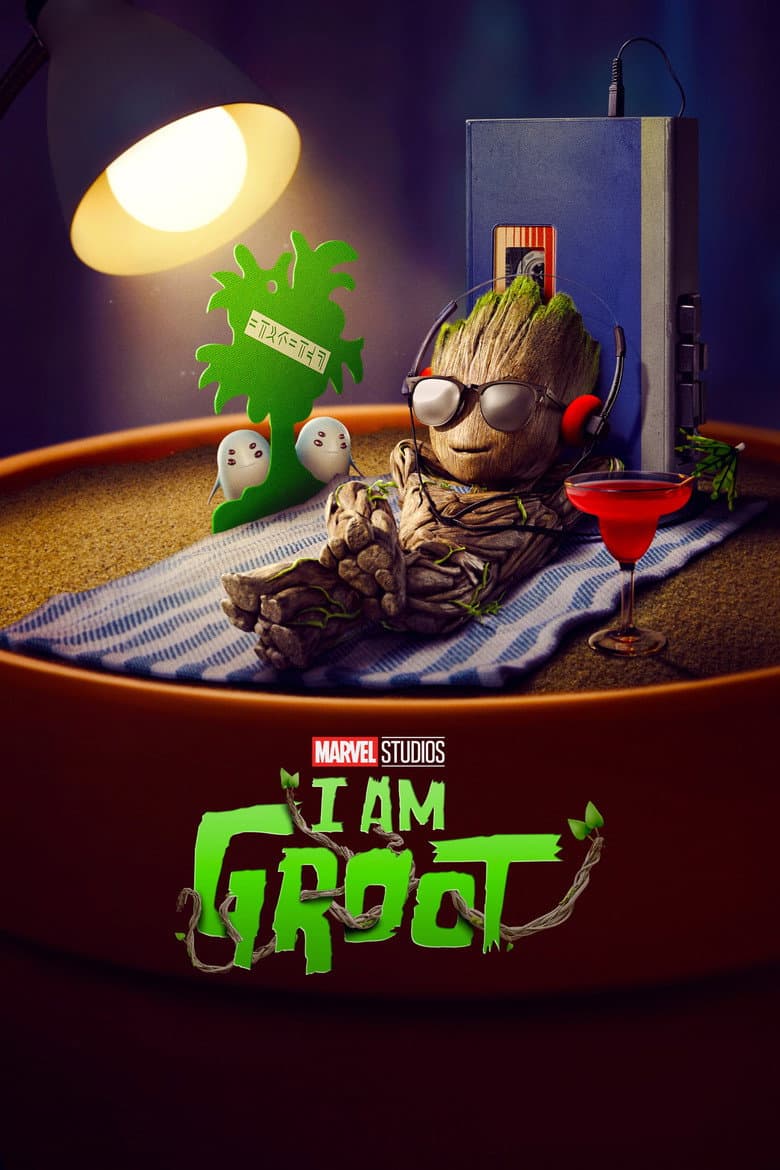
TV Show · 2022
There's no guarding the galaxy from this mischievous toddler! Get ready as Baby Groot takes center stage in his very own collection of shorts, exploring his glory days growing up…
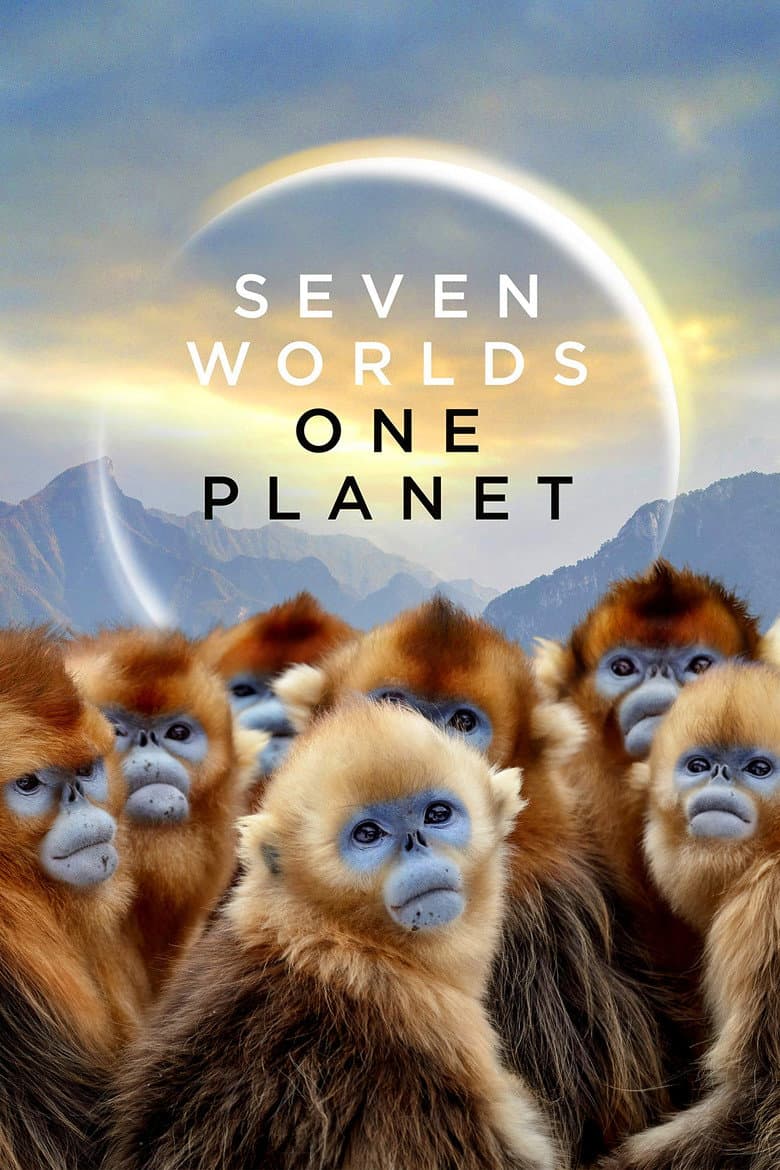
TV Show · 2019
Millions of years ago, incredible forces ripped apart the Earth’s crust creating seven extraordinary continents.
TV Show · 2026
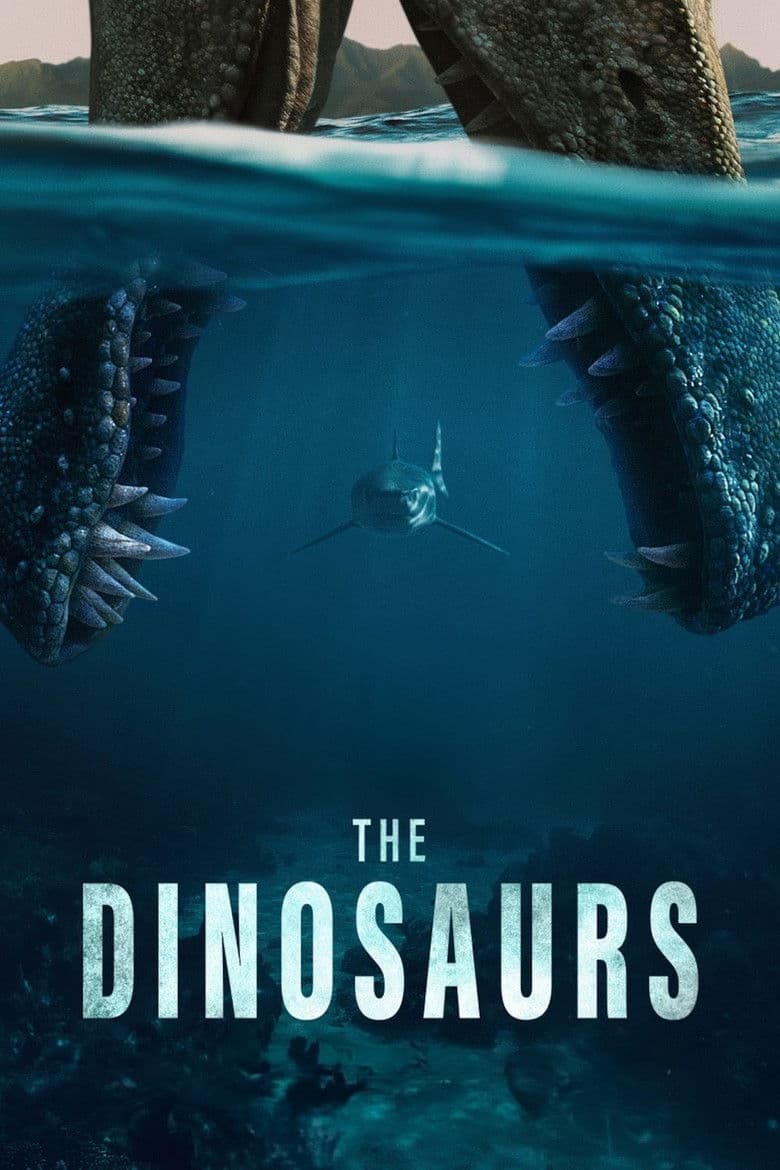
From the first dinosaurs to the last, this epic documentary series examines their 165 million years on Earth and the forces that shaped their evolution.
