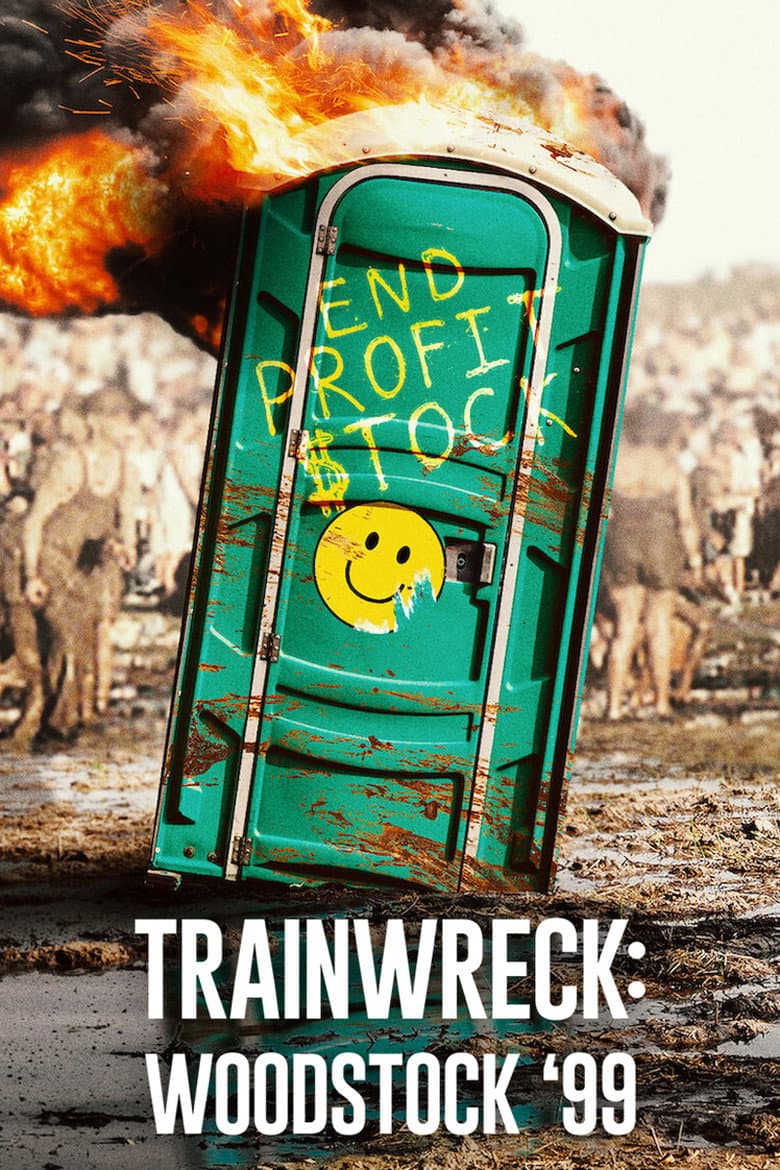
Started August 3, 2022 · Ended · Based on 1 season, 3 episodes through August 3, 2022 · TV-MA
Woodstock '99 is the central subject, with Michael Lang, John Scher, workers, musicians, and young attendees showing different sides of the event. The three-day festival takes place on a hot, concrete former Air Force base in Rome, New York, in July 1999. The organizers try to revive the peace and music image of Woodstock 1969 while also making a large profit. Heat, dirty water, high prices, weak security, drugs, and angry crowds push the event from excitement into assaults, riots, fires, and death. The tone moves from funny 1990s nostalgia to a tense and disturbing disaster story.
The series gives repeated attention to how women are treated at the festival. It shows men shouting at women, women being pressured to take off clothes, touching without consent during crowd surfing, and reports of rape. The final episode links this behavior to sexism, male entitlement, and the Me Too movement, and it says people should not accept it today. The main message is that bad planning and profit-first choices created the danger, while the crowd's macho anger and lack of respect helped turn that danger into a catastrophe.
Community feedback
Was our 45% Woke rating accurate?
Breakdown
These are the editorial factors and ratings behind our score for Trainwreck: Woodstock '99.
Woke representation / casting
Not present. The series uses a broad mix of musicians, staffers, journalists, and attendees. The people shown are there because they took part in or covered Woodstock '99, not because the title promotes a diversity-first cast.
0%
Woke political dialogue
Michael Lang connects the festival to the anti-Vietnam War mood of 1969, but that is historical background. The final episode says the Me Too movement grew from behavior like this and says people who complain about woke culture should be glad society rejects it now. Other comments call for girls to have fun like boys and link the event to sexism, race, and class. This political dialogue is concentrated near the end, while most of the series explains planning failures, greed, heat, and crowd violence.
34%
Identity-driven story themes
Women’s treatment is a recurring part of the story from the first day through the aftermath. The series shows men shouting for women to undress, women being groped during crowd surfing, and reports of rape. Interviewees connect these acts to male entitlement, sexism, and the way such conduct was accepted in the 1990s. The festival disaster still centers on greed, heat, weak safety, drugs, and crowd anger, so the gender themes are important but not the whole subject.
44%
Western institutional / cultural critique
The series treats the festival’s profit-first planning, price gouging, weak security, and corporate branding as cultural failures. It also repeats the idea that male ego and the 1990s acceptance of sexist behavior helped make the crowd dangerous. The final episode links that lesson to sexism, classism, and Me Too. These critiques recur across the three episodes, but the main targets remain the promoters and the crowd at this specific event.
42%
Woke character or canon changes
Not relevant. The documentary retells a real festival with archival footage and interviews. No established character or historical person is changed to promote an identity message.
0%
Anti-woke backlash and complaints
Some user reviews called the ending woke nonsense and objected to its toxic masculinity framing. Other forum comments mocked the idea that the event was caused by a toxic white man or said the documentary blamed men too heavily. Most discussion focused on the festival disaster, the promoters, and Fred Durst. The anti-woke reaction is real but small and mostly comes from user forums.
18%
Creator track record context
Jamie Crawford has no clearly documented activist or identity-driven public profile. Most listed producers also have little or no such record. Sasha Kosminsky has made a documentary about gay activists and striking Welsh miners, while Amani Duncan has led representation-focused marketing work. The title-related interview stresses nostalgia, anarchy, greed, profit, and first-hand reporting rather than a diversity message.
18%
Production
TV Show · 2021
The documentary series explores different political figures throughout history.
TV Show · 2023
With never-before-seen footage, this docuseries follows David Beckham's meteoric rise from humble beginnings to global football stardom.
TV Show · 2017
A four-part documentary series that tells the stories of Jimmy Iovine and Dr. Dre -- one the son of a Brooklyn longshoreman, the other straight out of Compton - -- and their…

TV Show · 2022
When a 20-year-old attempts to win a fighter jet in a Pepsi sweepstakes, he sets the stage for a David versus Goliath court battle for the history books.

TV Show · 2020
Engineers, officials and the crew members' families provide their perspective on the 1986 Space Shuttle Challenger disaster and its aftermath.
TV Show · 2019
Explores the experiences of James Safechuck and Wade Robson, who were both befriended and sexually abused by singer Michael Jackson, and the complicated feelings that led them…
TV Show · 2023
Follow the bruised bodies, soul-crushing fumbles, agonizing losses, and pure joy of three NFL quarterbacks during one season.
TV Show · 2022
The lives of an emerging superstar and a filmmaker intertwine in this intense, intimate docuseries charting Kanye West's career, filmed over two decades.
