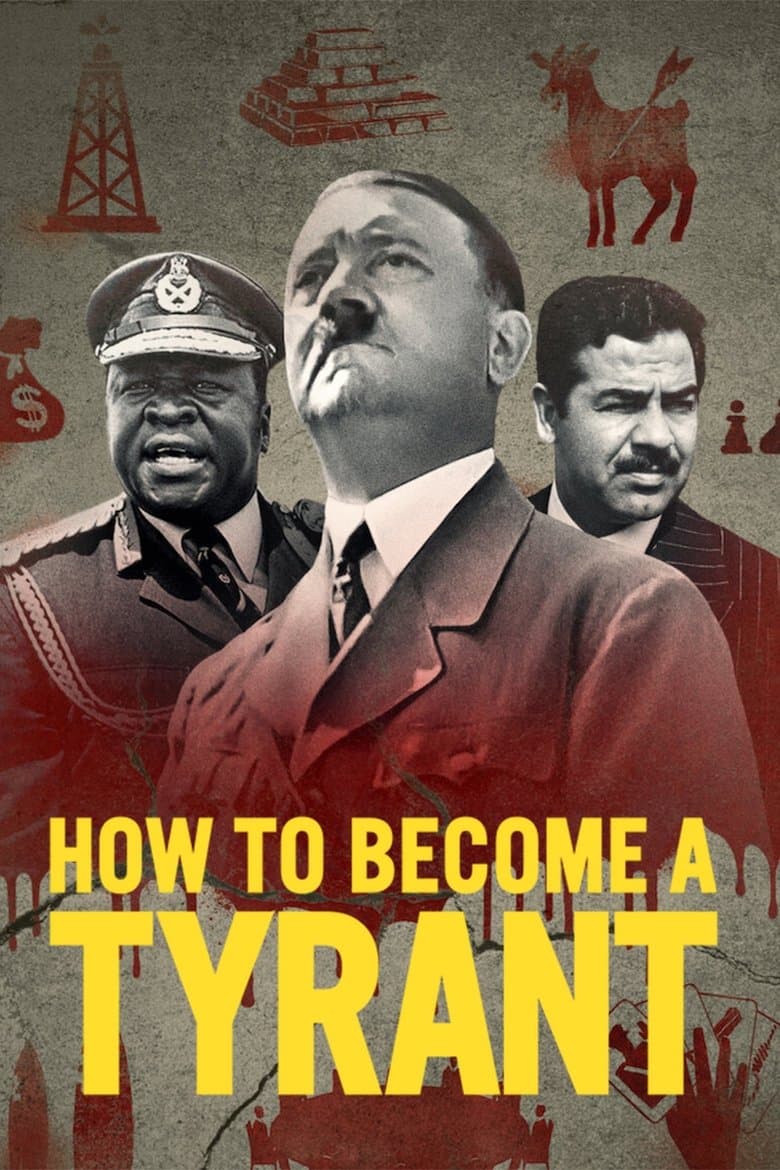
Started July 9, 2021 · Ended · Based on 1 season, 6 episodes through July 9, 2021 · TV-MA · 30 min
Peter Dinklage narrates a six-part history series about rulers who gained and kept total power. Each episode follows one step in the rise of a tyrant, from Adolf Hitler seizing control of Germany to the Kim family ruling North Korea. The series also studies Saddam Hussein, Idi Amin, Joseph Stalin, and Muammar Gaddafi. Archive film, expert interviews, and animation create a dark but sarcastic tone. The show treats the dictators as warnings, not heroes, even when it uses jokes to keep the history moving.
The main political message is that fear, propaganda, scapegoats, censorship, and forced unity can turn public anger into a dictatorship. The narrator says people may follow leaders who promise that they alone can fix a crisis, and the episodes connect that danger to politics in the present. One episode adds a gender-focused thread by contrasting male dictators with Gaddafi’s claim that women should be equal, while showing how his female guards were used and abused. The series also discusses colonial rule, Western-backed leaders, and attacks on free speech, but it presents these points as parts of a history lesson about power. The strongest woke signals are therefore mild political warnings and a short gender subplot, not the main subject of the show.
Community feedback
Was our 25% Woke rating accurate?
Breakdown
These are the editorial factors and ratings behind our score for How to Become a Tyrant.
Woke representation / casting
Not present. The series uses archival leaders and a mixed expert panel. No diversity-first casting message or repeated identity-based lead pattern is shown.
0%
Woke political dialogue
The narrator warns that people can follow leaders who say that only they can fix a crisis. The six episodes repeat warnings about propaganda, censorship, scapegoats, forced unity, and attacks on free speech. The show says these tactics can still appear in politics today and asks viewers to stay alert. The message is a general pro-democracy warning, not a party platform or a direct identity campaign.
26%
Identity-driven story themes
Gaddafi’s episode says modern dictators are men and describes authoritarian rule as a hierarchy with men at the top. The episode contrasts his claim that women should be equal with his female guards, who were abused. The narrator sarcastically calls one female executioner a role model for girls. This gives the season a noticeable but limited gender-focused subplot, while no queer-centered plot drives the series.
24%
Western institutional / cultural critique
Episode 1 briefly shows Gaddafi attacking a Western-backed monarchy and Idi Amin blaming British colonial rule. Episode 5 calls the metric system a symbol of Western oppression and shows Gaddafi defying America, while the narrator also criticizes his terrorism. These are brief historical and anti-colonial references, not a repeated attack on Western culture or capitalism.
18%
Woke character or canon changes
Not relevant. The series uses real historical figures and presents their documented regimes. No identity-driven change to a known character, source, or event is part of the show.
0%
Anti-woke backlash and complaints
Not present. The separate X pass found no anti-woke reaction. Web posts argued about Trump parallels, Western omissions, and the show’s handling of dictators, but no clear title-specific complaint said the show pushed woke or DEI content.
0%
Creator track record context
Peter Dinklage has a mild representation-focused record through comments about disability roles. Jonas Bell Pasht and Jonah Bekhor have restorative-justice documentary work. David Ginsberg has no high-confidence activist pattern. Jake Laufer has no clear activist pattern. This gives the producer group a low creator track record context score.
15%
Production

TV Show · 2023
Through vividly enhanced archival footage and voices from all sides of the conflict, this docuseries brings WWII to life like never before.
TV Show · 2023
With never-before-seen footage, this docuseries follows David Beckham's meteoric rise from humble beginnings to global football stardom.

TV Show · 2019
These blockbusters brought us together and gave us the time of our lives. Meet the actors, directors and industry insiders who made them happen.
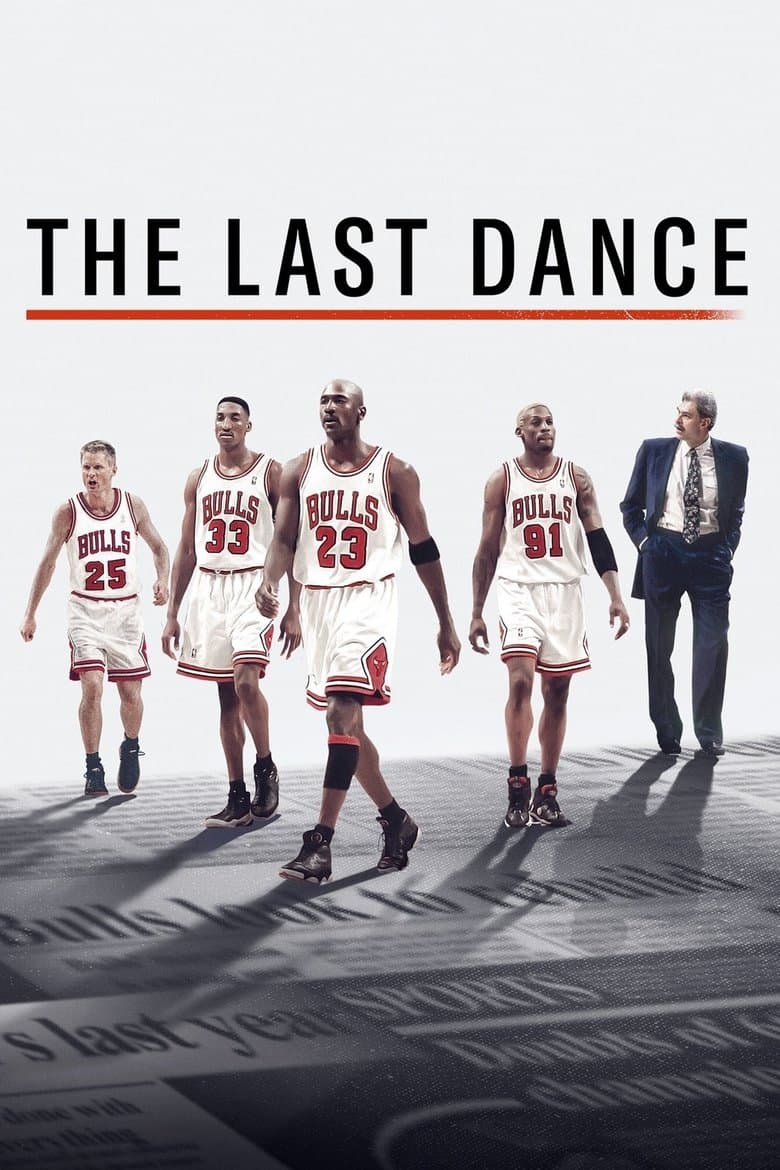
TV Show · 2020
A 10-part documentary chronicling the untold story of Michael Jordan and the Chicago Bulls dynasty with rare, never-before-seen footage and sound from the 1997-98 championship…
TV Show · 2021
Dynamic reenactments and expert commentaries bring to life the tumultuous history and power struggles of a warring 16th-century feudal Japan.
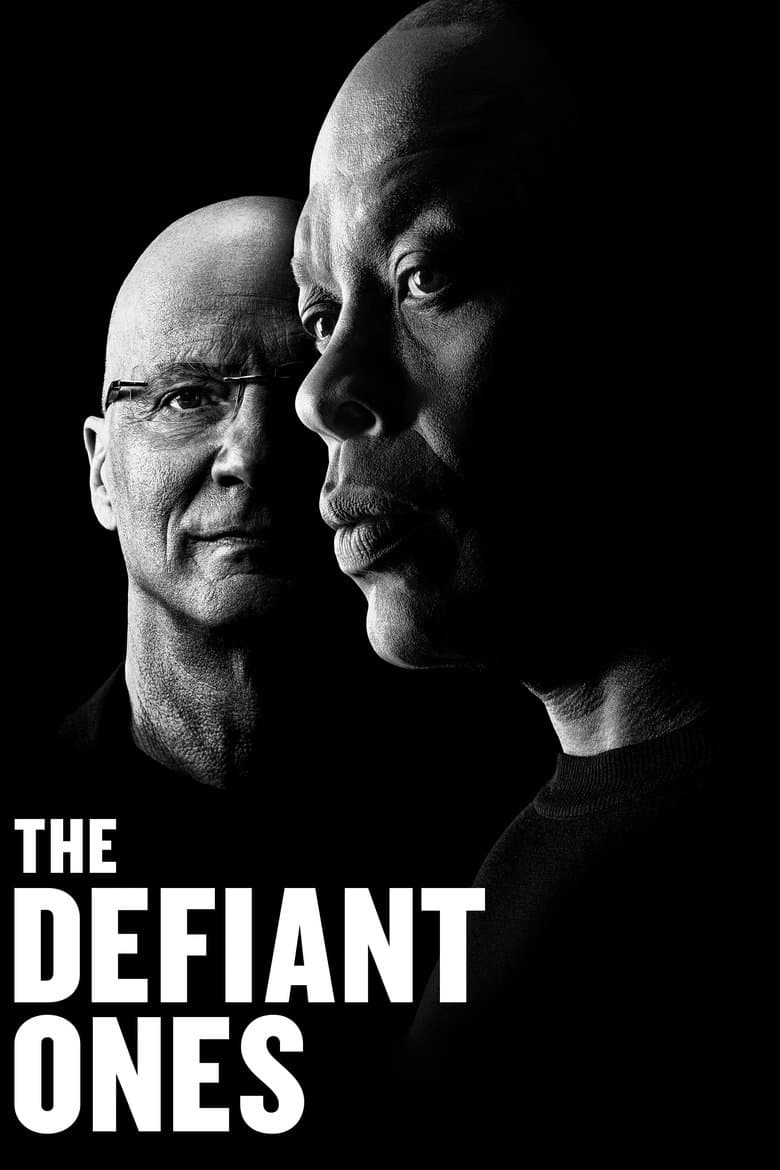
TV Show · 2017
A four-part documentary series that tells the stories of Jimmy Iovine and Dr. Dre -- one the son of a Brooklyn longshoreman, the other straight out of Compton - -- and their…
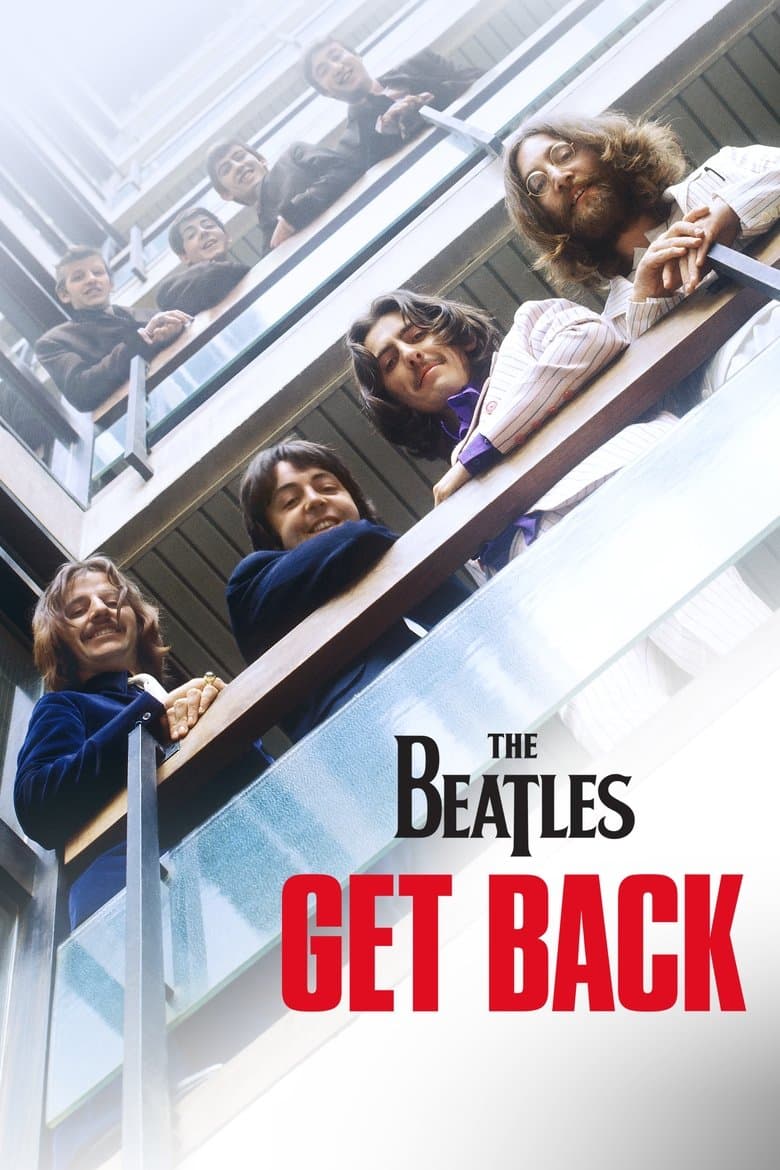
TV Show · 2021
The three-part documentary series, compiled from over 60 hours of unseen footage, captures the warmth, camaraderie, and creative genius that defined the legacy of music's most…
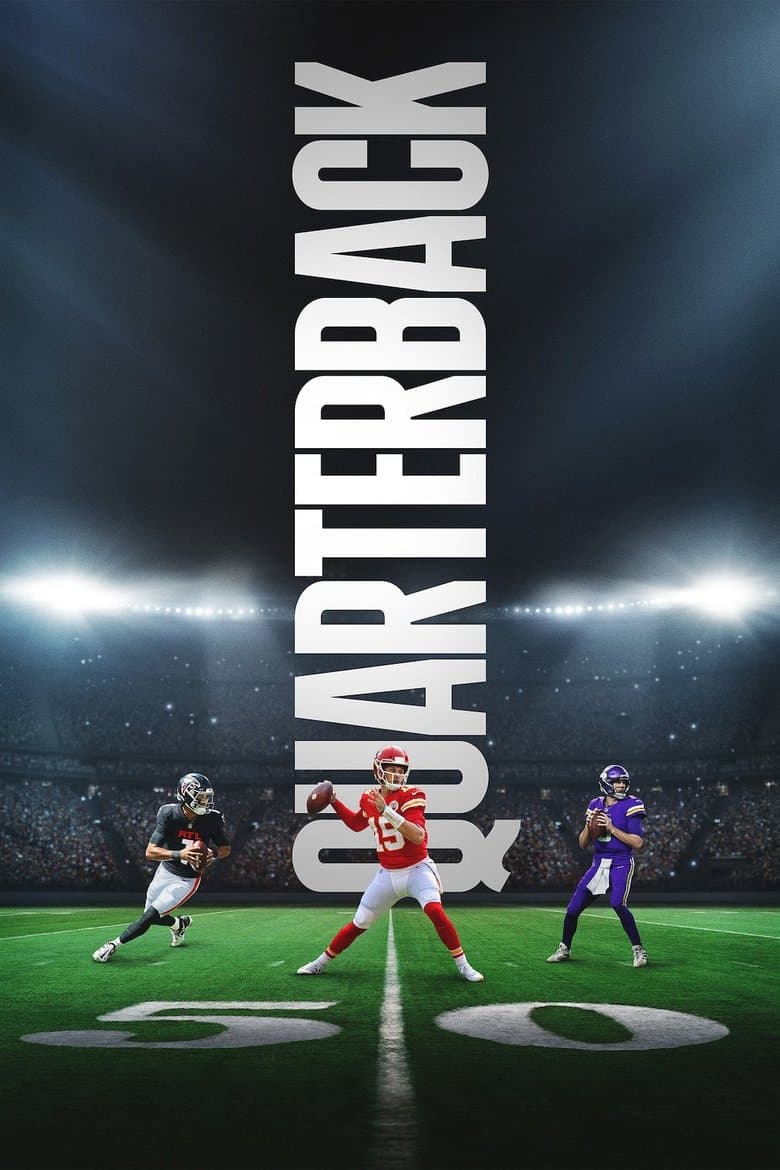
TV Show · 2023
Follow the bruised bodies, soul-crushing fumbles, agonizing losses, and pure joy of three NFL quarterbacks during one season.
