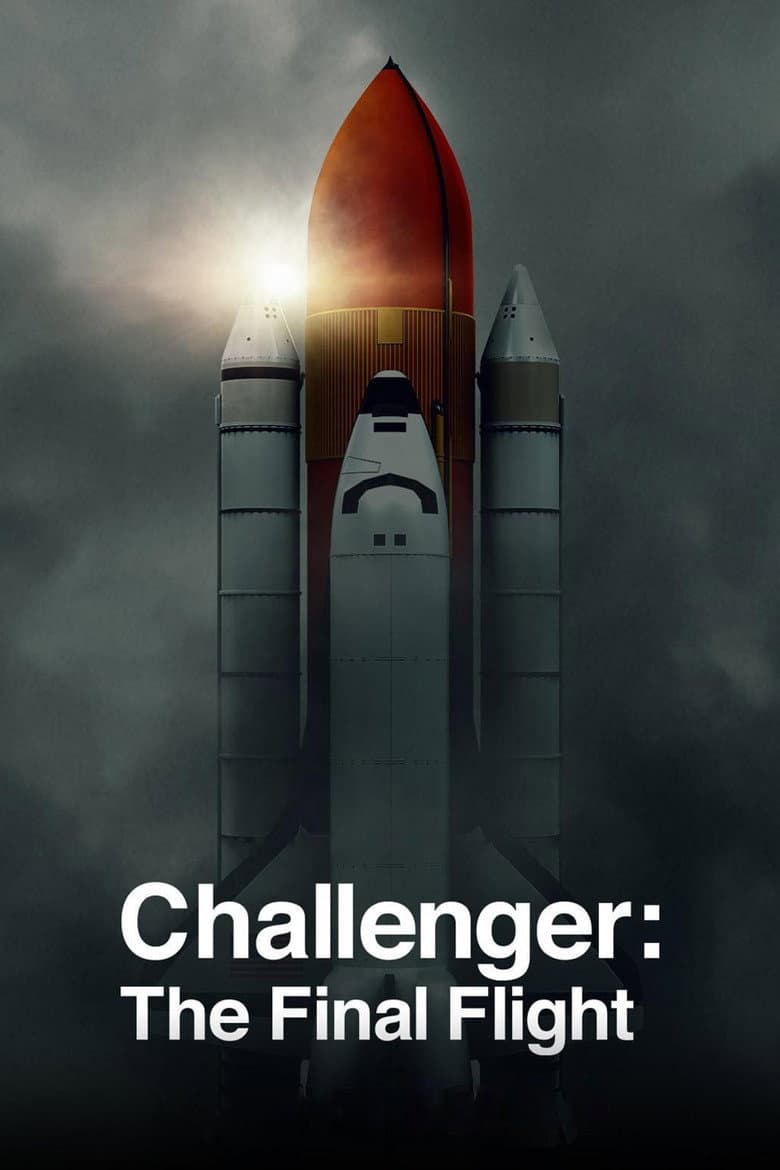
Started September 16, 2020 · Ended · Based on 1 season, 4 episodes through September 16, 2020 · TV-14 · 44 min
Challenger: The Final Flight follows the seven people aboard the Space Shuttle Challenger and the families who waited for them on the ground. Christa McAuliffe, a New Hampshire teacher, becomes the public face of a mission meant to bring space closer to ordinary families and schoolchildren. The series moves from NASA’s hopeful shuttle program to the cold January 1986 launch and the disaster 73 seconds later. The final episode follows the painful investigation and NASA’s effort to fly again. Its tone is serious, sad, and focused on human loss.
The show gives real attention to the crew’s varied backgrounds. It points out that Judith Resnik was an early woman astronaut, Ronald McNair was a black astronaut, and Ellison Onizuka was an Asian American astronaut. It also shows McAuliffe as the first teacher chosen for a space mission. The series links these facts to the idea that space should be open to everyone, especially children and teachers. That identity message is clear but limited because the main story stays with NASA’s safety warnings and the choices that led to the crash.
Community feedback
Was our 23% Woke rating accurate?
Breakdown
These are the editorial factors and ratings behind our score for Challenger: The Final Flight.
Woke representation / casting
Challenger’s real crew includes two women, a black astronaut, an Asian American astronaut, and civilian teacher Christa McAuliffe. The series repeatedly points out these identity firsts and presents the crew as one of NASA’s most diverse. The show also connects the crew to the idea that space is for everybody. The casting is historical and accurate, so the score stays mild rather than high.
22%
Woke political dialogue
Archival speakers describe the shuttle as a way to include women and make space open to ordinary people. The series repeats the idea that children should see space as something for everyone. The show uses these lines briefly and does not build a modern party or activist debate around them.
8%
Identity-driven story themes
The series repeatedly presents women, black and Asian American astronauts, and a civilian teacher as part of NASA opening space to more Americans. Christa McAuliffe’s role is tied to lessons for children and the promise that ordinary people could enter space. The show treats this as a hopeful part of the story. The disaster, safety failures, and family grief remain more important than that message.
24%
Western institutional / cultural critique
Not present. The series criticizes NASA managers, contractor leaders, public relations, and the pressure to meet launch goals. It presents those failures as the historical cause of a preventable disaster, not as a modern attack on capitalism, patriarchy, Christianity, family life, or conservative social norms.
0%
Woke character or canon changes
Not relevant. The series is a documentary about real events, not a new version of a fictional character or established story.
0%
Anti-woke backlash and complaints
Not present. Public discussion centers on the disaster, NASA’s safety failures, the crew, and the series’ emotional style. No sustained anti-woke or DEI backlash is tied to the show in the available public discussion.
0%
Creator track record context
Daniel Junge has a record of documentaries about women’s rights and LGBTQ activism and has described his work as social-justice filmmaking. Glen Zipper has made socially focused documentaries about disadvantaged youth and civil-rights protest. Steven Leckart has no strong public record of identity-focused activism, and the other producers have no clear activist pattern. This gives the series mild creator track record context, not a dominant signal.
18%
Production

TV Show · 2019
Using highly advanced colourisation techniques, critical moments from World War II, from Stalingrad to The Battle of Britain, are shown in a whole new light.

TV Show · 2019
Drivers, managers and team owners live life in the fast lane — both on and off the track — during each cutthroat season of Formula 1 racing.
TV Show · 2020
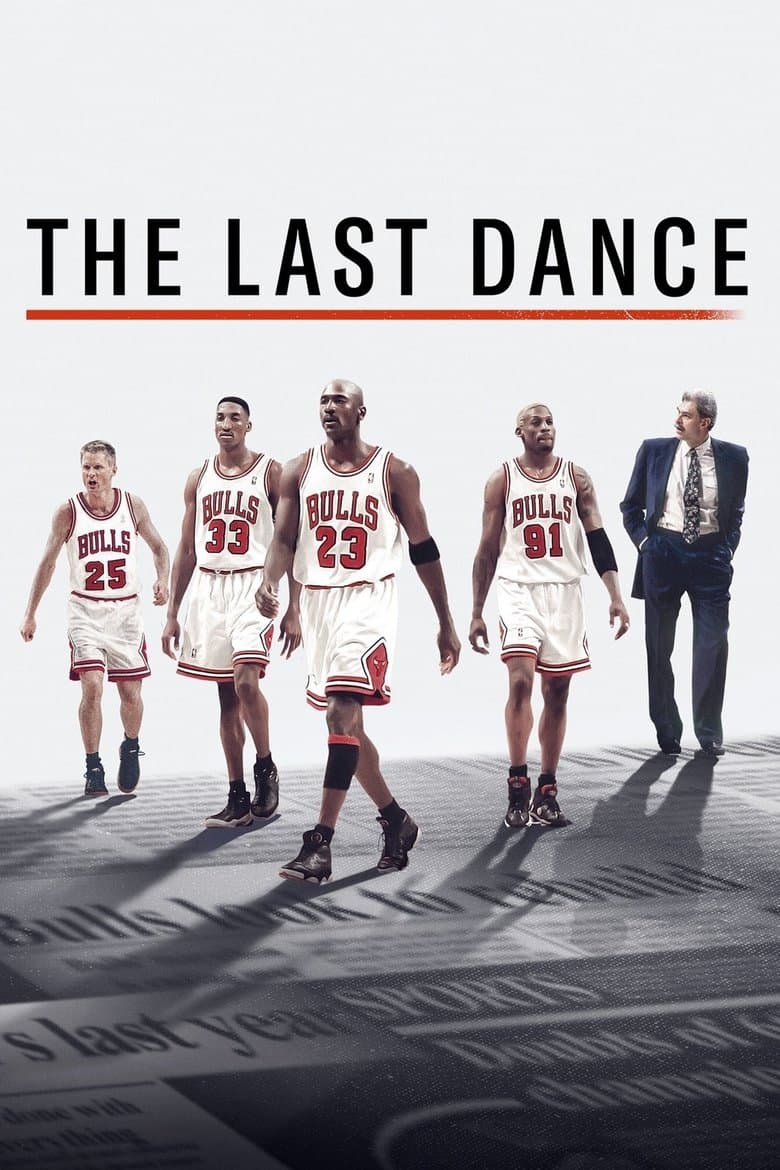
A 10-part documentary chronicling the untold story of Michael Jordan and the Chicago Bulls dynasty with rare, never-before-seen footage and sound from the 1997-98 championship…

TV Show · 2023
With never-before-seen footage, this docuseries follows David Beckham's meteoric rise from humble beginnings to global football stardom.
TV Show · 2021
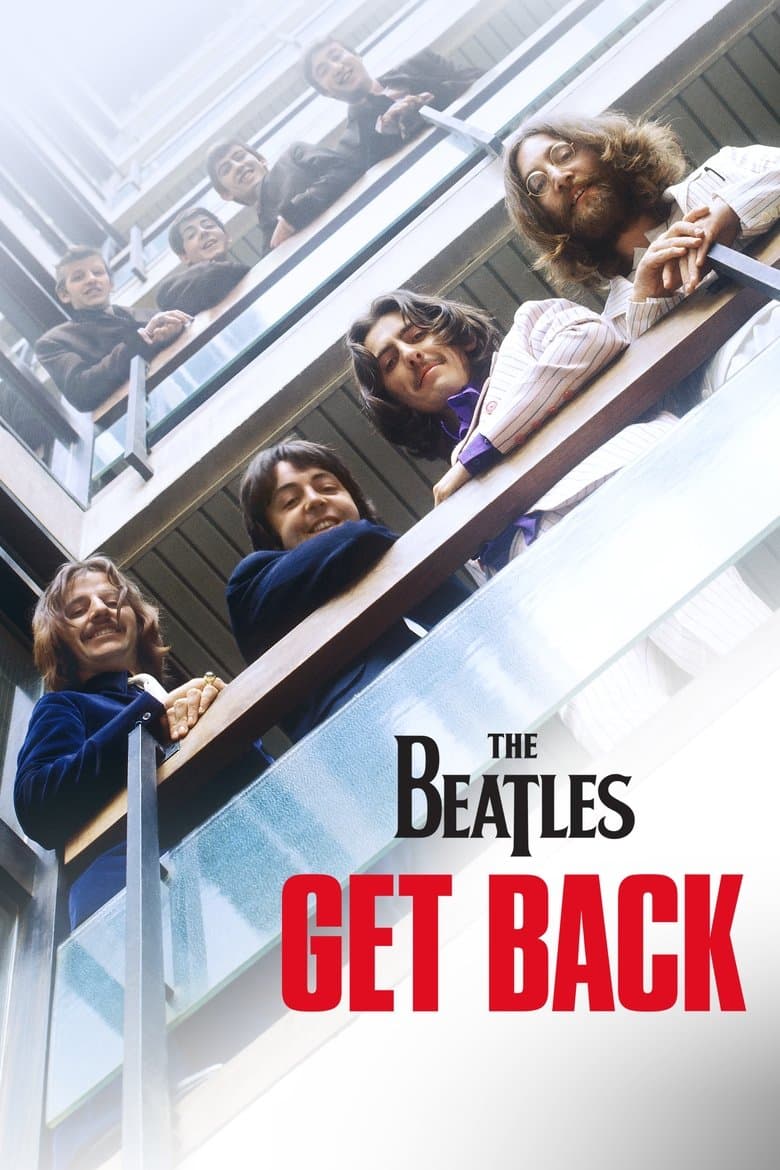
The three-part documentary series, compiled from over 60 hours of unseen footage, captures the warmth, camaraderie, and creative genius that defined the legacy of music's most…

TV Show · 2019
These blockbusters brought us together and gave us the time of our lives. Meet the actors, directors and industry insiders who made them happen.
TV Show · 2023
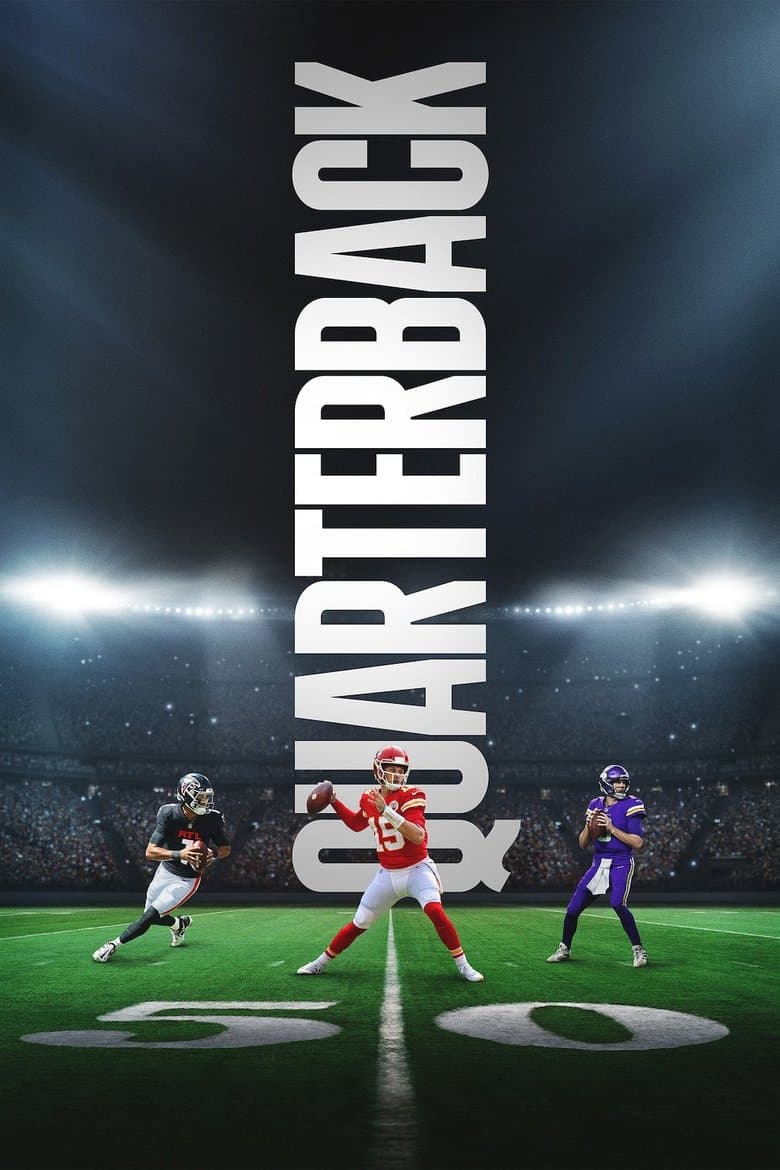
Follow the bruised bodies, soul-crushing fumbles, agonizing losses, and pure joy of three NFL quarterbacks during one season.
TV Show · 2023
In 2014, a plane with 239 people aboard vanishes from all radar. This docuseries delves into one of our greatest modern mysteries: Flight MH370.
