
Started November 17, 2022 · Ended · Based on 1 season, 4 episodes through November 17, 2022 · TV-MA
Pepsi, Where’s My Jet? follows John Leonard, a 20-year-old student in Washington State who takes a Pepsi commercial at its word. The ad says that seven million Pepsi Points can buy a Harrier fighter jet, so John builds a plan with his older friend Todd Hoffman and sends Pepsi a check for about $700,000. Pepsi rejects the claim, and the fight grows into a federal court case about jokes, promises, and what an advertisement can legally offer. The four episodes mix old footage, acted-out scenes, legal drama, and a light but sometimes serious 1990s tone.
John and Todd’s friendship, John’s bold plan, and the long fight with Pepsi drive the story. The final episode also follows Pepsi’s Number Fever contest in the Philippines, where a printing mistake helped create mass anger, violence, and deaths. The show presents Pepsi’s promise as careless and its legal defense as self-protective, while it treats John as an earnest underdog. Its main ideas are false advertising, corporate power, personal courage, friendship, and the danger of making promises to ordinary customers.
Community feedback
Was our 22% Woke rating accurate?
Breakdown
These are the editorial factors and ratings behind our score for Pepsi, Where's My Jet?.
Woke representation / casting
Not present. The show uses real people tied to the 1990s case, and most central subjects are White men. Women and Filipino interviewees appear when their real roles matter, not as a repeated identity message.
0%
Woke political dialogue
The show includes short comments about Pepsi’s power, Wall Street, top executives, and the little guy. These lines favor the consumer over a large company. The remarks are tied to the real lawsuit and the Philippines promotion. They do not become repeated speeches about race, sex, DEI, or modern party politics.
15%
Identity-driven story themes
Not present. John’s conflict centers on a Pepsi advertisement and a court case. The story follows friendship, ambition, persistence, and corporate responsibility, not identity politics.
0%
Western institutional / cultural critique
The series repeatedly shows Pepsi using a large legal and media machine against John. The Philippines contest shows the cost of careless corporate marketing. Some interviews use class language about Wall Street, top company leaders, and the little guy. The criticism stays tied to real business conduct and does not become a broad attack on Western society or capitalism.
23%
Woke character or canon changes
Not relevant. This is a documentary about a real 1990s case. It does not change the race, sex, sexuality, or roles of known fictional characters or historical figures.
0%
Anti-woke backlash and complaints
Not present. Searches found complaints about the series length, Netflix’s choices, Pepsi’s conduct, and Michael Avenatti. No reported backlash accused the show of pushing woke, DEI, identity politics, or left-wing messaging.
0%
Creator track record context
Andrew Renzi and Vivian Johnson Rogowski have broad documentary records with some social issue subjects, but cached profiles do not show a strong identity-politics persona. Several Boardwalk Pictures producers have made socially conscious documentaries about race, gender, and cultural power. This gives the project moderate creator track record context, even though the series centers on a Pepsi legal fight.
34%
Production

TV Show · 2023
With never-before-seen footage, this docuseries follows David Beckham's meteoric rise from humble beginnings to global football stardom.

TV Show · 2023
Through vividly enhanced archival footage and voices from all sides of the conflict, this docuseries brings WWII to life like never before.

TV Show · 2021
Dynamic reenactments and expert commentaries bring to life the tumultuous history and power struggles of a warring 16th-century feudal Japan.
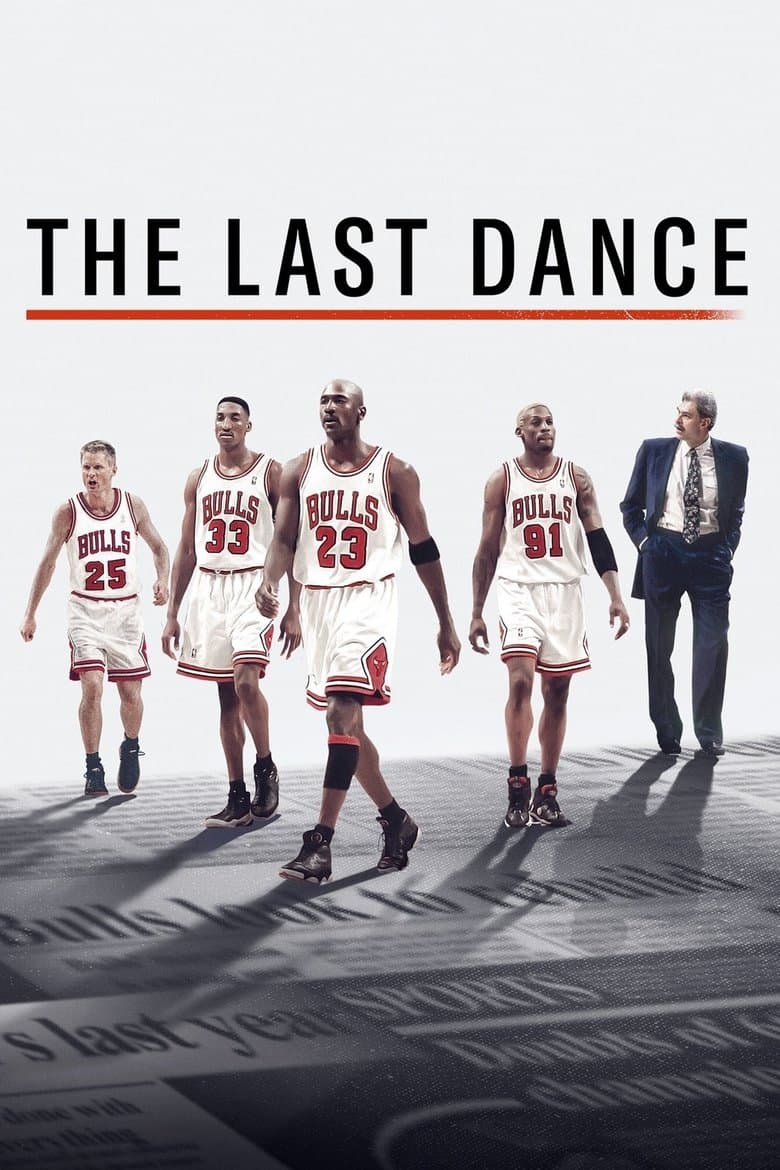
TV Show · 2020
A 10-part documentary chronicling the untold story of Michael Jordan and the Chicago Bulls dynasty with rare, never-before-seen footage and sound from the 1997-98 championship…

TV Show · 2019
Drivers, managers and team owners live life in the fast lane — both on and off the track — during each cutthroat season of Formula 1 racing.
TV Show · 2023
In 2014, a plane with 239 people aboard vanishes from all radar. This docuseries delves into one of our greatest modern mysteries: Flight MH370.
TV Show · 2023
Follow the bruised bodies, soul-crushing fumbles, agonizing losses, and pure joy of three NFL quarterbacks during one season.
TV Show · 2017
A four-part documentary series that tells the stories of Jimmy Iovine and Dr. Dre -- one the son of a Brooklyn longshoreman, the other straight out of Compton - -- and their…
