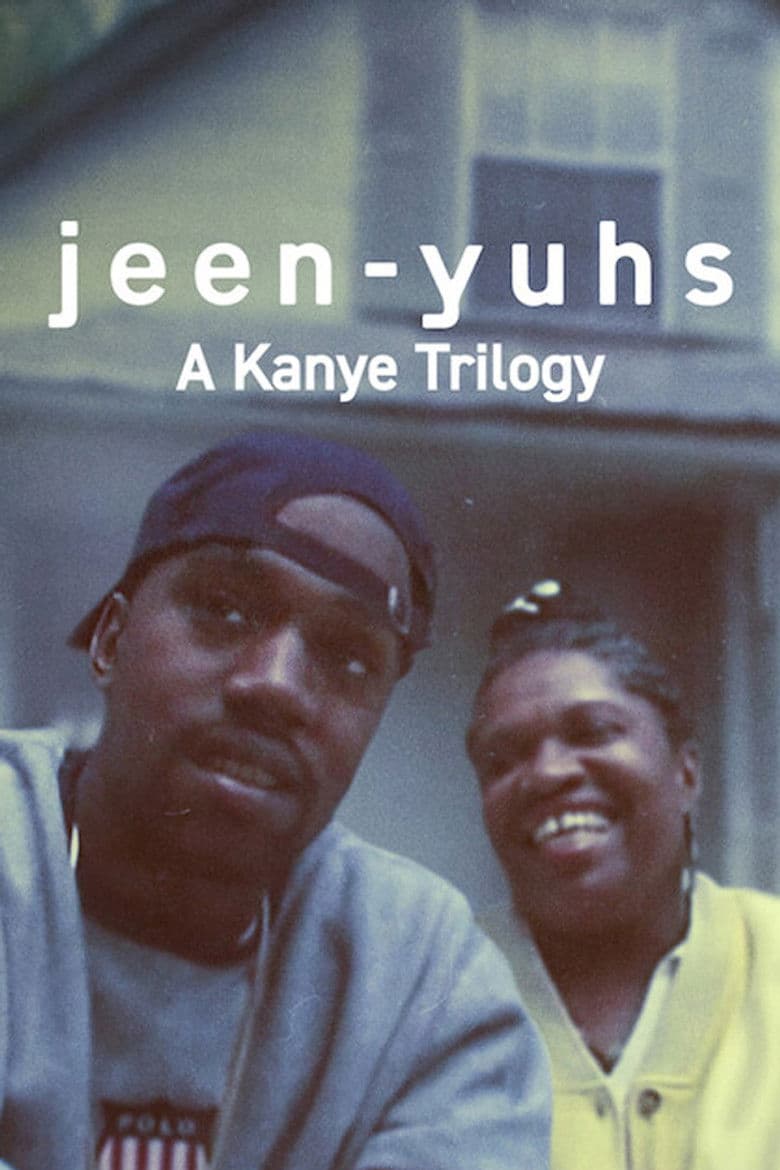
Started February 16, 2022 · Ended · Based on 1 season, 3 episodes through March 2, 2022 · TV-MA
Kanye West is a young producer from Chicago who wants to prove that he can also become a major rapper. Coodie Simmons follows him from small apartments and recording rooms to New York studios, record labels, world tours, and giant public events. The first two episodes show West fighting for a record deal, surviving a serious car crash, and making The College Dropout with help from his mother Donda and many music friends. The last episode jumps through his fame, Donda’s death, his changing behavior, and the growing distance between West and the filmmakers. The tone moves from warm and funny to sad, tense, and uncertain. The show gives some space to West’s ideas about Black life, Black voters, fame, and being judged for refusing expected political views. It also includes a short part of his 2020 presidential campaign, including his emotional comments about abortion, but the film does not build its story around those ideas. Its main message follows talent, faith, family, grief, mental health, and the cost of becoming famous. The strongest theme is the change from a hungry young artist surrounded by friends to a powerful but isolated man who can no longer be reached in the same way.
Community feedback
Was our 26% Woke rating accurate?
Breakdown
These are the editorial factors and ratings behind our score for jeen-yuhs: A Kanye Trilogy.
Woke representation / casting
Not present. The show follows real people from Kanye West’s music world, so the people shown fit the setting. The series does not present its casting as a diversity or identity campaign.
0%
Woke political dialogue
West raps that Black voters cannot reach the ballot box while they can reach luxury stores. The third act includes his comments about black culture and woke culture. A short 2020 campaign segment adds comments about abortion. These moments are brief and scattered, so they do not become a repeated activist message.
18%
Identity-driven story themes
The series centers a black artist’s fight to be taken seriously after the music business labels him only as a producer. It returns to black culture, family, faith, and the pressure on Black public figures to fit expected views. Donda’s guidance and West’s grief are treated as personal forces, not as a group-based political campaign. These themes recur across the trilogy, but ambition, fame, mental health, and friendship remain the main story.
28%
Western institutional / cultural critique
Not present. The show records label rejection, media pressure, and the loss of creative control, but it does not turn them into a modern activist critique of Western institutions. It also does not attack family, Christianity, or traditional gender roles.
0%
Woke character or canon changes
Not relevant. The series is a nonfiction account of West’s life, not an adaptation that changes an established character or historical figure.
0%
Anti-woke backlash and complaints
Not present. The coverage contains praise, mixed reviews, and fairness complaints, not a sustained claim that the show pushes woke or DEI content. The X pass found no anti-woke complaints, and a few right-leaning posts praised the show as not woke.
0%
Creator track record context
Coodie Simmons and Chike Ozah have a repeated record of telling stories about Black artists, athletes, and cultural figures. Their interviews about this project stress empathy, faith, impact, and helping people from similar backgrounds enter filmmaking. Some listed producers have worked on race, inequality, civil rights, and other social-issue documentaries. The wider producing team also includes many people with mainstream or commercial records, so the context is moderate rather than strongly activist.
35%
Production

TV Show · 2023
Through vividly enhanced archival footage and voices from all sides of the conflict, this docuseries brings WWII to life like never before.
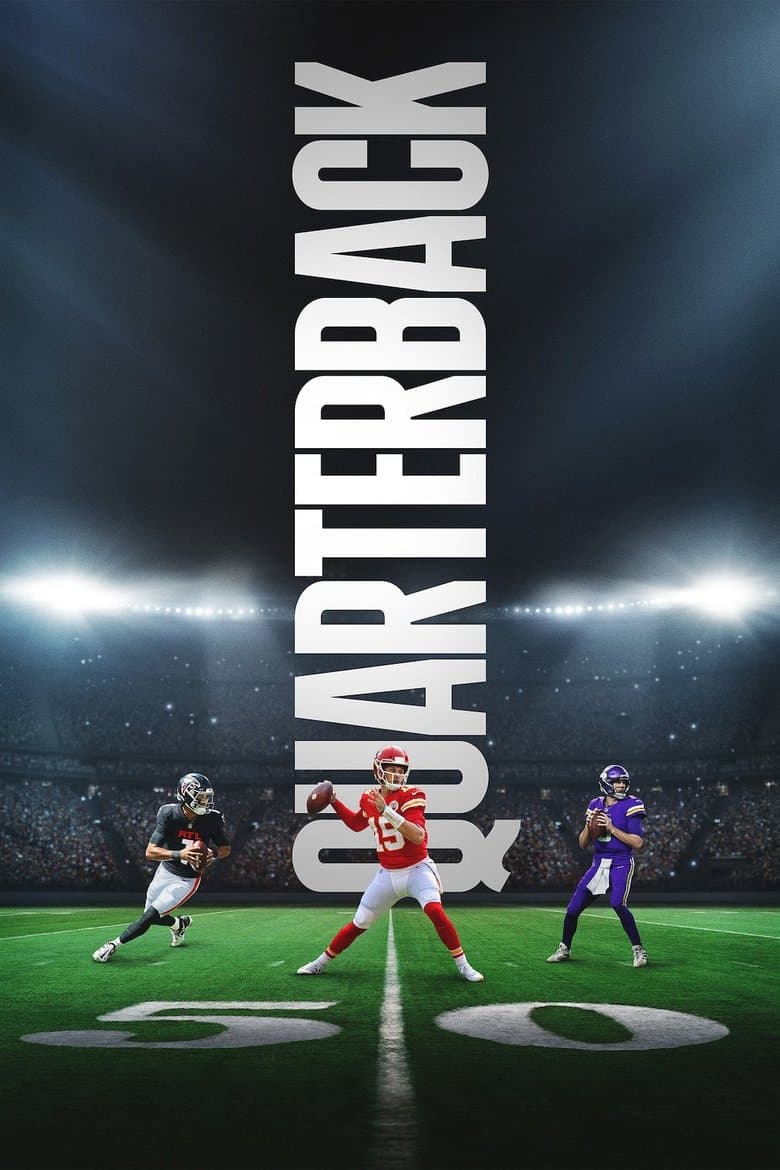
TV Show · 2023
Follow the bruised bodies, soul-crushing fumbles, agonizing losses, and pure joy of three NFL quarterbacks during one season.
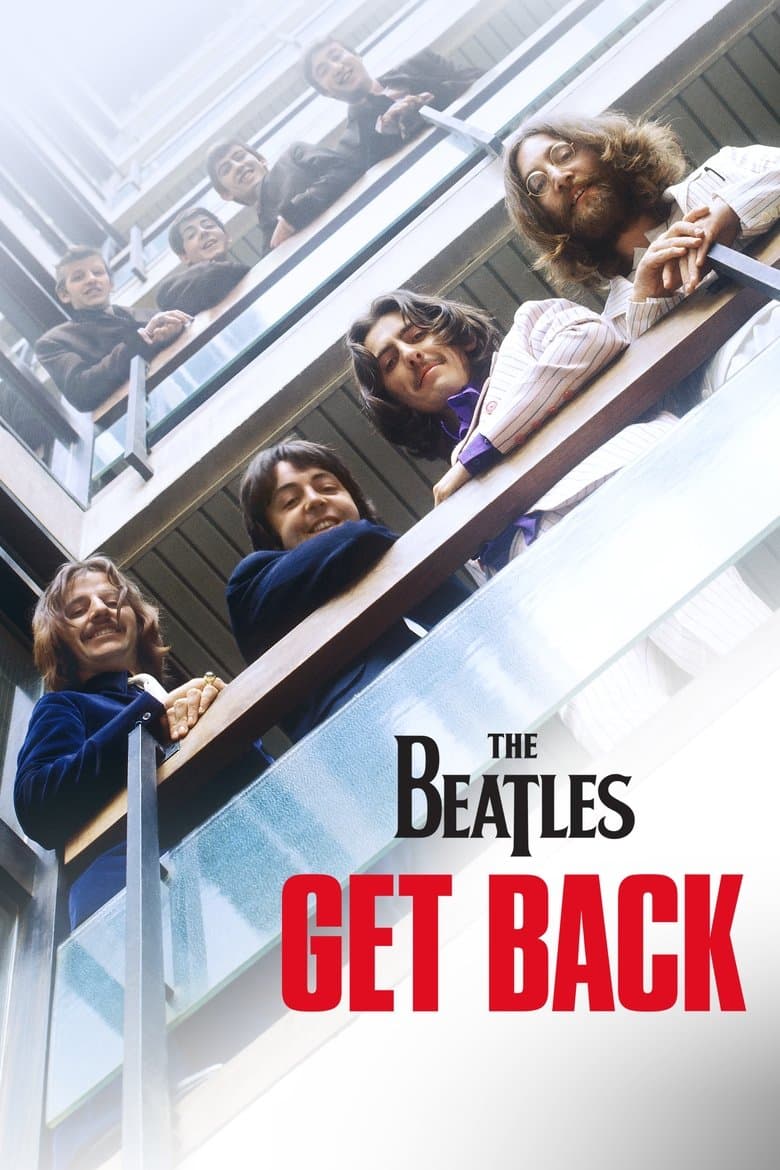
TV Show · 2021
The three-part documentary series, compiled from over 60 hours of unseen footage, captures the warmth, camaraderie, and creative genius that defined the legacy of music's most…
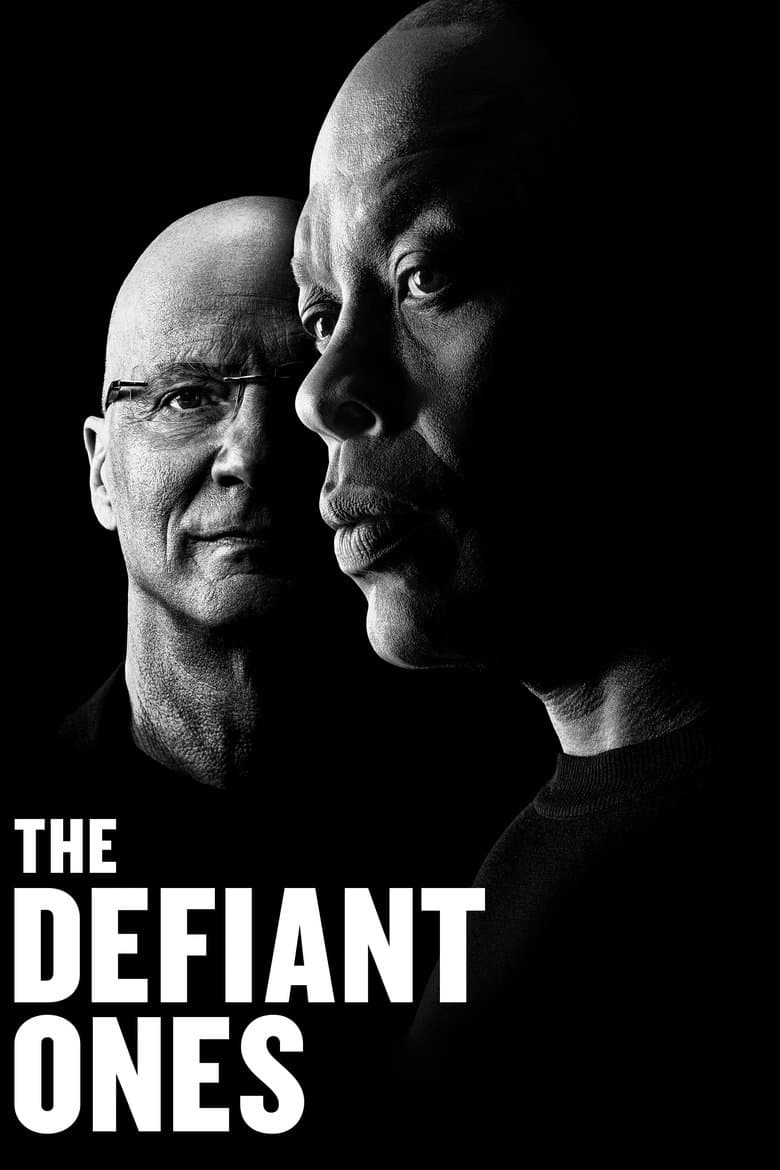
TV Show · 2017
A four-part documentary series that tells the stories of Jimmy Iovine and Dr. Dre -- one the son of a Brooklyn longshoreman, the other straight out of Compton - -- and their…
TV Show · 2023
With never-before-seen footage, this docuseries follows David Beckham's meteoric rise from humble beginnings to global football stardom.
TV Show · 2020
A 10-part documentary chronicling the untold story of Michael Jordan and the Chicago Bulls dynasty with rare, never-before-seen footage and sound from the 1997-98 championship…
TV Show · 2019
Drivers, managers and team owners live life in the fast lane — both on and off the track — during each cutthroat season of Formula 1 racing.

TV Show · 2022
When a 20-year-old attempts to win a fighter jet in a Pepsi sweepstakes, he sets the stage for a David versus Goliath court battle for the history books.
