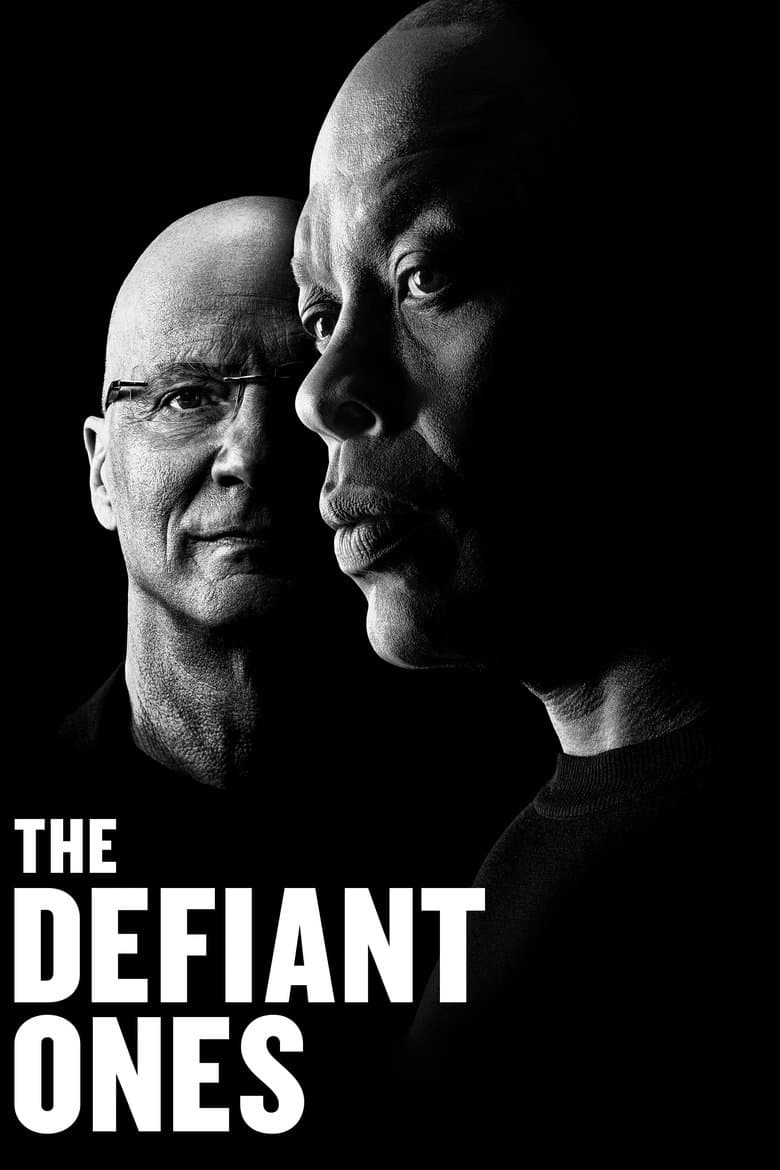
Started July 9, 2017 · Ended · Based on 1 season, 4 episodes through July 12, 2017 · TV-MA · 90 min
The Defiant Ones is a four-part documentary about Jimmy Iovine and Dr. Dre. Iovine grows from a Brooklyn studio worker into a record boss, while Dre rises from Compton clubs to N.W.A., Aftermath, and Beats. The series follows how their very different lives meet and how they build a long partnership across rock, rap, and the music business. Its tone is fast, glossy, and admiring, but it also shows violence, grief, broken deals, and hard personal moments.
The main audience-visible social theme is the contrast between Dre's Black Compton background and Iovine's Italian American Brooklyn background. The series presents their partnership as proof that people from different worlds can learn from each other and change popular culture. It also shows N.W.A.'s fight with police and public officials over “Fuck tha Police,” the debate over rap lyrics, and Dre's apology to journalist Dee Barnes for his 1991 assault. These moments bring race, free speech, and violence against women into the story, but the series keeps returning to music, business, loyalty, and success instead of building a modern activist argument.
Community feedback
Was our 17% Woke rating accurate?
Breakdown
These are the editorial factors and ratings behind our score for The Defiant Ones.
Woke representation / casting
Not present. The documentary uses the real people whose careers it follows, rather than casting a designed mix of identities. It does not present its interview lineup as a diversity or representation project.
0%
Woke political dialogue
N.W.A.'s song “Fuck tha Police” is discussed as a protest against police treatment and public control of rap. The series shows the public fight over rap lyrics and free speech. These points appear in the history of N.W.A. and The Chronic, but they do not become a repeated modern political message. The wider story stays focused on music careers, deals, and creative work.
12%
Identity-driven story themes
The series repeatedly contrasts Dre's Black Compton upbringing with Iovine's Italian American Brooklyn upbringing. The story treats their partnership as a bridge between rap and rock and between different backgrounds. That cross-cultural message is part of the main structure, not a separate campaign about identity. The show does not build its story around current DEI, queer, or gender politics.
18%
Western institutional / cultural critique
Not present. The series shows disputes with police, record labels, and music companies as parts of music history. It does not repeatedly present modern activist criticism of Western institutions, family life, religion, capitalism, or traditional gender roles.
0%
Woke character or canon changes
Not relevant. The series is a nonfiction account of real musicians and executives. It does not change established fictional characters, source canon, or historical figures for an identity-driven message.
0%
Anti-woke backlash and complaints
Not present. The supplied X pass found no anti-woke reaction to the 2017 series. Web coverage found criticism of hagiography, omissions, and Apple promotion, but no clear complaint that the series pushes woke, DEI, or left-wing ideas.
0%
Creator track record context
Allen Hughes has made work about Black music, culture, and racial justice. Broderick Johnson and Michael Lombardo have public links to racial opportunity and diversity in media. Fritzi Horstman works on prison reform, while Laura Lancaster once backed diversity in scripts, casting, and staffing. These links raise the context score, but the series itself centers on music careers and business success.
25%
Production
TV Show · 2020
A 10-part documentary chronicling the untold story of Michael Jordan and the Chicago Bulls dynasty with rare, never-before-seen footage and sound from the 1997-98 championship…
TV Show · 2023
Through vividly enhanced archival footage and voices from all sides of the conflict, this docuseries brings WWII to life like never before.
TV Show · 2019
Drivers, managers and team owners live life in the fast lane — both on and off the track — during each cutthroat season of Formula 1 racing.
TV Show · 2023
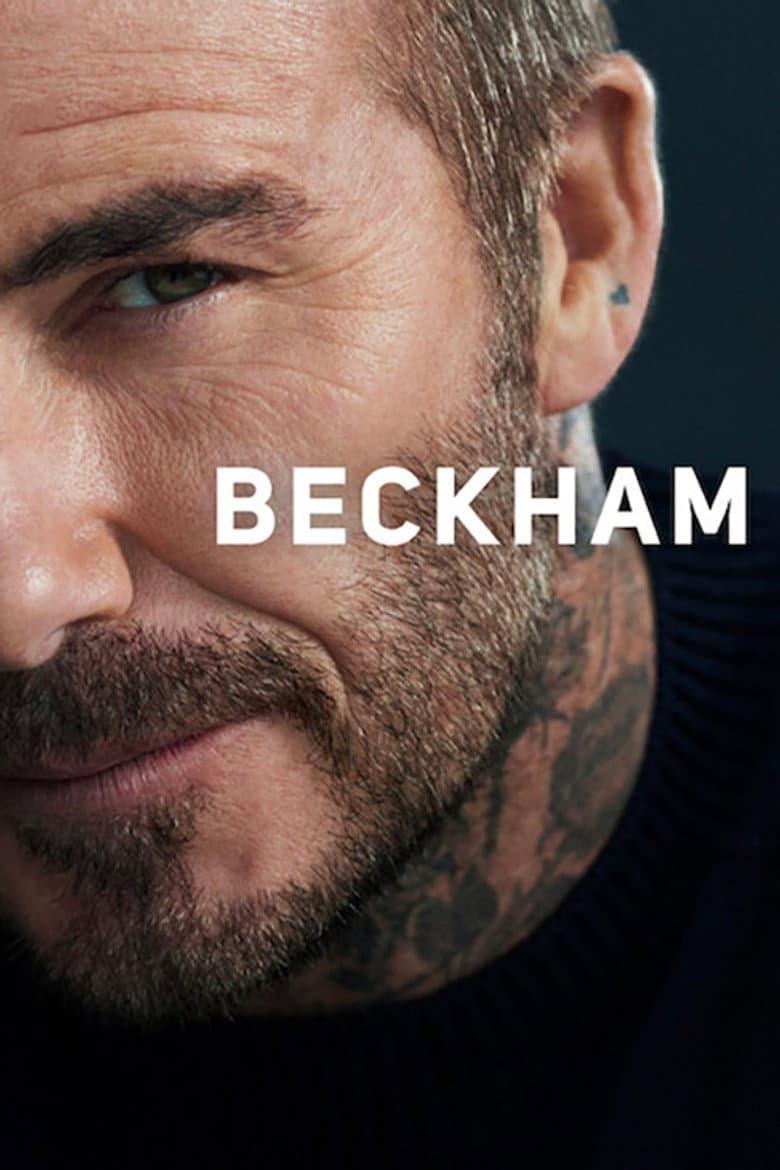
With never-before-seen footage, this docuseries follows David Beckham's meteoric rise from humble beginnings to global football stardom.
TV Show · 2023
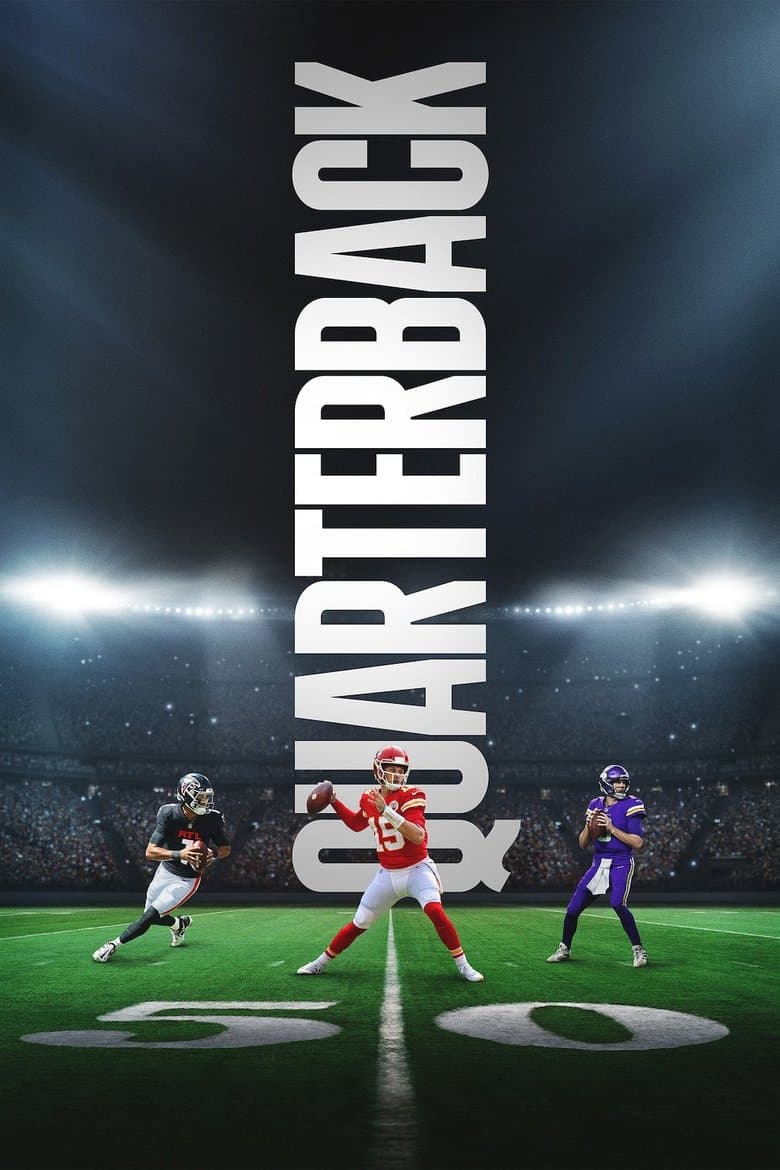
Follow the bruised bodies, soul-crushing fumbles, agonizing losses, and pure joy of three NFL quarterbacks during one season.
TV Show · 2019
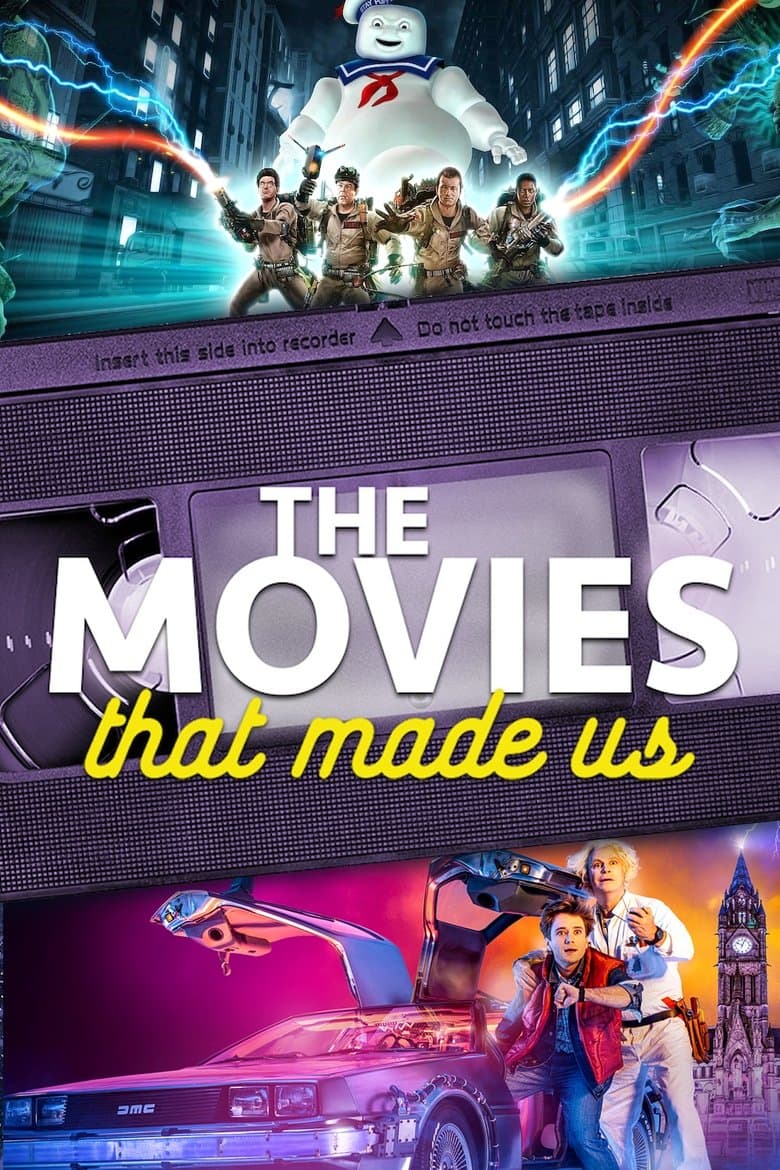
These blockbusters brought us together and gave us the time of our lives. Meet the actors, directors and industry insiders who made them happen.

TV Show · 2019
Using highly advanced colourisation techniques, critical moments from World War II, from Stalingrad to The Battle of Britain, are shown in a whole new light.
TV Show · 2021
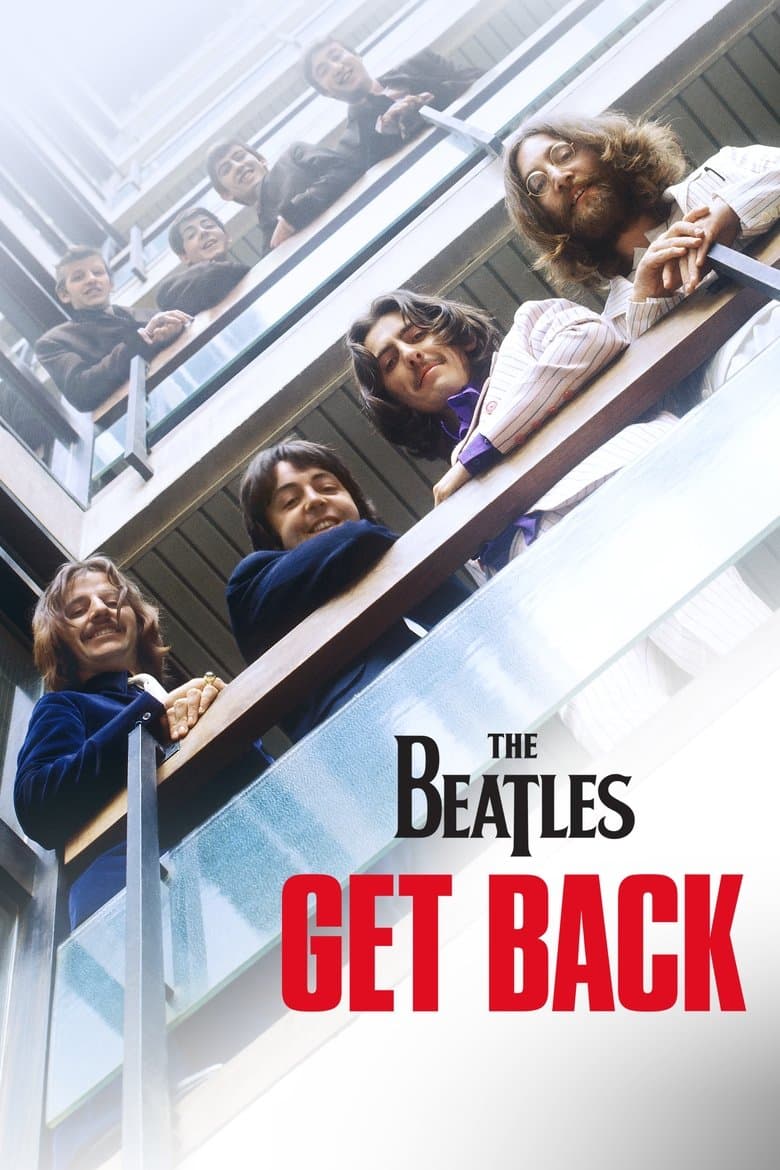
The three-part documentary series, compiled from over 60 hours of unseen footage, captures the warmth, camaraderie, and creative genius that defined the legacy of music's most…
