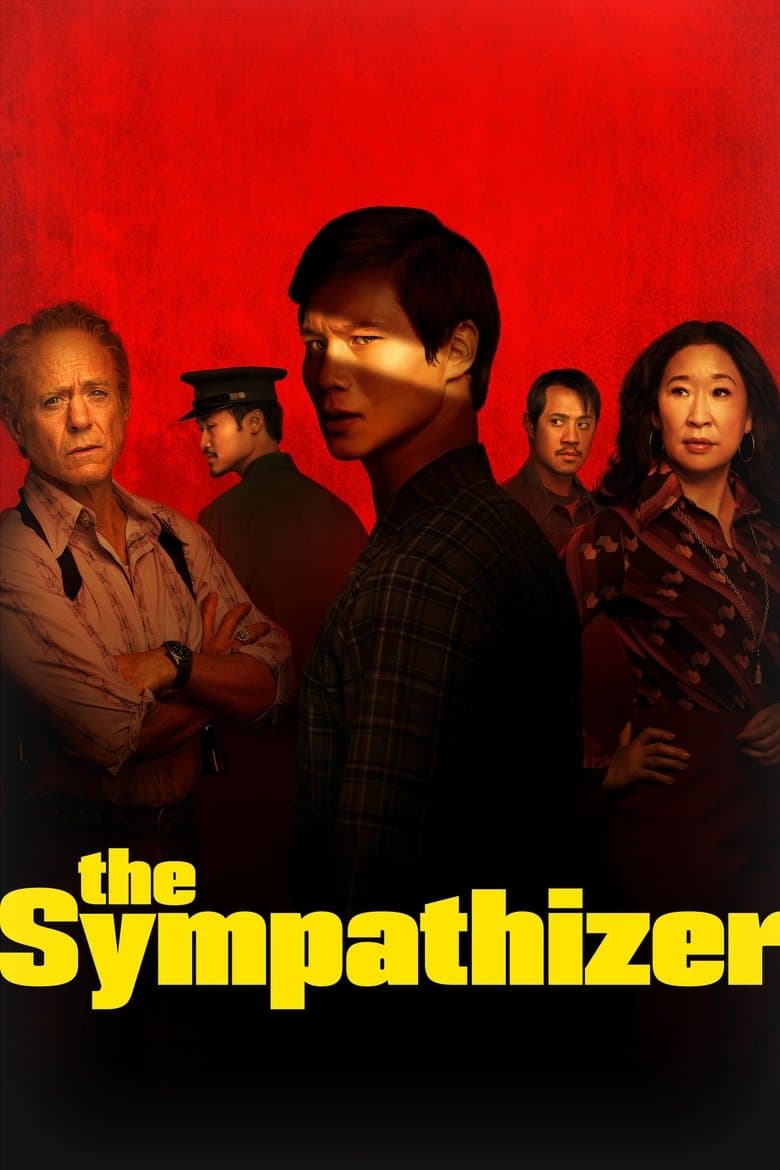
Started April 14, 2024 · Ended · Based on 1 season, 7 episodes through May 26, 2024 · TV-MA
The Sympathizer follows the Captain, a half-French and half-Vietnamese spy who works inside the South Vietnamese army while secretly serving the communist North. When Saigon falls, he escapes to Los Angeles with South Vietnamese refugees and reports on their plans to a handler in Vietnam. He studies, starts a relationship with a professor, and helps the General plan a return to Vietnam. The show mixes spy tension, war violence, dark jokes, and a sad story about a man who cannot fully belong to either side.
The show makes identity and political belief part of almost every major turn. The Captain keeps asking whether he is Vietnamese, French, American, communist, or something between them. The story often attacks American power, the CIA, old white male authority, and Hollywood films that treat Vietnamese people as background figures. It also presents the communist cause as a real belief held by the hero while showing the cruelty of war and prison camps, so its politics are strong but not simple.
Community feedback
Was our 64% Woke rating accurate?
Breakdown
These are the editorial factors and ratings behind our score for The Sympathizer.
Woke representation / casting
Not present. The show casts Vietnamese actors as Vietnamese characters in a Vietnamese story. The casting fits the setting and does not show a clear quota-style pattern.
0%
Woke political dialogue
The Captain repeatedly talks about communism, anti-communism, the CIA, and the war. The show gives his communist beliefs a serious hearing and asks viewers to question the American version of the war. The same story shows communist torture, forced confession, and abuse of power. The politics fill the season, but they stay tied to the historical spy story instead of becoming a current campaign.
48%
Identity-driven story themes
The Captain's mixed French and Vietnamese background drives his divided loyalties and his struggle to belong. The show follows Vietnamese refugees as they rebuild their lives in Los Angeles. The college and movie-set plots challenge the idea that Vietnamese people should stay in the background of American stories. The theme returns in the final confession, where the Captain must explain who he is and what he believes.
58%
Western institutional / cultural critique
The series links the CIA, the U.S. government, the university, and Hollywood to the war. The show uses several Robert Downey Jr. roles to present older white male authorities as parts of the same colonial power system. The movie within the show mocks films that treat Vietnamese people as scenery while American men become the heroes. The series also shows communist leaders using torture and control, so the criticism reaches both Western and communist institutions.
54%
Woke character or canon changes
Not relevant. The show changes some scenes from the novel and uses one actor for several American figures. Those choices shape the adaptation but do not clearly change an established character or real historical figure for identity reasons.
0%
Anti-woke backlash and complaints
Small X posts called the series “thinly veiled communist propaganda” or “propaganda comunistoide.” Some Vietnamese American viewers said the show glorifies communists or presents South Vietnam unfairly. The backlash stayed small and did not produce a broad boycott, review-bombing, or DEI casting campaign.
16%
Creator track record context
Park Chan-wook has a 65/100 creator score and a record of left-wing activism and identity-focused work. Viet Thanh Nguyen has an 80/100 creator score and writes about anti-racism, refugee identity, Asian American politics, and American power. Don McKellar has a 15/100 creator score, and the other listed writers, directors, and producers have mixed or lower scores. The strongest creator signals match the show's focus on identity, Vietnamese representation, and criticism of American power.
55%
Production
TV Show · 2024
The true story of one Jewish family separated at the start of World War II, determined to survive—and to reunite.
TV Show · 2024
The powerful real-life story of Lali Sokolov, a Jewish prisoner who was tasked with tattooing ID numbers on prisoners' arms in the Auschwitz-Birkenau concentration camp during…

TV Show · 2026
The Clyburns uproot their comfortable New York City lives to the wild, untamed beauty of Montana's Madison River Valley on a search for connection.
TV Show · 2019
In the 1960s, Israeli clerk-turned-secret agent Eli Cohen goes deep undercover inside Syria on a perilous, years-long mission to spy for Mossad.
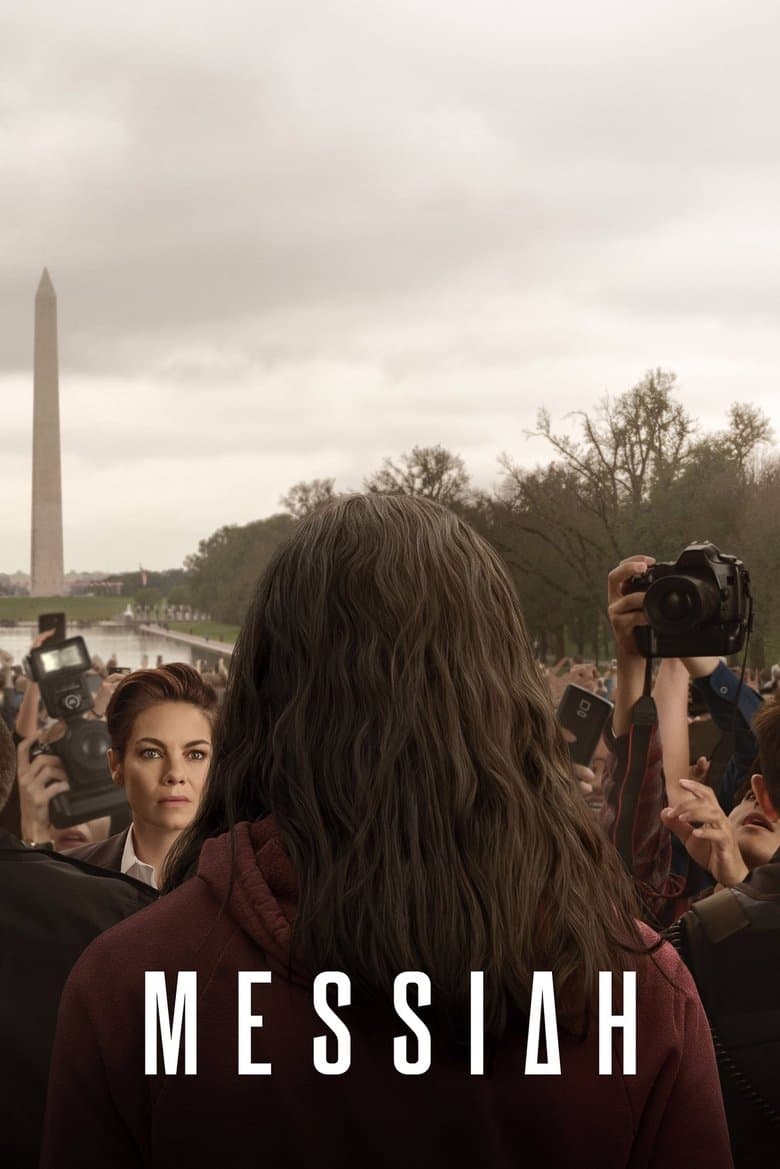
TV Show · 2020
A wary CIA officer investigates a charismatic man who sparks a spiritual movement and stirs political unrest. Who exactly is he? And what does he want?

TV Show · 2022
This sweeping saga chronicles the hopes and dreams of a Korean immigrant family across four generations as they leave their homeland in an indomitable quest to survive and thrive.
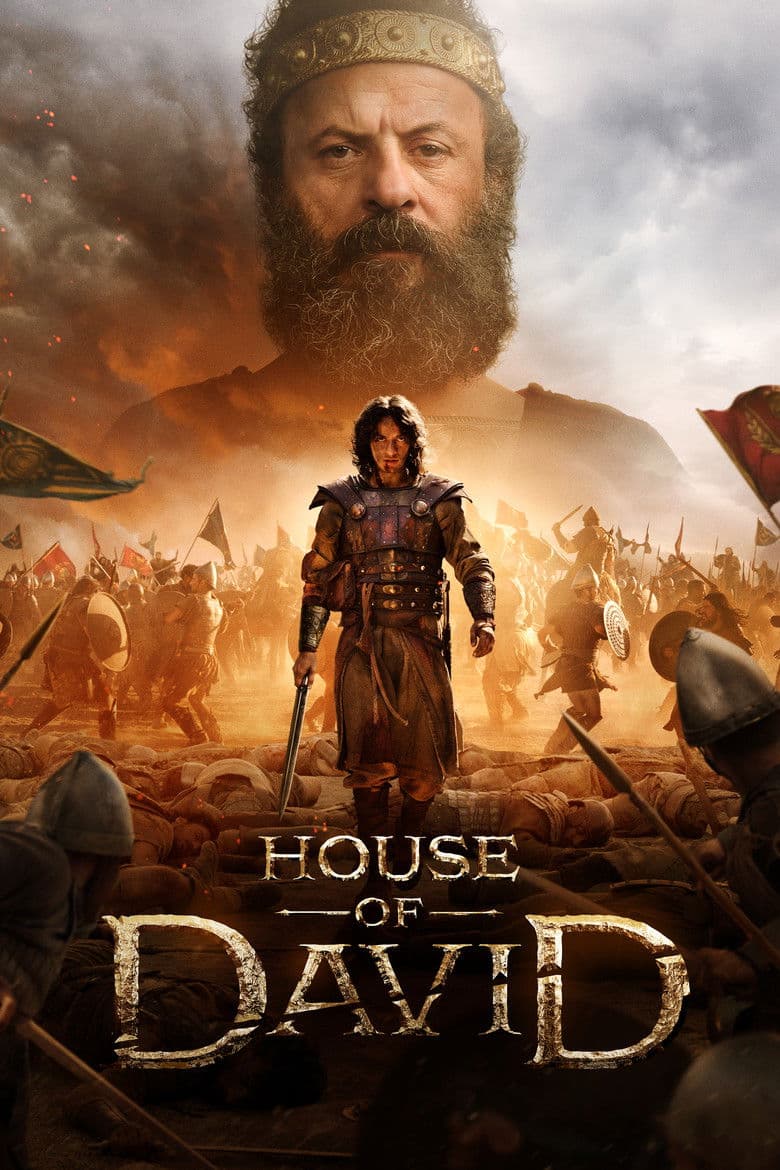
TV Show · 2025
Tells the story of the ascent of the biblical figure, David, who becomes the most celebrated king of Israel. The series follows the once-mighty King Saul as he falls victim to his…
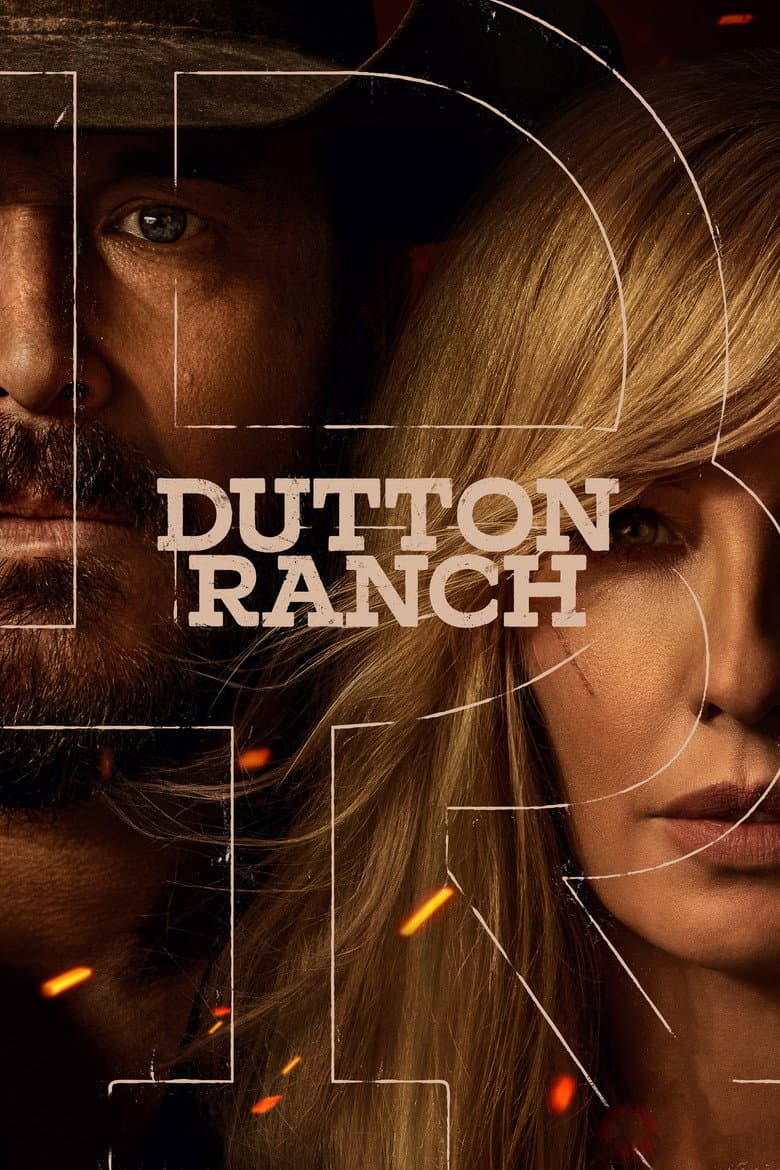
TV Show · 2026
Rip Wheeler and Beth Dutton gamble everything on a new life in South Texas, but the promise of building a future far from the ghosts of Yellowstone quickly collides with brutal…
