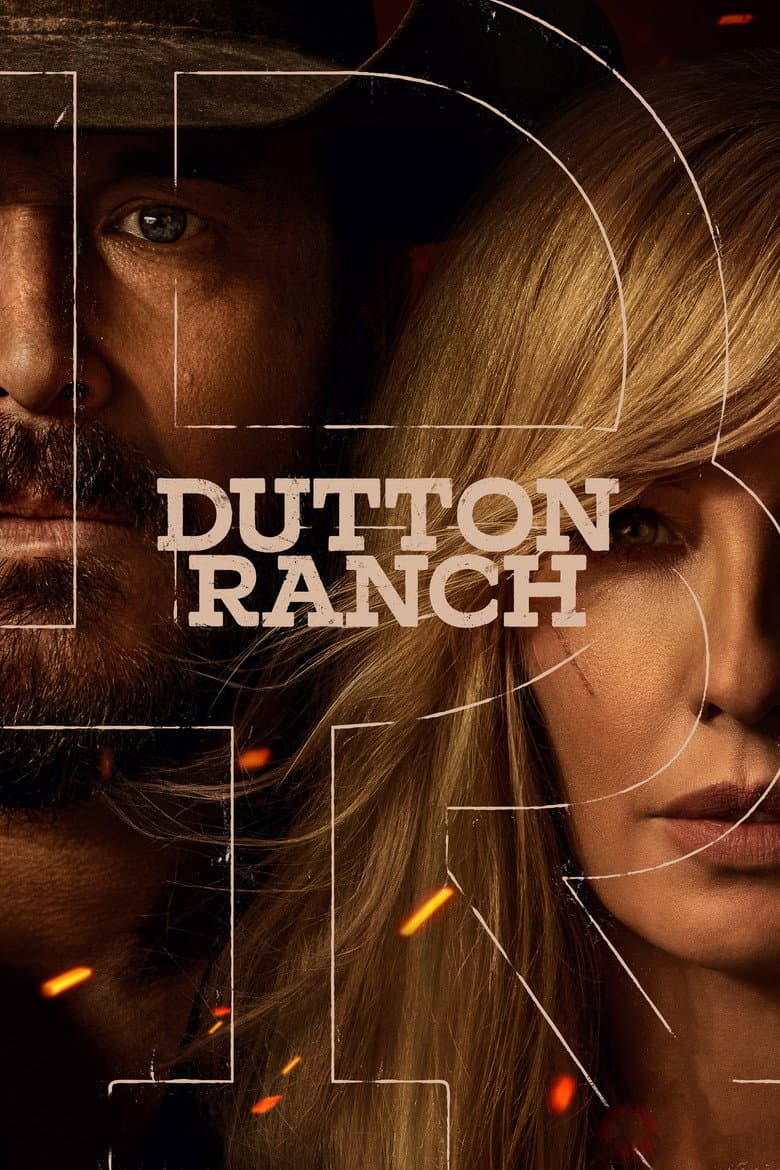
Started May 15, 2026 · Returning Series · Based on 1 season, 9 episodes through July 3, 2026 · TV-MA
After a wildfire ruins their foothold in Montana, Beth, Rip, and foster son Carter rebuild in Rio Paloma in South Texas. They crash into Beulah Jackson and her huge 10 Petal ranch empire. Season one follows cattle business, family power fights, murder cover-ups, a herd disaster, and cartel links. Local law and monopoly power are dirty, and the Jackson side hides drug smuggling under Mariano Reyes. The finale kills Rob-Will, hits Dutton Ranch hard, and leaves Carter taken.
What viewers can see as woke stays fairly light. Beth still runs money and business power, and Beulah stands as a strong rival ranch matriarch. South Texas Latino characters fit the border setting, and some press sells Joaquin as Latino representation and a bridge between cultures. The season’s real engine is ranch war, succession, romance, and crime, not race theory, queer identity, or systemic guilt as the main thesis. Dialogue mostly covers land, legacy, and leverage, not long identity lectures. A few right-leaning viewers read the sick-herd arc as anti-vaccine-adjacent and flagged tough vulgar female talk as a mild progressive trope, but broader anti-woke talk often praises the show as a non-woke Sheridanverse option.
Community feedback
Was our 23% Woke rating accurate?
Breakdown
These are the editorial factors and ratings behind our score for Dutton Ranch.
Woke representation / casting
Beth and Beulah are clear female power centers on screen. Beth runs money and business, and Beulah leads a rival ranch. Latino roles fit the South Texas border setting. Press and cast talk sell Joaquin as Latino representation and a bridge between cultures, which is mild signaling rather than a full quota cast.
18%
Woke political dialogue
Most talk is about land, family legacy, cattle, and crime leverage. A few right-leaning viewers read the sick-herd story as anti-vaccine-adjacent. Others flagged Beth-style vulgar toughness as a mild progressive trope. There is no steady season-long DEI lecture track in the reported dialogue.
12%
Identity-driven story themes
The main story is ranch rebuild, rival dynasties, cover-ups, cartel deals, succession, and romance. Identity politics such as race theory, queer identity, colonial guilt, or patriarchy as the thesis do not drive the season. Joaquin’s outsider place is family power drama more than activist messaging.
10%
Western institutional / cultural critique
The show shows monopoly power, a compromised sheriff, and drug smuggling tied to ranch life. That is standard crime-Western corruption, not a modern attack on manhood, Christianity, or whiteness. Cowboy loyalty, toughness, and private justice stay the moral code. Ranch culture is played straight, not mocked.
14%
Woke character or canon changes
Not relevant. This is an original modern spinoff that continues established Yellowstone characters without DEI rewrites of race, gender, or sexuality.
0%
Anti-woke backlash and complaints
Some right-leaning pushback exists over the sick-herd plot, isolated woke questions, and tough female language. Wider anti-woke talk often praises the show as a non-woke option after other entries. The score marks real but limited complaints, not a huge DEI backlash wave.
16%
Creator track record context
Chad Feehan has mild public diversity advocacy. The room and directors include higher-scoring Hilary Bettis, K.C. Scott, and Jessica Lowrey with LGBTQ+ committee ties. Taylor Sheridan’s anti-woke stance and lower-scoring producers pull the package back toward a moderate-low activist profile.
24%
Production
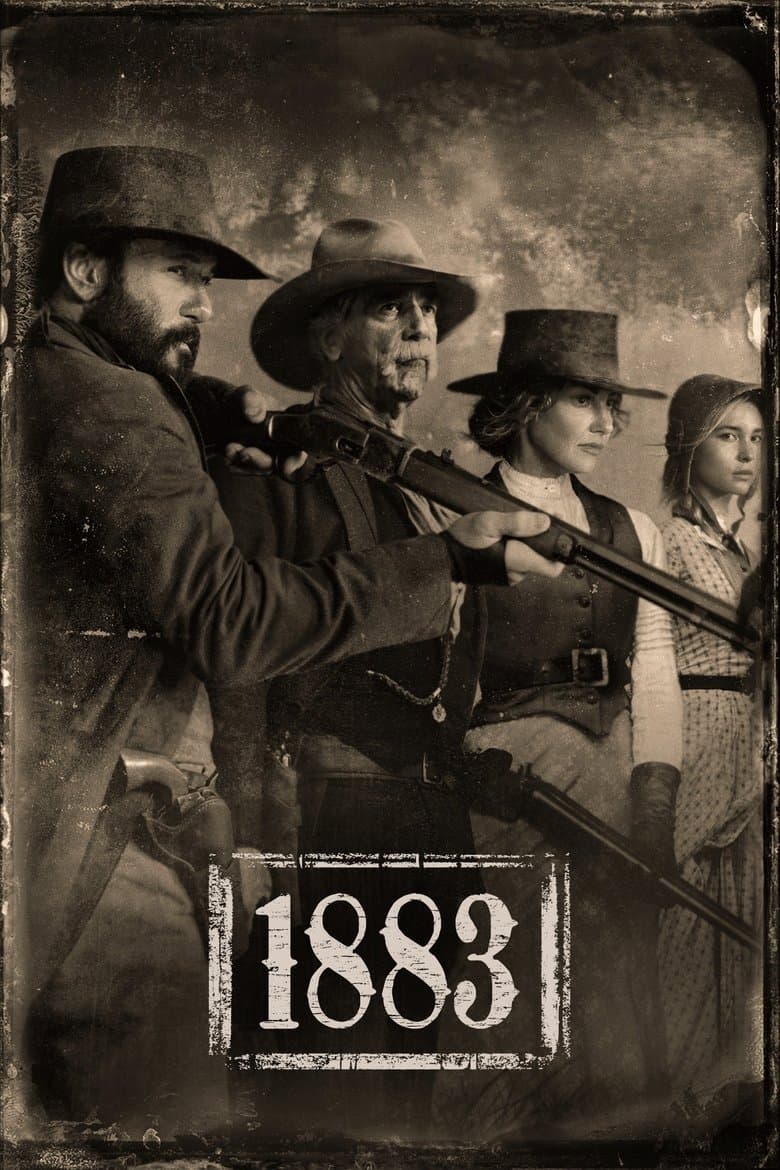
TV Show · 2021
Follow the Dutton family as they embark on a journey west through the Great Plains toward the last bastion of untamed America.
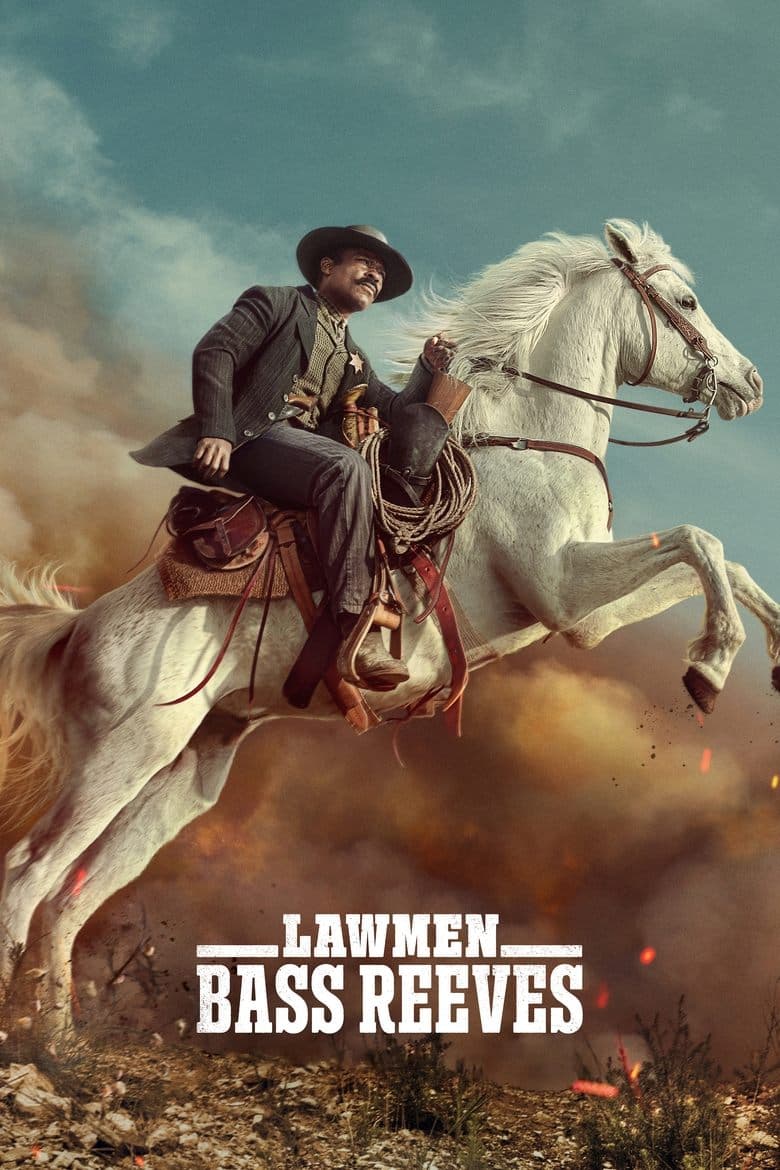
TV Show · 2023
The story of Bass Reeves, the legendary lawman of the wild West, is brought to life. Reeves worked in the post-Reconstruction era as a federal peace officer in the Indian…
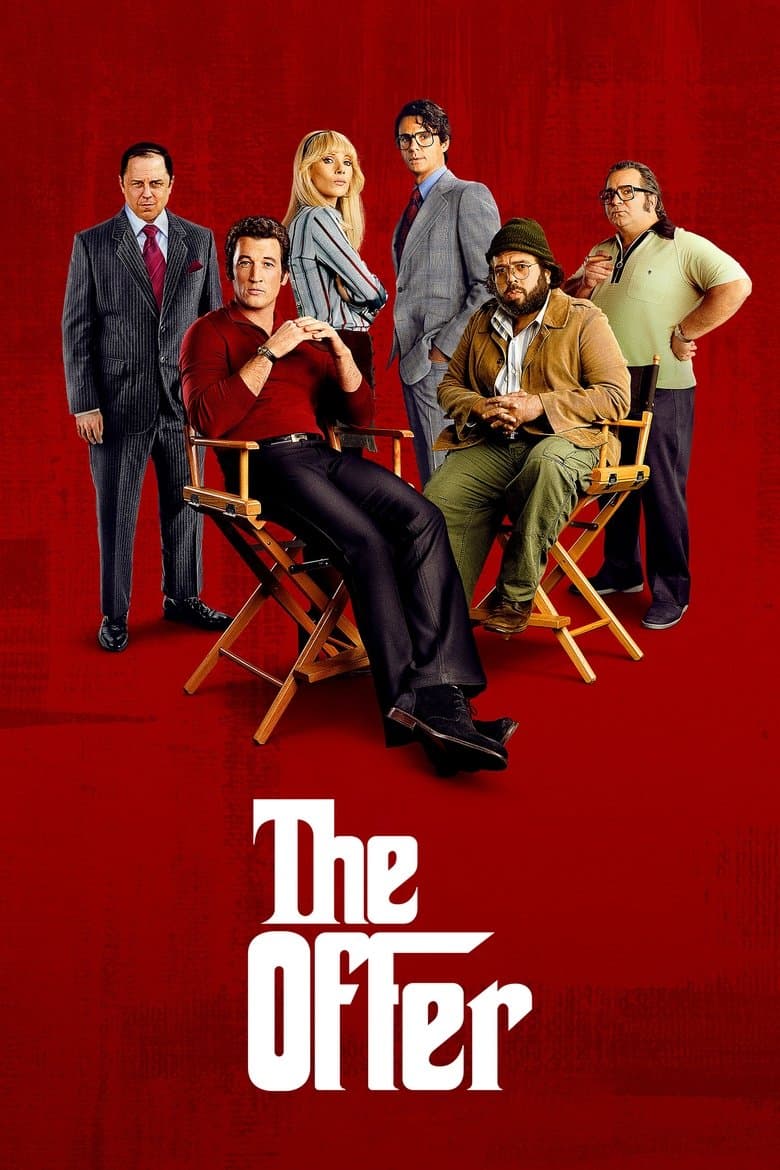
TV Show · 2022
Oscar-winning producer Al Ruddy’s never before revealed experiences of making the iconic 1972 film The Godfather that Francis Ford Coppola directed and adapted with Mario Puzo.
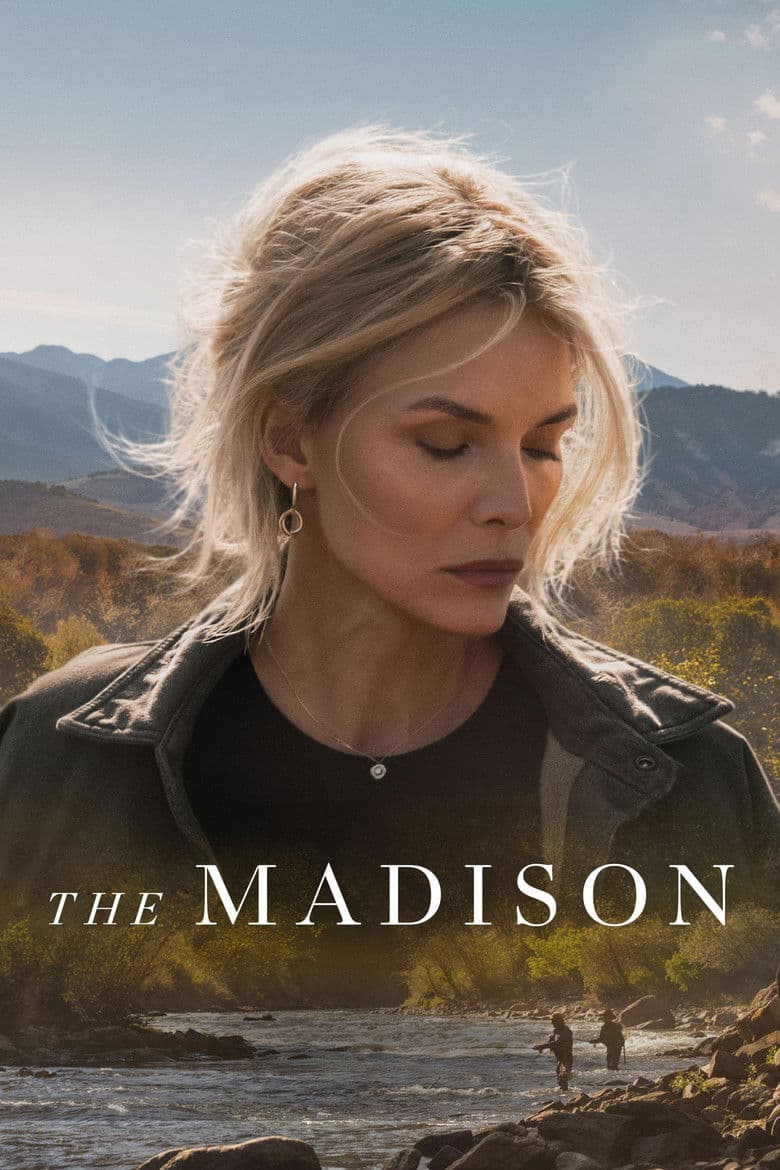
TV Show · 2026
The Clyburns uproot their comfortable New York City lives to the wild, untamed beauty of Montana's Madison River Valley on a search for connection.

TV Show · 2024
Fascinated by cars since childhood, Brazilian racer Ayrton Senna became a sports legend — until tragedy struck, changing Formula 1 forever.
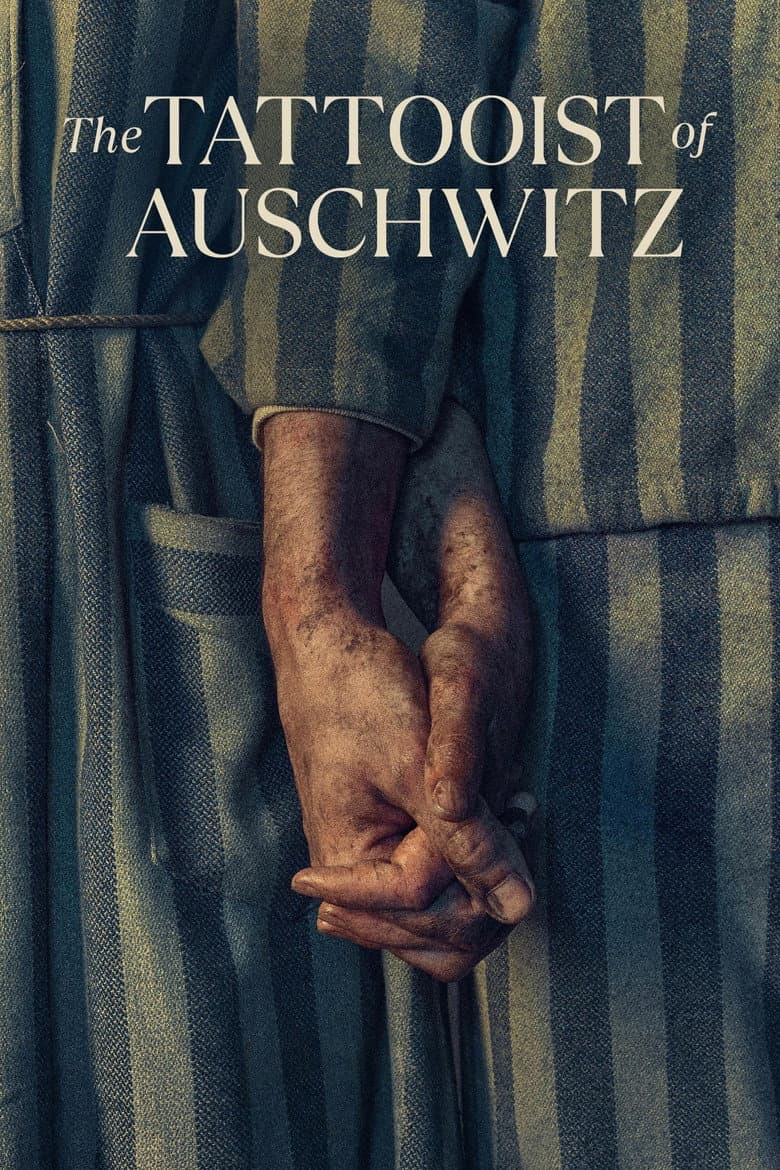
TV Show · 2024
The powerful real-life story of Lali Sokolov, a Jewish prisoner who was tasked with tattooing ID numbers on prisoners' arms in the Auschwitz-Birkenau concentration camp during…
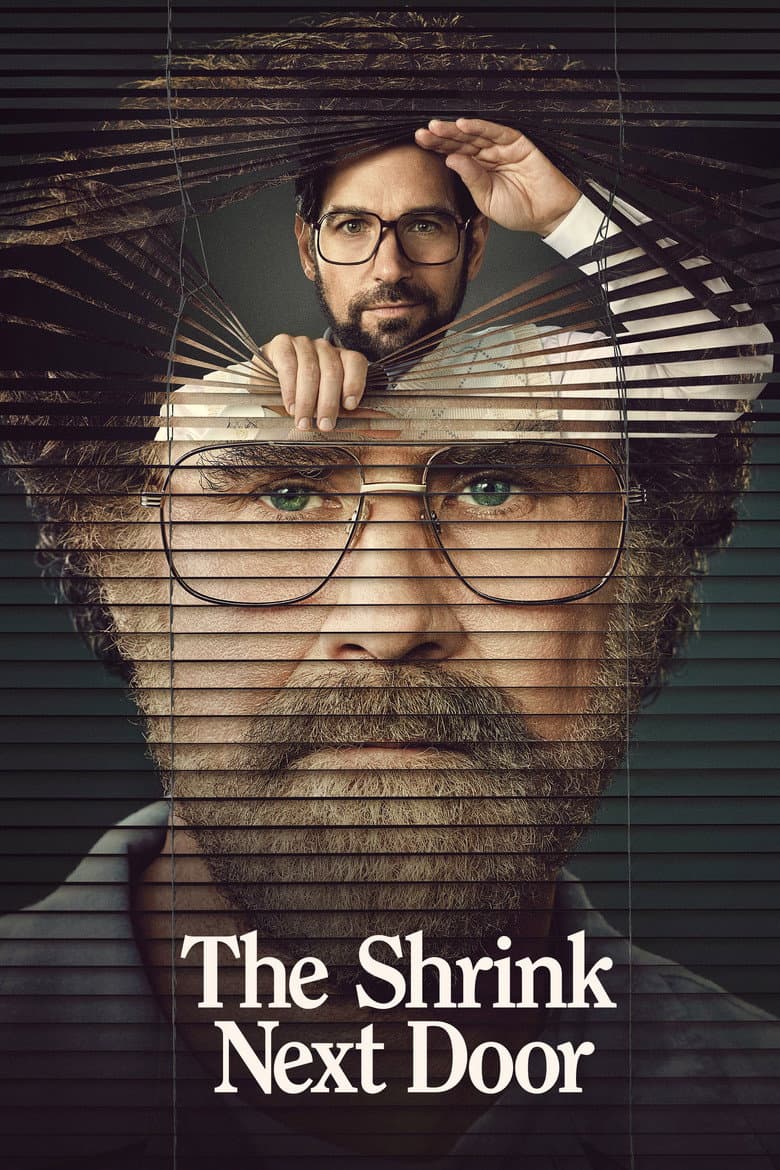
TV Show · 2021
Inspired by the true story of Marty and the therapist who turned his life around...then took it over. When he first meets Dr. Ike, Marty just wants to get better at boundaries.
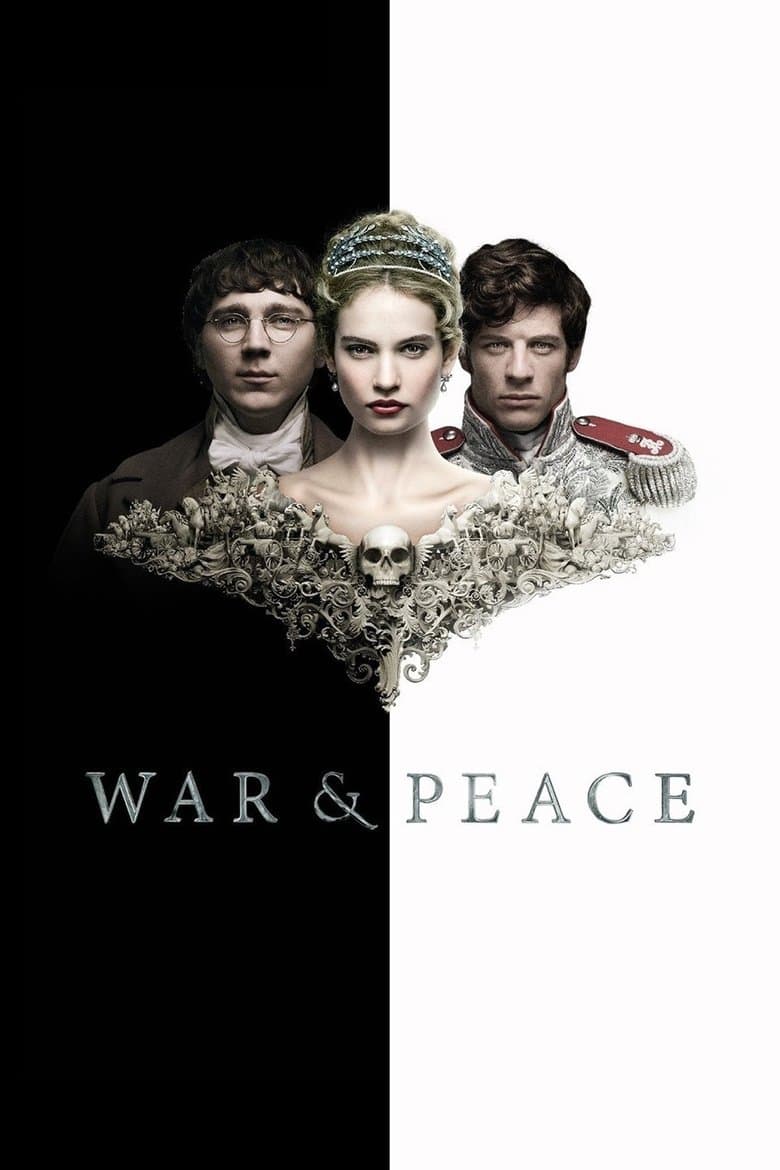
TV Show · 2016
The love story of young Countess Natasha Rostova and Count Pierre Bezukhov is interwoven with the Great Patriotic War of 1812 against Napoleon's invading army.
