Started May 2, 2024 · Ended · Based on 1 season, 6 episodes through June 6, 2024 · TV-MA
Lali Sokolov is a young Slovakian Jewish prisoner at Auschwitz during World War II. The Nazis force him to tattoo numbers on other prisoners, and the job gives him slightly better food and movement while filling him with guilt. He meets Gita when she arrives, and their love becomes a way to hold on while they face hunger, violence, separation, and death. In the later timeline, an older Lali tells writer Heather Morris what happened and struggles with grief and memories. The six episodes are grim, painful, and sometimes hopeful.
The show has one brief LGBTQ moment when Leon, a fellow tattooist, is described as gay. Lali says gay men and sexual freedom existed before the war, but the exchange is brief and does not drive the plot. The main identity focus is Jewish survival and the lasting trauma of the Holocaust, not current race, gender, or activist politics. The series also gives Gita more space and shows Lali's guilt over his special camp job, which shapes the story more than the LGBTQ detail.
Community feedback
Was our 11% Woke rating accurate?
Breakdown
These are the editorial factors and ratings behind our score for The Tattooist of Auschwitz.
Woke representation / casting
Not present. The central Jewish and European roles fit the story's setting. No diversity-first casting message or visibly mismatched identity casting is established.
0%
Woke political dialogue
Not present. The show includes anti-Nazi and anti-antisemitic ideas tied to World War II. It does not use repeated modern activist or party-political speeches.
0%
Identity-driven story themes
Leon is a fellow tattooist and friend of Lali. In episode 3, Lali says Leon is gay and says gay men and sexual freedom existed before the war. The exchange is brief and does not shape the main romance, survival plot, or ending.
10%
Western institutional / cultural critique
Not present. The story condemns Nazi control and abuse in its historical setting. It does not turn that history into a modern attack on Western culture, family life, religion, or capitalism.
0%
Woke character or canon changes
Not relevant. The series changes and compresses some historical events, but the changes serve drama and accuracy rather than identity politics. It does not recast a known figure to make a DEI point.
0%
Anti-woke backlash and complaints
Not present. The X check found no anti-woke reaction. Other complaints focused on historical accuracy and the love-story framing, not DEI or identity politics.
0%
Creator track record context
Several key people have some relevant prior context. Tali Shalom-Ezer has a 40/100 cached score for films about female sexuality, abuse, agency, and queer relationships. Kelly Valentine Hendry has a 64/100 cached score for diversity and inclusion work, and Evan Placey has a 70/100 cached score for feminist and transgender themes. Heather Morris has 0/100, Claire Mundell 20/100, and the other supplied producers have 0/100, so the group pattern is mixed. Interviews about this show focus on Holocaust memory, trauma, guilt, love, and antisemitism.
32%
Production

TV Show · 2024
Fascinated by cars since childhood, Brazilian racer Ayrton Senna became a sports legend — until tragedy struck, changing Formula 1 forever.
TV Show · 2022
Oscar-winning producer Al Ruddy’s never before revealed experiences of making the iconic 1972 film The Godfather that Francis Ford Coppola directed and adapted with Mario Puzo.
TV Show · 2026
As the Kargil War erupts between India and Pakistan, the Golden Arrows squadron of the Air Force takes flight on a dangerous mission behind enemy lines.
TV Show · 2019
In the 1960s, Israeli clerk-turned-secret agent Eli Cohen goes deep undercover inside Syria on a perilous, years-long mission to spy for Mossad.
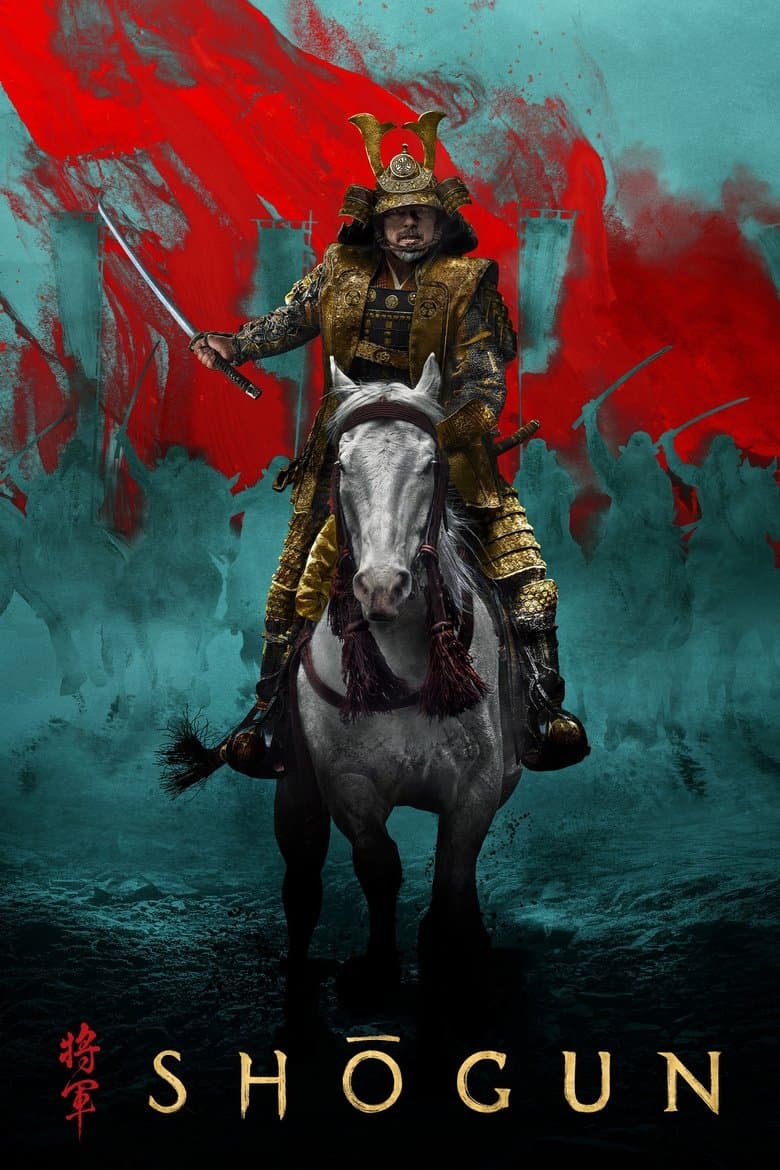
TV Show · 2024
In Japan in the year 1600, at the dawn of a century-defining civil war, Lord Yoshii Toranaga is fighting for his life as his enemies on the Council of Regents unite against him…
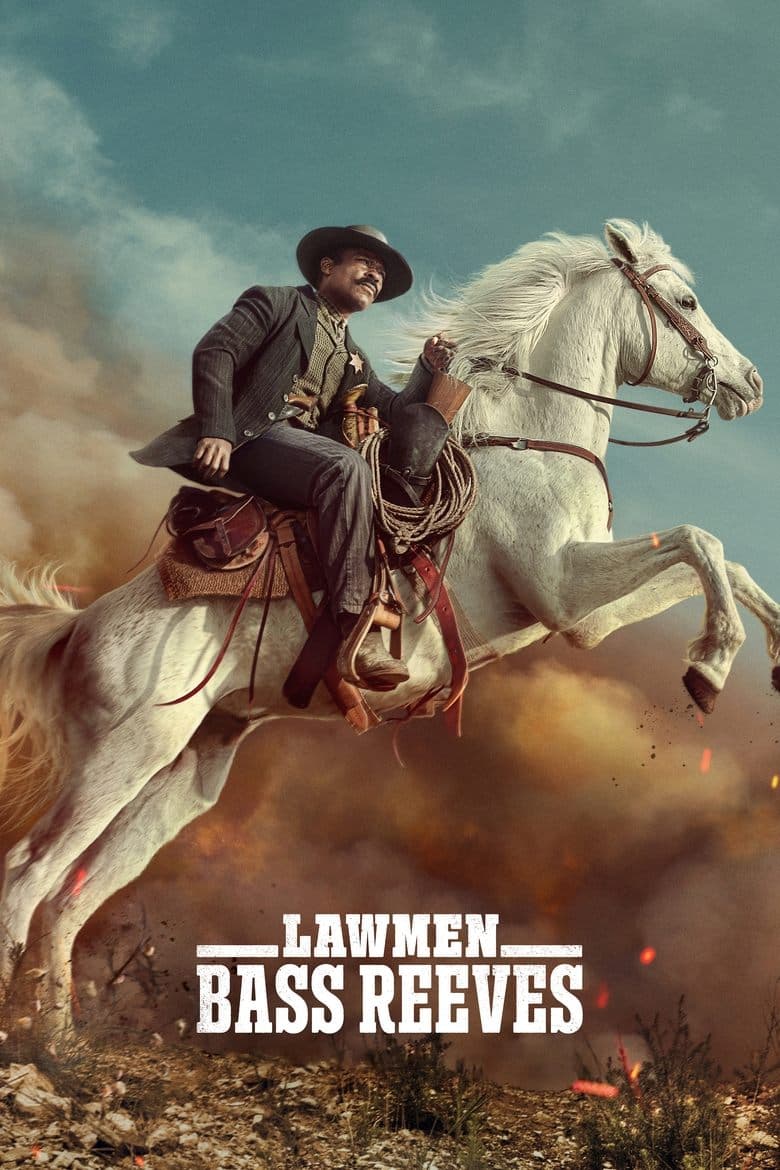
TV Show · 2023
The story of Bass Reeves, the legendary lawman of the wild West, is brought to life. Reeves worked in the post-Reconstruction era as a federal peace officer in the Indian…
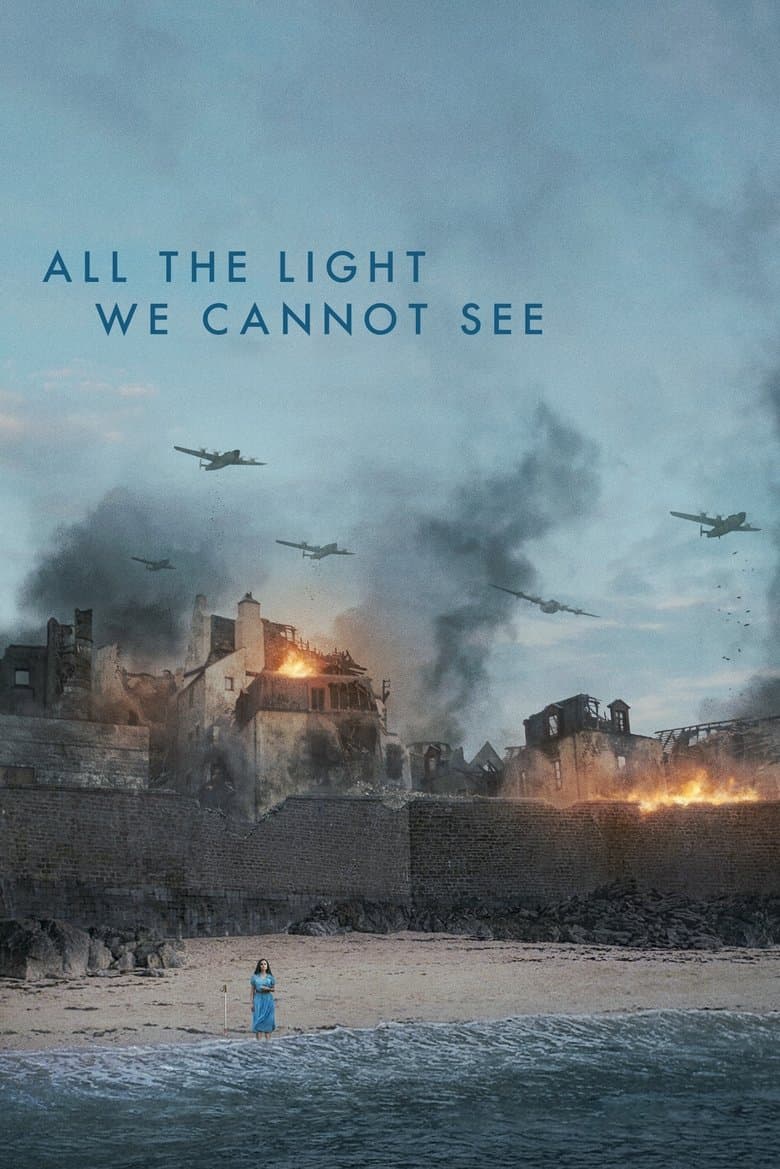
TV Show · 2023
A blind French girl and a young German soldier's paths collide during WWII.
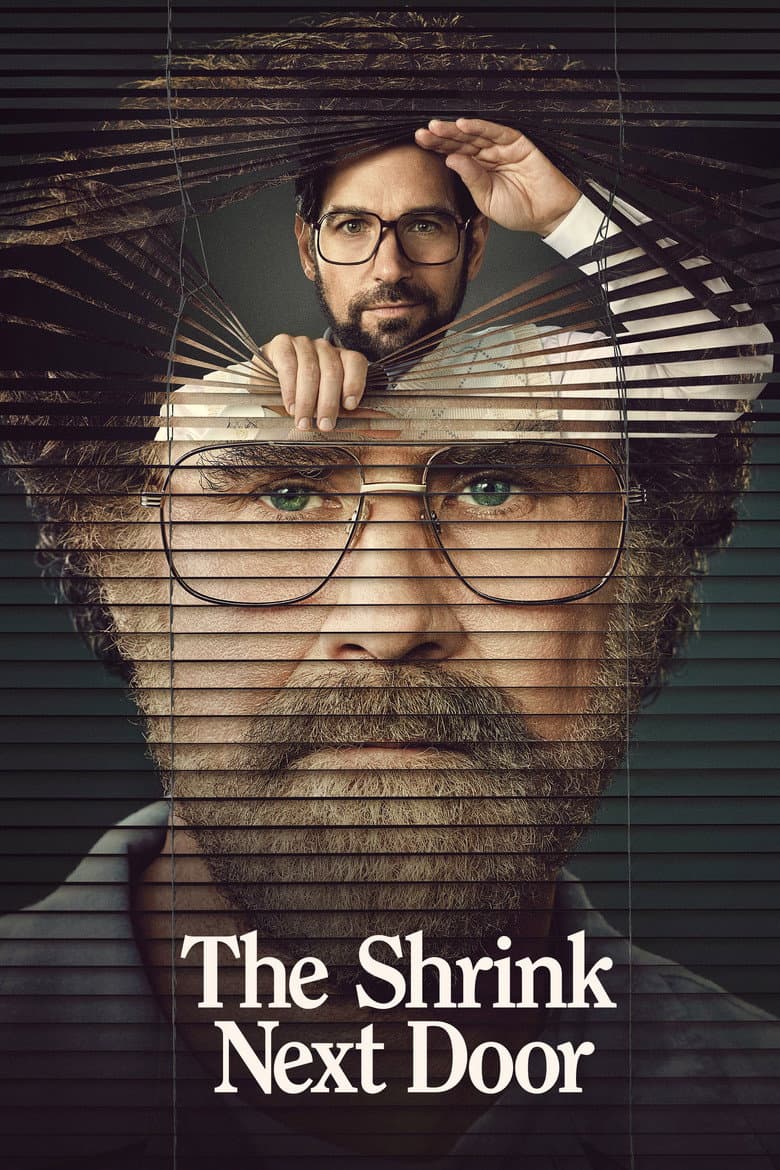
TV Show · 2021
Inspired by the true story of Marty and the therapist who turned his life around...then took it over. When he first meets Dr. Ike, Marty just wants to get better at boundaries.
