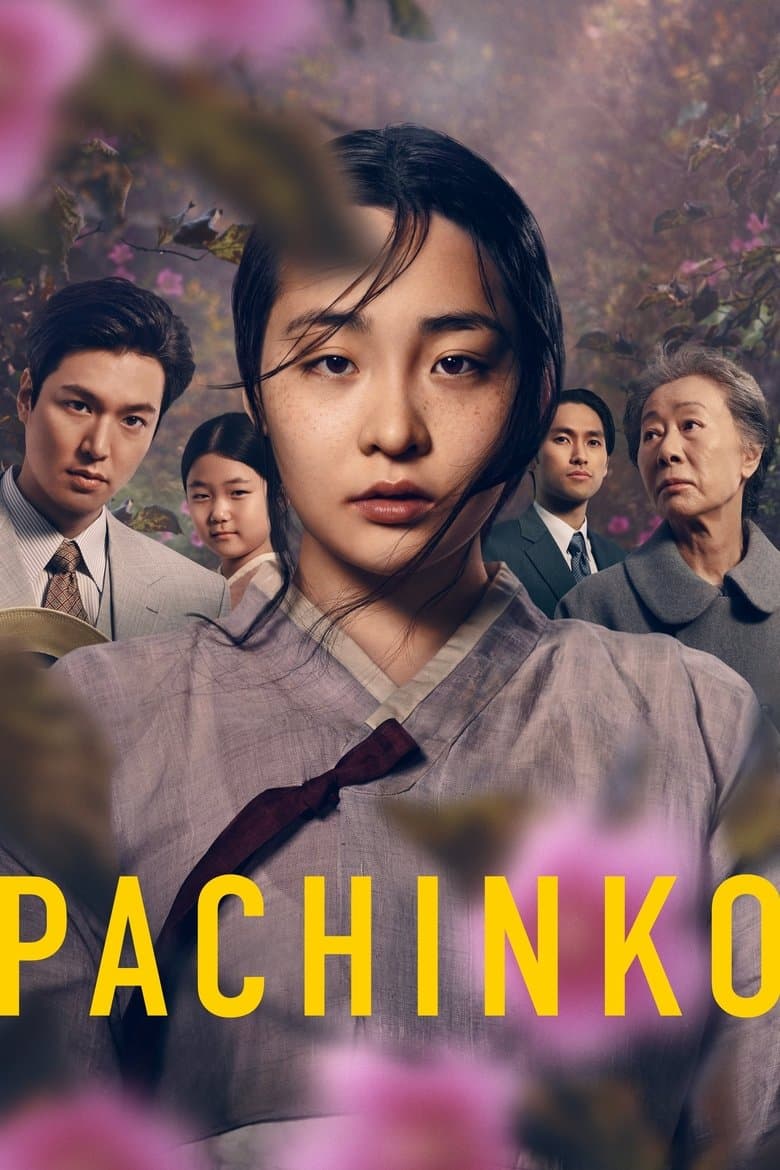
Started March 24, 2022 · Canceled · Based on 2 seasons, 16 episodes through October 10, 2024 · TV-MA
Pachinko follows Sunja, a Korean girl from a poor family who grows into a mother and grandmother. In the first season, she becomes pregnant by a married Korean businessman and moves from Japanese-ruled Korea to Osaka with a kind Christian minister. She and her sons face war, poverty, prejudice, and hard choices while the story also follows her grandson Solomon in 1989. The show moves between Korea and Japan and uses a serious, sad, but warm tone.
The strongest woke element is the repeated focus on Korean identity and the treatment of Koreans in Japan. Characters are mocked, denied chances, pushed to hide their roots, or pressured to take Japanese names. Sunja's survival, Noa's identity crisis, and Solomon's work troubles all connect to the same theme of belonging and discrimination. The show also gives Naomi a continuing story about a Japanese woman trying to survive in a male-led finance world, but it does not use modern activist speeches or queer-centered themes.
Community feedback
Was our 22% Woke rating accurate?
Breakdown
These are the editorial factors and ratings behind our score for Pachinko.
Woke representation / casting
The Korean and Japanese actors match the family and the story's places. The prominent women are part of the source story and setting, not a mix built to signal diversity.
10%
Woke political dialogue
Not present. Characters discuss Japanese rule, war, labor, and prejudice as part of the historical plot. They do not give modern activist lectures or make present-day identity politics the subject of their speeches.
0%
Identity-driven story themes
The story follows a Korean family whose treatment as Korean shapes their lives in Japan. Sunja, Noa, and Solomon face pressure to hide their roots, use Japanese names, or prove their worth in work and school. Season 1 builds this through colonial rule, the Kanto earthquake, and life as Koreans living in Japan. Season 2 repeats it through wartime insults, pressure to hide identity, family secrets, and Solomon's anger at a racist shopkeeper.
10%
Western institutional / cultural critique
Season 1 shows Solomon being judged by white male bosses at an American bank even after strong work. Season 2 gives Naomi a recurring story about a Japanese woman trying to survive in a male-led finance world. The showrunner described Naomi as part of a story about women and mothers. These are small modern workplace critiques, while the series does not attack Christianity or traditional family life.
18%
Woke character or canon changes
The series creates Naomi, a Japanese finance worker who is not in Min Jin Lee's novel. Season 2 expands her into a recurring story about a woman working in a male-led business world. Soo Hugh said the change was meant to show hard struggles on both the Korean and Japanese sides and called the show a love letter to women and mothers. This remains a side story, and the main family and historical setting stay intact.
18%
Anti-woke backlash and complaints
Not present. The separate X research found no anti-woke reaction or named complaints. Broader coverage praised the show or debated its historical viewpoint, not whether it pushed DEI or identity politics.
0%
Creator track record context
Most of the key creators have low or mild activist records in the available profiles. Justin Chon often makes Asian American and immigrant stories, while Mfoniso Udofia has written about immigrant and queer life. Ethan Kuperberg worked on Transparent, and Soo Hugh focuses on Korean family and history stories. This gives the team moderate identity-focused context but not a strong activist pattern.
26%
Production
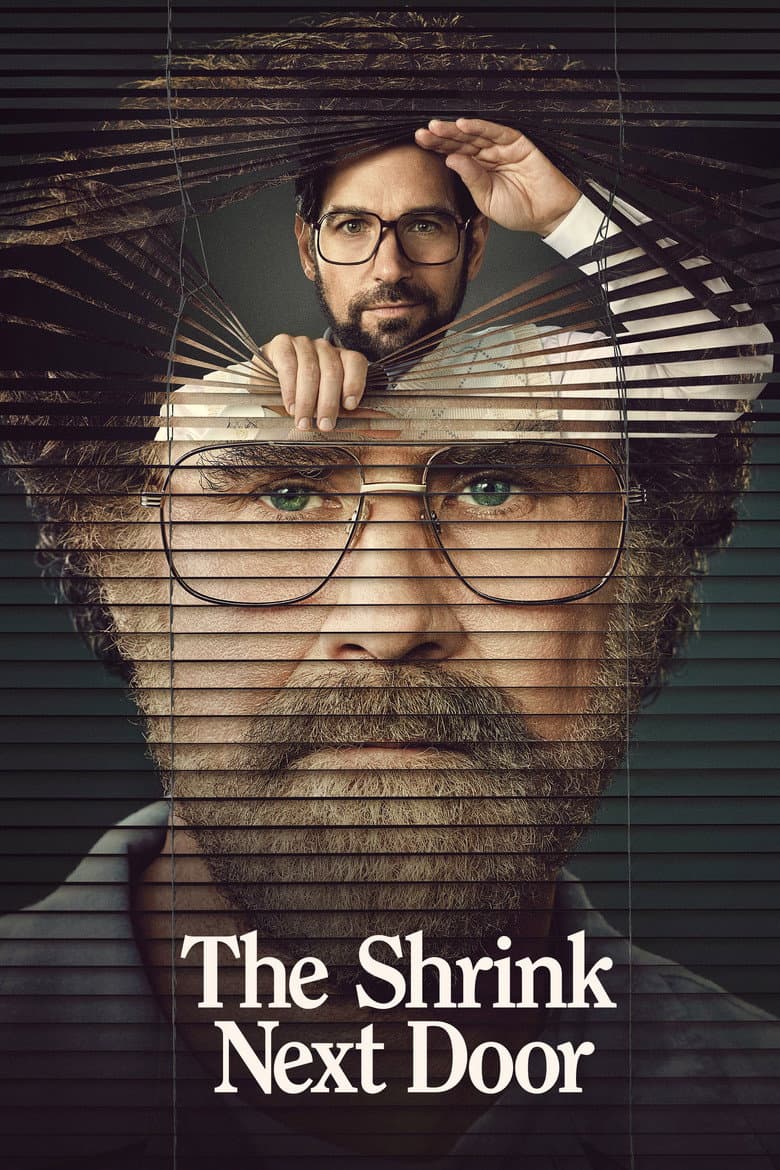
TV Show · 2021
Inspired by the true story of Marty and the therapist who turned his life around...then took it over. When he first meets Dr. Ike, Marty just wants to get better at boundaries.
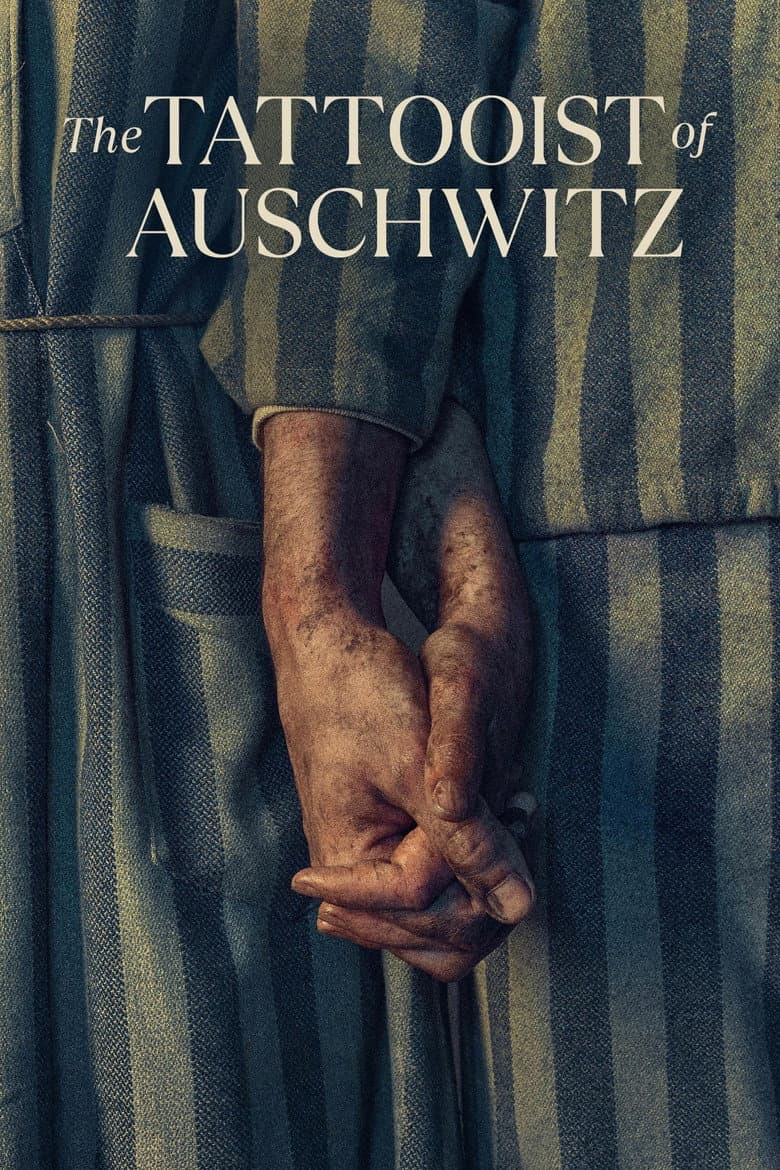
TV Show · 2024
The powerful real-life story of Lali Sokolov, a Jewish prisoner who was tasked with tattooing ID numbers on prisoners' arms in the Auschwitz-Birkenau concentration camp during…
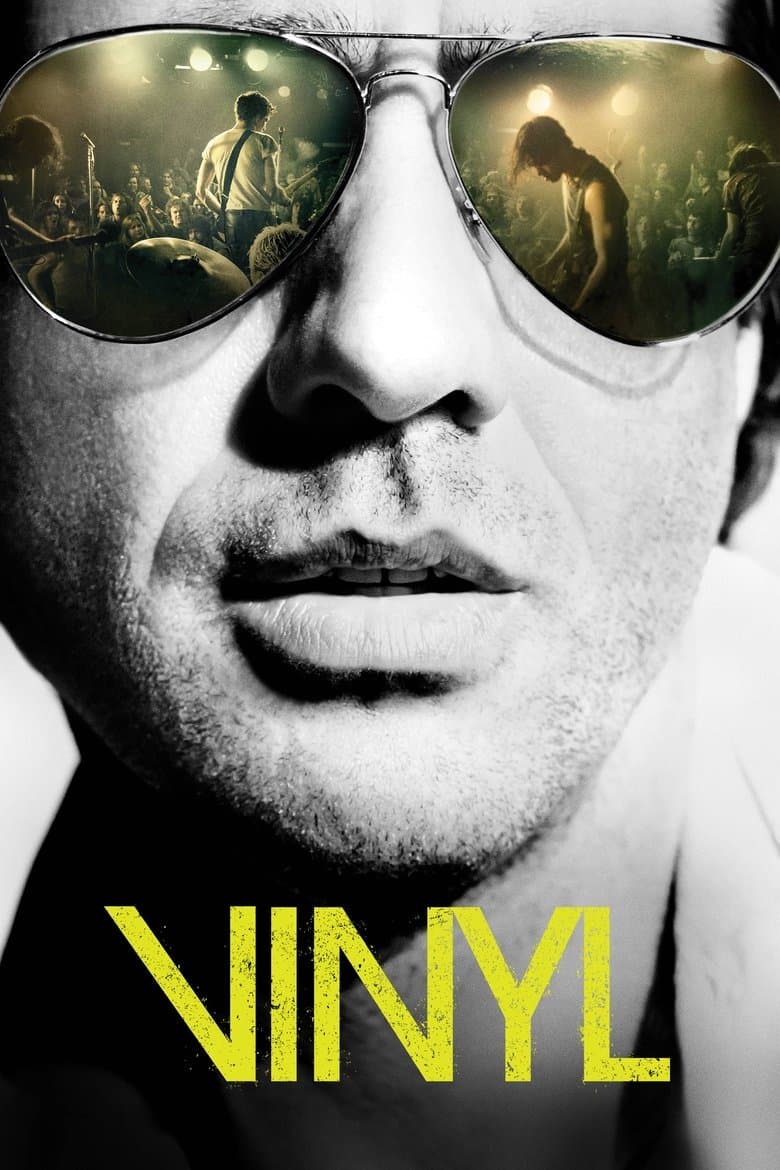
TV Show · 2016
In 1970s New York, jaded record exec Richie Finestra tries to resurrect his failing label and fractured personal life while keeping his finger on the pulse of the city's new sound.
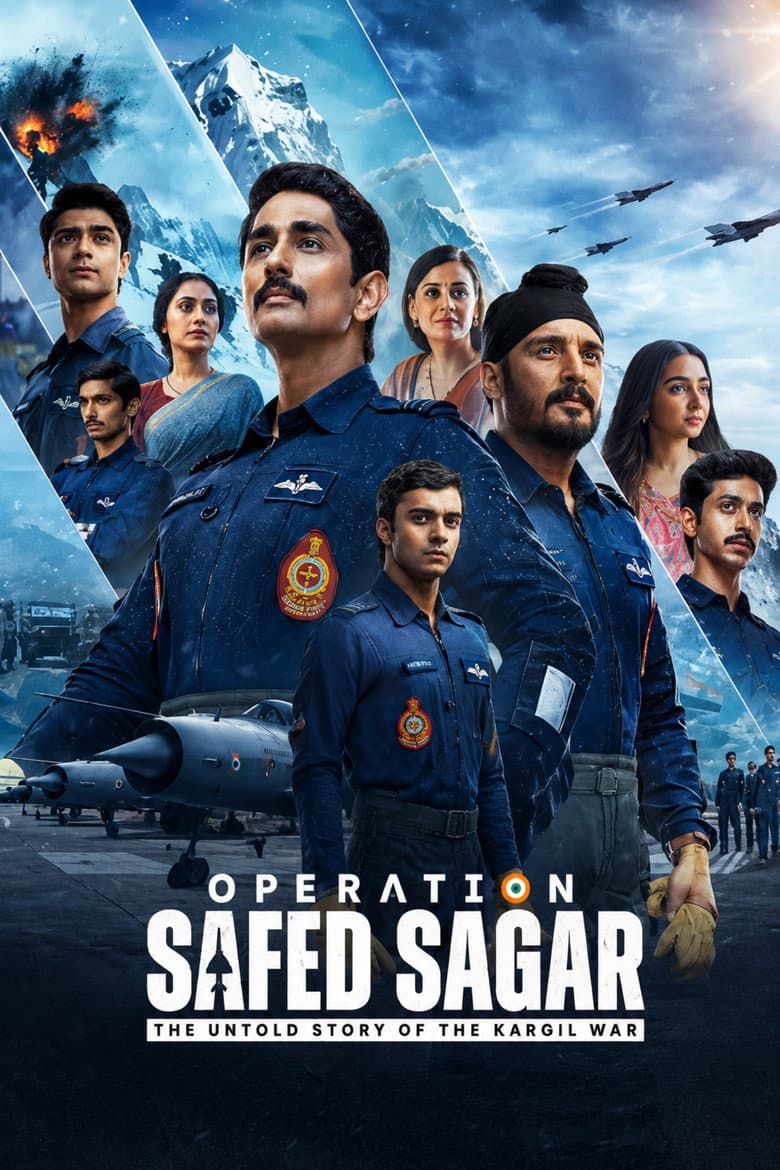
TV Show · 2026
As the Kargil War erupts between India and Pakistan, the Golden Arrows squadron of the Air Force takes flight on a dangerous mission behind enemy lines.
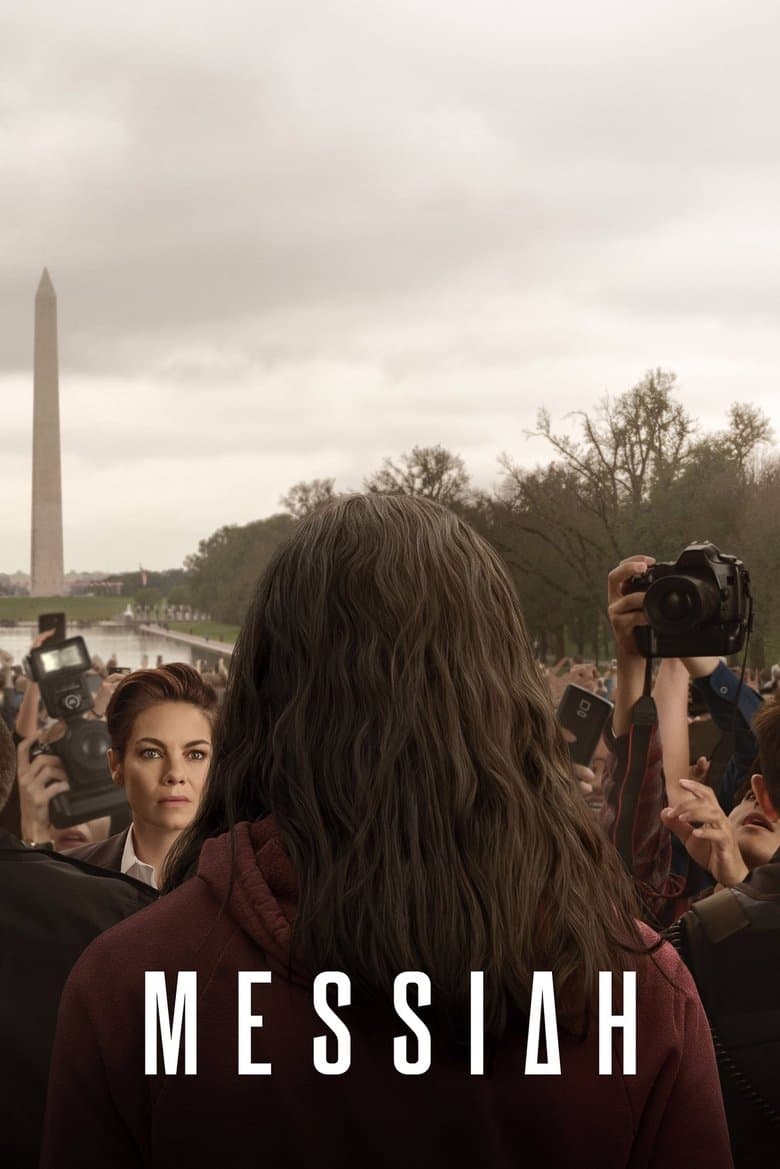
TV Show · 2020
A wary CIA officer investigates a charismatic man who sparks a spiritual movement and stirs political unrest. Who exactly is he? And what does he want?
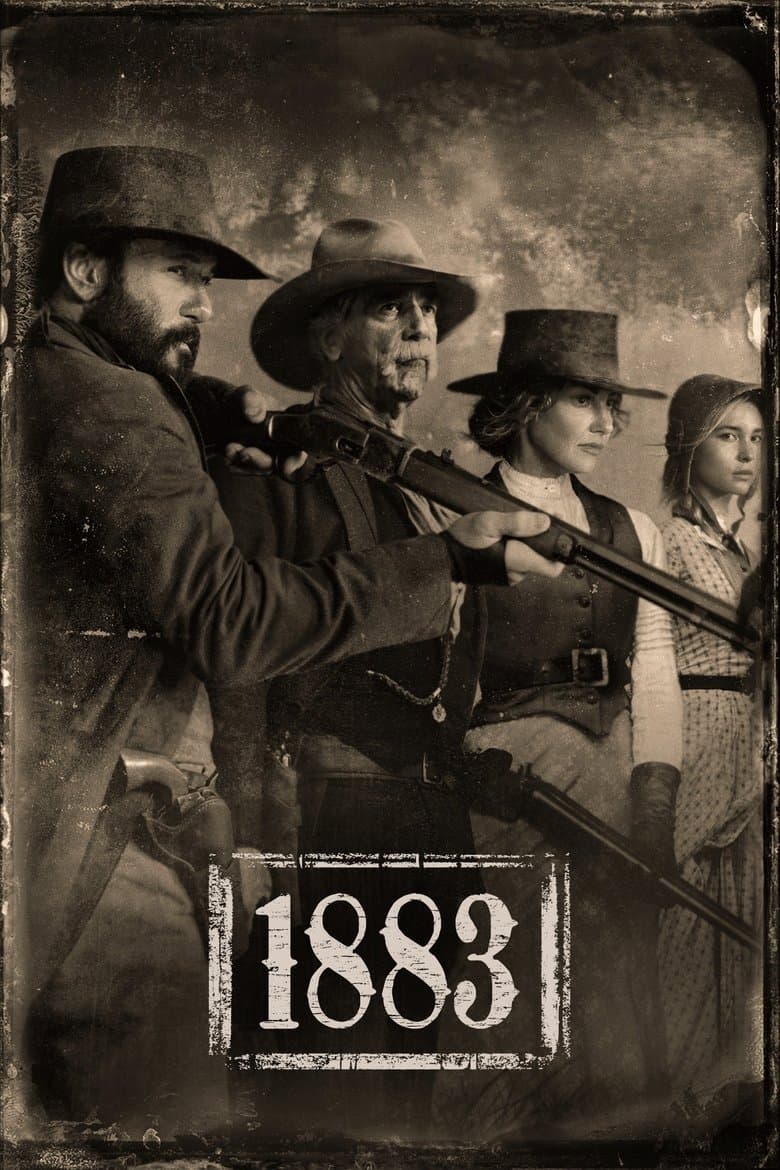
TV Show · 2021
Follow the Dutton family as they embark on a journey west through the Great Plains toward the last bastion of untamed America.
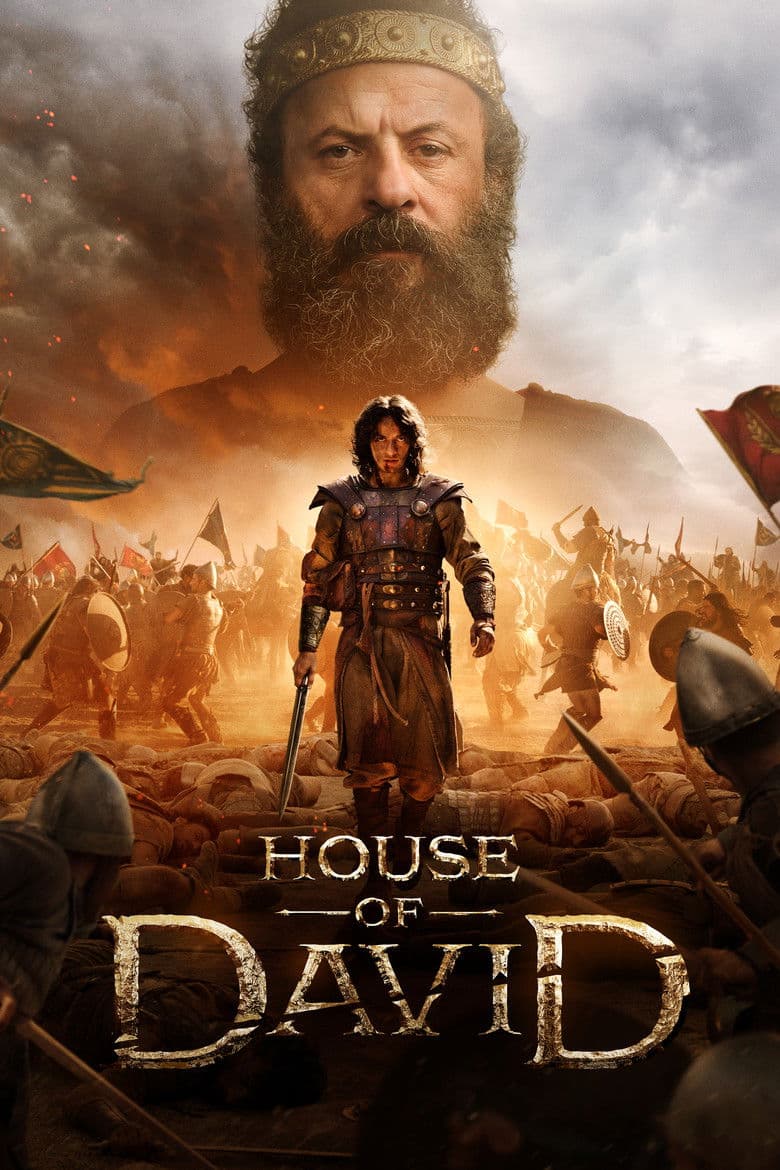
TV Show · 2025
Tells the story of the ascent of the biblical figure, David, who becomes the most celebrated king of Israel. The series follows the once-mighty King Saul as he falls victim to his…
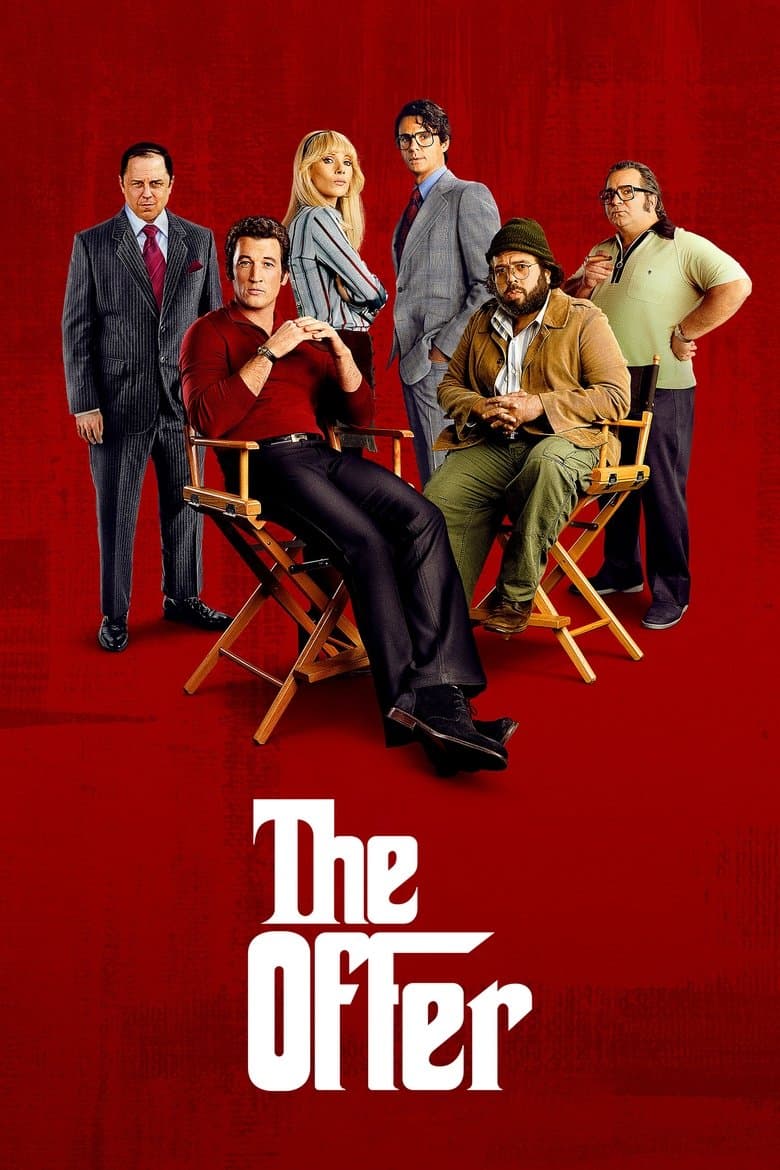
TV Show · 2022
Oscar-winning producer Al Ruddy’s never before revealed experiences of making the iconic 1972 film The Godfather that Francis Ford Coppola directed and adapted with Mario Puzo.
