
Started March 14, 2026 · Returning Series · Based on 1 season, 6 episodes through March 21, 2026 · TV-MA
The Madison follows Stacy Clyburn, a wealthy New York widow whose husband and brother-in-law die in a plane crash. Stacy takes her daughters, son-in-law, and granddaughters to the family land in Montana, where she tries to bury her husband and rebuild their lives. The family faces grief, old anger, a broken marriage, a new romance, and hard choices about whether New York is still home. The tone is slow, sad, and sometimes funny, with long talks, wide mountain views, and repeated praise for rural life.
The show gives most of its time to Stacy, her daughters, and the other women in the family. Preston dies early, so the women carry most of the family conflict and healing. A short argument asks whether calling a dish Indian tacos is racist, and the show also jokes about pronouns. These moments are small beside the main themes of grief, marriage, family duty, memory, and choosing a new home.
Community feedback
Was our 19% Woke rating accurate?
Breakdown
These are the editorial factors and ratings behind our score for The Madison.
Woke representation / casting
The main Clyburn family is mostly White, which fits a wealthy New York family. The local Harris family is native American and fits the Montana setting. Stacy, Abigail, and Paige carry most of the screen time, and the series was publicly described as female-gaze-oriented. That framing gives the gender pattern a mild representation signal, but the cast does not look like a forced mixed group or a diversity-first lineup.
19%
Woke political dialogue
Episode 2 and Episode 3 briefly debate whether the phrase “Indian tacos” is racist, and another line jokes about pronouns. The talk is framed as a clash between sheltered city manners and local speech, not as a lesson about activism. The show spends far more time on grief, family, nature, and marriage than on political ideas.
10%
Identity-driven story themes
Stacy’s grief and the choices of her daughters and granddaughters drive the season. The story gives women most of the emotional work and places a short identity-language argument inside the family conflict. It does not build the plot around race, sexuality, or equal-rights politics. The main message supports family, marriage, memory, and choosing a rural home.
12%
Western institutional / cultural critique
Not present. The show mocks wealthy New York manners and praises Montana land, family, and older rural customs. It does not use activist criticism of patriarchy, capitalism, Christianity, or other Western institutions.
0%
Woke character or canon changes
Not relevant. The show has no established character, source story, or historical figure whose identity was changed for a woke purpose. Its move from a possible Yellowstone link to a standalone story changes the format, not a character’s identity.
0%
Anti-woke backlash and complaints
One culture-war account called the show “female empowerment garbage,” a “woke disaster,” and anti-male after Preston dies early and women lead the story. The same critic called Sheridan a “closet-feminist” and said the show was a Trojan horse for feminism. Other small right-leaning accounts praised it as anti-woke, and no organized boycott or review-bombing campaign appeared. The reaction was real but fringe.
10%
Creator track record context
Taylor Sheridan has criticized woke Hollywood trends and is known for traditional, conservative-leaning stories. Christina Alexandra Voros and most producers have no clear activist pattern in the available context. Bob Yari’s race-focused Crash and Ron Burkle’s Democratic causes add general social or liberal context, but they do not show a strong woke pattern for this title.
13%
Production
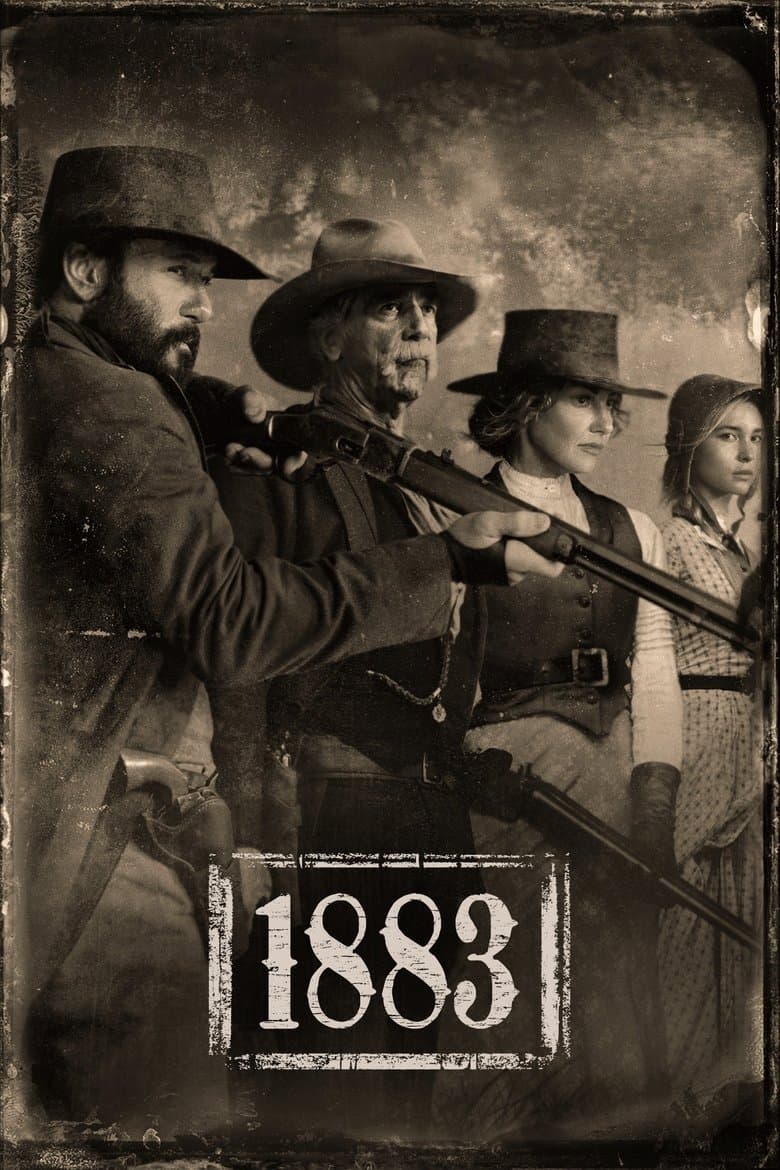
TV Show · 2021
Follow the Dutton family as they embark on a journey west through the Great Plains toward the last bastion of untamed America.
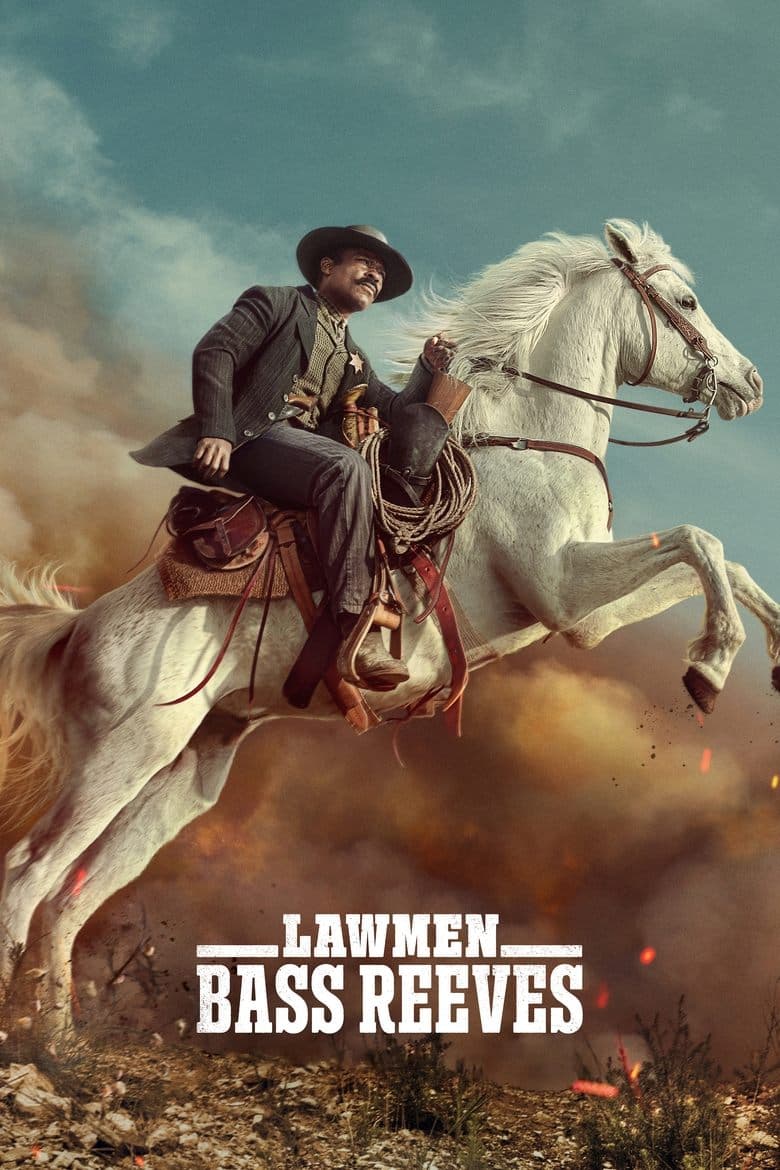
TV Show · 2023
The story of Bass Reeves, the legendary lawman of the wild West, is brought to life. Reeves worked in the post-Reconstruction era as a federal peace officer in the Indian…
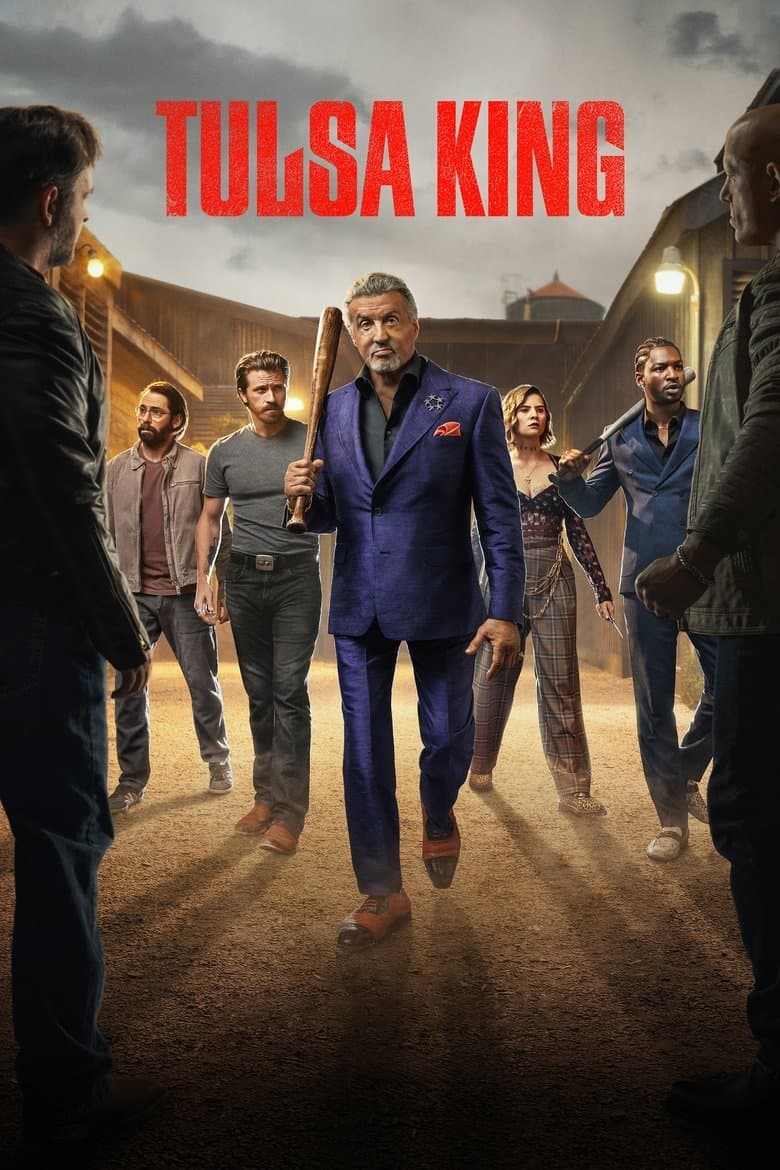
TV Show · 2022
New York mafia capo Dwight "The General" Manfredi is released from prison after 25 years and exiled by his boss to set up shop in Tulsa, Oklahoma.
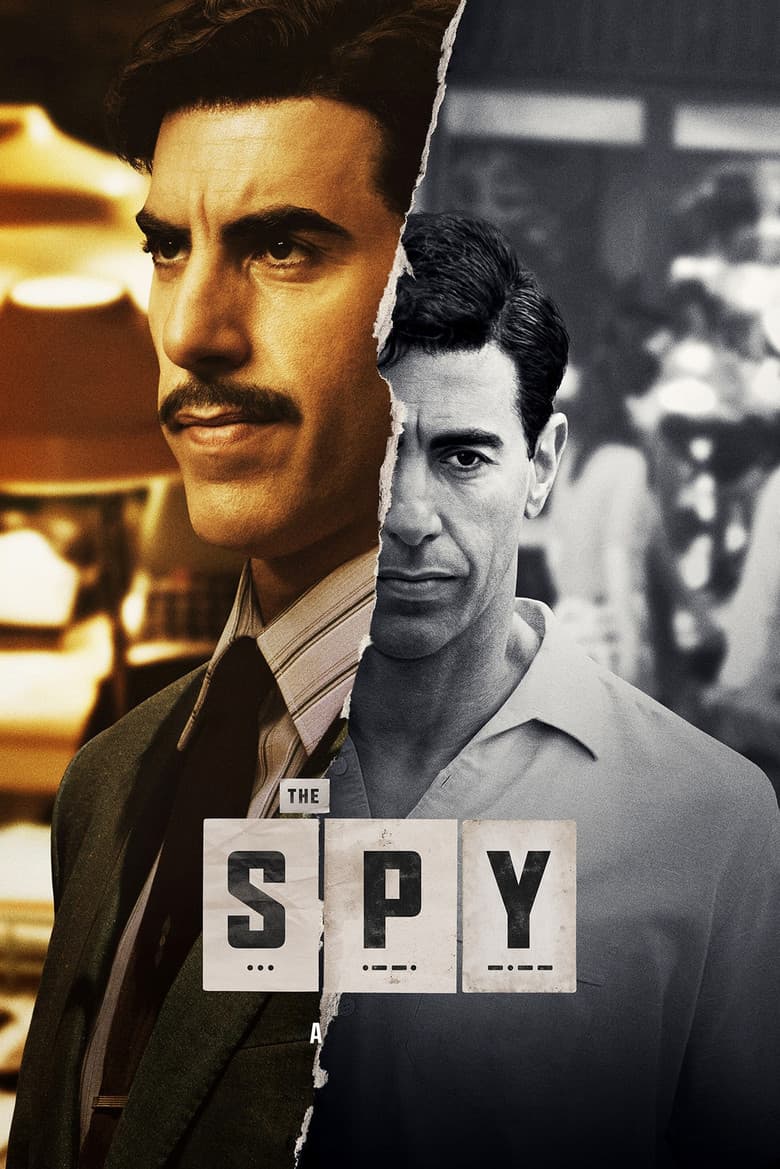
TV Show · 2019
In the 1960s, Israeli clerk-turned-secret agent Eli Cohen goes deep undercover inside Syria on a perilous, years-long mission to spy for Mossad.
TV Show · 2020
A wary CIA officer investigates a charismatic man who sparks a spiritual movement and stirs political unrest. Who exactly is he? And what does he want?

TV Show · 2024
Fascinated by cars since childhood, Brazilian racer Ayrton Senna became a sports legend — until tragedy struck, changing Formula 1 forever.
TV Show · 2024
The powerful real-life story of Lali Sokolov, a Jewish prisoner who was tasked with tattooing ID numbers on prisoners' arms in the Auschwitz-Birkenau concentration camp during…
TV Show · 2022
Oscar-winning producer Al Ruddy’s never before revealed experiences of making the iconic 1972 film The Godfather that Francis Ford Coppola directed and adapted with Mario Puzo.
