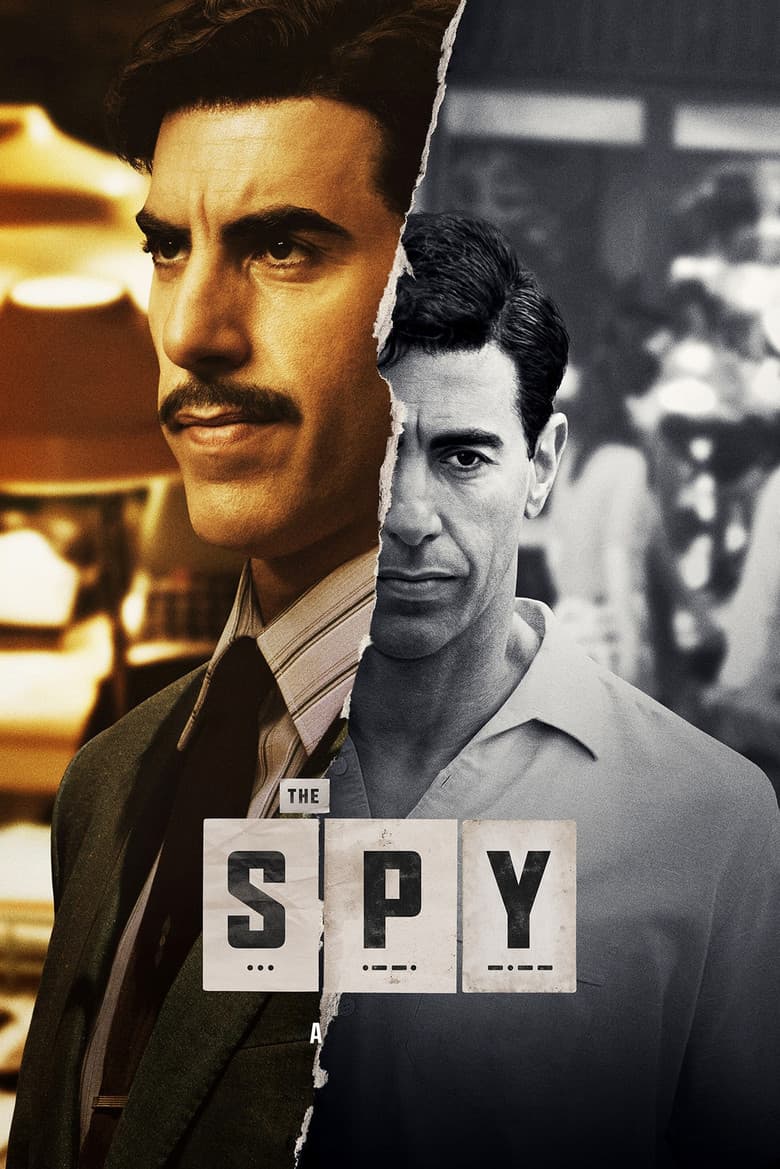
Started September 6, 2019 · Ended · Based on 1 season, 6 episodes through September 6, 2019 · TV-MA · 54 min
The Spy follows Eli Cohen, an Egyptian-born Israeli clerk who is recruited by Mossad in the early 1960s. He builds a false life as Kamel, a wealthy Syrian businessman from Argentina, and enters Damascus. He befriends army officers and political leaders while sending secret reports back to Israel. The six episodes use a tense, serious tone and show how the mission pulls him away from his wife Nadia and their children.
The story gives some attention to Eli’s place as an Egyptian Jew in Israel, including his feeling that other people see him as Arab even though he is Jewish. That identity detail helps explain why he can pass as a Syrian, but the main focus stays on spying, loyalty, marriage, and the cost of living under a false name. The series presents Eli as a brave patriot and makes the Syrian Ba’athist leaders and secret police the main threat. It also shows Nadia raising the children alone while Eli grows closer to the people he is spying on.
Community feedback
Was our 14% Woke rating accurate?
Breakdown
These are the editorial factors and ratings behind our score for The Spy.
Woke representation / casting
Not present. The main cast fits the 1960s Israeli and Syrian setting, with an Israeli lead and Arab characters in Syrian roles. The show does not use a repeated diversity-first casting pattern.
0%
Woke political dialogue
Not present. The dialogue centers on Mossad spying, Syrian military plans, the Ba’athist coup, and attacks across the border. It does not turn these events into modern activist speeches about identity, race, gender, or capitalism.
0%
Identity-driven story themes
The series gives a small identity-driven focus to Eli’s Egyptian Jewish background. Eli says he is treated as Arab even though he is Jewish, and he feels like an outsider at an Israeli party. The identity conflict helps explain why he can pass as a Syrian businessman. The story still spends most of its time on spying, marriage, and loyalty.
12%
Western institutional / cultural critique
Not present. The show presents Syrian military rule and Mossad risks as parts of the historical spy conflict. It does not attack Western institutions or build a modern message about patriarchy, toxic masculinity, Christianity, or traditional family life.
0%
Woke character or canon changes
Not relevant. The series is a dramatization of a real spy’s life and compresses events for a six-episode story. It does not turn a race, gender, or sexuality change into a message.
0%
Anti-woke backlash and complaints
The X pass found a few small right-leaning posts praising the miniseries as strongly pro-Israel and saying it avoids the usual woke material. The search found no clear anti-woke complaints about forced diversity, race or gender swaps, girlboss writing, LGBT focus, or DEI. No boycott, review bombing, or organized campaign was tied to the show, so the backlash evidence remains fringe.
10%
Creator track record context
Gideon Raff has a limited activist record in the cached context, including LGBTQ acceptance and animal advocacy. Sacha Baron Cohen has a stronger progressive record through anti-hate work, civil rights speeches, and satire aimed at racism and right-wing targets. Casting director Kelly Valentine Hendry has publicly pushed diversity and inclusion in casting. The writer and most producers have little such record, so the overall creator context is mixed rather than strongly identity-first.
32%
Production

TV Show · 2020
A wary CIA officer investigates a charismatic man who sparks a spiritual movement and stirs political unrest. Who exactly is he? And what does he want?
TV Show · 2024
The powerful real-life story of Lali Sokolov, a Jewish prisoner who was tasked with tattooing ID numbers on prisoners' arms in the Auschwitz-Birkenau concentration camp during…
TV Show · 2021
Inspired by the true story of Marty and the therapist who turned his life around...then took it over. When he first meets Dr. Ike, Marty just wants to get better at boundaries.

TV Show · 2023
The story of Bass Reeves, the legendary lawman of the wild West, is brought to life. Reeves worked in the post-Reconstruction era as a federal peace officer in the Indian…
TV Show · 2025
Tells the story of the ascent of the biblical figure, David, who becomes the most celebrated king of Israel. The series follows the once-mighty King Saul as he falls victim to his…
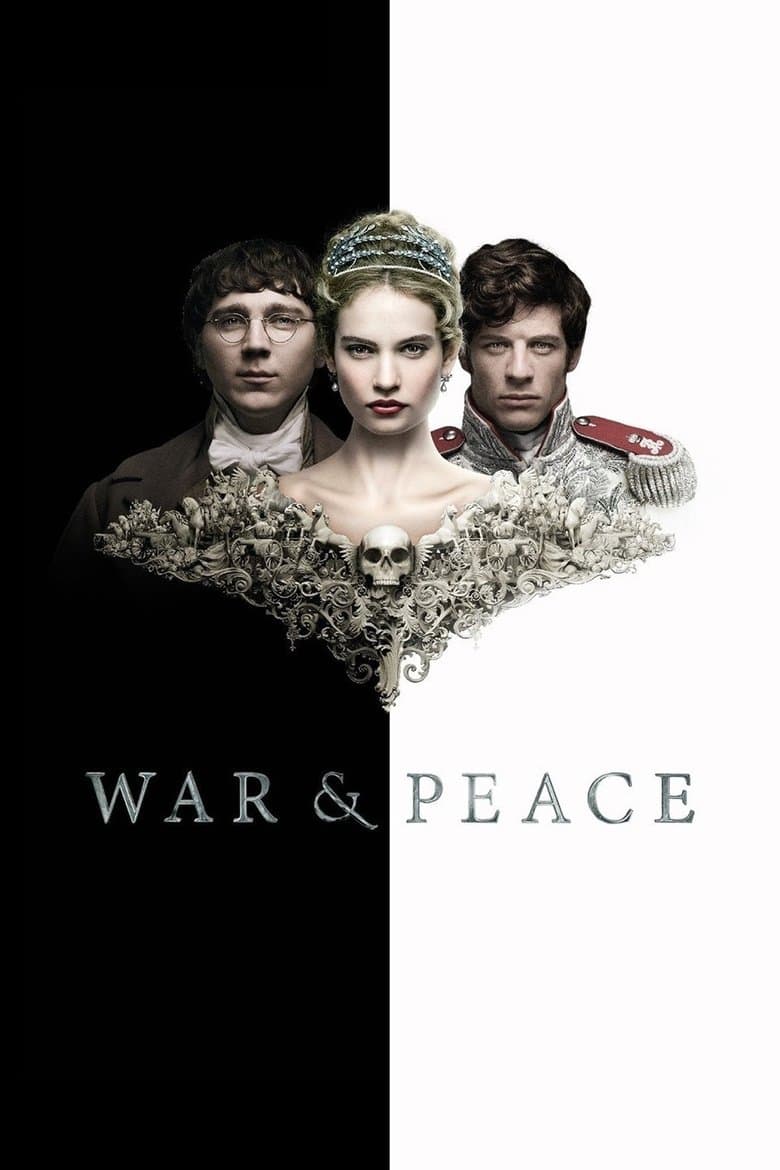
TV Show · 2016
The love story of young Countess Natasha Rostova and Count Pierre Bezukhov is interwoven with the Great Patriotic War of 1812 against Napoleon's invading army.
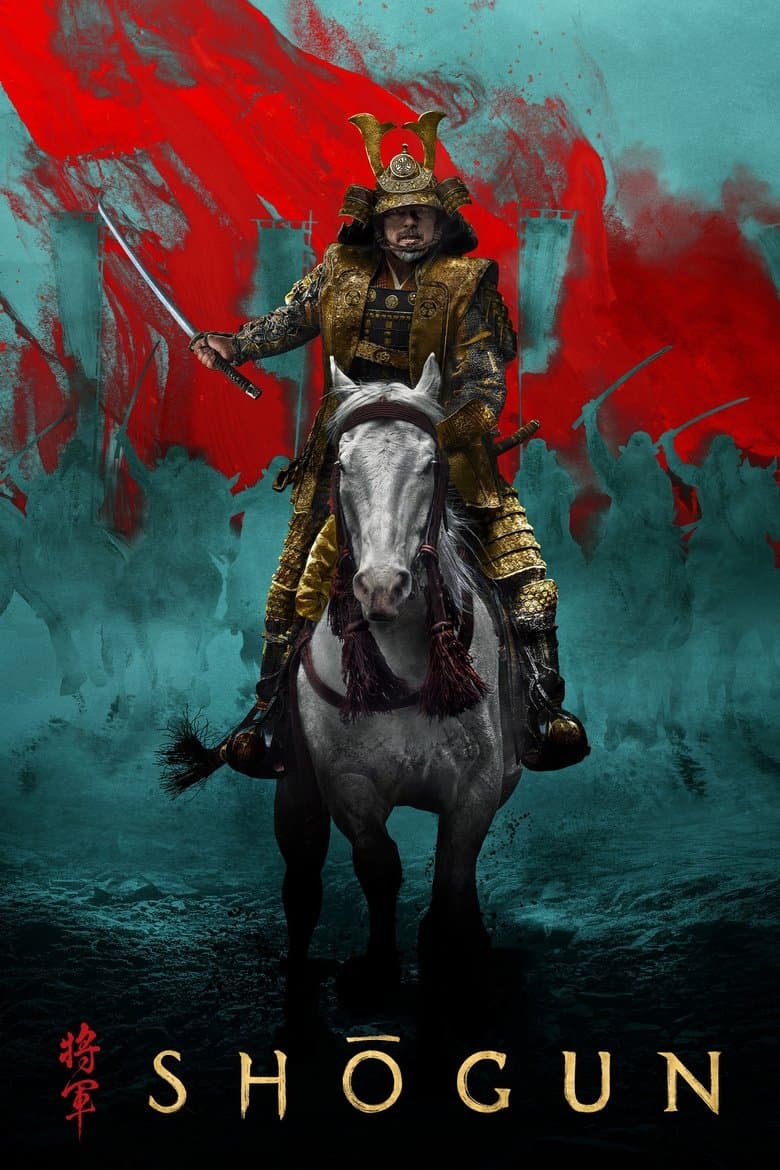
TV Show · 2024
In Japan in the year 1600, at the dawn of a century-defining civil war, Lord Yoshii Toranaga is fighting for his life as his enemies on the Council of Regents unite against him…

TV Show · 2026
As the Kargil War erupts between India and Pakistan, the Golden Arrows squadron of the Air Force takes flight on a dangerous mission behind enemy lines.
