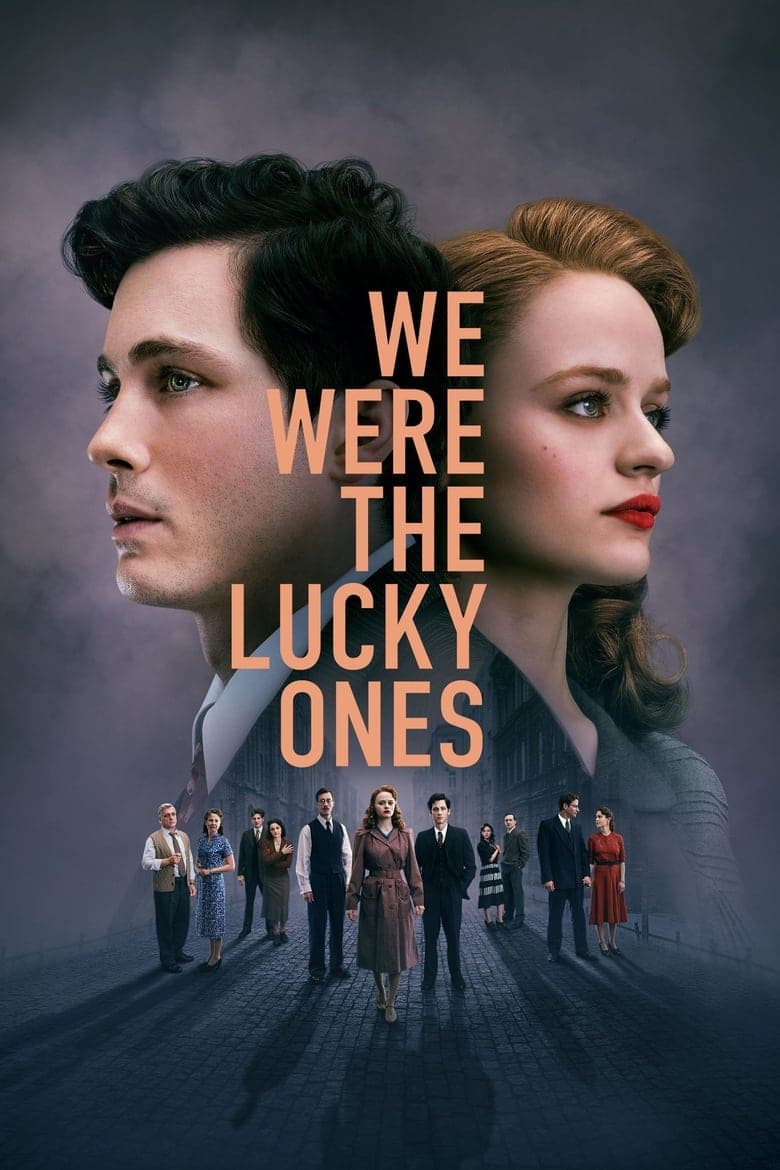
Started March 28, 2024 · Ended · Based on 1 season, 8 episodes through May 2, 2024 · TV-MA
We Were the Lucky Ones follows the Kurc family, a Jewish family living in Radom, Poland, before and during World War II. The family is split apart after Germany invades, and each person searches for a way to stay alive and find the others again. Halina helps move people through false papers and dangerous borders, while Addy travels across Europe and the Atlantic to escape. The tone is serious, painful, and hopeful, with family love giving the story its warmest moments.
The show keeps Jewish life and religious practice close to the center through Passover meals, family customs, hiding a Jewish identity, and the danger that comes from being Jewish. It also follows refugee journeys, closed borders, forced labor, ghettos, resistance work, and the loss of homes and relatives. These themes appear in all eight episodes and shape the family’s choices, fears, and hopes. Halina’s courage and skill are prominent, yet the story also gives important survival choices to Addy, Mila, Genek, Jakob, Bella, and their parents.
Community feedback
Was our 21% Woke rating accurate?
Breakdown
These are the editorial factors and ratings behind our score for We Were the Lucky Ones.
Woke representation / casting
Not present. The Kurc family is a Polish Jewish family, and the main actors were chosen to match that background. The wider cast comes from places in the story, so it does not form a diversity-first group.
0%
Woke political dialogue
Not present. The characters discuss Nazi antisemitism, war, religious identity, and the search for safe countries. The dialogue does not push modern DEI, gender, or activist ideas.
0%
Identity-driven story themes
Jewish identity and survival shape all eight episodes. The family celebrates Jewish holidays, hides its religion, uses false names, and faces rules aimed at Jews. The story also follows refugees who struggle to find a country that will accept them. These ideas come from a real World War II family story, so modern political messaging stays limited.
28%
Western institutional / cultural critique
Not present. The show depicts Nazi and Soviet persecution, forced labor, and countries refusing refugees. Those events are shown as part of the World War II setting, not as modern attacks on Western family life, Christianity, capitalism, or traditional gender roles.
0%
Woke character or canon changes
Not relevant. The series keeps the main people’s Jewish background, genders, and relationships. No identity-based swap or rewrite of an established character is central to the adaptation.
0%
Anti-woke backlash and complaints
Not present. Reviews and audience posts mainly discuss emotional impact, accents, dark lighting, and story density. No meaningful complaints say the show pushes woke, DEI, or identity politics.
0%
Creator track record context
Erica Lipez has a cached score of 26/100, while directors Thomas Kail, Neasa Hardiman, and Amit Gupta have scores of 21, 10, and 0. The writers include several people with moderate or high cached scores because their past work covers identity and social issues. The producers and casting directors have mostly low cached scores. No clear activist campaign is tied to this project.
35%
Production

TV Show · 2024
Fascinated by cars since childhood, Brazilian racer Ayrton Senna became a sports legend — until tragedy struck, changing Formula 1 forever.
TV Show · 2020
A wary CIA officer investigates a charismatic man who sparks a spiritual movement and stirs political unrest. Who exactly is he? And what does he want?
TV Show · 2024
The powerful real-life story of Lali Sokolov, a Jewish prisoner who was tasked with tattooing ID numbers on prisoners' arms in the Auschwitz-Birkenau concentration camp during…
TV Show · 2022
Oscar-winning producer Al Ruddy’s never before revealed experiences of making the iconic 1972 film The Godfather that Francis Ford Coppola directed and adapted with Mario Puzo.
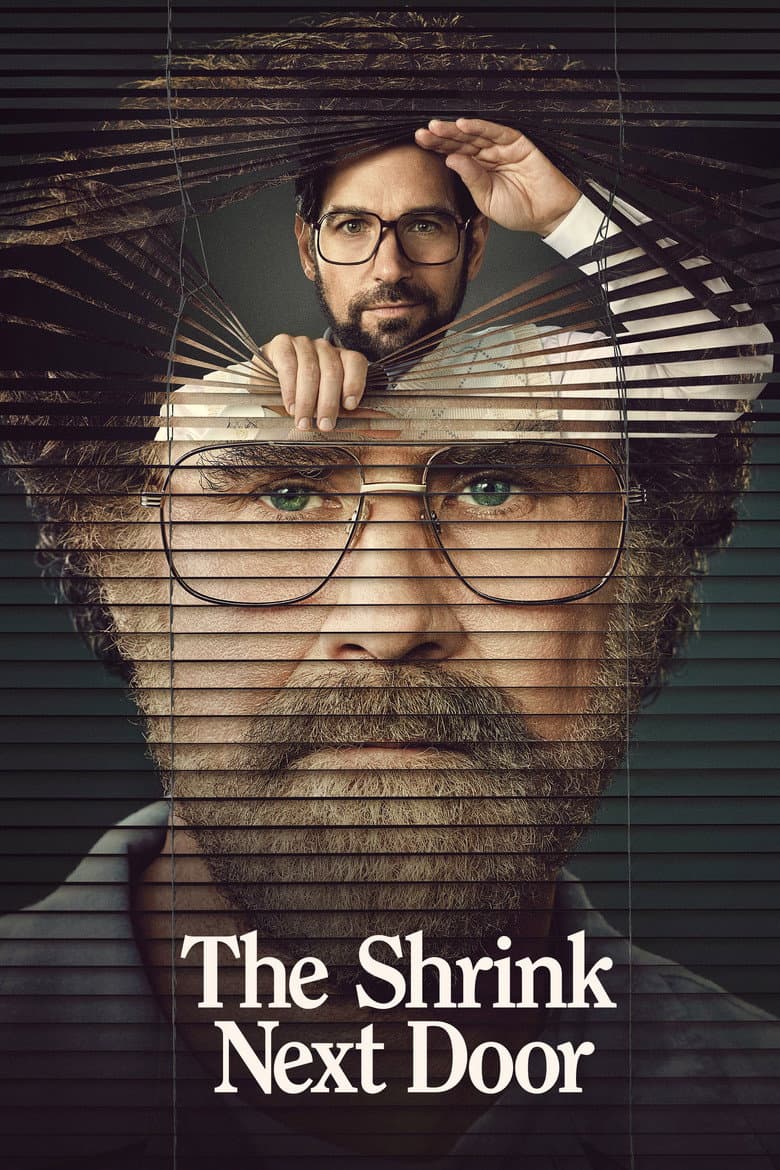
TV Show · 2021
Inspired by the true story of Marty and the therapist who turned his life around...then took it over. When he first meets Dr. Ike, Marty just wants to get better at boundaries.
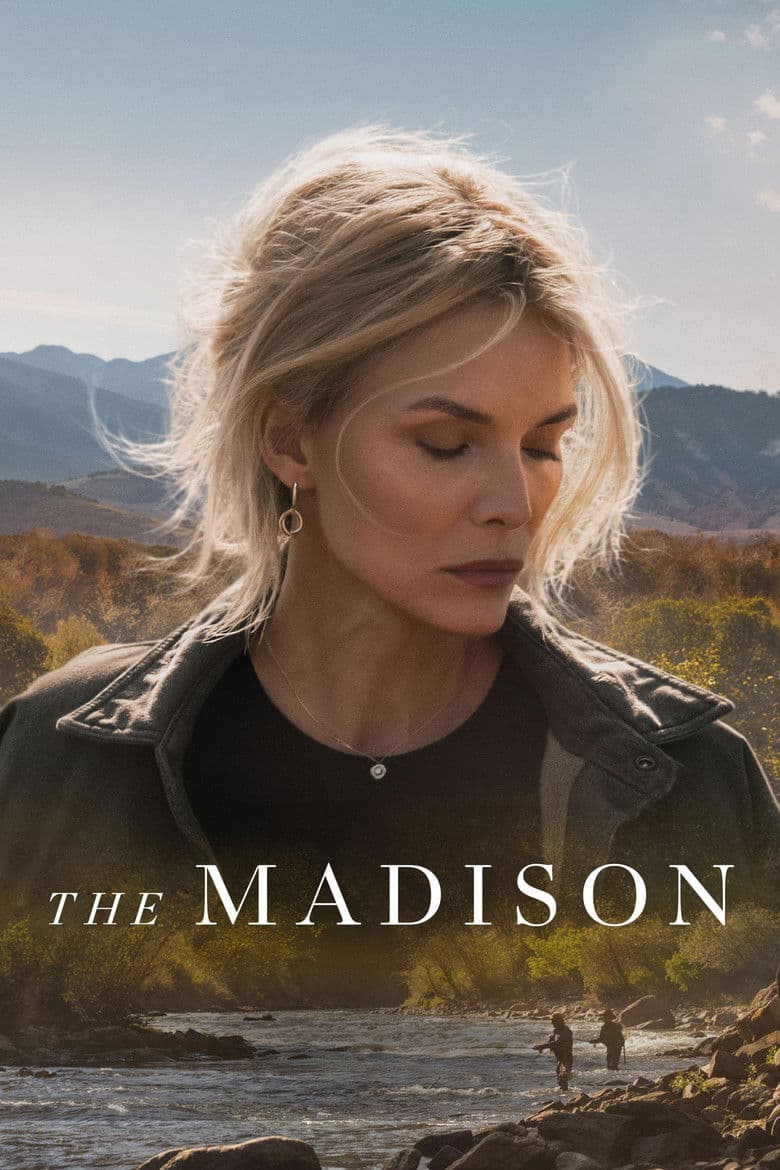
TV Show · 2026
The Clyburns uproot their comfortable New York City lives to the wild, untamed beauty of Montana's Madison River Valley on a search for connection.
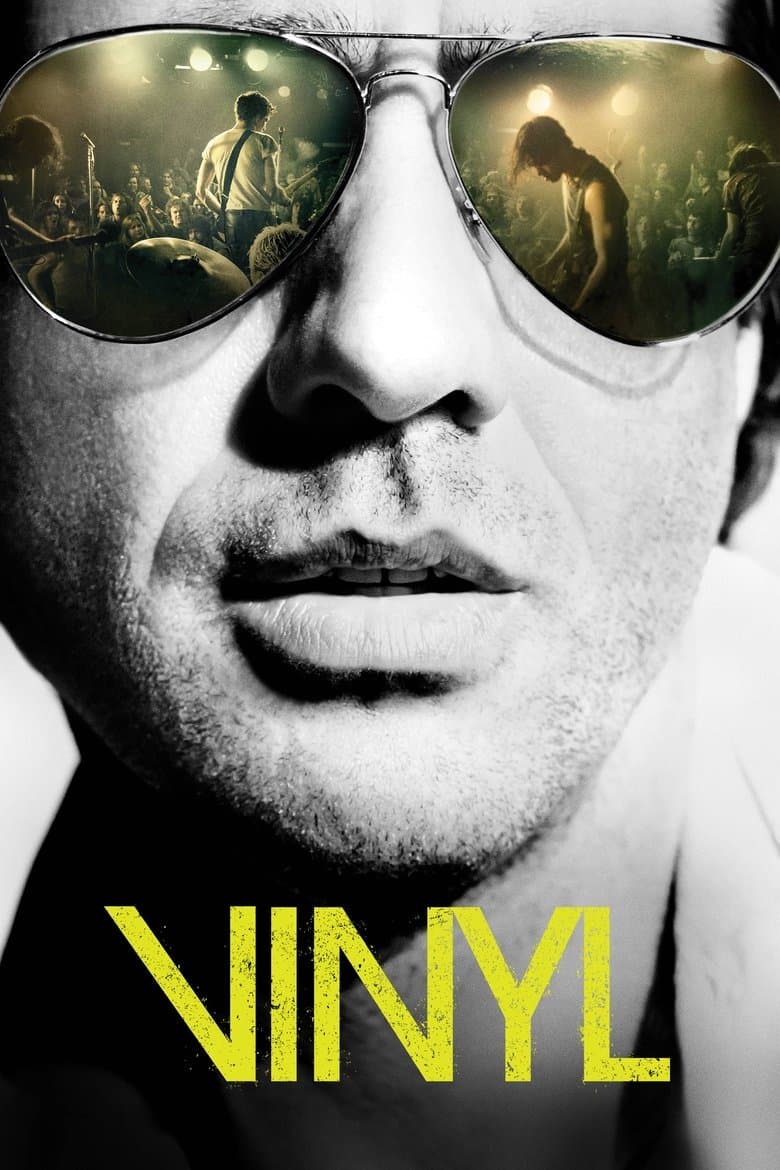
TV Show · 2016
In 1970s New York, jaded record exec Richie Finestra tries to resurrect his failing label and fractured personal life while keeping his finger on the pulse of the city's new sound.
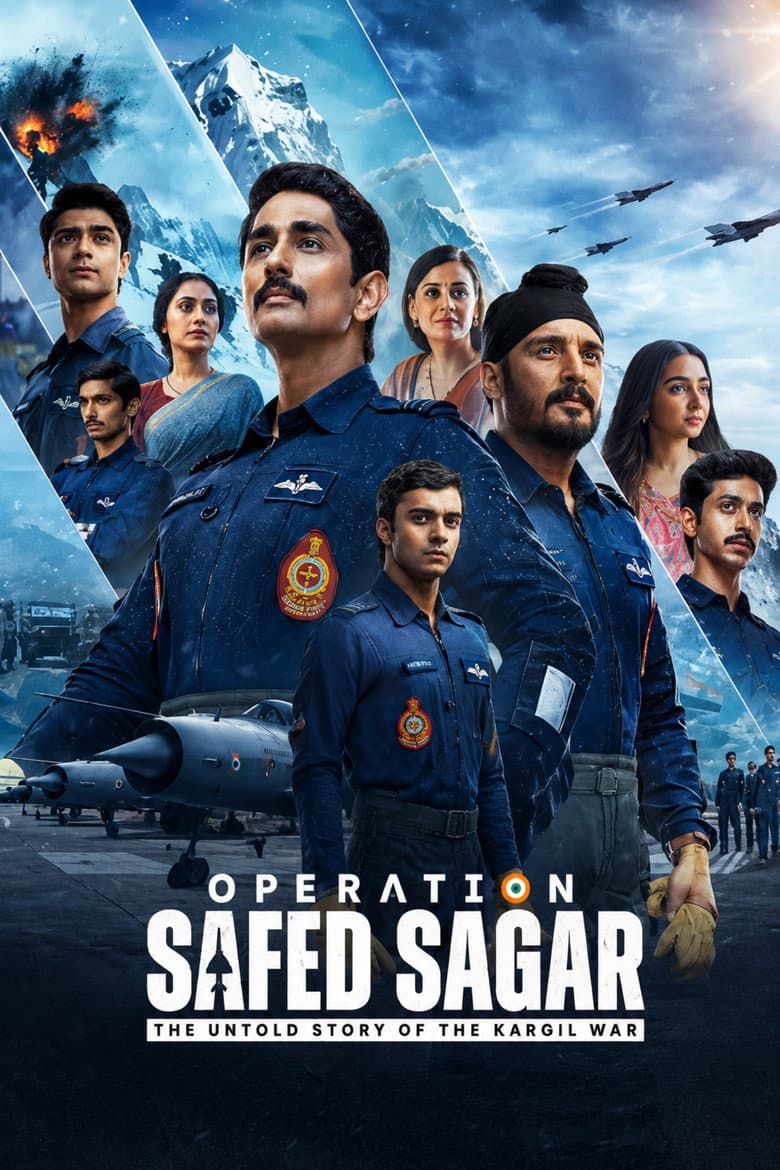
TV Show · 2026
As the Kargil War erupts between India and Pakistan, the Golden Arrows squadron of the Air Force takes flight on a dangerous mission behind enemy lines.
