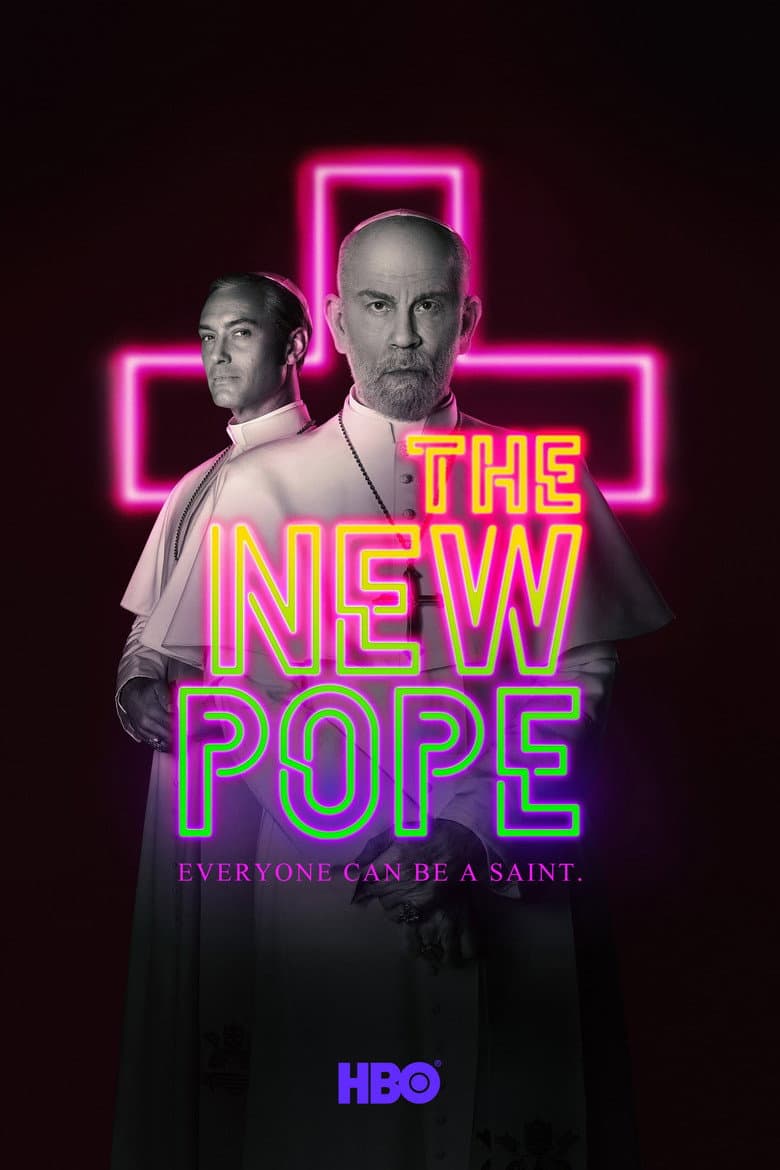
Started January 10, 2020 · Ended · Based on 1 season, 9 episodes through February 7, 2020 · TV-MA · 58 min · Italian
The New Pope follows two rival popes inside a troubled Vatican. Pius XIII lies in a coma after a heart attack, so the cardinals choose the English priest Sir John Brannox, who takes the name John Paul III. Brannox wants peace and balance, but he carries deep guilt over his dead twin and struggles with drugs, fear, and public pressure. When Pius wakes, the two men face a fight over faith, power, and the future of the Church. The show uses dark humor, strange images, sex, violence, and serious questions about God.
The season gives clear space to modern identity and reform ideas. A group of nuns protests for social, moral, and economic rights, a larger role in ministry, and protection from creepy male clergy. Cardinal Gutiérrez has a male lover, while the story exposes secret gay relationships among priests and links priestly marriage to the abuse crisis. Sharon Stone asks for gay marriage in the Church, and John Paul III plans to support marriage for both gay and straight priests before fear stops him. The show also welcomes refugees and often presents the Vatican as a greedy, male-led institution that hides abuse and misuses power.
Community feedback
Was our 62% Woke rating accurate?
Breakdown
These are the editorial factors and ratings behind our score for The New Pope.
Woke representation / casting
Not present. The cast is mostly European clergy and staff, which fits the Vatican setting. Sofia and the nuns hold visible roles, but the show does not frame their casting as a diversity message.
0%
Woke political dialogue
Sharon Stone asks why the Church will not allow gay marriage. John Paul III says he plans to support marriage for gay and straight priests to fight abuse, though he never gives the planned interview speech. The nuns demand social, moral, and economic rights, a larger role in church work, and protection from creepy male clergy. These talks recur across the season but stay inside the Vatican plot.
49%
Identity-driven story themes
The season repeatedly links the male-run Church to women’s limited roles, sexual abuse, and hidden sexual relationships. The nuns’ protest returns as a continuing subplot. John Paul III treats marriage for gay and straight priests as a possible answer to abuse, but he never completes the plan. These ideas matter in several episodes, while faith, power, and the two-pope conflict remain the main story.
49%
Western institutional / cultural critique
The Vatican is shown as greedy, secretive, and driven by power. Cardinals hide abuse, use blackmail, manipulate elections, and treat public image as a tool. The nuns’ protest and the plot about priestly sex attack old Church rules and male control. The show also mocks Christian symbols and presents many Church leaders as hypocrites, so this critique is a major part of the season.
61%
Woke character or canon changes
Not relevant. The series uses fictional popes and fictional Church leaders. It does not change the race, gender, sexuality, or identity of an established character or real historical figure.
0%
Anti-woke backlash and complaints
NewsBusters called the show church-bashing and complained about repeated sex scenes and attacks on Church teaching. GetReligion quoted Catholic League criticism that HBO and major reviews were hostile to the Catholic Church. The Venice patriarchate called the opening dance under a cross offensive, but that complaint focused on sacrilege rather than woke politics. The evidence shows limited backlash from religious and conservative outlets, not a large campaign.
23%
Creator track record context
Paolo Sorrentino’s stored creator score is 51, based on political satire and criticism of powerful institutions, with little record of identity-first activism. The stored writer scores are 0, 0, and 19, and their profiles show no sustained DEI campaign. Several stored producer profiles include queer or women-centered projects, but those credits are background rather than a stated goal for this show. The team gives some supporting context but does not point to a strongly activist production.
38%
Production
TV Show · 2024
The powerful real-life story of Lali Sokolov, a Jewish prisoner who was tasked with tattooing ID numbers on prisoners' arms in the Auschwitz-Birkenau concentration camp during…
TV Show · 2019
In the 1960s, Israeli clerk-turned-secret agent Eli Cohen goes deep undercover inside Syria on a perilous, years-long mission to spy for Mossad.
TV Show · 2019
The true story of one of the worst man-made catastrophes in history: the catastrophic nuclear accident at Chernobyl.
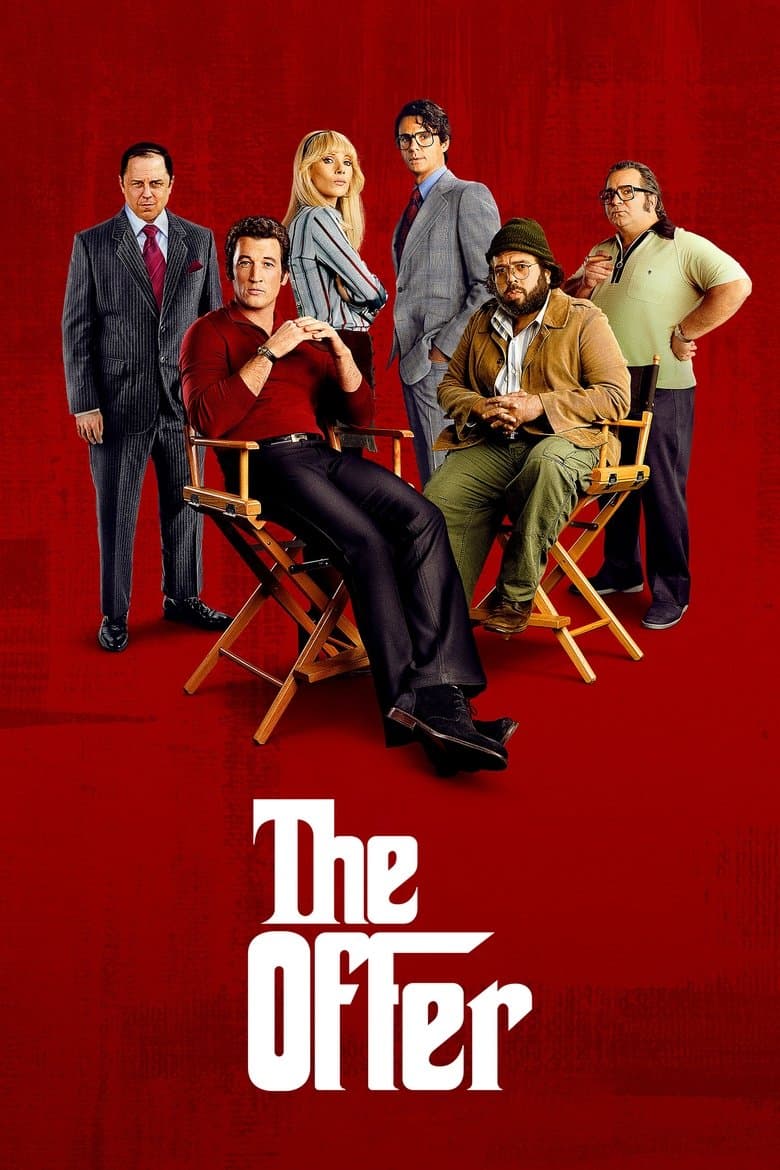
TV Show · 2022
Oscar-winning producer Al Ruddy’s never before revealed experiences of making the iconic 1972 film The Godfather that Francis Ford Coppola directed and adapted with Mario Puzo.
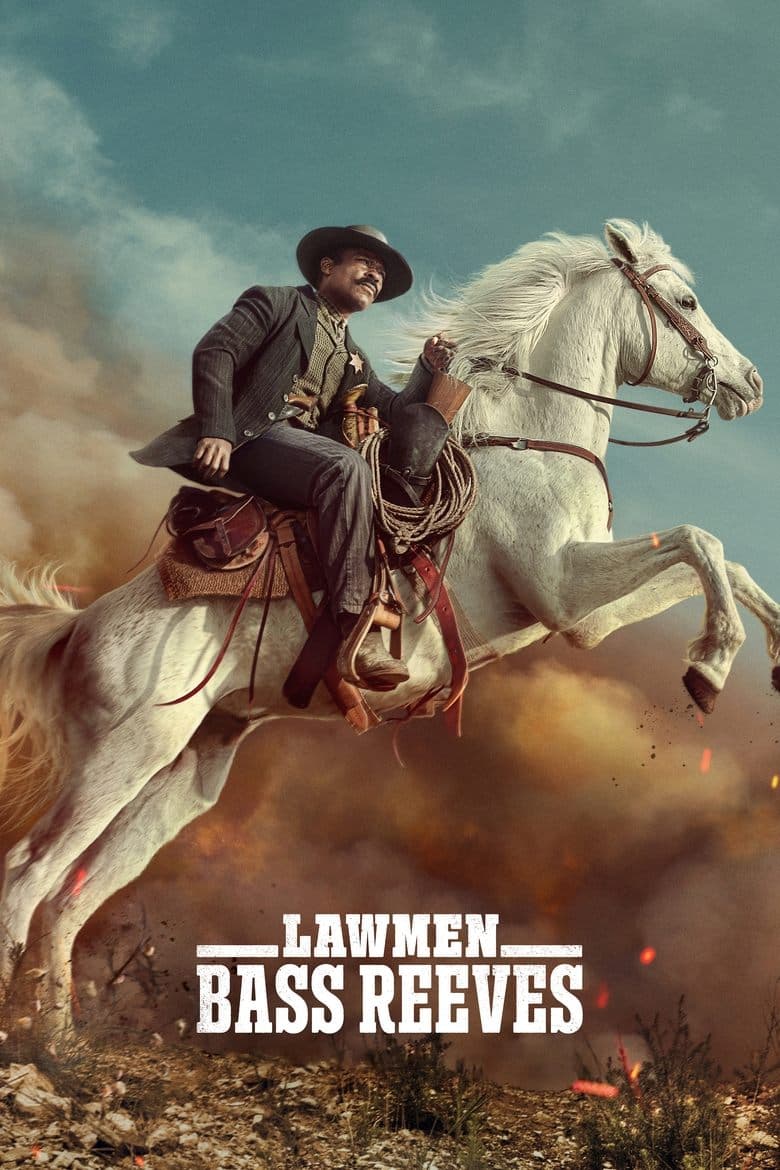
TV Show · 2023
The story of Bass Reeves, the legendary lawman of the wild West, is brought to life. Reeves worked in the post-Reconstruction era as a federal peace officer in the Indian…
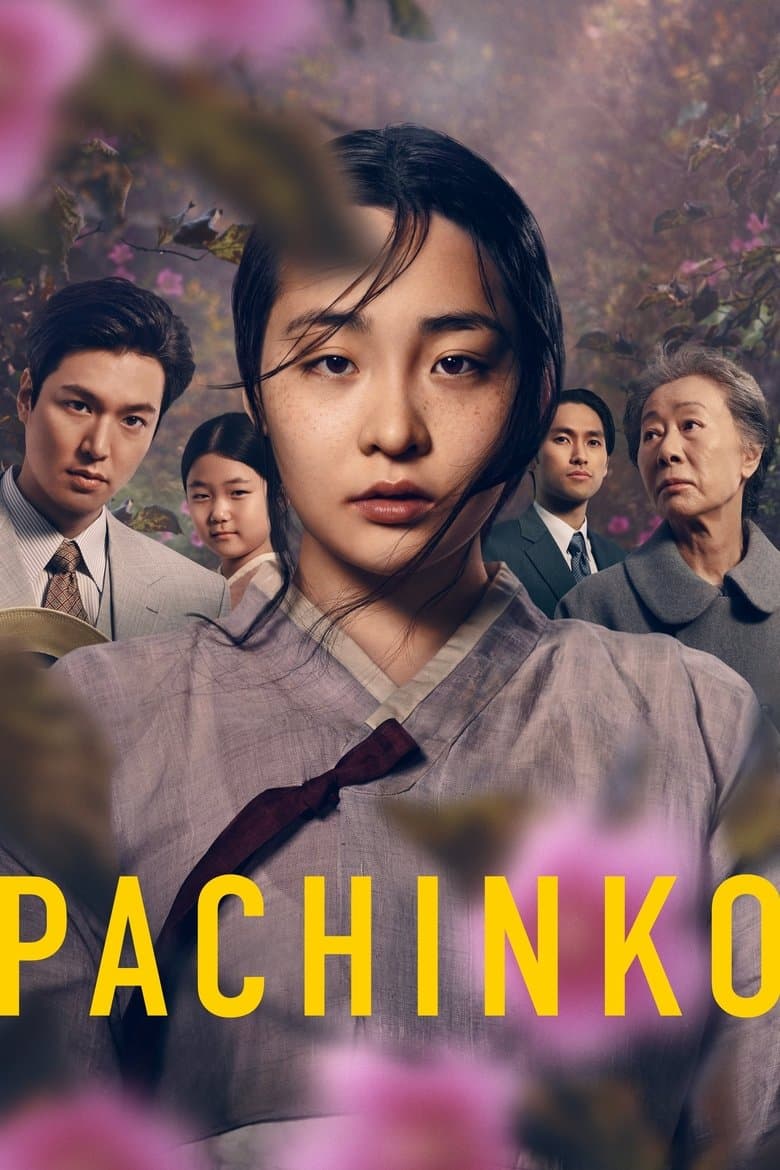
TV Show · 2022
This sweeping saga chronicles the hopes and dreams of a Korean immigrant family across four generations as they leave their homeland in an indomitable quest to survive and thrive.
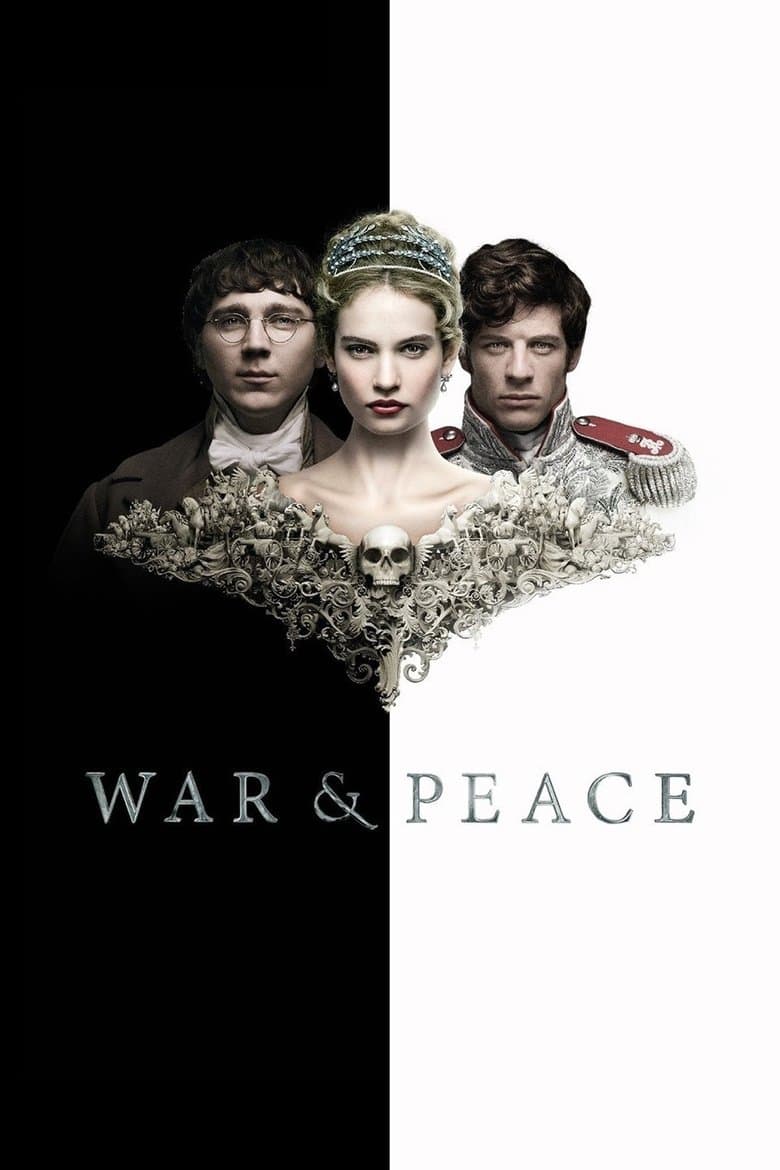
TV Show · 2016
The love story of young Countess Natasha Rostova and Count Pierre Bezukhov is interwoven with the Great Patriotic War of 1812 against Napoleon's invading army.
TV Show · 2021
Inspired by the true story of Marty and the therapist who turned his life around...then took it over. When he first meets Dr. Ike, Marty just wants to get better at boundaries.
