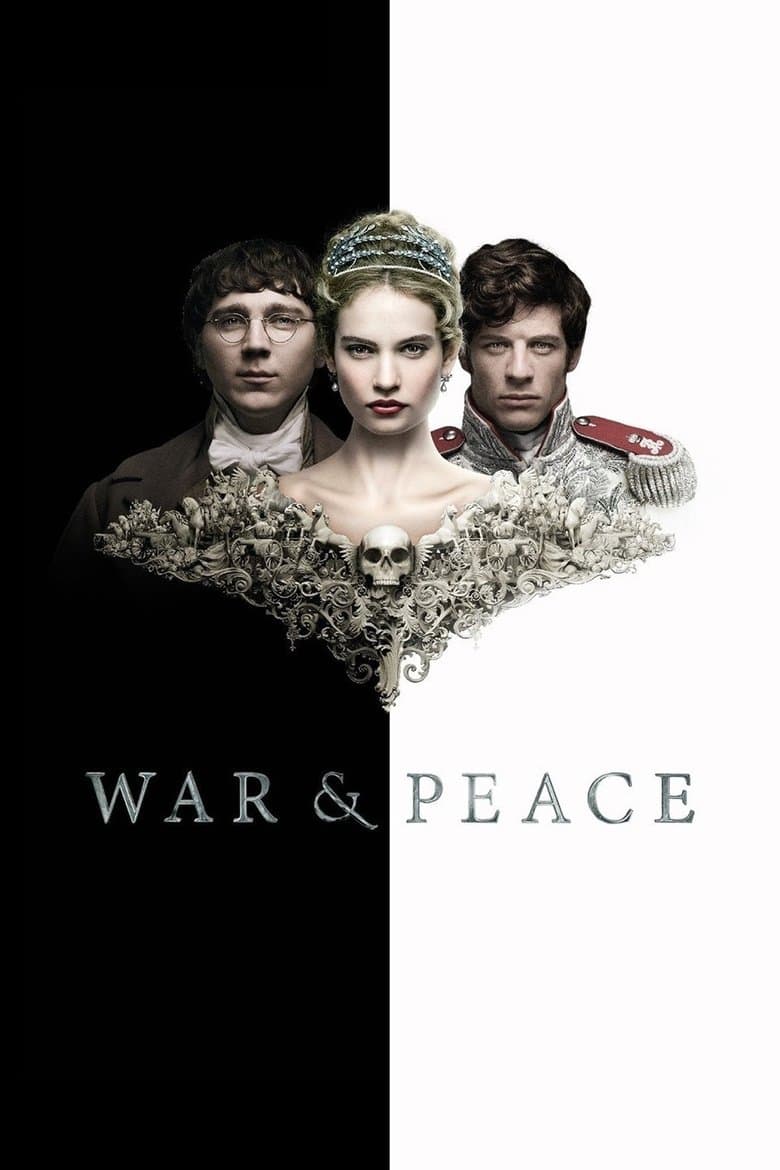
Started January 3, 2016 · Based on 1 season, 6 episodes · TV-14 · 45 min
Andrew Davies made a six-part BBC series based on Tolstoy’s novel War and Peace. It follows Pierre Bezukhov, Natasha Rostova, and Andrei Bolkonsky through love, family duty, and the Napoleonic wars. The story builds toward the 1812 invasion of Russia. Lavish balls, estate life, military campaigns, and spiritual searching fill the episodes. It plays as a classic romance-and-war period drama rather than a modern activist story.
The main arcs are love triangles, marriage and family obligation, battlefield ambition, grief, and a search for meaning. Dialogue stays inside period politics such as Napoleon, court society, Freemasonry, war, and honor. Casting fits early-1800s Russian aristocracy and military life. There are no modern activist plotlines or identity-first messages. Aristocratic vanity, bad marriages, and Pierre’s weak efforts to help his serfs appear as period material from the novel, not as a modern lecture on systems of power.
Community feedback
Was our 4% Woke rating accurate?
Breakdown
These are the editorial factors and ratings behind our score for War and Peace.
Woke representation / casting
Not present. Principal and supporting roles are period-appropriate European casting for early-1800s Russian aristocracy and military life with no audience-visible diversity quotas, race or gender swaps, or identity-statement casting in major roles.
0%
Woke political dialogue
Not present. Dialogue stays within period politics such as Napoleon, court society, Freemasonry, war, and honor, with no modern activist language about race, gender identity, systemic oppression, or contemporary identity politics.
0%
Identity-driven story themes
Not present. Core arcs are love triangles, marriage and family duty, battlefield ambition, grief, and spiritual meaning from Tolstoy’s classic material, not identity-politics plotlines or representation-first messaging.
0%
Western institutional / cultural critique
Aristocratic vanity, bad marriages, and Pierre’s weak attempts to help his serfs come straight from the novel. They read as personal growth and period life, not a modern attack on capitalism, patriarchy, or colonial guilt. Class awareness is very light.
5%
Woke character or canon changes
Not relevant. as identity rewrites. The much-discussed sex, nudity, and on-screen incest beat between Hélène and Anatole are racy compression of rumors or subtext, not DEI-driven changes to race, gender, or sexuality politics.
0%
Anti-woke backlash and complaints
Not present. Public controversy focused on sex, incest, and the series feeling too English, not on a woke agenda, and no meaningful anti-woke campaign was found.
0%
Creator track record context
Cached scores for key creatives are very low, such as Tom Harper at 5 and Andrew Davies at 2. There is no clear pattern of identity-driven activism linked to this title. Harper and the leads framed the show as emotional fidelity to Tolstoy and a timeless story about love and meaning.
6%
Production
TV Show · 2025
Tells the story of the ascent of the biblical figure, David, who becomes the most celebrated king of Israel. The series follows the once-mighty King Saul as he falls victim to his…
TV Show · 2025
"Legend of Zang Hai" follows the son of Imperial Astronomer Kuai Duo. Consumed by vengeance, he spends a decade honing his skills.
TV Show · 2024
The powerful real-life story of Lali Sokolov, a Jewish prisoner who was tasked with tattooing ID numbers on prisoners' arms in the Auschwitz-Birkenau concentration camp during…
TV Show · 2016
In 1970s New York, jaded record exec Richie Finestra tries to resurrect his failing label and fractured personal life while keeping his finger on the pulse of the city's new sound.
TV Show · 2020
A wary CIA officer investigates a charismatic man who sparks a spiritual movement and stirs political unrest. Who exactly is he? And what does he want?
TV Show · 2026
The Clyburns uproot their comfortable New York City lives to the wild, untamed beauty of Montana's Madison River Valley on a search for connection.
TV Show · 2021
Inspired by the true story of Marty and the therapist who turned his life around...then took it over. When he first meets Dr. Ike, Marty just wants to get better at boundaries.
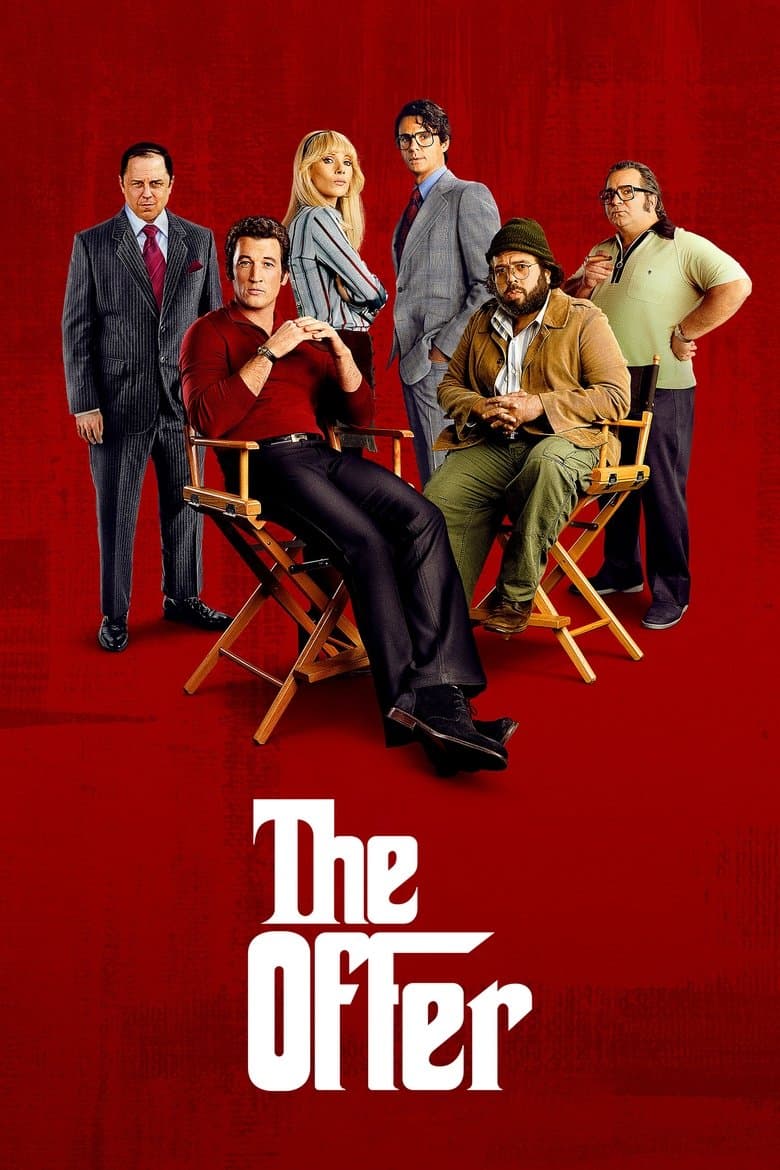
TV Show · 2022
Oscar-winning producer Al Ruddy’s never before revealed experiences of making the iconic 1972 film The Godfather that Francis Ford Coppola directed and adapted with Mario Puzo.
