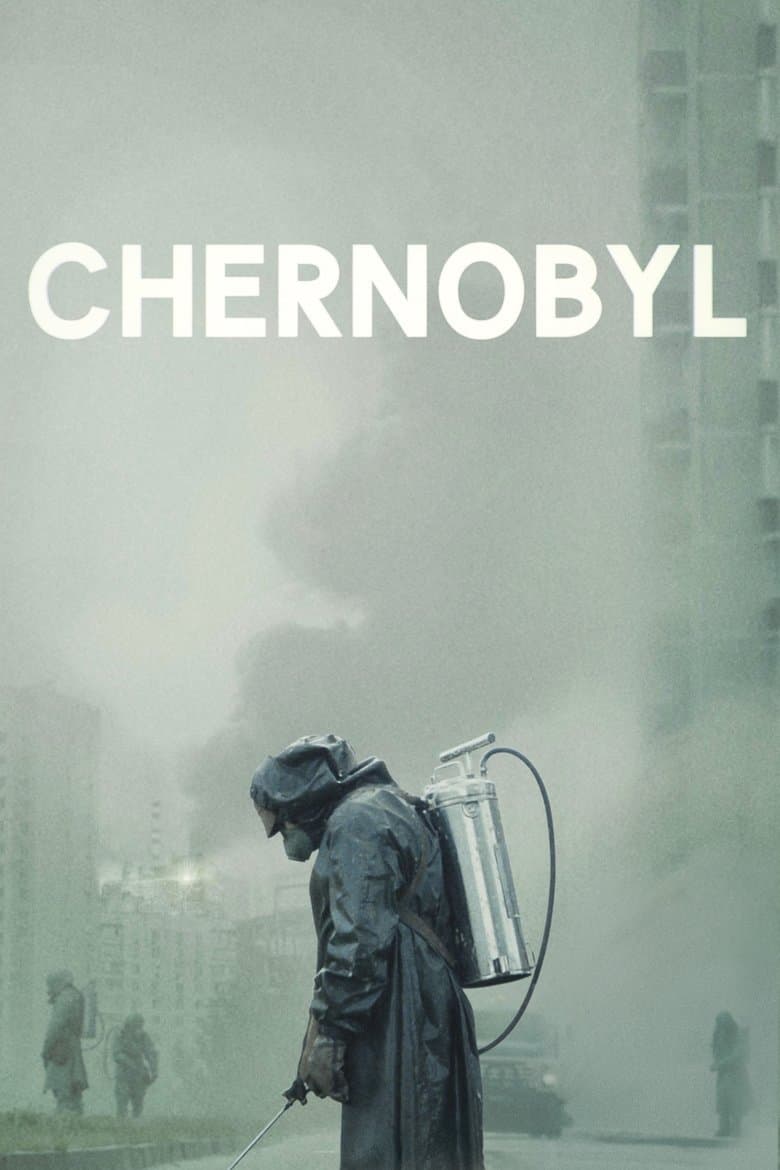
Started May 6, 2019 · Based on 1 season, 5 episodes · TV-MA
Chernobyl is a historical drama miniseries about the 1986 Soviet nuclear disaster, following scientists, officials, and workers as they contain the meltdown and expose how lies and bureaucracy made it worse. The story centers on truth versus a totalitarian state, not modern identity politics. Its clearest ideological creative choice is a major invented figure: Belarusian nuclear physicist Ulana Khomyuk, a fictional composite written as a female lead investigator among otherwise mostly real, historically cast figures. That choice inserts a prominent woman into the core scientific team for a real event, even though her on-screen arc is about science and state denial rather than feminism.
Community feedback
Was our 29% Woke rating accurate?
Breakdown
These are the editorial factors and ratings behind our score for Chernobyl.
Woke representation / casting
Period casting of real historical figures is largely accurate for 1980s Soviet personnel. The main break is inventing Ulana Khomyuk as a major female nuclear physicist and lead truth-seeker, a conscious gender choice for a composite role rather than casting a real named male scientist in that function.
32%
Woke political dialogue
Not present. Dialogue stays on Soviet bureaucracy, secrecy, nuclear physics, and moral responsibility. There is no modern social-justice jargon or contemporary identity lecturing.
0%
Identity-driven story themes
The narrative is about disaster response and political lies, not race, sexuality, or gender oppression. Khomyuk’s conflict is scientific and institutional, not framed as a feminist struggle.
3%
Western institutional / cultural critique
Not present. The target is Soviet communist power and cover-ups, not Western institutions, Christianity, or traditional Western norms.
0%
Woke character or canon changes
For a real historical event, the series invents a central female composite who absorbs investigation work done by many real scientists and places her at elite commission-level scenes that historians have questioned for women in 1986. Narrative composites are common, but making that composite a flagship female hero still meaningfully rebalances the historical cast of the scientific response.
38%
Anti-woke backlash and complaints
A minority of online critics called the fictional female hero a feminist rewrite of history; the complaint never became a major mainstream scandal beside the show’s critical success.
8%
Creator track record context
Mazin shows some progressive leanings but is not primarily known for activist rewrites; director and core creative pattern is traditional prestige drama. Creator background is secondary to what appears on screen.
14%
Production
TV Show · 2021
Follow the Dutton family as they embark on a journey west through the Great Plains toward the last bastion of untamed America.
TV Show · 2022
Oscar-winning producer Al Ruddy’s never before revealed experiences of making the iconic 1972 film The Godfather that Francis Ford Coppola directed and adapted with Mario Puzo.
TV Show · 2022
This sweeping saga chronicles the hopes and dreams of a Korean immigrant family across four generations as they leave their homeland in an indomitable quest to survive and thrive.
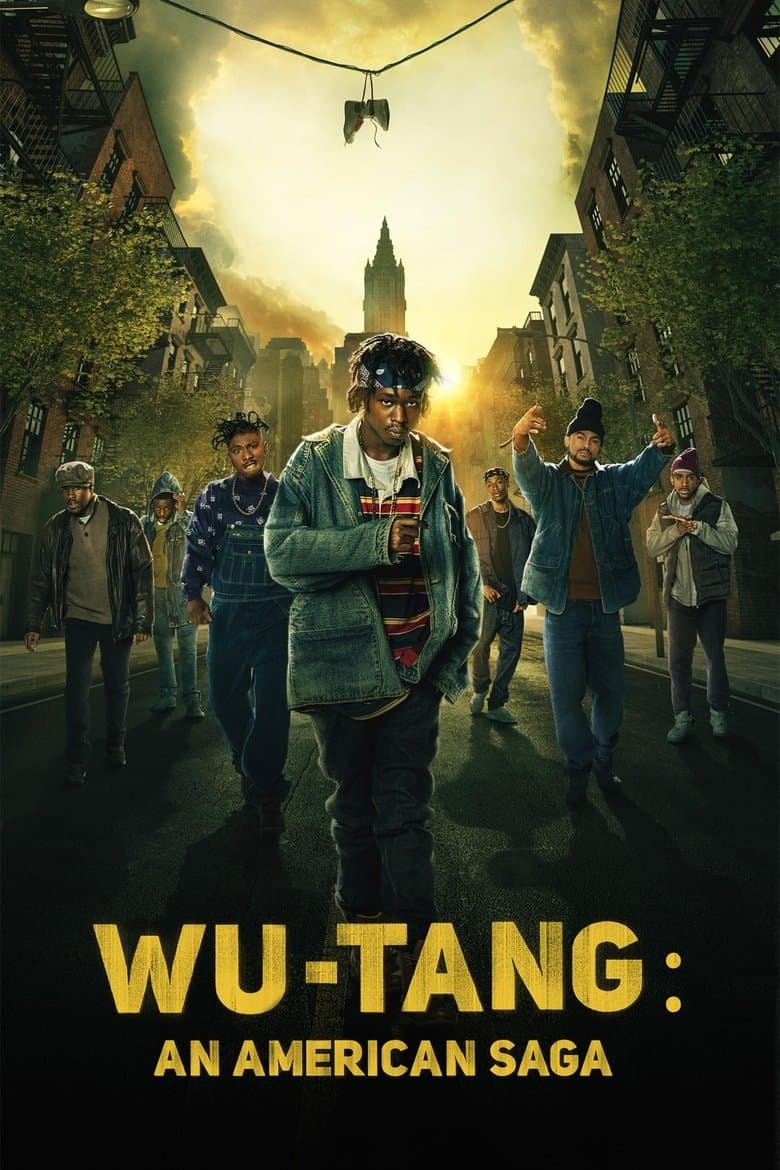
TV Show · 2019
In the early 1990s in New York, during the height of the crack cocaine epidemic, a visionary musician named Bobby Diggs aka The RZA begins to form a super group of a dozen young…
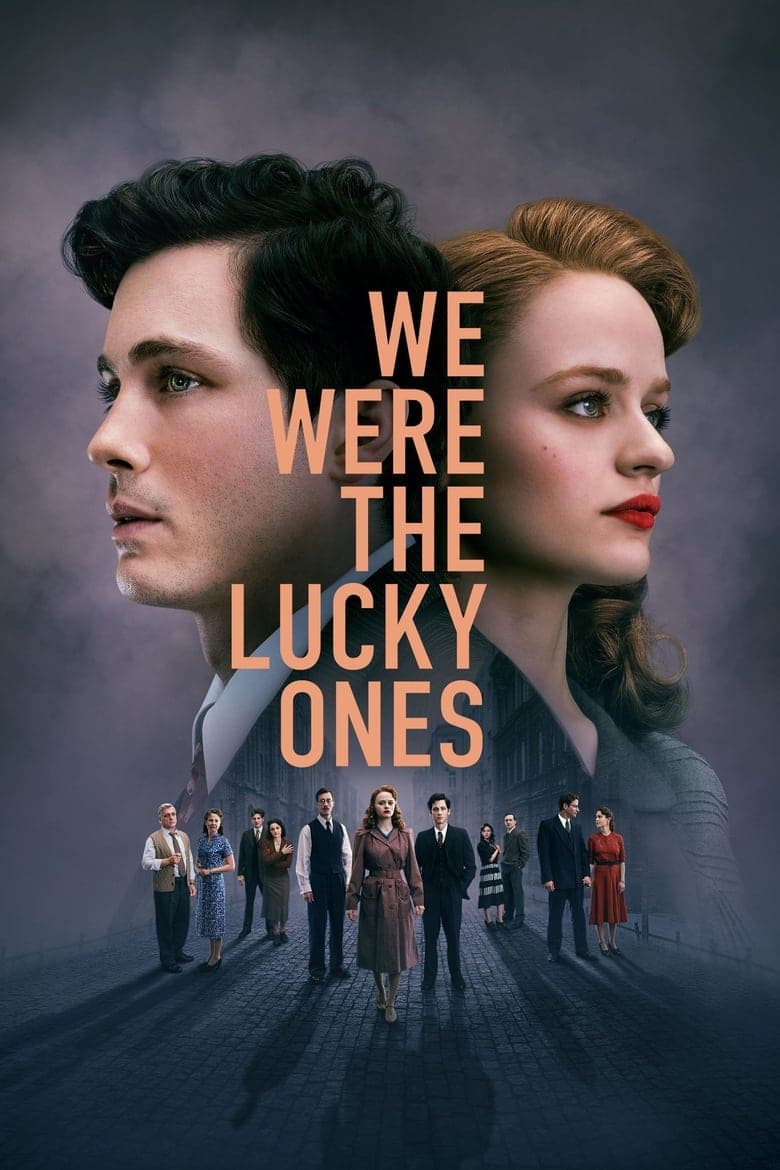
TV Show · 2024
The true story of one Jewish family separated at the start of World War II, determined to survive—and to reunite.
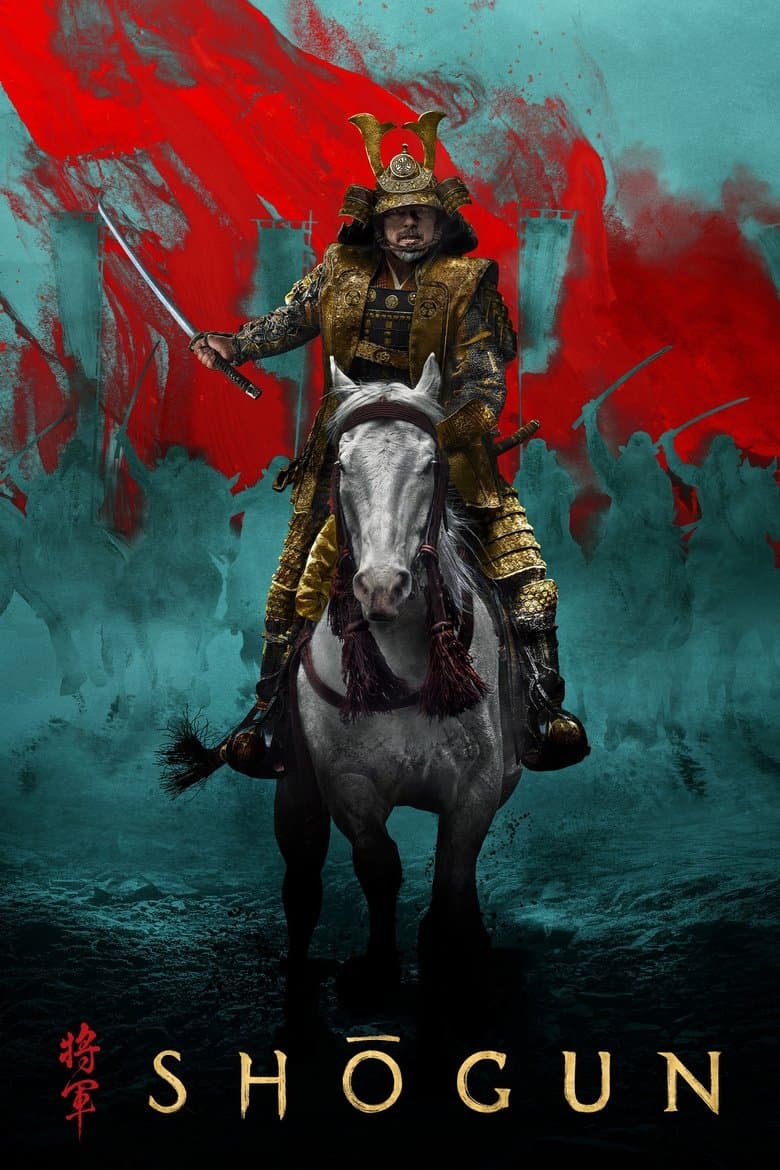
TV Show · 2024
In Japan in the year 1600, at the dawn of a century-defining civil war, Lord Yoshii Toranaga is fighting for his life as his enemies on the Council of Regents unite against him…
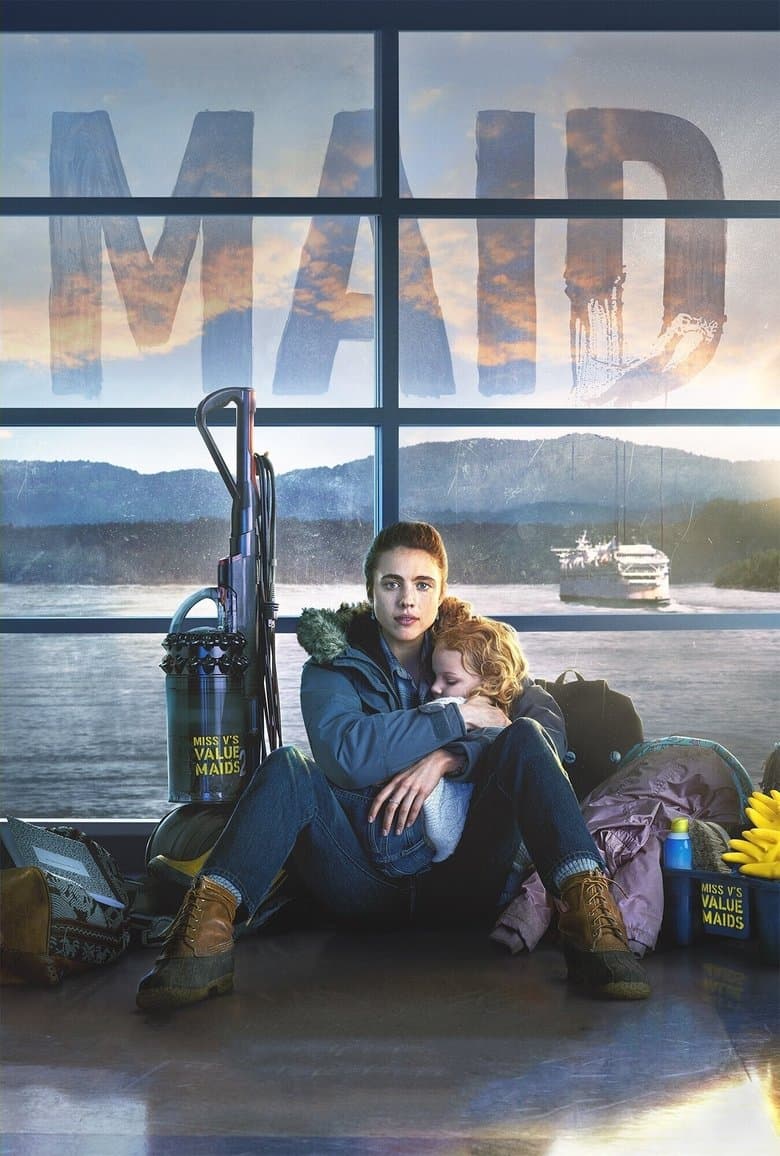
TV Show · 2021
After fleeing an abusive relationship, a young mother finds a job cleaning houses as she fights to provide for her child and build them a better future.
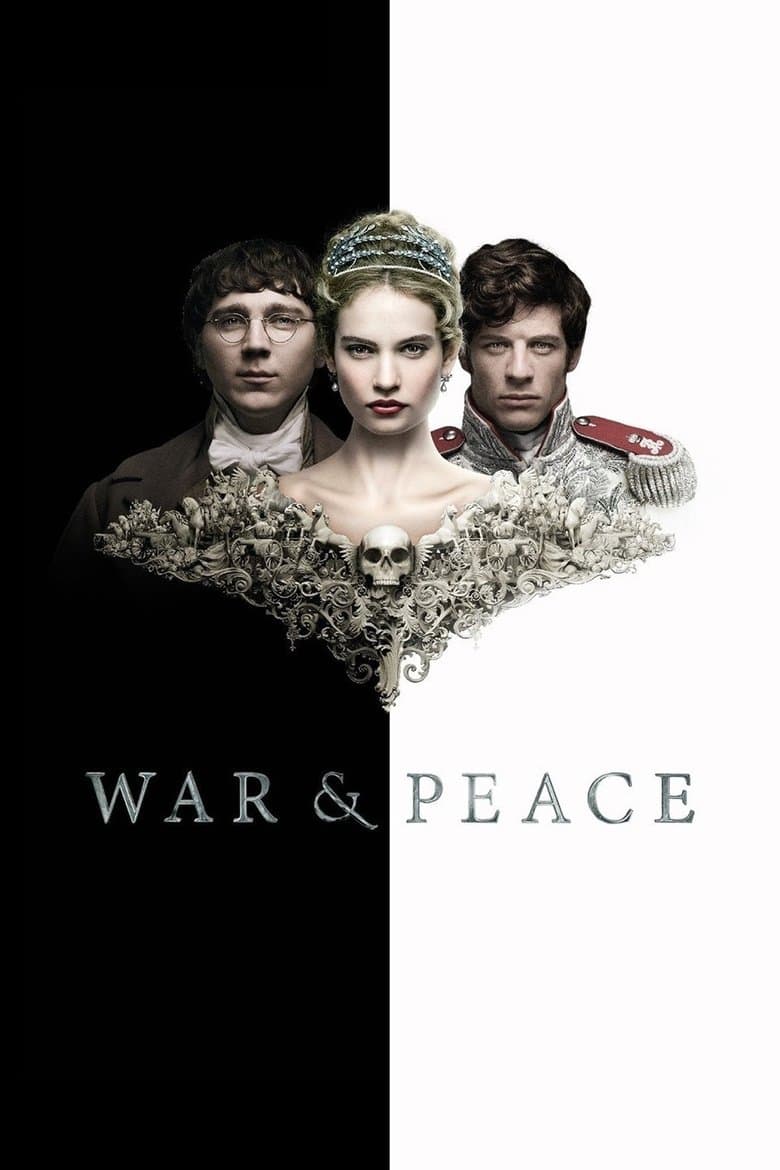
TV Show · 2016
The love story of young Countess Natasha Rostova and Count Pierre Bezukhov is interwoven with the Great Patriotic War of 1812 against Napoleon's invading army.
