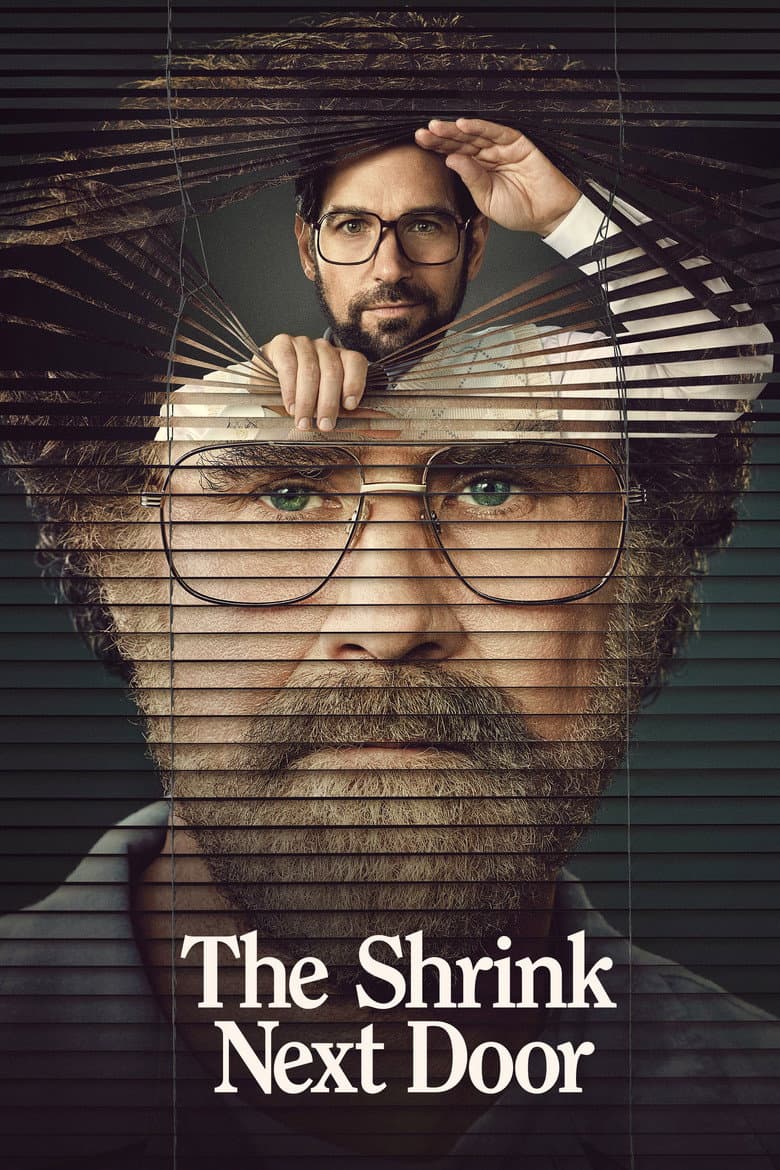
Started November 11, 2021 · Ended · Based on 1 season, 8 episodes through December 16, 2021 · TV-MA
Marty Markowitz is a wealthy New York fabric businessman who feels anxious, lonely, and unable to stand up for himself. In the early 1980s, his sister Phyllis sends him to Dr. Ike Herschkopf, a friendly psychiatrist who promises to help him set better limits. Ike slowly takes control of Marty’s money, work, home, family ties, and daily choices over the next 30 years. The eight-episode Apple TV+ drama moves from Manhattan offices to the Hamptons and uses a dark, uneasy tone with flashes of awkward comedy.
The show centers on personal boundaries, emotional dependence, and the harm caused when a trusted doctor turns care into control. Jewish family life shapes the setting through a bar mitzvah, a rabbi, and the bond between Marty and Phyllis. A short family scene mentions a movie in which one man dresses as a woman and another man kisses him, but that detail does not affect the plot. The main message is about abuse, guilt, lost time, and the hard work of repairing a damaged family.
Community feedback
Was our 6% Woke rating accurate?
Breakdown
These are the editorial factors and ratings behind our score for The Shrink Next Door.
Woke representation / casting
Not present. The show centers on mostly white Jewish characters tied to the real New York story, with some people of color in side roles. The cast does not show a clear diversity-first pattern in the story.
0%
Woke political dialogue
Not present. The dialogue deals with therapy, money, family, and personal control. It does not argue for a current political cause or movement.
0%
Identity-driven story themes
Not present. The story follows a Jewish family and a therapist’s long abuse of his patient. Its repeated themes are fear, dependence, broken trust, and family repair.
0%
Western institutional / cultural critique
Not present. The show exposes one psychiatrist’s abuse and the damage caused by broken professional boundaries. It does not present men, families, religion, business, or Western institutions as broad targets of modern activist criticism.
0%
Woke character or canon changes
Not relevant. The series dramatizes a real case and adapts a nonfiction podcast. It does not make an identity-driven change to a known character, canon, or historical event.
0%
Anti-woke backlash and complaints
A small right-leaning account tied to a conservative media group gave the first three episodes a yellow light while waiting to see if a political agenda would appear. Another small viewer praised the show as not woke like other Apple TV+ shows. No post accused the show of DEI, race or gender swaps, girlboss writing, anti-male ideas, or an LGBT agenda. The reaction was fringe and produced no boycott or review-bombing push.
8%
Creator track record context
Georgia Pritchett has a mild left-leaning comedy background and once described the Succession writers’ room as approaching stories from a socialist view. Joe Nocera and Michael Showalter have no strong public record of DEI or identity-driven activism. Jessica Elbaum and Marshall Lewy add some female-focused or classical left-wing context, while most other producers have low or neutral public profiles. This context is mild and does not shape the show’s personal abuse story.
24%
Production

TV Show · 2016
Rebellious Mickey and good-natured Gus navigate the thrills and agonies of modern relationships.

TV Show · 2024
Fascinated by cars since childhood, Brazilian racer Ayrton Senna became a sports legend — until tragedy struck, changing Formula 1 forever.

TV Show · 2026
The Clyburns uproot their comfortable New York City lives to the wild, untamed beauty of Montana's Madison River Valley on a search for connection.
TV Show · 2016
The love story of young Countess Natasha Rostova and Count Pierre Bezukhov is interwoven with the Great Patriotic War of 1812 against Napoleon's invading army.
TV Show · 2019
In the 1960s, Israeli clerk-turned-secret agent Eli Cohen goes deep undercover inside Syria on a perilous, years-long mission to spy for Mossad.
TV Show · 2024
In Japan in the year 1600, at the dawn of a century-defining civil war, Lord Yoshii Toranaga is fighting for his life as his enemies on the Council of Regents unite against him…

TV Show · 2026
As the Kargil War erupts between India and Pakistan, the Golden Arrows squadron of the Air Force takes flight on a dangerous mission behind enemy lines.
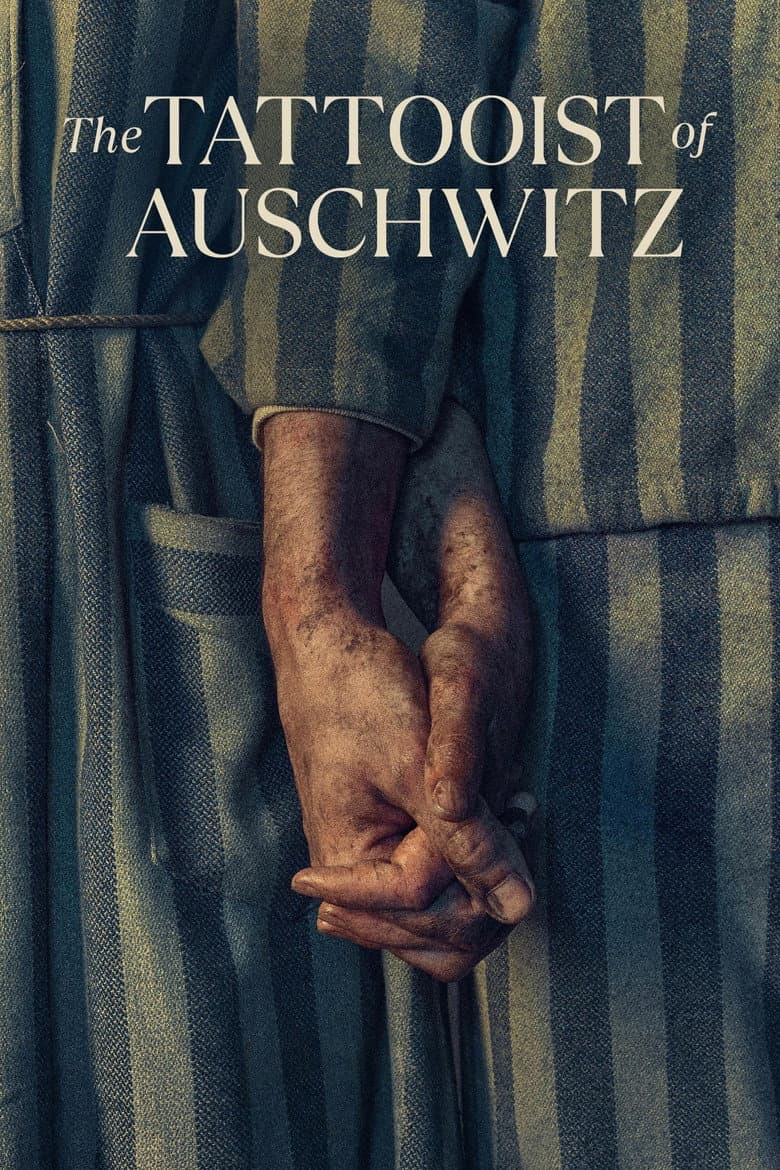
TV Show · 2024
The powerful real-life story of Lali Sokolov, a Jewish prisoner who was tasked with tattooing ID numbers on prisoners' arms in the Auschwitz-Birkenau concentration camp during…
