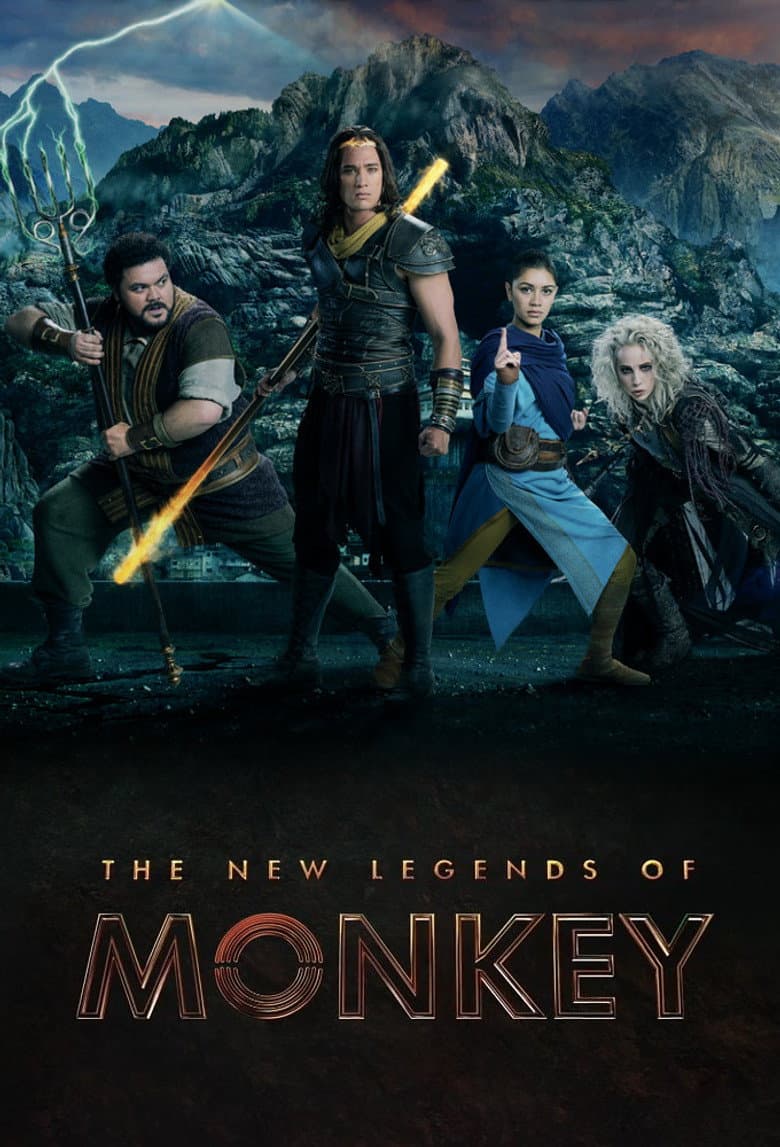
Started January 28, 2018 · Ended · Based on 2 seasons, 20 episodes through August 7, 2020 · TV-PG · 23 min
The New Legends of Monkey follows Tripitaka, a teenage girl who takes the name of a monk and frees the Monkey King from a stone prison. Monkey, Pigsy, and Sandy join her as they search for seven sacred scrolls and fight demons that rule their world. Season one centers on building the team and stopping demon master Davari. Season two raises the danger as the demons hunt the group, rebels prepare for war, and a false Monkey threatens the quest. The show uses short episodes, bright fantasy action, silly jokes, and a light campy tone.
Tripitaka is the clear lead, and the story often shows her making plans, saving friends, and choosing the mission over safety. The show also makes Sandy a female god and gives both women important fighting and leadership roles. Tripitaka hides that she is a girl, while Sandy learns that being feared for her strange appearance does not make her evil. Across both seasons, the group learns about trust, friendship, mercy, and finding a family with people who feel like outsiders. These themes are easy to notice, but they support a simple fantasy adventure instead of a modern political message.
Community feedback
Was our 36% Woke rating accurate?
Breakdown
These are the editorial factors and ratings behind our score for The New Legends of Monkey.
Woke representation / casting
The show makes Tripitaka, the main chosen monk, a teenage girl and gives her the central hero role. The show also makes Sandy a female water god and keeps both women important fighters and leaders through both seasons. The mixed fantasy setting makes the ethnic mix less clearly political, but the repeated gender pattern is easy to see. Netflix also labels the show “Girl Power,” which links the casting to a representation message.
40%
Woke political dialogue
Not present. The characters discuss demons, gods, scrolls, and rebellion against a fantasy ruler. The show does not use current political slogans or activist language.
0%
Identity-driven story themes
The show makes Tripitaka hide that she is a girl while using the name of a male monk, and the secret affects trust with her friends. Sandy's story shows a rejected outsider learning that her strange appearance does not make her evil. The group repeatedly values friendship and the family they make together over rank or blood ties. These ideas recur in both seasons, but the show presents them through personal relationships rather than a detailed current social debate.
30%
Western institutional / cultural critique
Not present. The demons rule through fear and the heroes resist them, but the conflict stays inside a fantasy world. The show does not turn the rebellion into a modern attack on men, family, religion, capitalism, or Western culture.
0%
Woke character or canon changes
The show changes the traditional male monk Tripitaka into a teenage girl and changes Sandy from a male figure into a female god. Those changes shape the main group in both seasons, and Tripitaka's hidden identity drives much of season one. Netflix markets the series with the label “Girl Power,” which gives the changes a clear female-empowerment frame. The creators describe a new mixed fantasy world and themes of belonging, but no public statement clearly ties the changes to a wider activist plan.
30%
Anti-woke backlash and complaints
Not present. The supplied X check found no anti-woke complaints or campaigns. The main news and social debate asked for more Chinese actors or objected to modern accents, which is not a complaint that the show pushes woke politics.
0%
Creator track record context
Cached summaries give Craig Irvin a score of 10, Gerard Johnstone 10, Samantha Strauss 16, and Jacquelin Perske 4. Their stored profiles center on youth, comedy, and character stories and show no strong activist record. This background adds only a weak woke signal to the title.
10%
Production
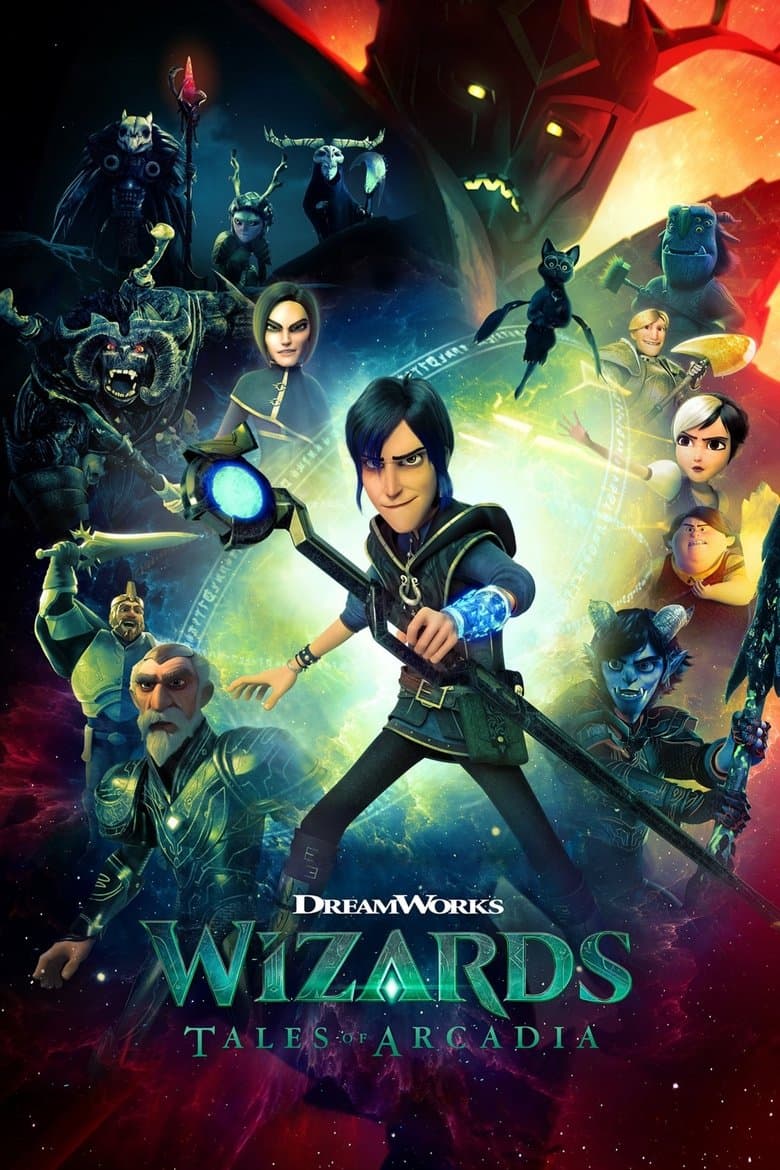
TV Show · 2020
Merlin’s apprentice joins Arcadia’s heroes on a time-bending adventure in Camelot, where conflict is brewing between the human, troll and magical worlds.
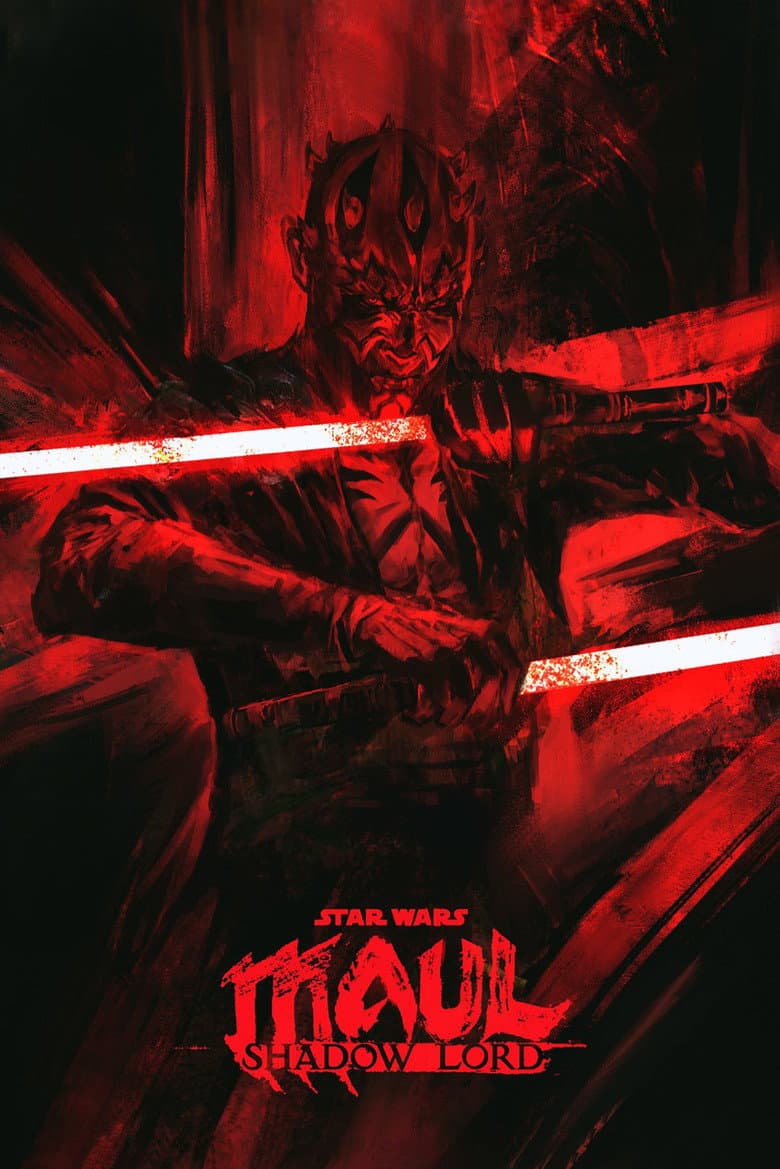
TV Show · 2026
After the Clone Wars, Maul plots to rebuild his criminal syndicate on a planet untouched by the Empire.
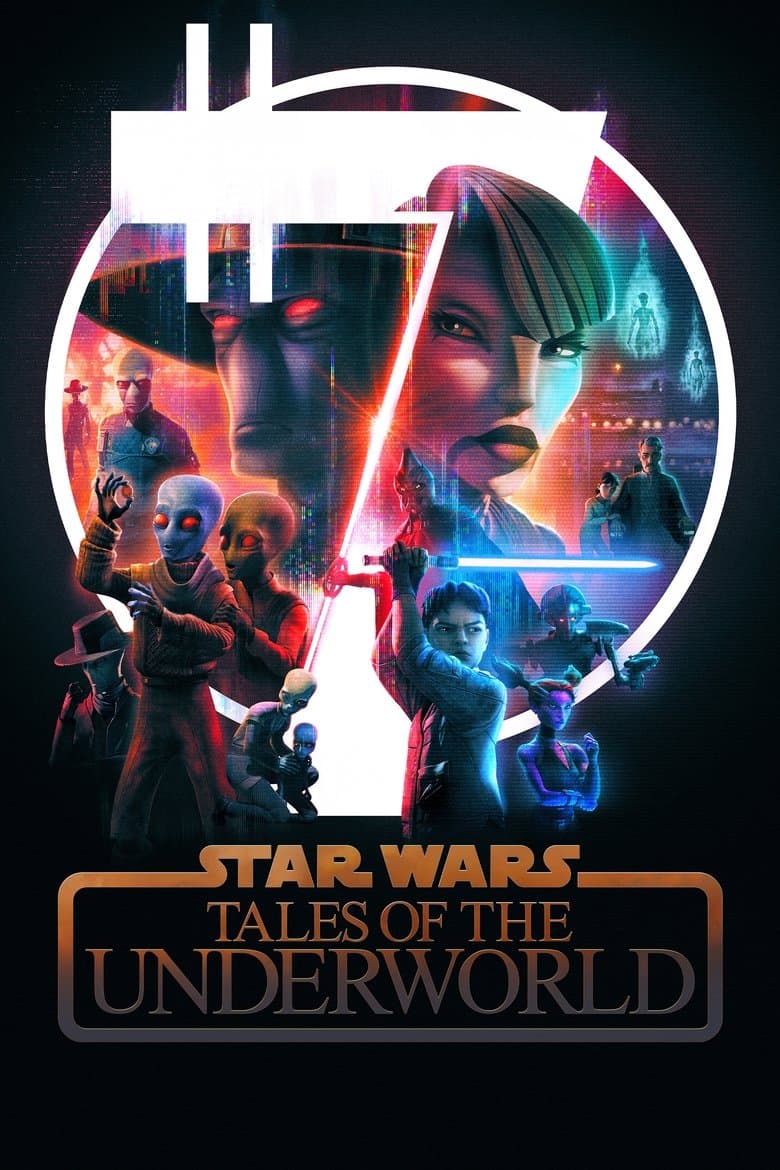
TV Show · 2025
Two outlaws must navigate the galaxy's dangerous underworld as they chart their destinies.
TV Show · 2024
A journey into the fearsome Galactic Empire through the eyes of two warriors on divergent paths.
TV Show · 2022
Journey into the lives of two distinctly different Jedi from the prequel era – Ahsoka Tano and Count Dooku. Each will be put to the test as they make choices that will define…
TV Show · 2018
The Boss Baby brings his big brother Tim to the office to teach him the art of business in this animated series sprung from the hit film.
TV Show · 2019
The life of Christ through the eyes of those who encountered him.
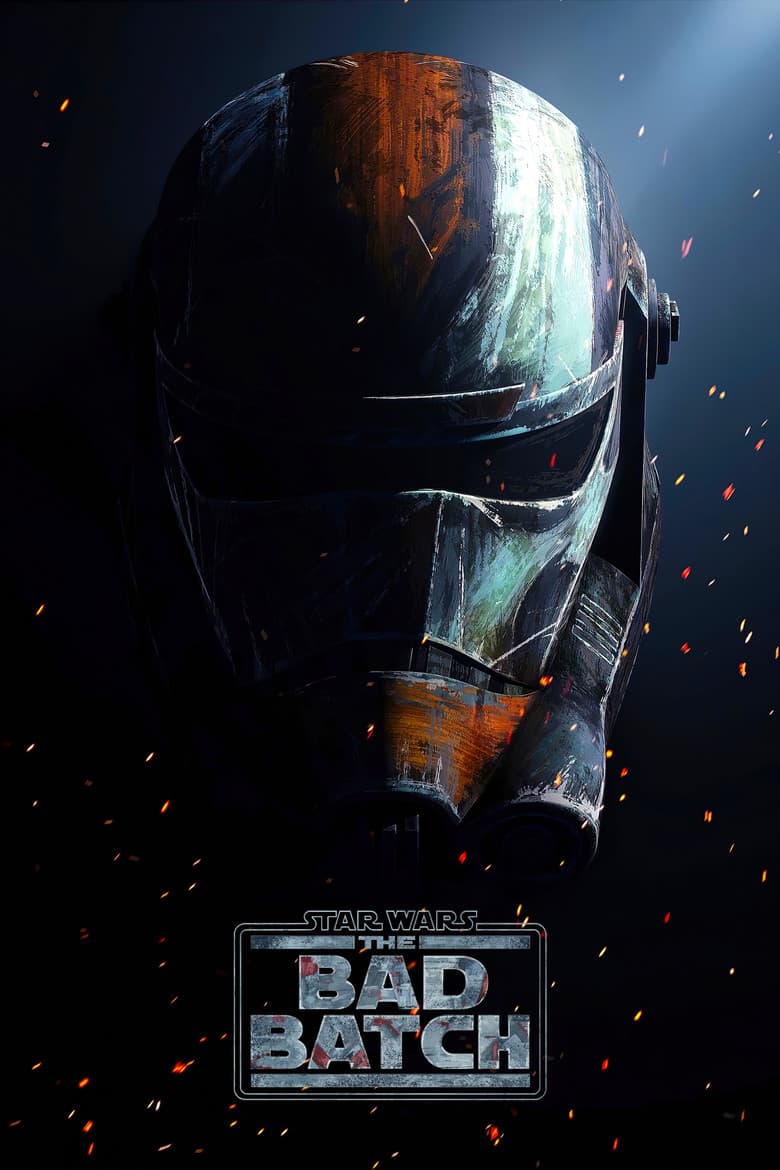
TV Show · 2021
The 'Bad Batch' of elite and experimental clones make their way through an ever-changing galaxy in the immediate aftermath of the Clone Wars.
