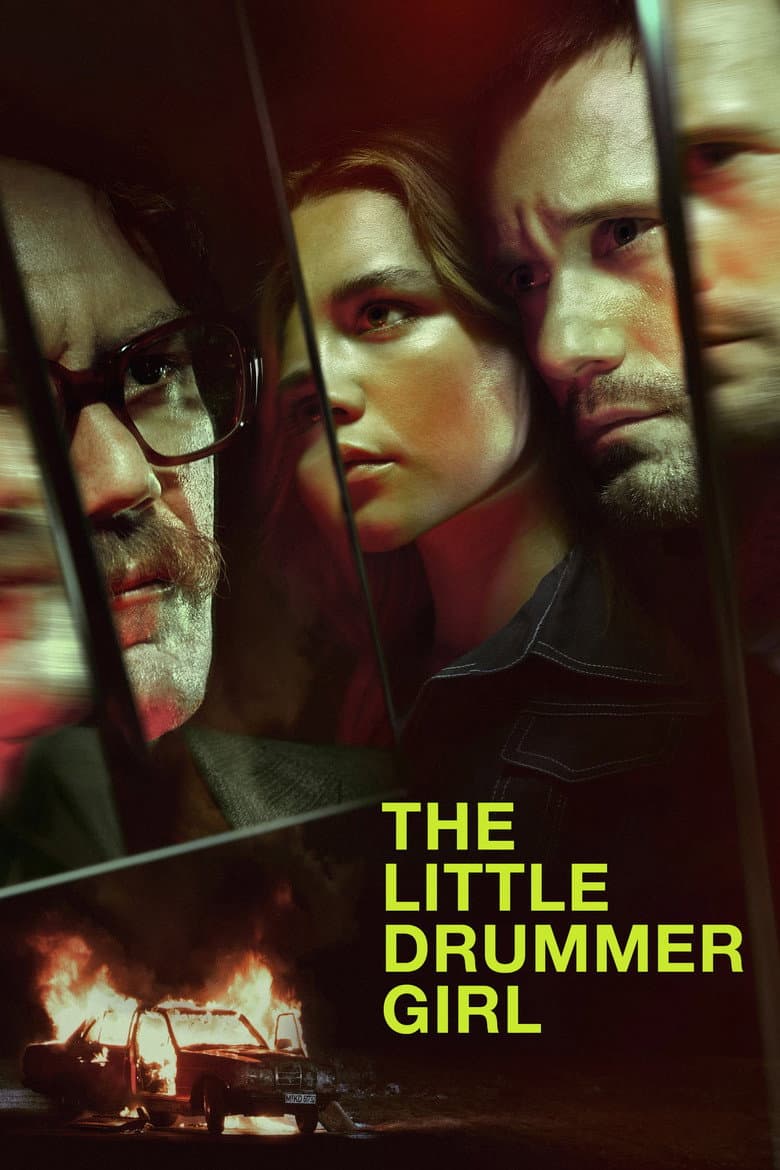
Started October 28, 2018 · Ended · Based on 1 season, 6 episodes through December 2, 2018 · TV-MA
Charlie Ross is a young English actress living in London in 1979. Israeli spy chief Martin Kurtz recruits her after a bomb attack and asks her to enter a Palestinian terror group. Charlie pretends to be the dead brother's lover so she can reach bomber Khalil. The plan takes her through Greece, Europe, Israel, Lebanon, and Britain, and her acting skills become the tool that may keep her alive. The show feels tense, strange, colorful, and morally uneasy.
The clearest woke element is the show's repeated focus on the Israel-Palestine conflict and Charlie's left-wing, pro-Palestinian views. The story shows refugees, dead children, British responsibility, Israeli spying, and Palestinian bombings across all six episodes. Charlie grows more troubled as both sides use her, and the show gives human weight to people on both sides instead of offering a simple good-versus-evil answer. The series also puts a woman at the center of a spy story, but her skill comes from acting and lying, not from a message about female power.
Community feedback
Was our 34% Woke rating accurate?
Breakdown
These are the editorial factors and ratings behind our score for The Little Drummer Girl.
Woke representation / casting
Charlie is a young English woman who becomes the lead spy in a cast led by men. The story makes her acting skill central to the cover story, so her gender also serves the plot. Florence Pugh described the project as its own thriller with a woman at the center instead of a female Bond. The show does not add a wider pattern of diversity or identity-focused casting.
18%
Woke political dialogue
Charlie openly argues for peace and starts from a left-wing, pro-Palestinian view. The spies discuss Zionism, Palestinian groups, Israeli security, British responsibility, and the human cost of attacks throughout the season. The dialogue gives reasons and pain to both sides, and the cast said the story avoids a simple good-versus-evil lesson. The politics are central, but the show presents a 1970s conflict instead of a modern activist campaign.
31%
Identity-driven story themes
Charlie enters the mission with sympathy for Palestinians and grows more troubled when she sees refugees and injured children. The Palestinian family and the Israeli team both claim her loyalty, so the season keeps national identity and belonging in the foreground. The story also shows that each side uses fear, lies, and violence. These identity themes matter, but the show does not turn them into a broad lesson about race, gender, or sexuality.
26%
Western institutional / cultural critique
Israeli agents kidnap, kill, lie to, and control people while calling their work necessary. The show also blames British officials for helping create the conflict and gives a British commander openly hostile views about Zionists. Charlie sees that powerful men treat her as a tool, even when they call the mission a rescue. These criticisms target states and spy agencies inside the period story, not ordinary family life, faith, or Western culture as a whole.
24%
Woke character or canon changes
Not relevant. The series stays close to John le Carré's novel. The changes mainly shorten the plot, move the bombing to London, change Professor Minkel to Irene, and alter the ending, with no clear reason tied to identity or representation.
0%
Anti-woke backlash and complaints
Not present. The X search found no anti-woke posts or specific complaints. News stories and reviews discussed the Israel-Palestine politics, pace, and moral ambiguity, but no meaningful backlash said the series was pushing DEI or identity politics.
0%
Creator track record context
Park Chan-wook has a moderate left and gender-focused work history, including past activism and films about women. John le Carré and the other listed writers and producers have low or mild public context and no strong modern identity campaign. Title interviews connect Park's interest to divided Korea and describe Charlie as a strong female lead. The series stays close to le Carré's older spy story, so this background adds a moderate signal.
33%
Production

TV Show · 2024
Fascinated by cars since childhood, Brazilian racer Ayrton Senna became a sports legend — until tragedy struck, changing Formula 1 forever.
TV Show · 2024
The powerful real-life story of Lali Sokolov, a Jewish prisoner who was tasked with tattooing ID numbers on prisoners' arms in the Auschwitz-Birkenau concentration camp during…
TV Show · 2020
A wary CIA officer investigates a charismatic man who sparks a spiritual movement and stirs political unrest. Who exactly is he? And what does he want?
TV Show · 2024
In Japan in the year 1600, at the dawn of a century-defining civil war, Lord Yoshii Toranaga is fighting for his life as his enemies on the Council of Regents unite against him…
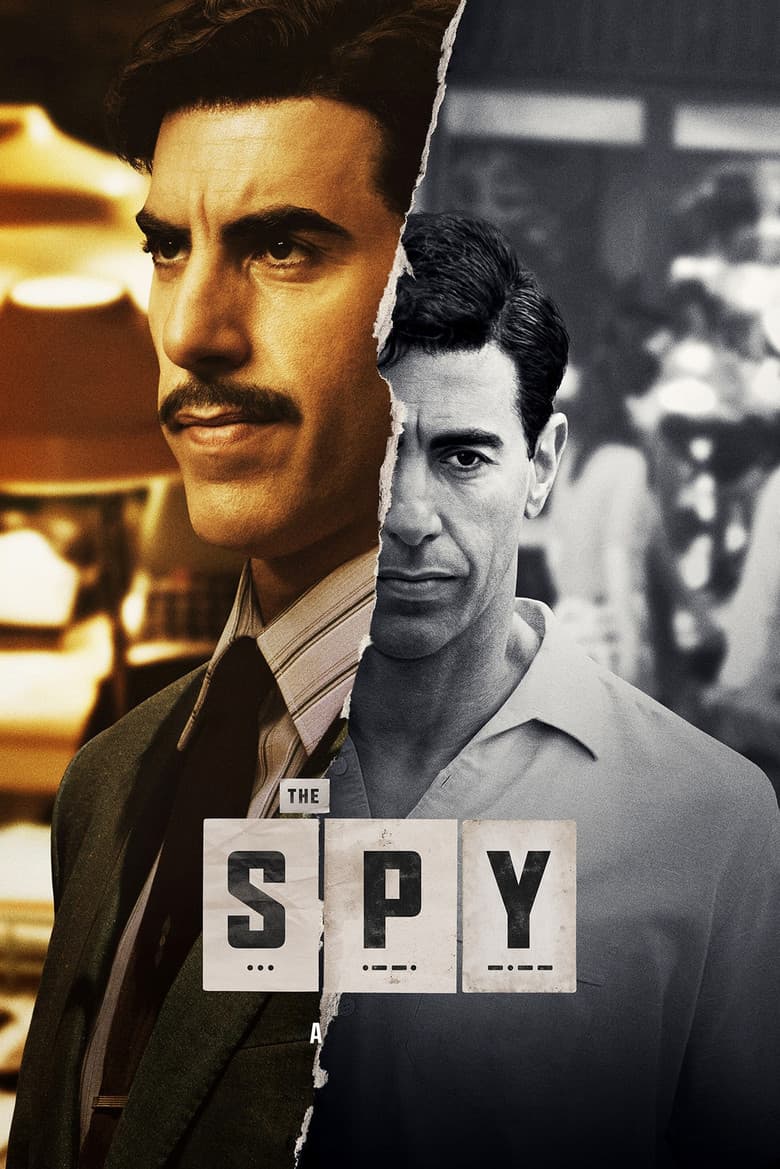
TV Show · 2019
In the 1960s, Israeli clerk-turned-secret agent Eli Cohen goes deep undercover inside Syria on a perilous, years-long mission to spy for Mossad.
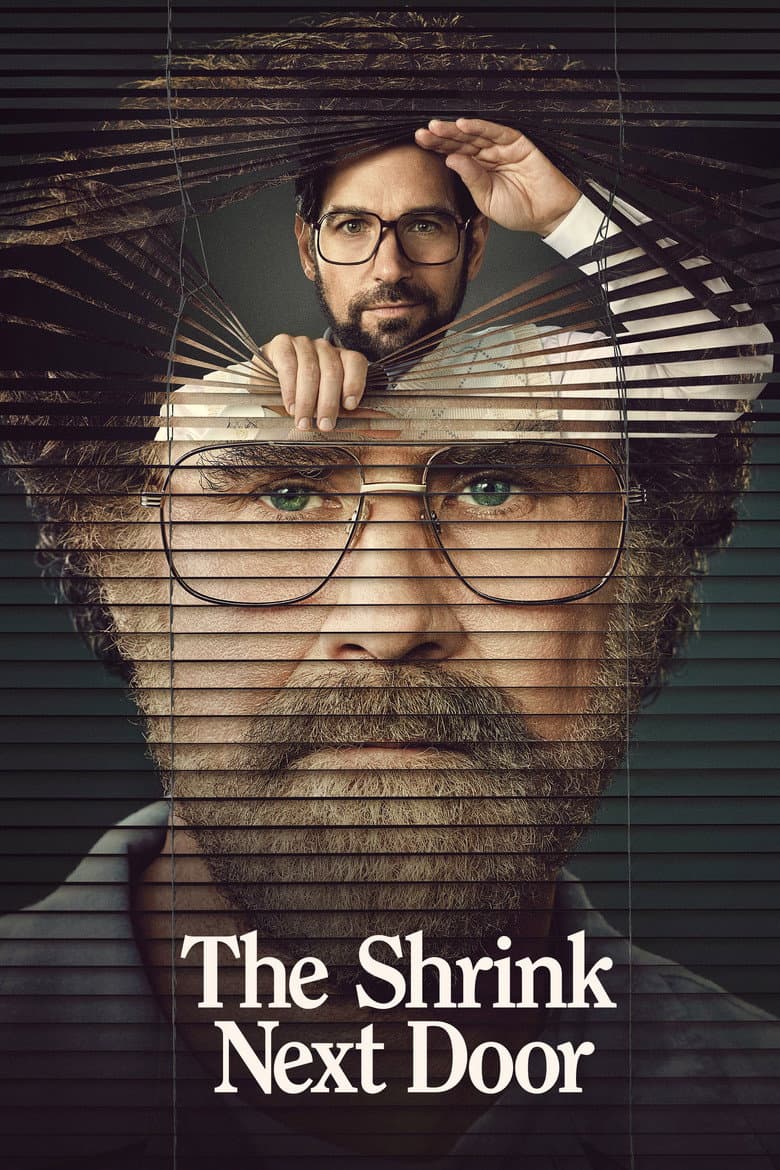
TV Show · 2021
Inspired by the true story of Marty and the therapist who turned his life around...then took it over. When he first meets Dr. Ike, Marty just wants to get better at boundaries.
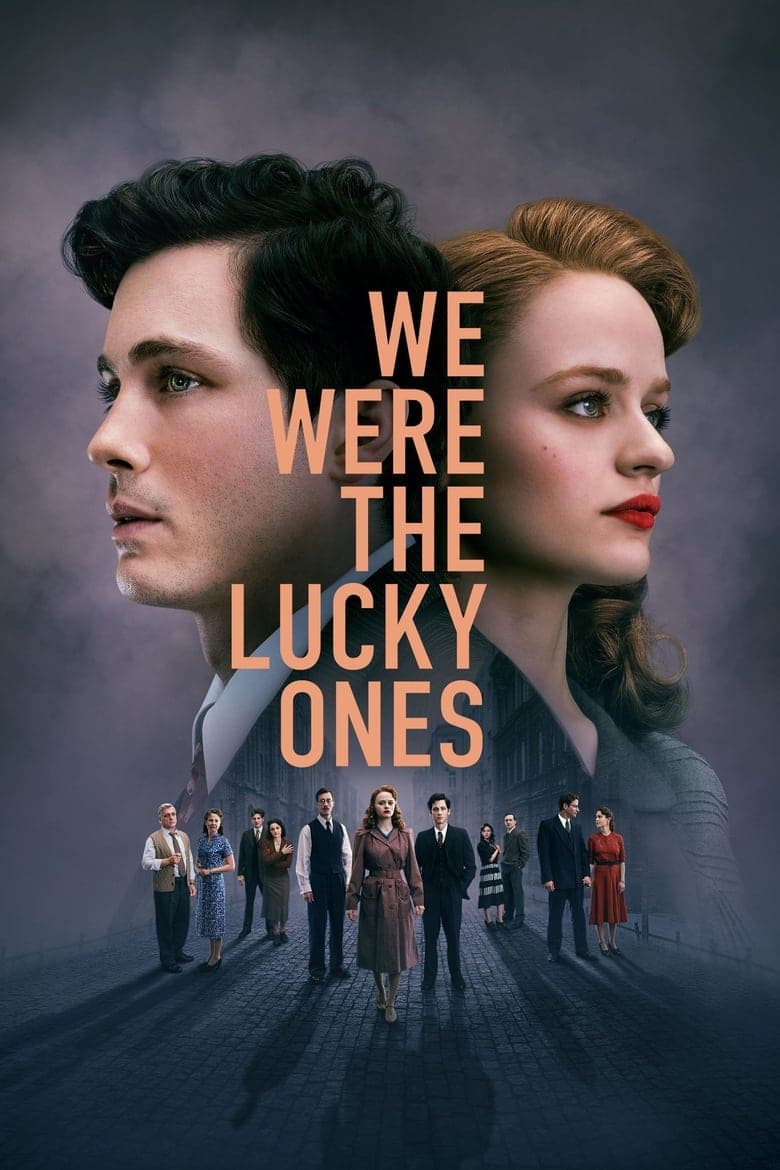
TV Show · 2024
The true story of one Jewish family separated at the start of World War II, determined to survive—and to reunite.
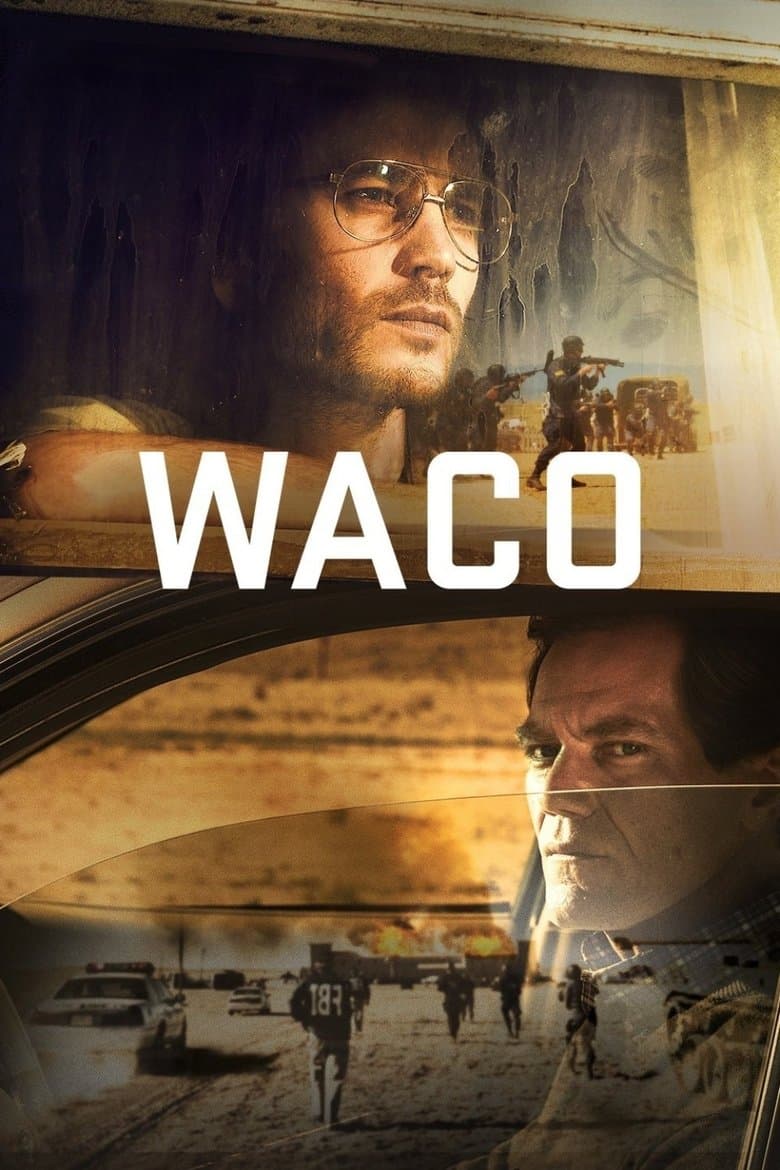
TV Show · 2018
The harrowing true story of the 1993 standoff between the FBI, ATF and the Branch Davidians, a spiritual sect led by David Koresh in Waco, TX that resulted in a deadly shootout…
