
Started November 29, 2024 · Ended · Based on 1 season, 6 episodes through November 29, 2024 · TV-MA · Portuguese
Senna follows Brazilian racer Ayrton Senna from his early karting days in São Paulo to his rise through British racing and Formula 1. He fights weak cars, race officials, team politics, and his own need to win. His fiercest battle is with Alain Prost, first as a rival and later as a friend. The six episodes mix fast race scenes with family strain, romance, fame, and the fatal 1994 crash at Imola.
The show stresses Brazilian pride, discipline, personal sacrifice, and the dangers of a sport that often puts speed before safety. The story also follows Senna’s marriage, his romance with Xuxa, his strained family ties, and his later friendship with Prost. A fictional journalist links Senna to the press and gives the audience background as he moves between Brazil and Europe. The series presents Senna as a gifted but stubborn hero and gives little space to the harder parts of his private life.
Community feedback
Was our 10% Woke rating accurate?
Breakdown
These are the editorial factors and ratings behind our score for Senna.
Woke representation / casting
Not present. The main cast uses a Brazilian man to play the real Brazilian driver, while the main women and foreign racers are tied to real people or the sport’s international setting. The show does not present its casting as a diversity or identity program.
0%
Woke political dialogue
Not present. The dialogue focuses on racing, rules, safety, family, fame, and Brazilian pride. No repeated modern DEI, gender-role, or activist lines shape the six episodes.
0%
Identity-driven story themes
Not present. The story includes Brazilian pride and a brief concern about poverty, but both serve Senna’s real biography and national setting. No modern identity-politics message or identity-based social campaign drives the story.
0%
Western institutional / cultural critique
Not present. The show portrays Jean-Marie Balestre and some F1 decisions as unfair, and it shows Senna pushing for safer tracks. These are period sports conflicts and safety concerns, not a modern attack on Western institutions, family life, or religion.
0%
Woke character or canon changes
Not relevant. The series adds the fictional journalist Laura Harrison and changes some race and relationship details. It does not change a known figure’s race, gender, sexuality, or hero role.
0%
Anti-woke backlash and complaints
A few small X accounts called the show woke or criticized claimed rainbow colors and visible diversity while saying Senna’s faith was downplayed. Another post called the missing Marlboro logo “lacração,” but that complaint is mainly about brand removal. The wider debate focused on Galisteu’s small role and historical accuracy, and no large boycott appeared.
12%
Creator track record context
Several writers and producers have made stories about gender inequality, class, racism, Indigenous rights, sexuality, or human rights. Julia Rezende has spoken about women’s access to directing, and other crew members have backed socially aware projects. Title interviews instead stress Brazilian pride, hard work, and sports history. The group has a mixed, mostly professional record, so it gives moderate background context rather than a strong activist signal.
38%
Production
TV Show · 2026
As the Kargil War erupts between India and Pakistan, the Golden Arrows squadron of the Air Force takes flight on a dangerous mission behind enemy lines.
TV Show · 2022
Oscar-winning producer Al Ruddy’s never before revealed experiences of making the iconic 1972 film The Godfather that Francis Ford Coppola directed and adapted with Mario Puzo.
TV Show · 2024
The powerful real-life story of Lali Sokolov, a Jewish prisoner who was tasked with tattooing ID numbers on prisoners' arms in the Auschwitz-Birkenau concentration camp during…
TV Show · 2021
Inspired by the true story of Marty and the therapist who turned his life around...then took it over. When he first meets Dr. Ike, Marty just wants to get better at boundaries.
TV Show · 2019
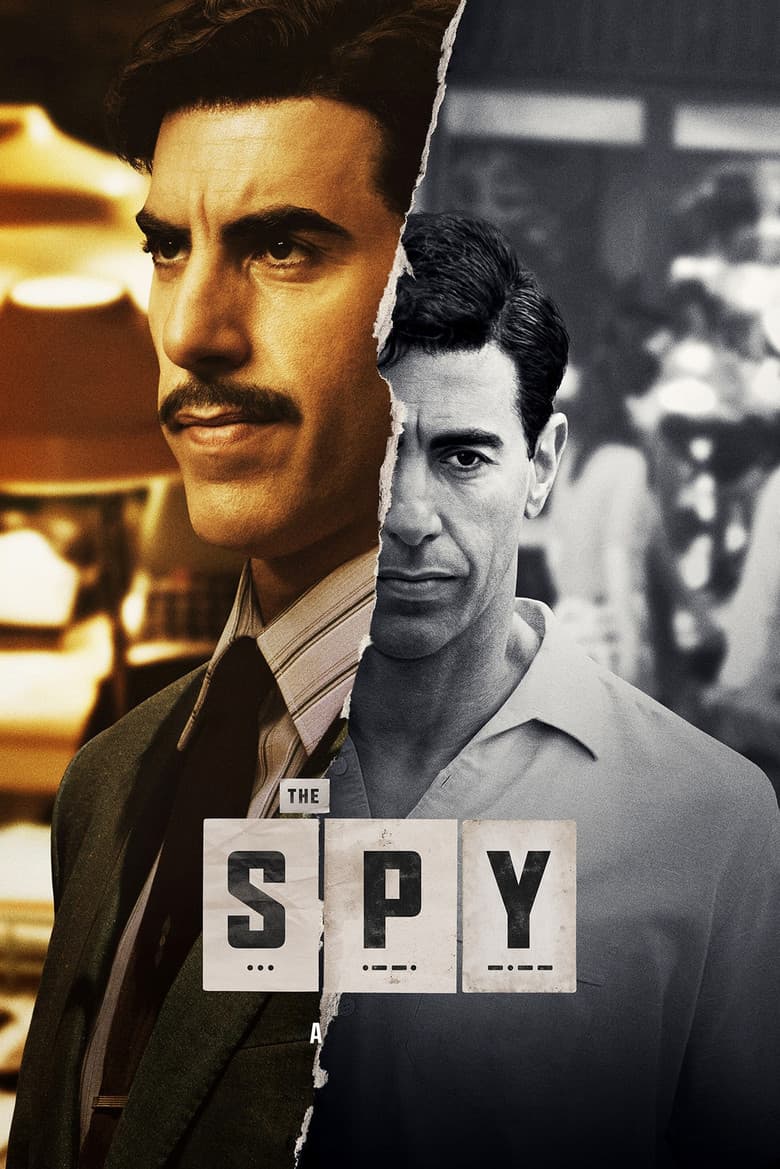
In the 1960s, Israeli clerk-turned-secret agent Eli Cohen goes deep undercover inside Syria on a perilous, years-long mission to spy for Mossad.
TV Show · 2020
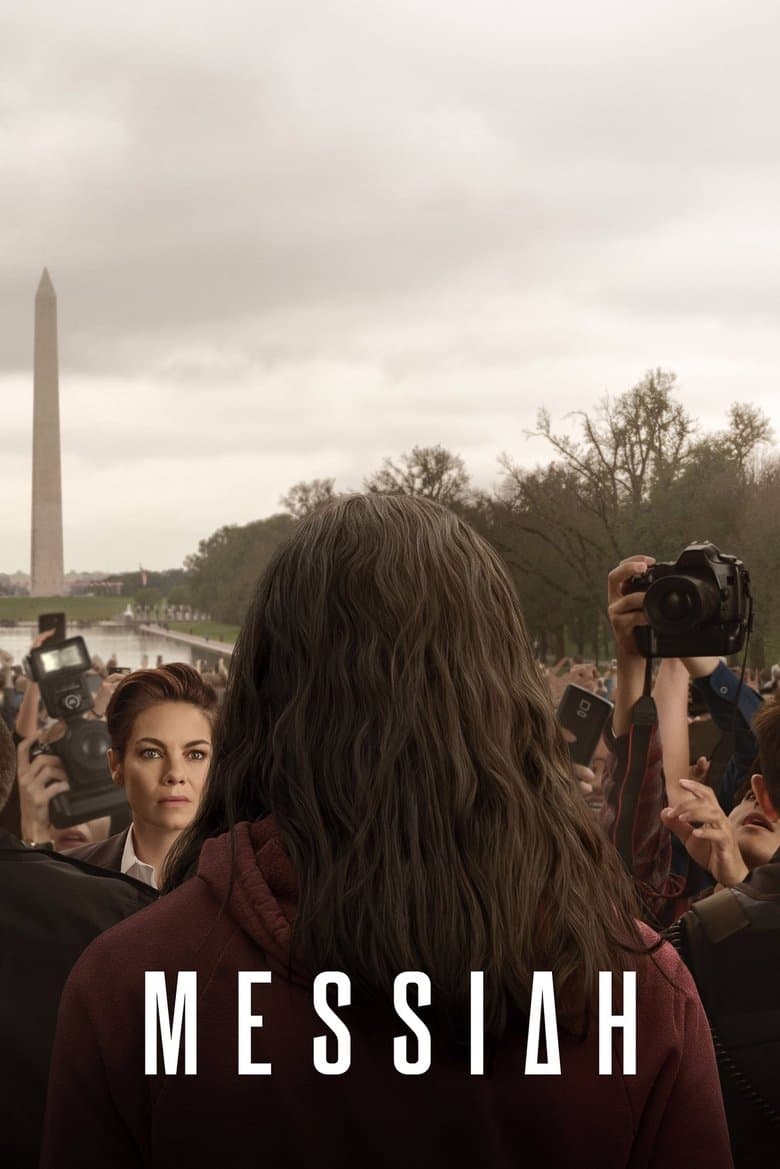
A wary CIA officer investigates a charismatic man who sparks a spiritual movement and stirs political unrest. Who exactly is he? And what does he want?
TV Show · 2023
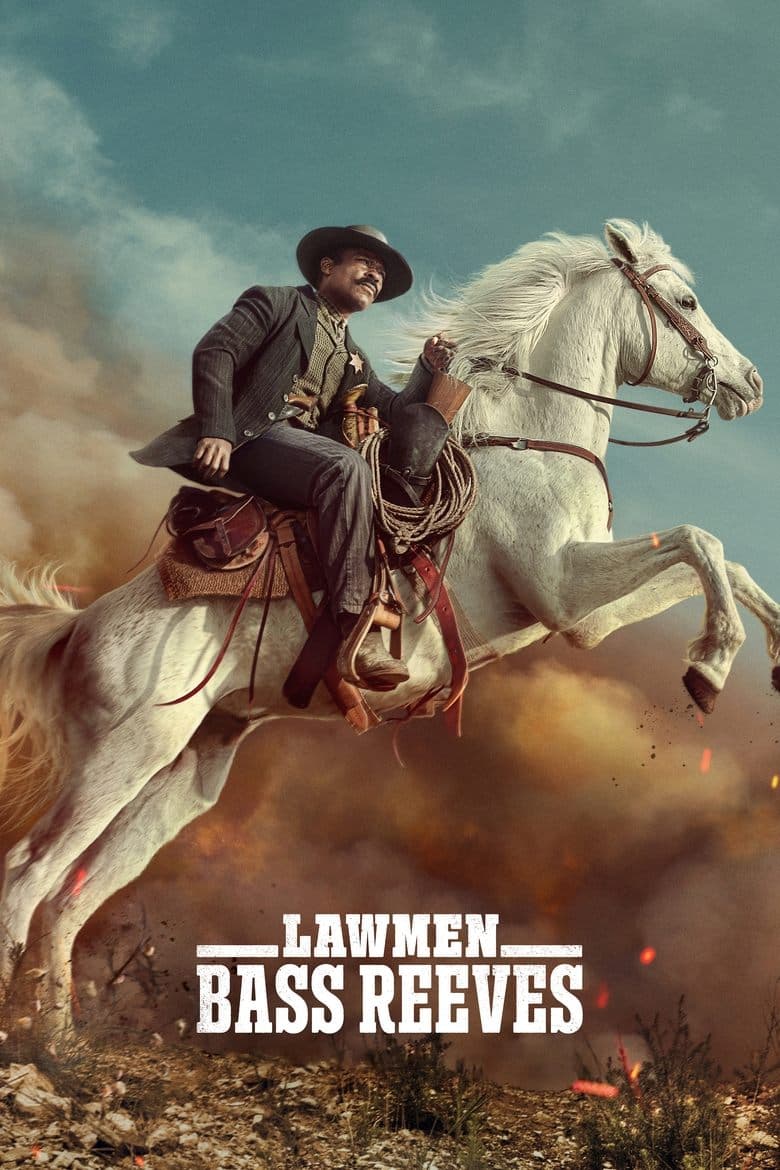
The story of Bass Reeves, the legendary lawman of the wild West, is brought to life. Reeves worked in the post-Reconstruction era as a federal peace officer in the Indian…

TV Show · 2016
Rebellious Mickey and good-natured Gus navigate the thrills and agonies of modern relationships.
