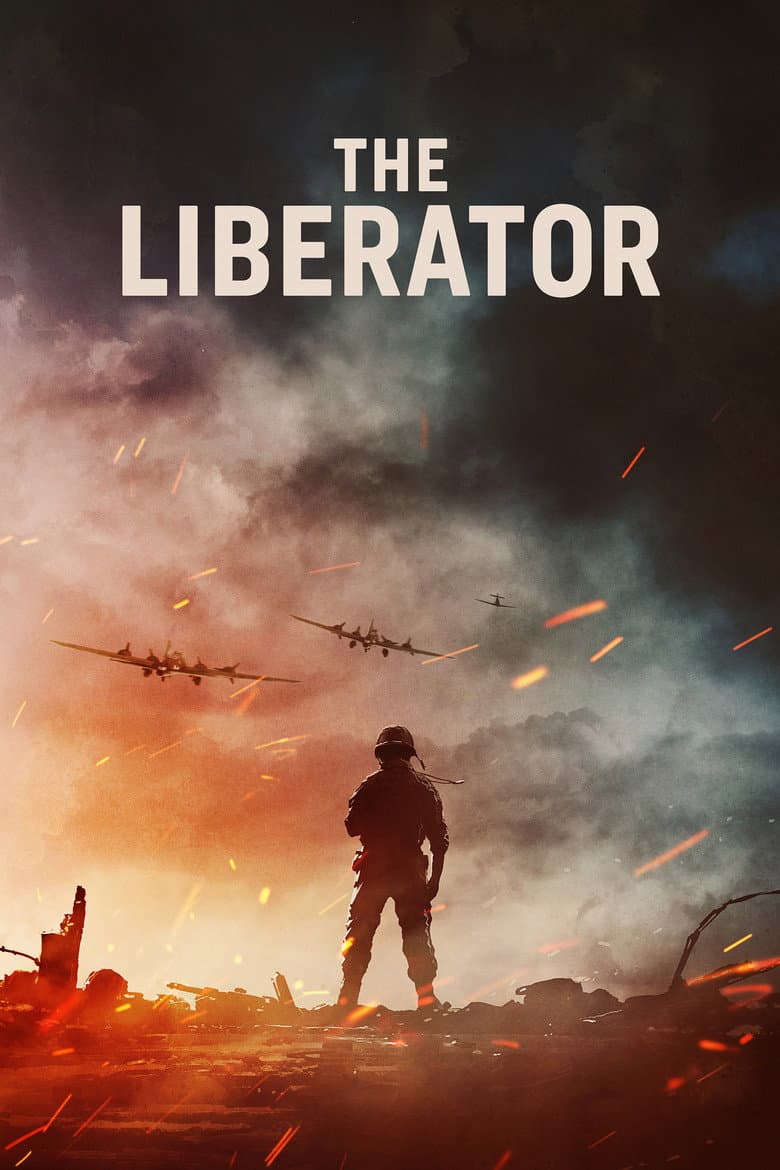
Started November 11, 2020 · Ended · Based on 1 season, 4 episodes through November 11, 2020 · TV-MA · 50 min
The Liberator follows Felix Sparks, an Army officer who leads the 157th Infantry Regiment through more than 500 days of World War II combat. The Thunderbirds fight from Sicily and Italy through France and Germany before reaching Dachau. Sparks tries to keep his battered men alive while he faces bad orders, heavy losses, and the damage war causes inside a soldier. The show has a grim, violent, and serious tone, with short moments of humor and friendship.
Race and prejudice shape the unit from the start because native American, Mexican American, and white soldiers train together even though they face separation at home. The first episode shows racist Army treatment, unequal chances to rise, and a German officer mocking the idea that these men can serve as equals. Sparks answers that pressure by defending his men and building trust across group lines. Later episodes focus more on battles, loyalty, grief, Nazi cruelty, and the moral shock of Dachau, so the identity message is important at the beginning but is less central than the war story by the end.
Community feedback
Was our 35% Woke rating accurate?
Breakdown
These are the editorial factors and ratings behind our score for The Liberator.
Woke representation / casting
The show places native American, Mexican American, and white soldiers in the main unit. That mix fits the real 45th Infantry Division, so it is not a clear historical mismatch. Netflix and interviews also present the cast as a diversity and inclusion point, which adds a mild identity signal.
18%
Woke political dialogue
The first episode has repeated lines about segregation, racism, and whether men of different races can truly serve as Americans. A German officer uses the treatment of minorities in Oklahoma to challenge an American prisoner. Sparks gives a speech that praises the native American, Mexican American, and white men in his command. Later episodes use far less identity-focused dialogue and mostly discuss combat.
31%
Identity-driven story themes
The opening episode makes racial prejudice and equal treatment a major part of the soldiers’ training and team story. Sparks protects native American and Mexican American men from racist Army leaders and helps them trust one another. The unit’s shared service is treated as a picture of American unity across racial lines. The last three episodes put combat, loss, Nazi crimes, and moral injury ahead of current identity politics, so the theme is noticeable but limited.
34%
Western institutional / cultural critique
The show criticizes the Army and American society for separating the men and denying some of them fair treatment. The first episode shows a racist instructor, a segregated bar, and a native soldier passed over for promotion. The finale also shows American troops killing German prisoners after seeing Dachau, which questions the moral record of the liberators. The story does not turn these events into a broad modern attack on family, religion, capitalism, or Western culture.
18%
Woke character or canon changes
Not relevant. The show adapts Alex Kershaw’s nonfiction book and uses composite soldiers for Coldfoot and Gomez. No identity-based race, gender, sexuality, or leadership swap is confirmed for an established character or historical figure.
0%
Anti-woke backlash and complaints
No anti-woke reaction was found in the supplied X pass. One strongly critical review called the show a version of Band of Brothers made for 2020 and objected to its repeated talk about American racism and its focus on American killings at Dachau. Other audience discussion centered on the animation, pacing, and historical accuracy. The complaint is specific but isolated, so the backlash signal is low.
16%
Creator track record context
The supplied creator records show low or mild scores for Jeb Stuart, Grzegorz Jonkajtys, Alex Kershaw, and Łukasz Dzięcioł. Their public work centers on action writing, animation craft, World War II history, and standard television production. Stuart’s title interview stresses military history and the mental endurance of veterans, not a social campaign. The creator record therefore adds only a small woke context signal.
13%
Production

TV Show · 2021
A secret life is the one thing they have in common. At school, Hori is a prim and perfect social butterfly, but the truth is she's a brash homebody.
TV Show · 2020

TV Show · 2024
Kirie tries to escape from her town Kurouzu-cho, where the residents get obsessed with spirals due to an unexplained curse.
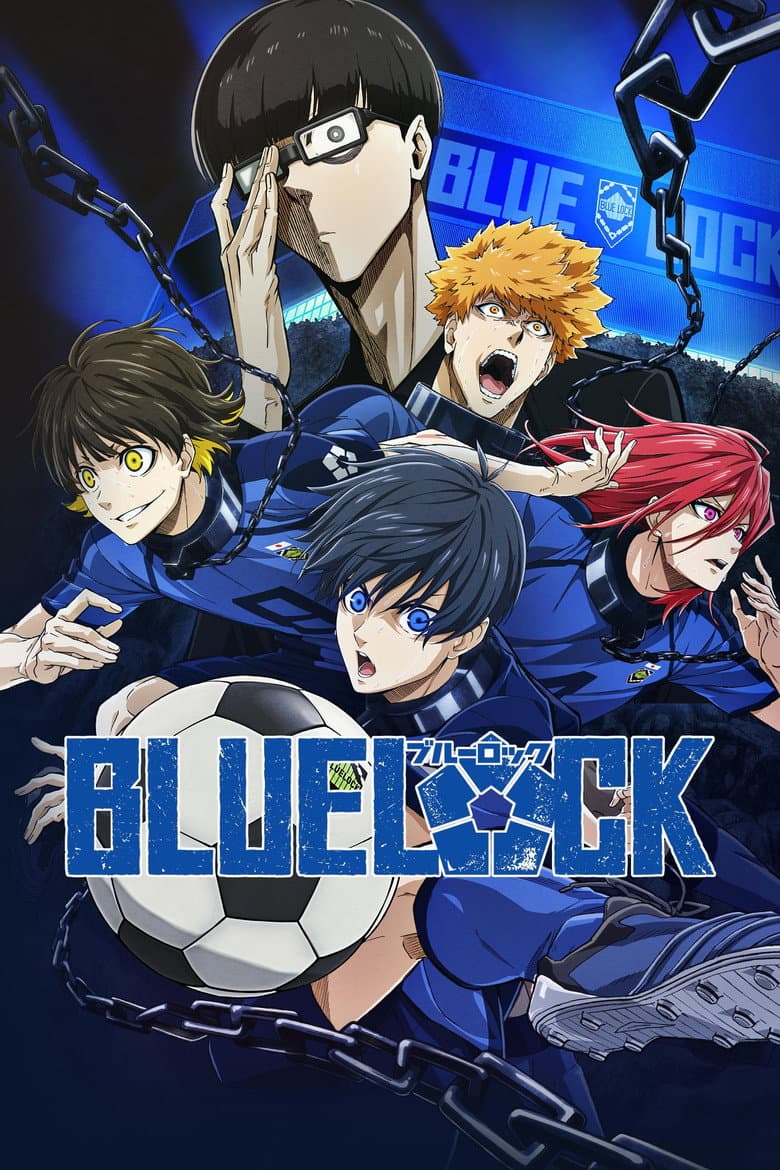
TV Show · 2022
High school soccer players from across Japan gather for a controversial project designed to create the best — and most egoistic — striker in the world.
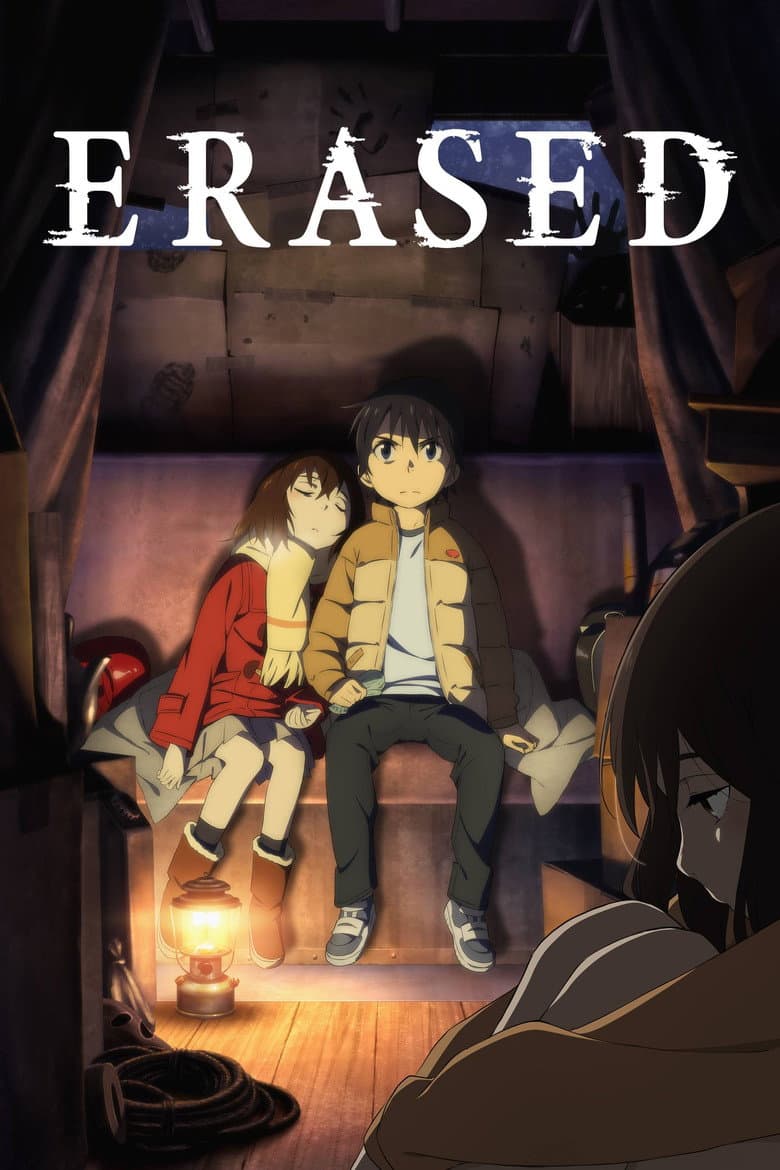
TV Show · 2016
Satoru Fujinuma is a struggling manga artist who has the ability to turn back time and prevent deaths. When his mother is killed he turns back time to solve the mystery, but ends…
TV Show · 2017
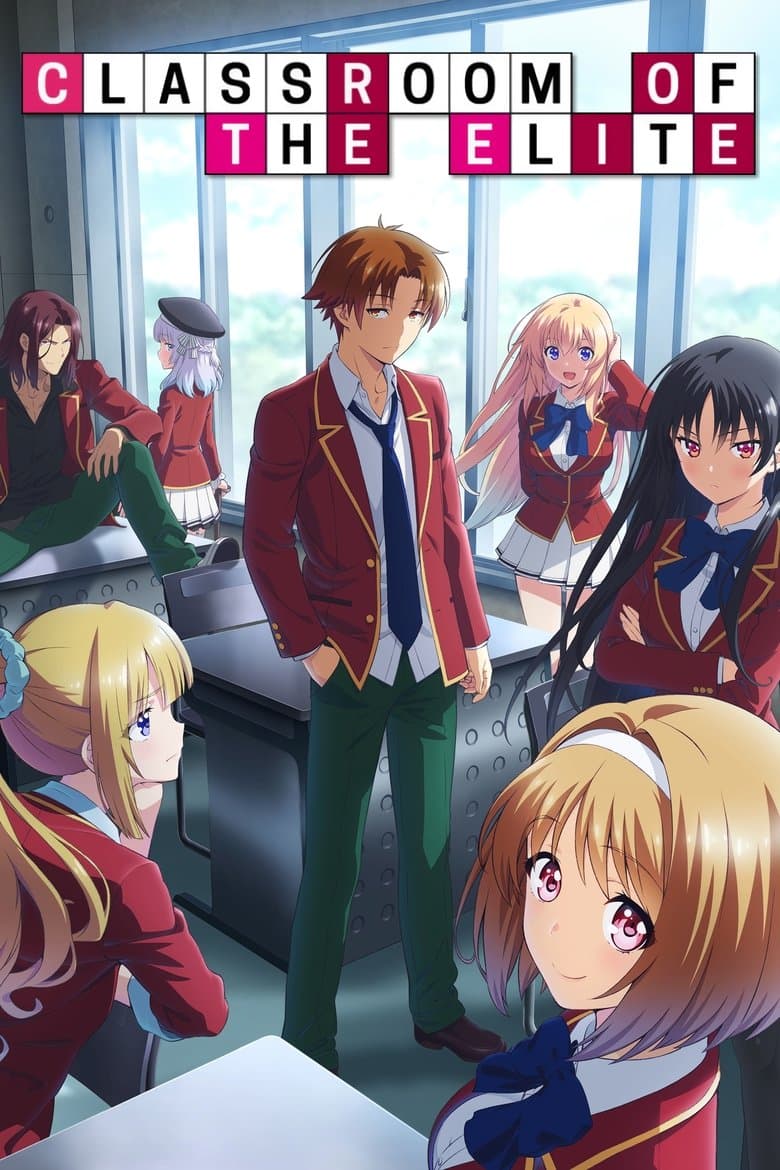
Kiyotaka Ayanokouji enrolls at the prestigious Tokyo Koudo Ikusei Academy, but is assigned to Class 1-D, where students with behavioral problems are housed.
TV Show · 2021
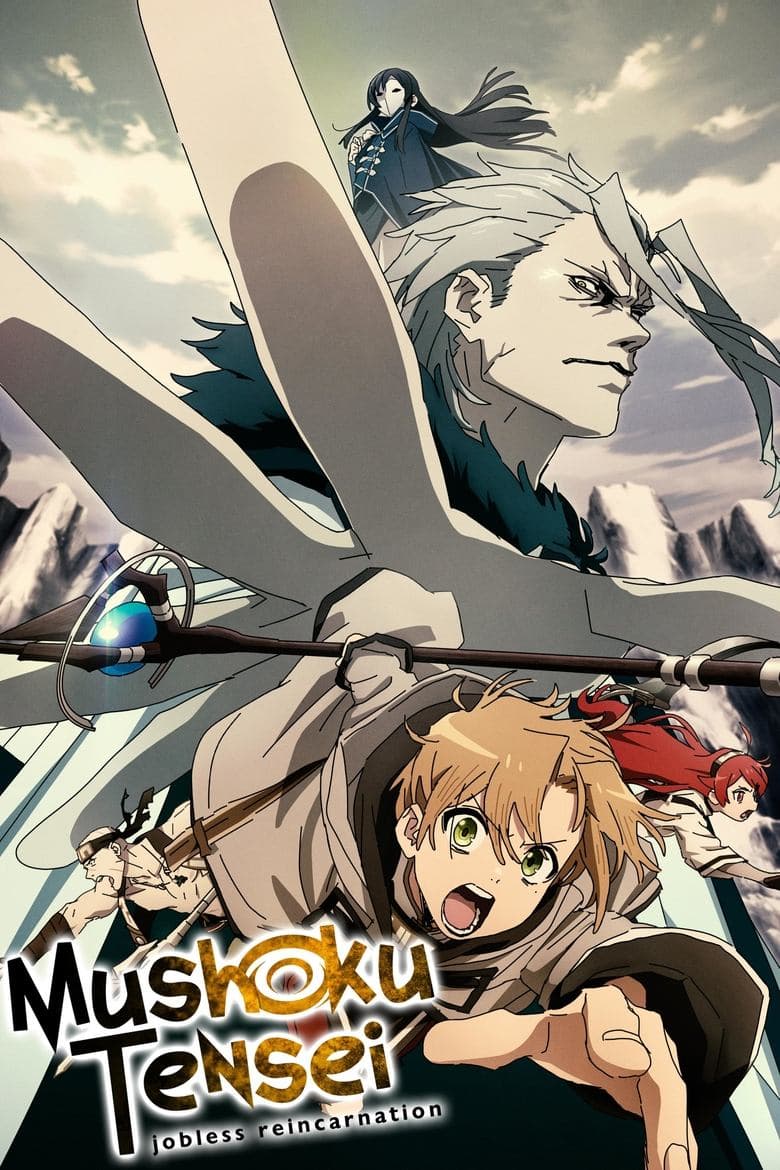
When a 34-year-old underachiever gets run over by a truck, his story doesn't end there. Reincarnated in a new world as an infant, Rudy will seize every opportunity to live the…
TV Show · 2019
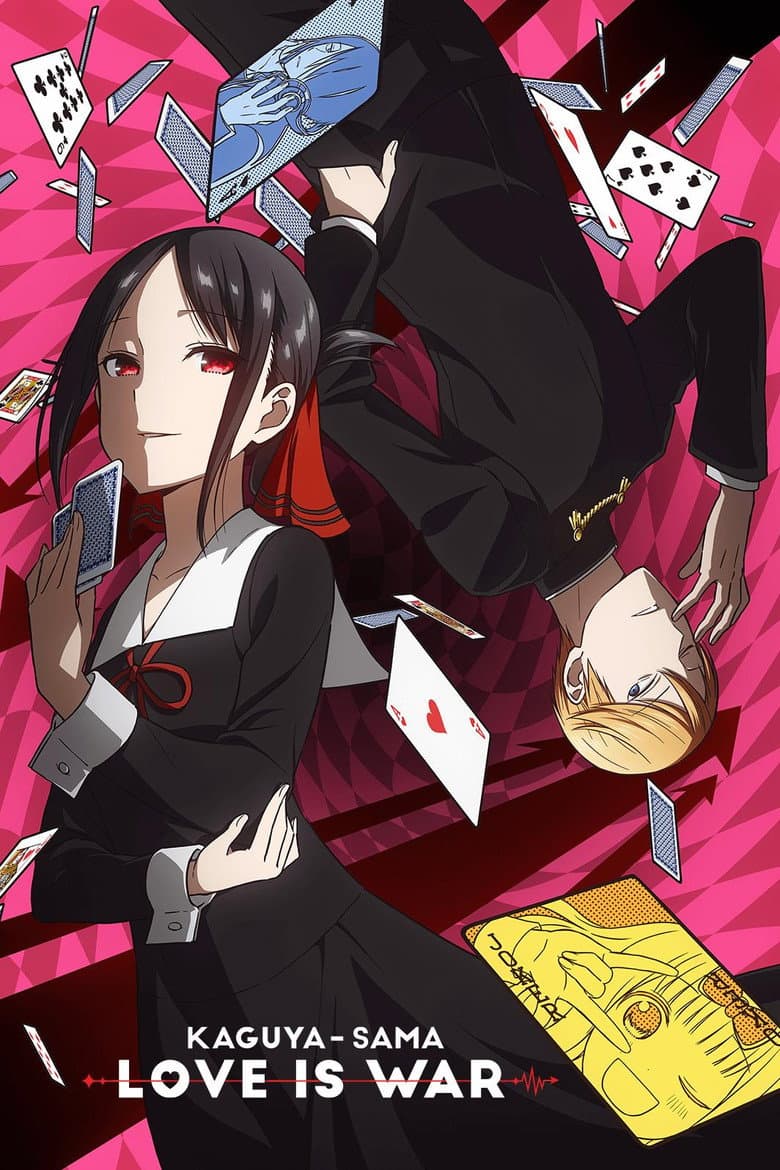
Considered a genius due to having the highest grades in the country, Miyuki Shirogane leads the prestigious Shuchiin Academy's student council as its president, working alongside…
