
Started July 12, 2017 · Returning Series · Based on 4 seasons, 54 episodes through June 24, 2026 · TV-14 · 24 min · Japanese
Classroom of the Elite follows Kiyotaka Ayanokoji, a quiet student who hides extreme intelligence and physical skill. He enters Tokyo Metropolitan Advanced Nurturing High School, where students receive money and freedom but compete through secret tests. Class D holds students the school judges weak, so Kiyotaka and his classmates must climb while facing rival classes, betrayals, and possible expulsion. The tone is cold and tense, with school life turned into a long game of power and survival.
Across four seasons, the story centers on merit, social rank, hidden talent, bullying, trust, and the cost of treating people as tools. Kiyotaka's past in the White Room shows an extreme plan to make a perfect person, while the school tests whether ability alone can create strong leaders. Suzune Horikita becomes a firmer class leader, while Honami Ichinose and Arisu Sakayanagi also lead major classes. Kei Karuizawa moves from a bullied student to Kiyotaka's partner, and the new first-years bring fresh rivals in season four. A short first-season story also follows Chihiro Shiranami, who falls for Honami Ichinose and is turned down, while later episodes return to school contests, alliances, and Kiyotaka's fight for control of his own life.
Community feedback
Was our 12% Woke rating accurate?
Breakdown
These are the editorial factors and ratings behind our score for Classroom of the Elite.
Woke representation / casting
Three of the four main classes are led or strongly represented by girls, including Horikita, Ichinose, and Sakayanagi. Ibuki and Amasawa also receive visible fighting or strategy roles. The pattern is noticeable, but it appears within a large Japanese school cast and is not framed as a diversity campaign.
16%
Woke political dialogue
Not present. Ayanokoji opens by questioning whether people are equal and then favors meritocracy. The show does not use that discussion to promote modern identity, gender-role, DEI, or activist ideas.
0%
Identity-driven story themes
Chihiro Shiranami has a brief same-sex romantic storyline in the first season. She hugs Honami Ichinose, says she loves her, and later writes her a love letter. Honami does not return the feelings, and the story quickly returns to class contests. Later seasons do not make this crush a major plot.
15%
Western institutional / cultural critique
Not present. The school is harsh and the story questions extreme meritocracy, but that is a fictional school conflict. The show does not connect it to modern Western politics, capitalism, patriarchy, Christianity, or conservative culture.
0%
Woke character or canon changes
Not relevant. The anime adapts the light novels without a confirmed race, gender, or sexuality swap. Its move into Year 2 changes the school tests and cast, not an established identity.
0%
Anti-woke backlash and complaints
Not present. Fan arguments focus on adaptation choices, pacing, production quality, and character pairings, not claims that the show pushes woke or DEI ideas. The supplied X pass found no anti-woke complaints.
0%
Creator track record context
Not present. The listed directors, writers, and producers have conventional Japanese genre careers in the supplied context. Kinugasa's title-related interviews discuss the academy, special tests, and meritocracy, not activism or DEI.
0%
Production
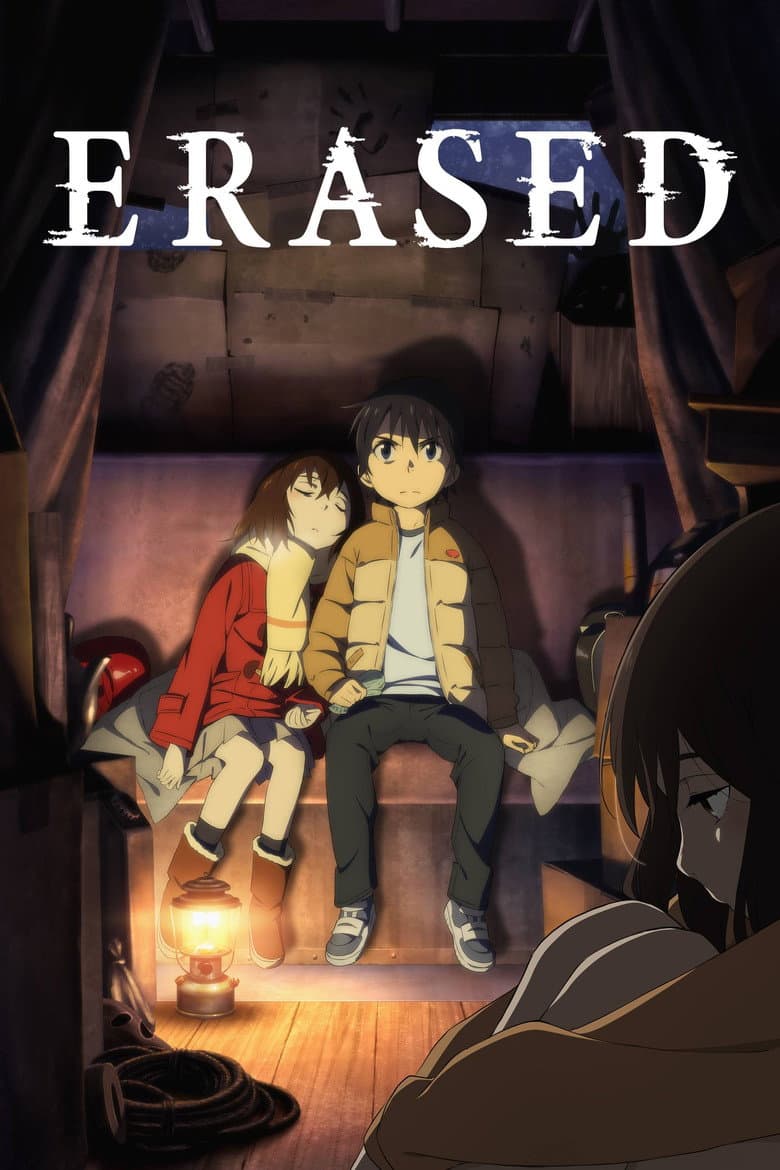
TV Show · 2016
Satoru Fujinuma is a struggling manga artist who has the ability to turn back time and prevent deaths. When his mother is killed he turns back time to solve the mystery, but ends…

TV Show · 2019
Considered a genius due to having the highest grades in the country, Miyuki Shirogane leads the prestigious Shuchiin Academy's student council as its president, working alongside…

TV Show · 2024
Kirie tries to escape from her town Kurouzu-cho, where the residents get obsessed with spirals due to an unexplained curse.

TV Show · 2019
After a demon attack leaves his family slain and his sister cursed, Tanjiro embarks upon a perilous journey to find a cure and avenge those he's lost.
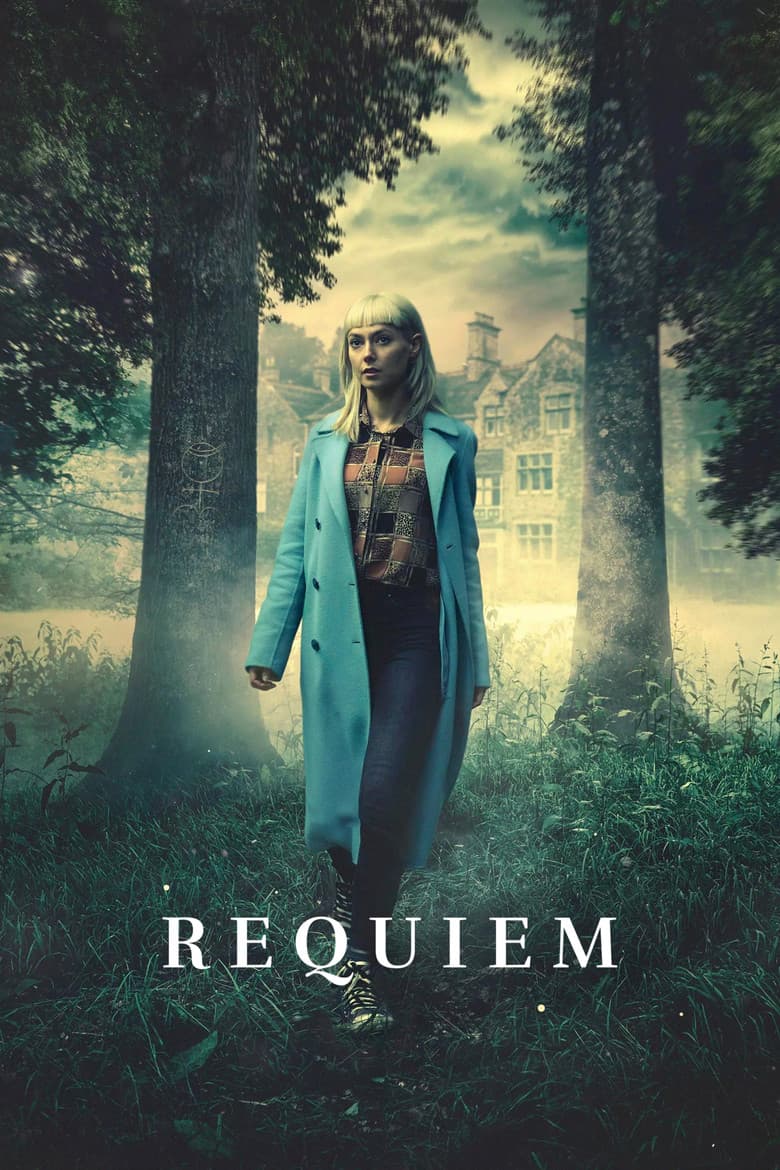
TV Show · 2018
In 1994, a toddler disappeared from a small Welsh village, never to be seen again. 23 years later, in London, the mother of rising cello star Matilda Gray commits suicide, without…

TV Show · 2020
Hiding a twisted past, a man maintains his facade as the perfect husband to his detective wife — until she begins investigating a series of murders.

TV Show · 2022
High school soccer players from across Japan gather for a controversial project designed to create the best — and most egoistic — striker in the world.

TV Show · 2020
