
Started January 12, 2019 · Ended · Based on 3 seasons, 37 episodes through June 25, 2022 · TV-14 · 24 min · Japanese
Kaguya Shinomiya and Miyuki Shirogane are the vice president and president of the student council at the elite Shuchiin Academy. Both students secretly love each other, but each believes that the first person to confess loses the battle. They use tricks, school events, friends, and long plans to force the other person to speak first. The show mixes fast comedy with romance, school life, family pressure, and more serious stories about loneliness and trust. Seasons two and three add Miko Iino, Yu Ishigami, Ai Hayasaka, and other students who bring their own romantic problems.
The show gives Kaguya a central role as a rich and highly skilled girl, while Miyuki is also a top student who earns his place through hard work. Female characters often lead jokes, advice, school work, and romantic plans, but male characters also hold major leadership and skill roles. Hayasaka's hidden work for Kaguya and her wish to live as a normal teenager create a repeated story about masks, control, and personal freedom. The story treats those issues as private family and romance problems that shape Hayasaka's choices. Season three moves from school jokes toward honest feelings, the culture festival, Miyuki's Stanford plan, and the couple's first kiss.
Community feedback
Was our 6% Woke rating accurate?
Breakdown
These are the editorial factors and ratings behind our score for Kaguya-sama: Love Is War.
Woke representation / casting
Not present. The animated cast is made up of Japanese students in a Japanese school setting. Hayasaka's one-quarter Irish background is a small character detail, not a repeated diversity message.
0%
Woke political dialogue
Not present. The dialogue centers on romance, school rules, family pressure, work, and future plans. It does not use recurring activist, DEI, or identity-politics lines.
0%
Identity-driven story themes
Ai Hayasaka spends much of season 3 hiding behind several roles and says she wants a normal teenage life. Her wish to live as herself connects to earlier stories about Kaguya's strict family and Hayasaka's service. The show keeps this as a personal romance and family problem, so the identity-driven theme is weak.
12%
Western institutional / cultural critique
Not present. The show presents Kaguya's wealthy family as controlling and contrasts it with Miyuki's modest home. The conflict stays personal and does not become modern activist criticism of capitalism, patriarchy, Christianity, or Western institutions.
0%
Woke character or canon changes
Not relevant. The anime follows the manga's established Japanese cast and relationships. It does not swap a character's race, gender, sexuality, or main hero role.
0%
Anti-woke backlash and complaints
Not present. Reactions mainly praised the finale and discussed romance, comedy, pacing, and character pairings. No meaningful anti-woke or DEI complaint appeared in the researched news and major fan discussions.
0%
Creator track record context
Not present. Public creator context describes the listed creators as commercial anime and manga professionals without a clear activist or identity-first record. Related interviews focus on romance, character relationships, production, and audience reach.
0%
Production

TV Show · 2018
Puberty Syndrome—a rumored, mysterious syndrome that only affects those in their puberty. For example, a bunny girl suddenly appeared in front of Sakuta Azusagawa.
TV Show · 2016
Shigeo Kageyama, a.k.a. "Mob," is a boy who has trouble expressing himself, but who happens to be a powerful esper.
TV Show · 2020
TV Show · 2021
A secret life is the one thing they have in common. At school, Hori is a prim and perfect social butterfly, but the truth is she's a brash homebody.
TV Show · 2016
Satoru Fujinuma is a struggling manga artist who has the ability to turn back time and prevent deaths. When his mother is killed he turns back time to solve the mystery, but ends…
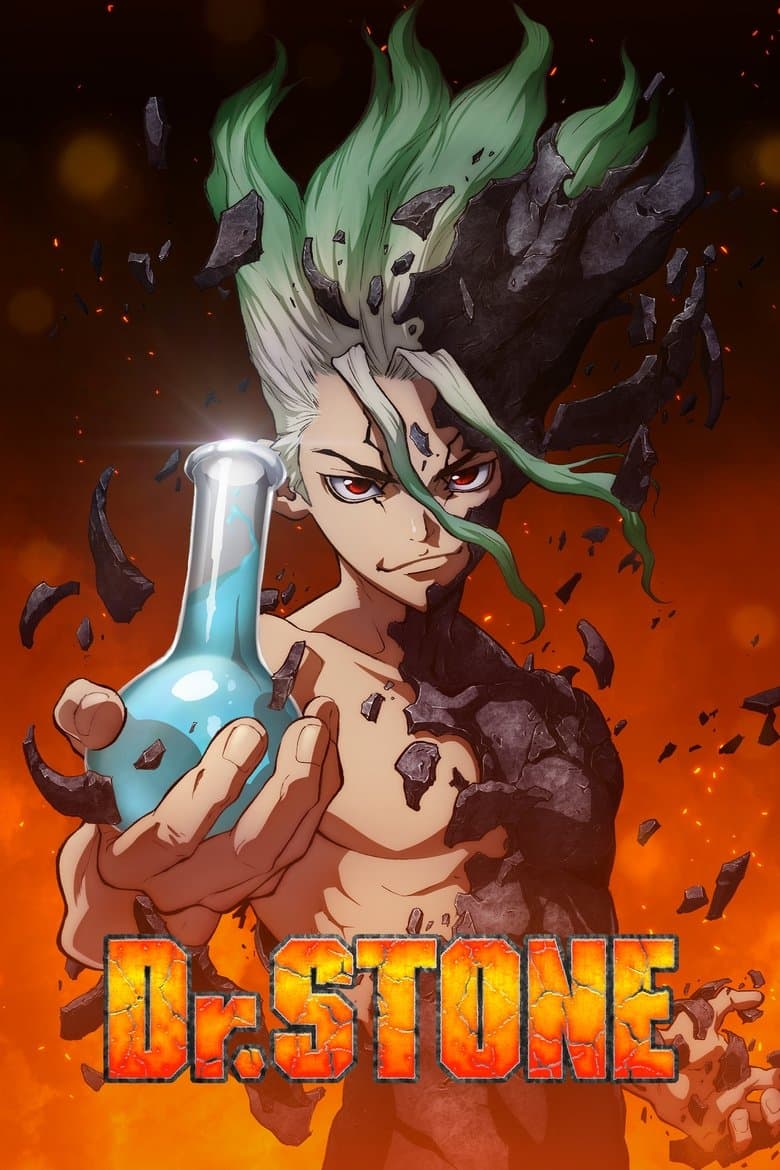
TV Show · 2019
One fateful day, all of humanity was petrified by a blinding flash of light. After several millennia, high schooler Taiju awakens and finds himself lost in a world of statues.
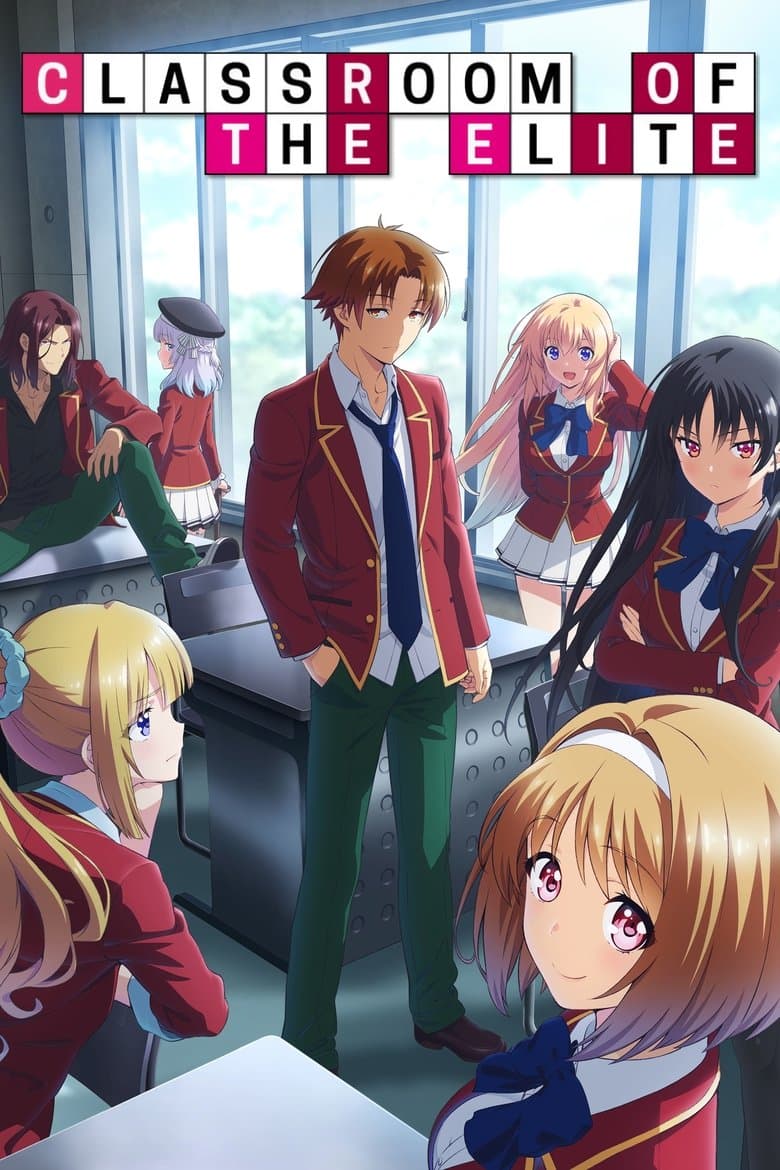
TV Show · 2017
Kiyotaka Ayanokouji enrolls at the prestigious Tokyo Koudo Ikusei Academy, but is assigned to Class 1-D, where students with behavioral problems are housed.
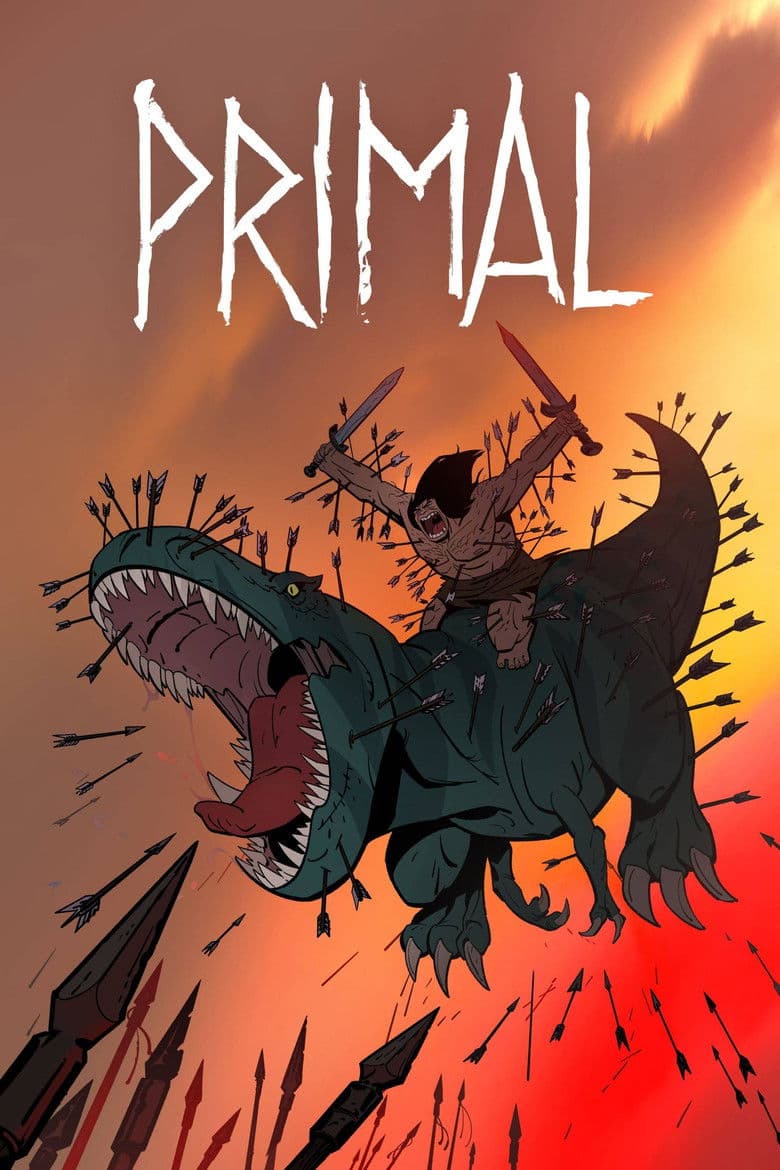
TV Show · 2019
A caveman forms a bond with a dinosaur as they struggle to survive in a hostile world.
