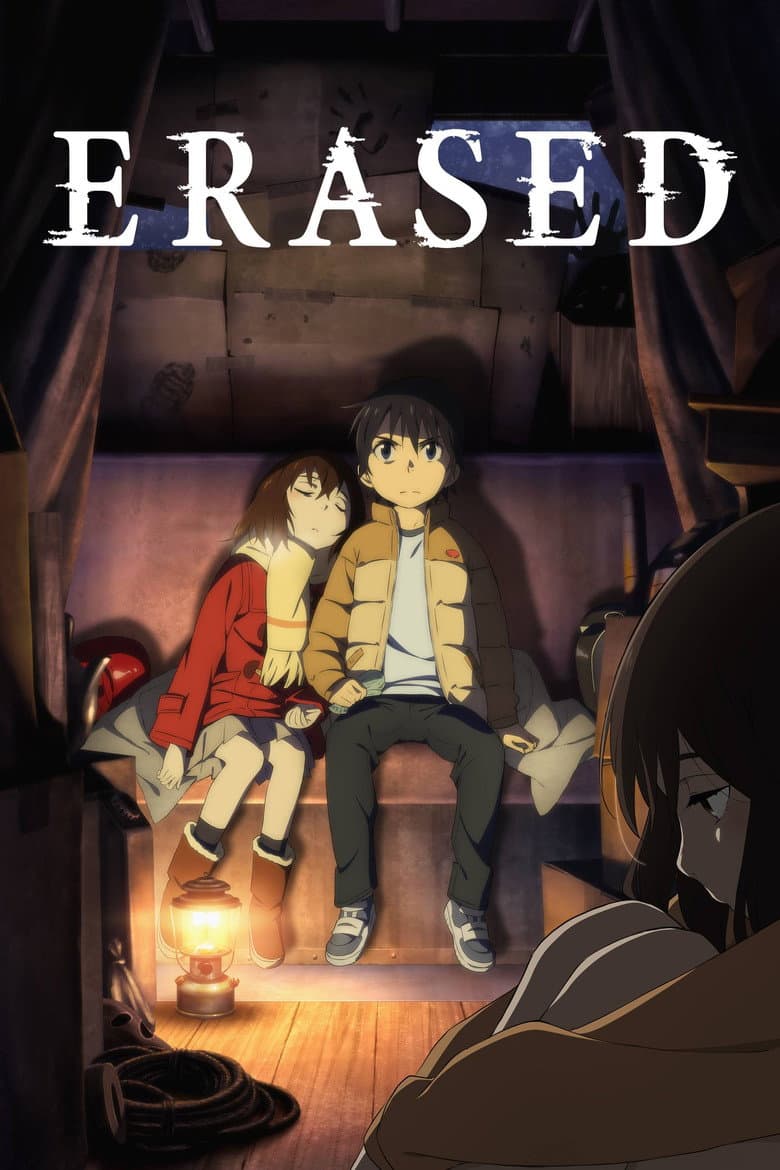
Started January 8, 2016 · Ended · Based on 1 season, 12 episodes through March 25, 2016 · TV-14 · 25 min · Japanese
ERASED is a Japanese animated mystery about Satoru Fujinuma, a 29-year-old manga artist who cannot get his work moving. His strange power sends him back a few moments before a death or serious injury, and his mother’s murder sends him 18 years into the past. Satoru returns to his body as a ten-year-old in snowy Hokkaido, where a classmate named Kayo is about to vanish. The tone mixes quiet school life with fear, grief, time travel, and a tense search for a killer.
The story spends much of its time on Kayo’s abuse at home and on Satoru’s effort to keep her and the other children safe. Satoru relies on his mother, his classmates, and later his adult friends, so the show treats trust and shared action as the way to defeat danger. Kayo, Sachiko, and Airi are important and often brave, but the main arc still follows Satoru’s rescue mission and recovery. The final episodes show that saving Kayo does not earn Satoru a romance with her, and they end with friendship, family, and a new chance for Satoru to live well.
Community feedback
Was our 0% Woke rating accurate?
Breakdown
These are the editorial factors and ratings behind our score for ERASED.
Woke representation / casting
Not present. The major roles are Japanese children and adults in a Japanese town. The cast choices fit the setting and the manga source, and the show does not present them as a diversity statement.
0%
Woke political dialogue
Not present. The dialogue deals with time travel, fear, family, friendship, abuse, and the murder case. No recurring line pushes modern identity, DEI, gender-role, or activist ideas.
0%
Identity-driven story themes
Not present. The story follows Satoru trying to stop child abuse and murder and help lonely children. It treats these events as a personal crime story about trust and responsibility, not as a modern identity campaign.
0%
Western institutional / cultural critique
Not present. Adults, police, and child-protection workers sometimes fail to stop danger, but that failure serves the crime plot. The show does not attack men, family life, religion, capitalism, or Western culture.
0%
Woke character or canon changes
Not relevant. The anime cuts and changes parts of the manga ending because of its short run. Those are plot and pacing changes, and no established character receives a race, sex, sexuality, or identity swap.
0%
Anti-woke backlash and complaints
Not present. Fan complaints focused on the rushed ending, the killer reveal, and Kayo’s future after Satoru’s coma. Available coverage found no reliable complaint that the show pushed woke, DEI, or identity politics.
0%
Creator track record context
Not present. The cached creator notes show ordinary anime careers without a documented pattern of activist or DEI work. The ERASED interviews focus on suspense, characters, scenery, and adaptation choices.
0%
Production
TV Show · 2023
After the party of heroes defeated the Demon King, they restored peace to the land and returned to lives of solitude.
TV Show · 2017
Kiyotaka Ayanokouji enrolls at the prestigious Tokyo Koudo Ikusei Academy, but is assigned to Class 1-D, where students with behavioral problems are housed.
TV Show · 2022
High school soccer players from across Japan gather for a controversial project designed to create the best — and most egoistic — striker in the world.
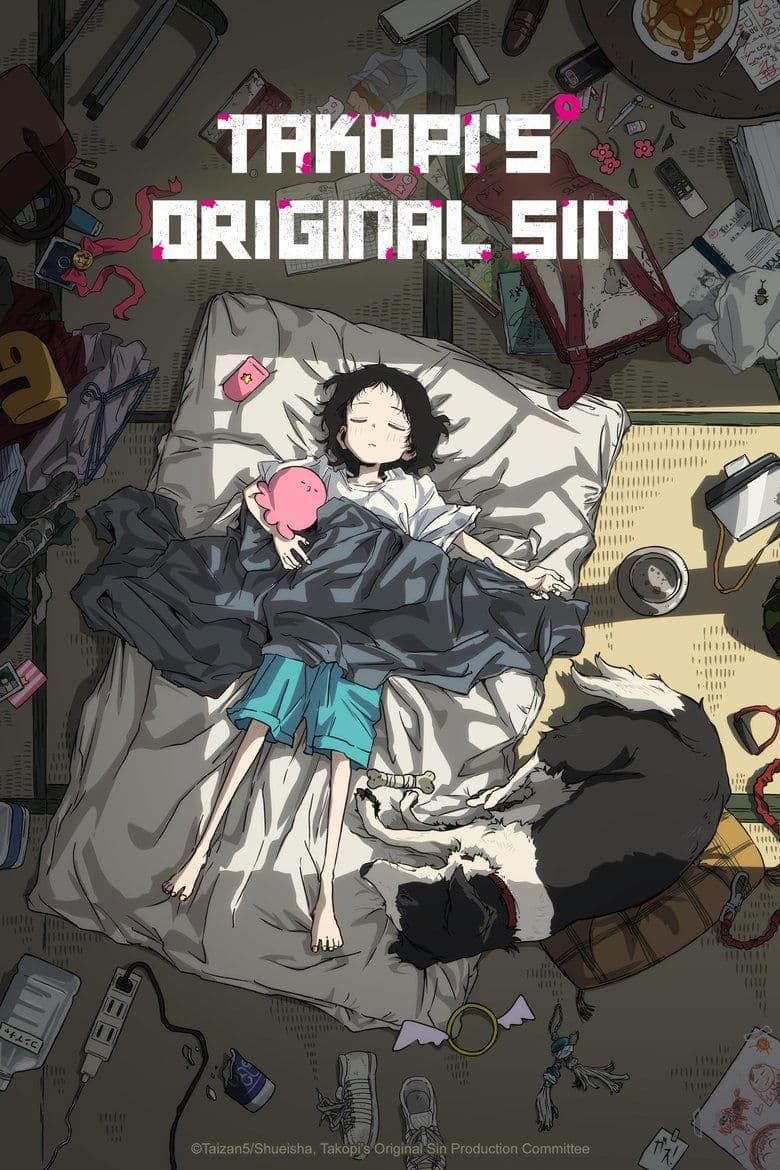
TV Show · 2025
A Happy alien, Takopi, lands on Earth with one mission: to spread happiness! When he meets Shizuka, a lonely fourth grader, he vows to bring back her smile using his magical Happy…
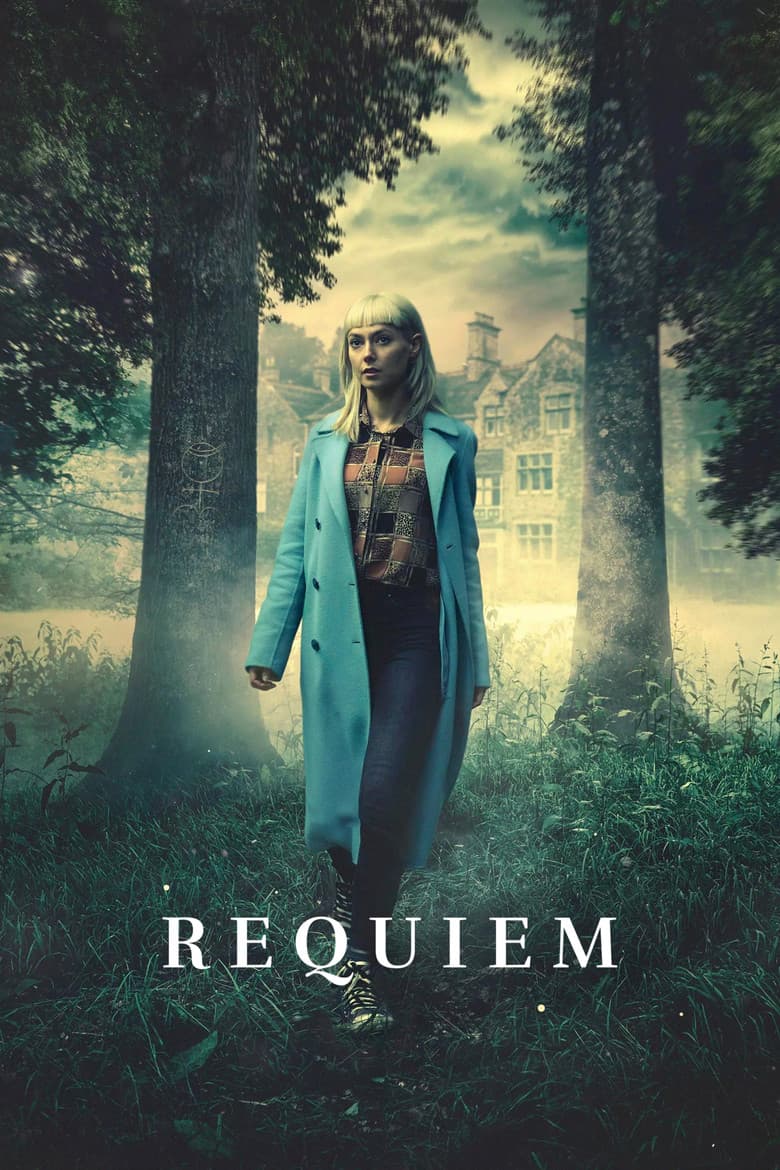
TV Show · 2018
In 1994, a toddler disappeared from a small Welsh village, never to be seen again. 23 years later, in London, the mother of rising cello star Matilda Gray commits suicide, without…
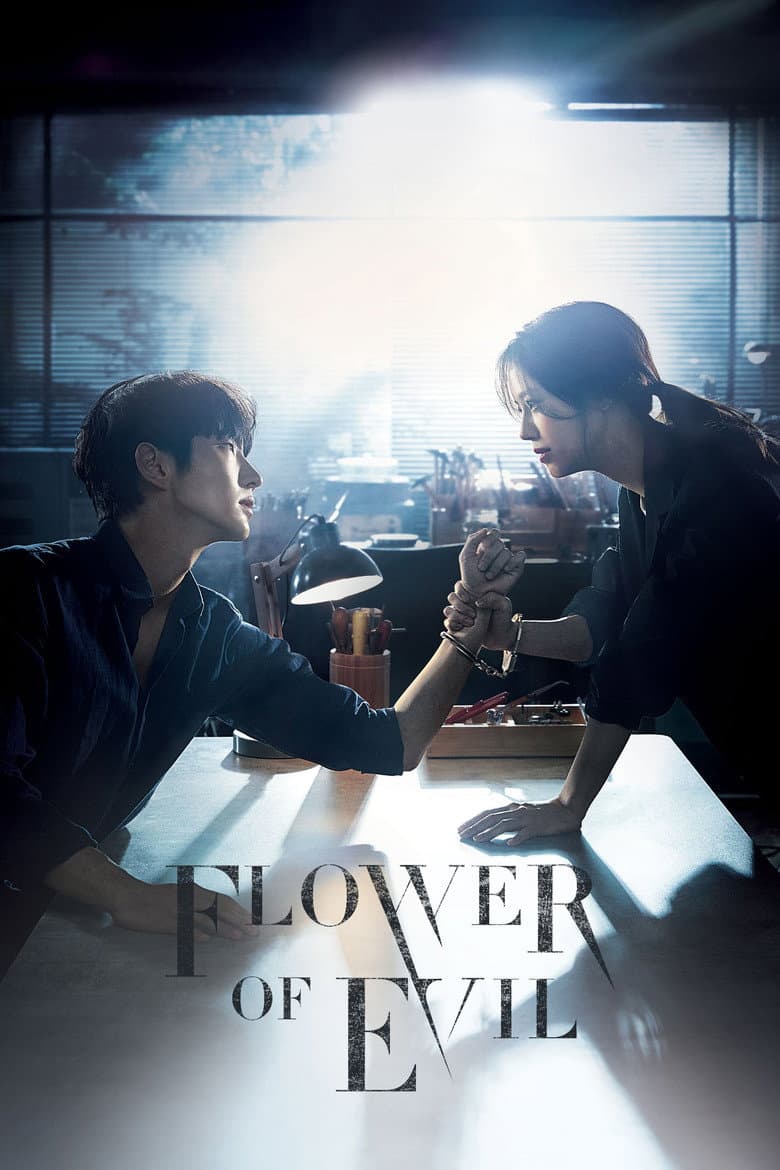
TV Show · 2020
Hiding a twisted past, a man maintains his facade as the perfect husband to his detective wife — until she begins investigating a series of murders.
TV Show · 2020
TV Show · 2024
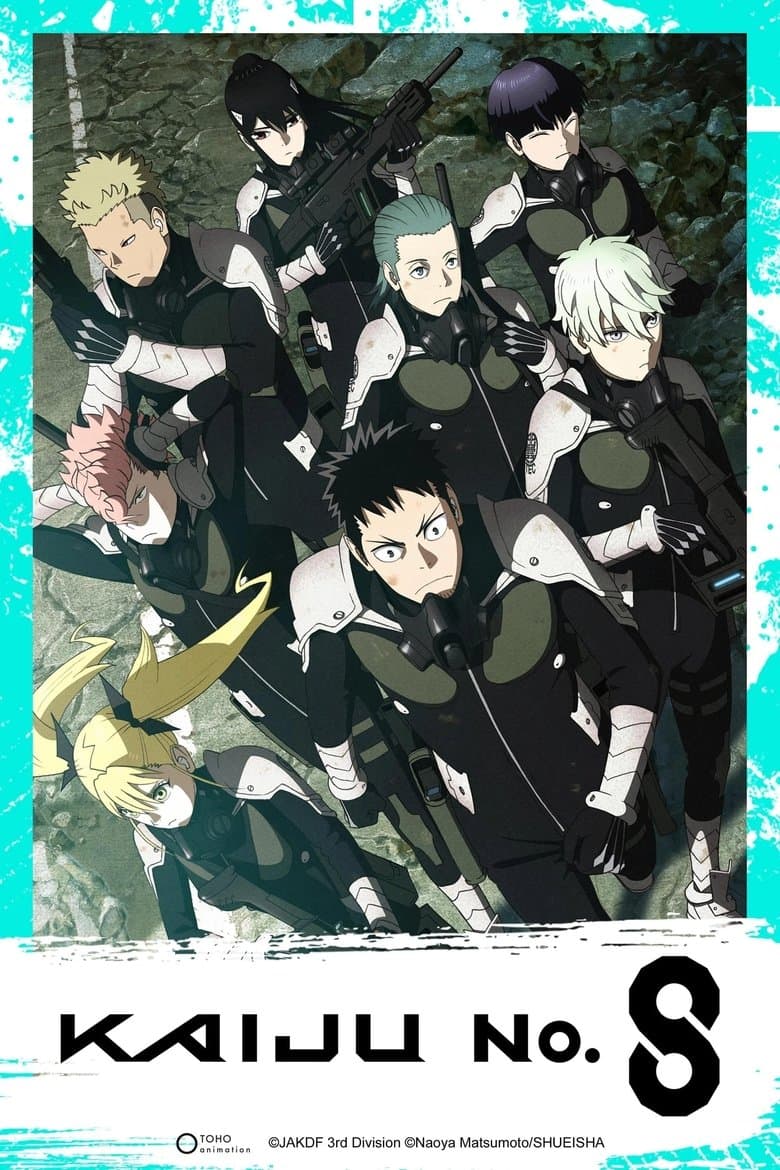
In a world plagued by creatures known as Kaiju, Kafka Hibino aspired to enlist in The Defense Force. He makes a promise to enlist with his childhood friend, Mina Ashiro.
