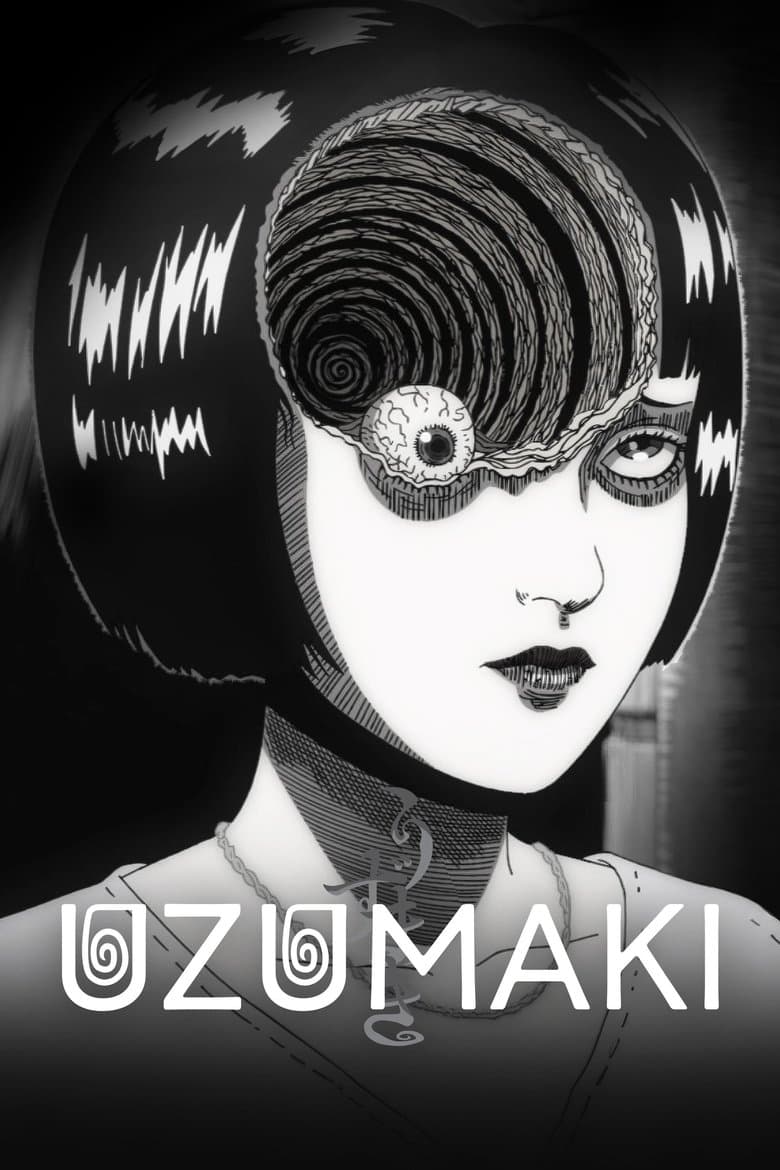
Started September 29, 2024 · Ended · Based on 1 season, 4 episodes through October 20, 2024 · TV-MA
Uzumaki follows Kirie Goshima, a high school girl who lives in the small coastal town of Kurouzu-cho. Her boyfriend, Shuichi, warns her that the town is changing, but most people ignore him. Soon, people become obsessed with spiral shapes, and the curse reaches houses, hair, clouds, weather, animals, and human bodies. Kirie and Shuichi try to survive and escape as the town closes in around them. The black-and-white show has a grim supernatural horror tone, with body changes, deaths, panic, and strange images.
The story focuses on obsession, fear, grief, love, and the loss of control. Each episode shows another part of the curse, from a boy who becomes a snail to pregnant women, ruined buildings, violent storms, and a town trapped in a repeating cycle. Kirie remains the main character as she tries to protect her family and stay close to Shuichi while the town falls apart. The people and place stay rooted in a Japanese town, and the plot stays focused on supernatural horror and the terror of forces no one can explain. The main effect is that people cannot easily escape a fear that spreads through their homes, families, and minds.
Community feedback
Was our 1% Woke rating accurate?
Breakdown
These are the editorial factors and ratings behind our score for Uzumaki.
Woke representation / casting
Not present. The show uses Japanese characters in a Japanese town, and Kirie is the source character and main lead. The casting is not presented as a diversity message.
0%
Woke political dialogue
Not present. Characters talk about the spiral curse, fear, survival, and escape. The show has no recurring speeches about modern politics, activist causes, or identity groups.
0%
Identity-driven story themes
Not present. The main themes are obsession, fear, loss of control, love, and a repeating supernatural curse. The conflict is not built around race, sex, sexuality, or present-day identity politics.
0%
Western institutional / cultural critique
Not present. The town's school, hospital, police, media, and rescue efforts fail because of the supernatural curse. The story does not frame those failures as a modern attack on men, families, religion, capitalism, or Western institutions.
0%
Woke character or canon changes
Not relevant. This is a faithful adaptation of Junji Ito's horror manga. Its condensed episodes and rearranged plot points serve the short format and do not turn the story into an identity-driven rewrite.
0%
Anti-woke backlash and complaints
Not present. The supplied X research found no anti-woke complaints. Public complaints in the available sources focused on animation quality, rushed pacing, and adaptation choices.
0%
Creator track record context
Junji Ito and the listed Japanese directors have no known activist or identity-driven public profile in the cached context. Director Hao Wu has made a documentary about a same-sex couple and family formation. Producer Jason DeMarco has mentioned widening creative teams beyond one perspective. None of that background is tied to Uzumaki's story or marketing.
7%
Production
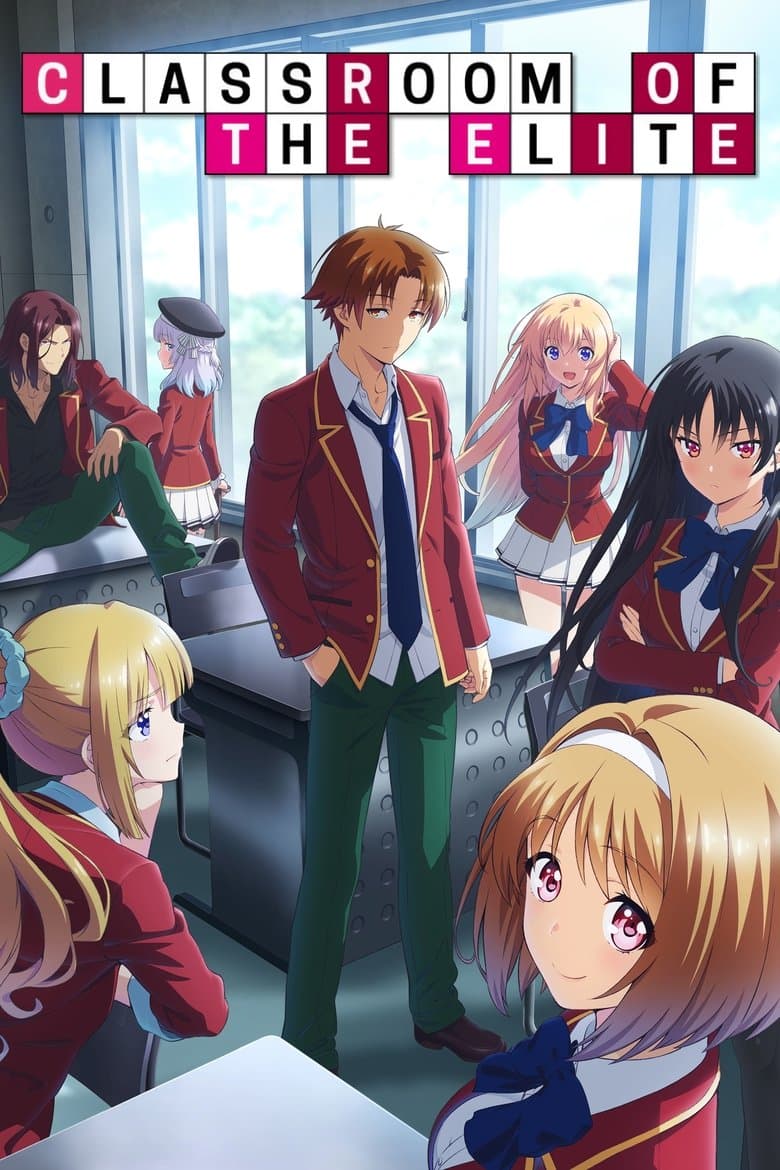
TV Show · 2017
Kiyotaka Ayanokouji enrolls at the prestigious Tokyo Koudo Ikusei Academy, but is assigned to Class 1-D, where students with behavioral problems are housed.
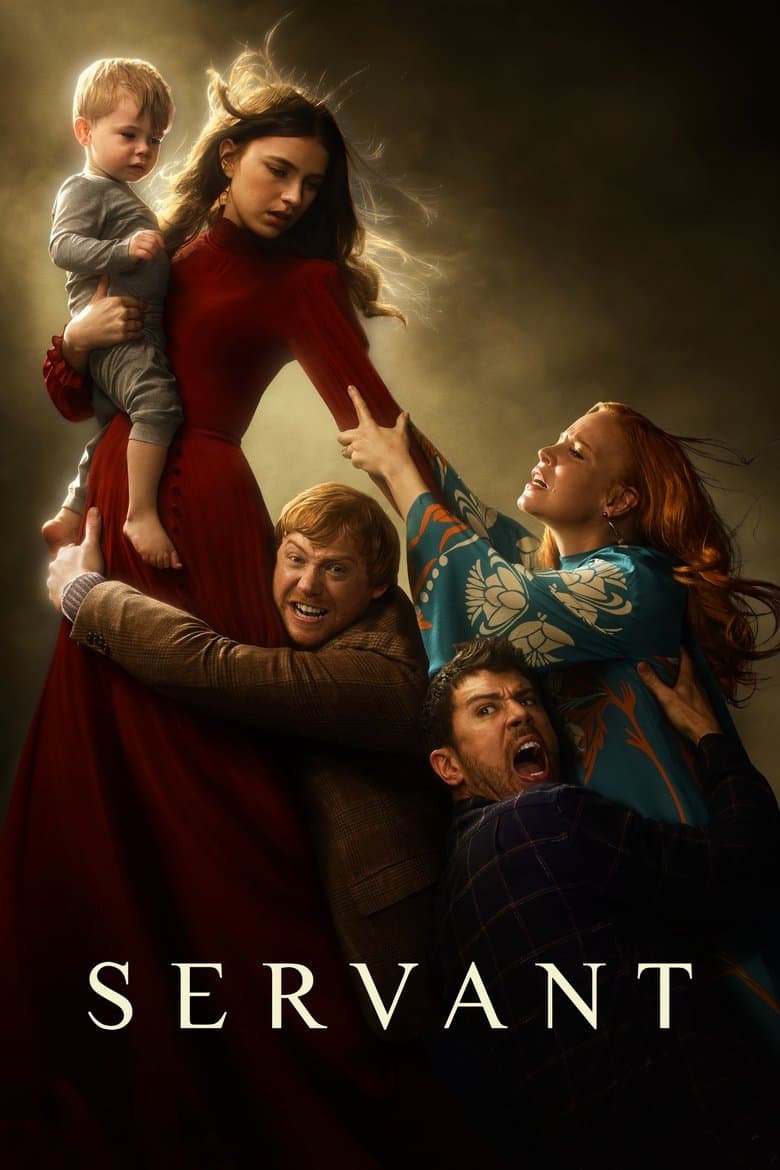
TV Show · 2019
A Philadelphia couple are in mourning after an unspeakable tragedy creates a rift in their marriage and opens the door for a mysterious force to enter their home.
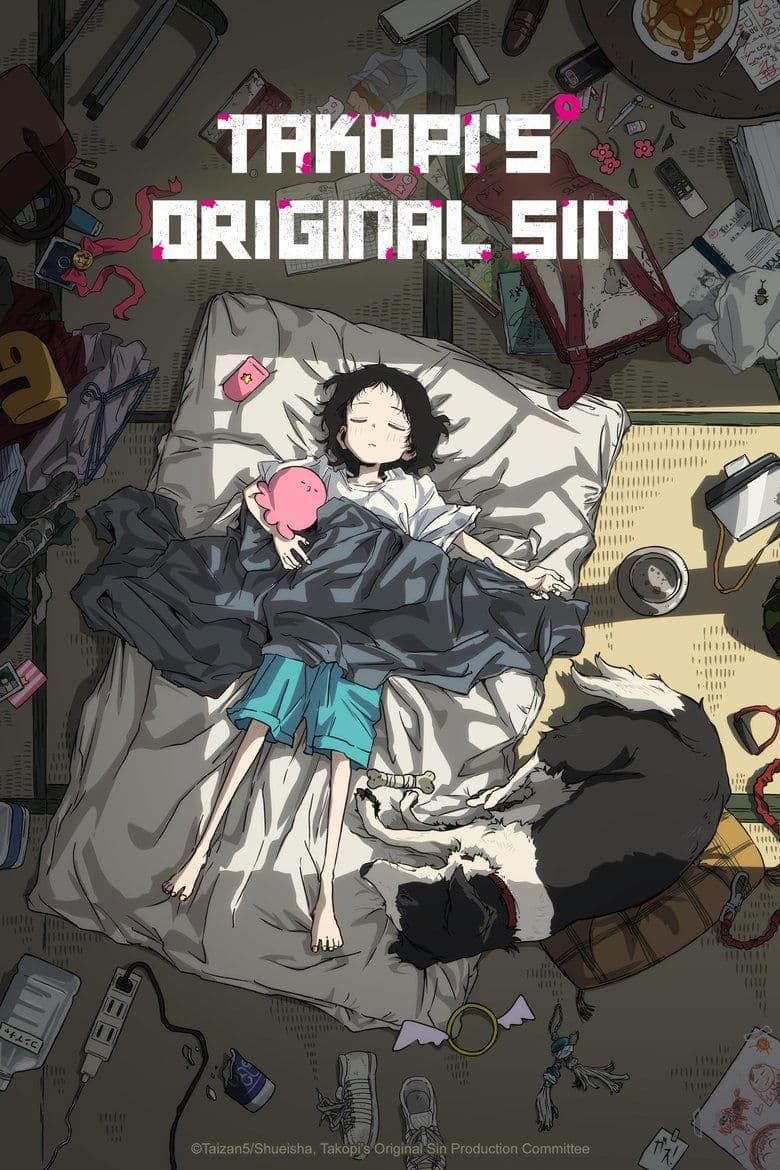
TV Show · 2025
A Happy alien, Takopi, lands on Earth with one mission: to spread happiness! When he meets Shizuka, a lonely fourth grader, he vows to bring back her smile using his magical Happy…
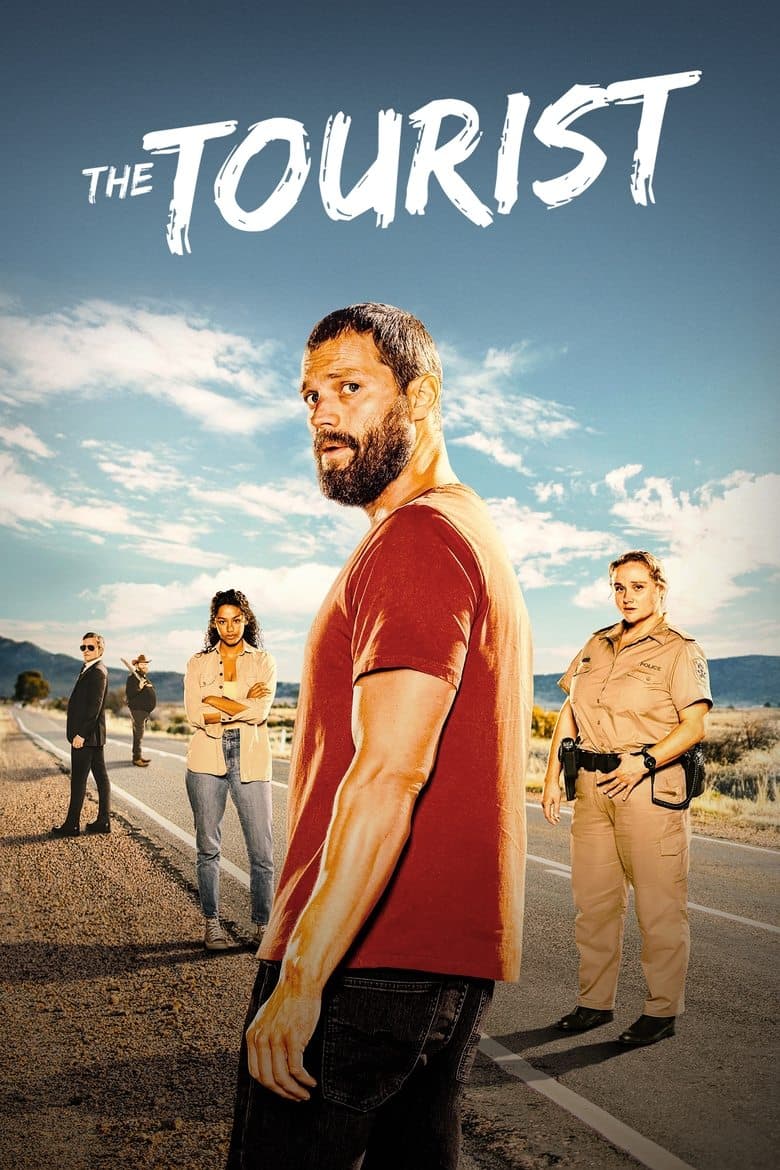
TV Show · 2022
When a man wakes up in the Australian outback with no memory, he must use the few clues he has to discover his identity before his past catches up with him.
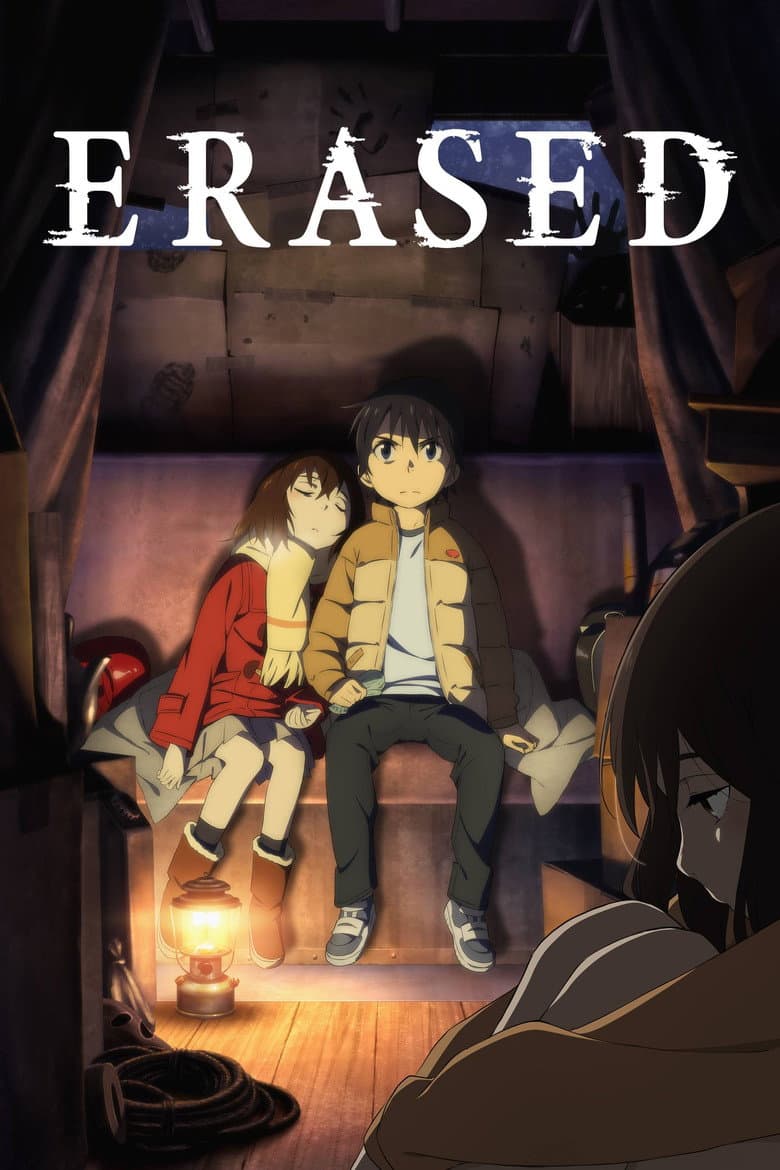
TV Show · 2016
Satoru Fujinuma is a struggling manga artist who has the ability to turn back time and prevent deaths. When his mother is killed he turns back time to solve the mystery, but ends…
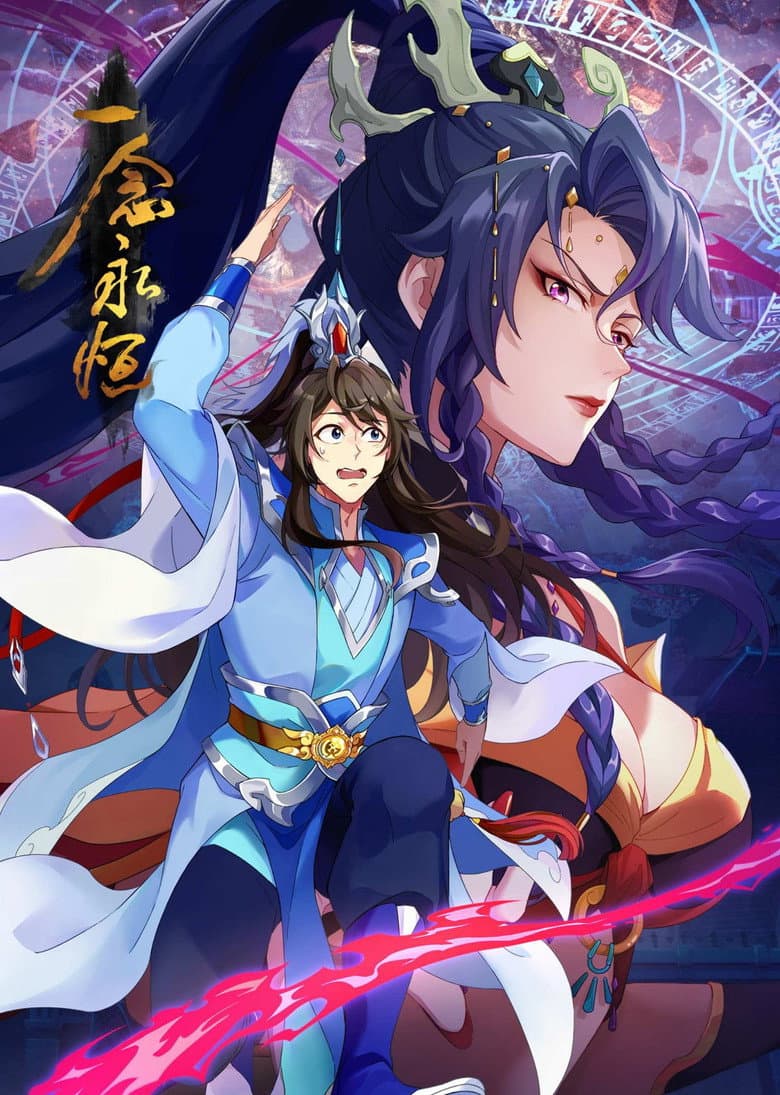
TV Show · 2020
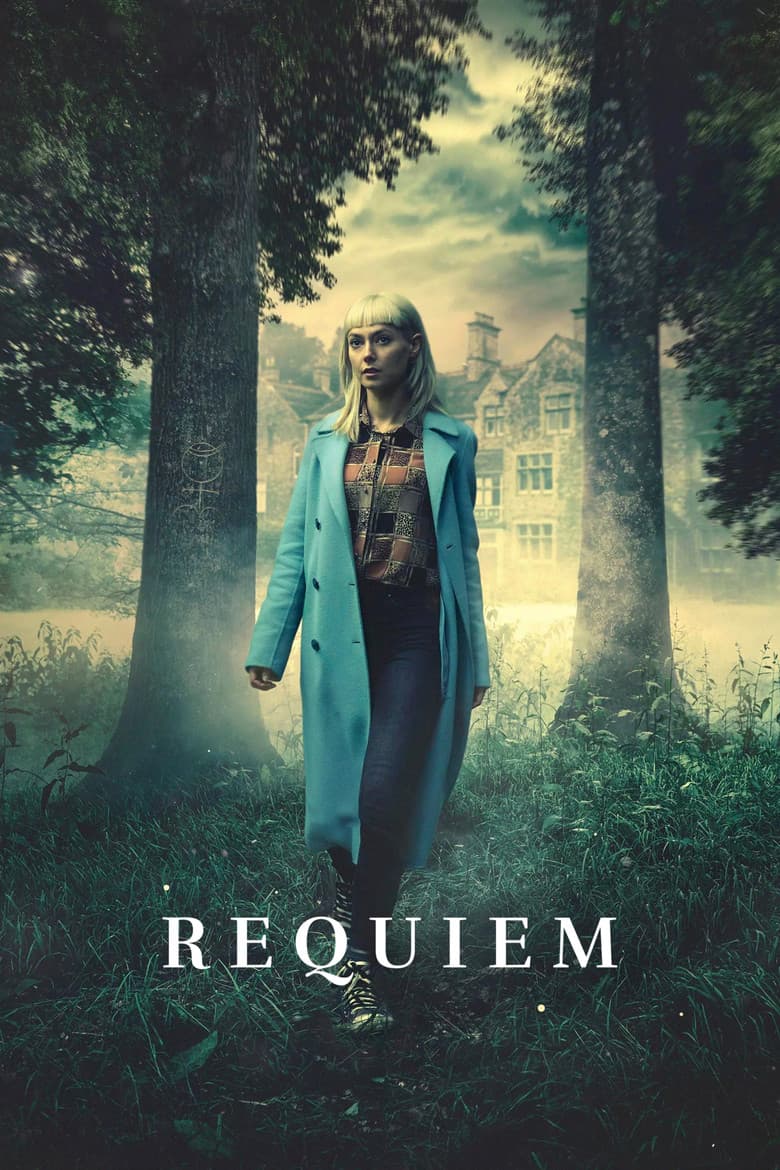
TV Show · 2018
In 1994, a toddler disappeared from a small Welsh village, never to be seen again. 23 years later, in London, the mother of rising cello star Matilda Gray commits suicide, without…
TV Show · 2021
When a 34-year-old underachiever gets run over by a truck, his story doesn't end there. Reincarnated in a new world as an infant, Rudy will seize every opportunity to live the…
