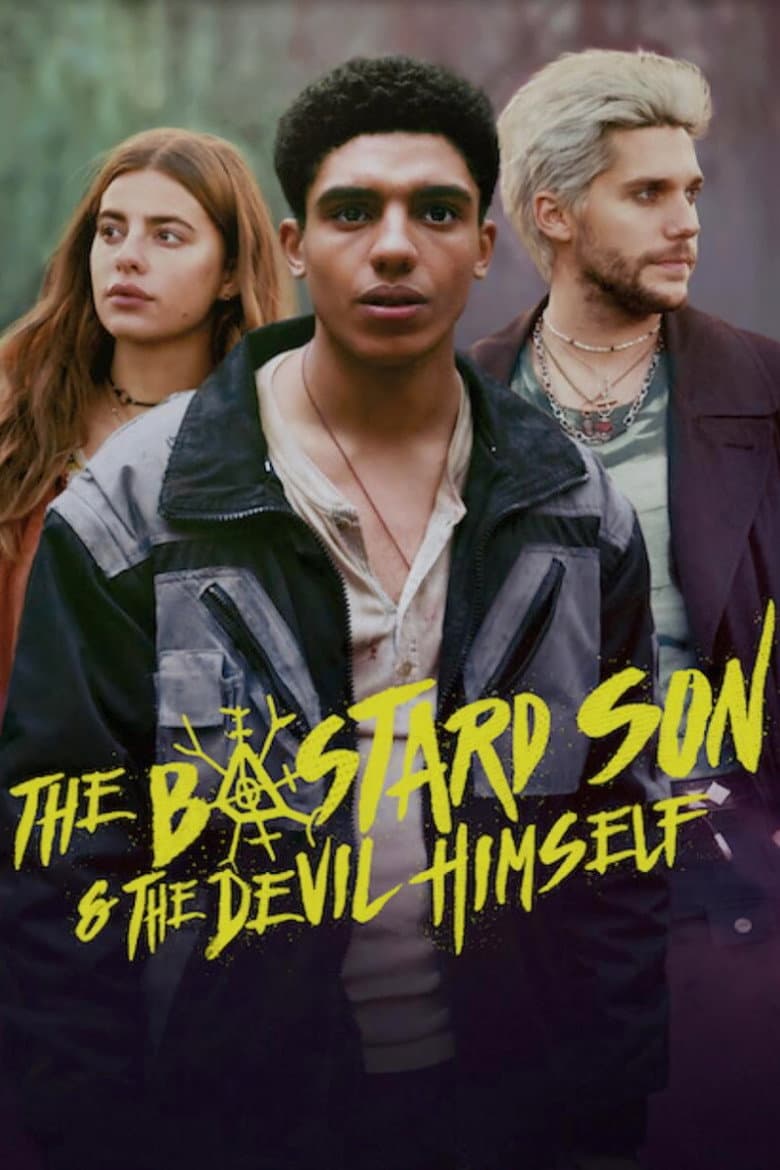
Started October 28, 2022 · Canceled · Based on 1 season, 8 episodes through October 28, 2022 · TV-MA
Nathan Byrne is a teenager raised by the Fairborn witches, a group that fears his Blood Witch father, Marcus Edge. After Nathan’s grandmother dies and his power begins to show, the Fairborn Council hunts him and plans to use him against Marcus. Nathan runs with Annalise, the daughter of a Fairborn leader, and Gabriel, a young Blood Witch who knows the hidden world. Their journey moves from rural England to Paris and then to a brutal meeting with Marcus, mixing magic, romance, family pain, and graphic violence.
The clearest woke element is the show’s repeated focus on identity and sexuality. Nathan is attracted to both Annalise and Gabriel, while Gabriel has relationships with men, and the trio’s bond becomes a major part of the second half. The story also questions labels such as good and evil by showing that the Fairborn Council can control, punish, and hunt people while Blood Witches are treated as monsters. These ideas support choosing who you are and suspicion of rigid power, but the show stays mainly a dark fantasy about family, fate, and survival.
Community feedback
Was our 46% Woke rating accurate?
Breakdown
These are the editorial factors and ratings behind our score for The Bastard Son & the Devil Himself.
Woke representation / casting
The show puts a black teenager at the center as Nathan and gives major witch roles to black actors David Gyasi and Fehinti Balogun. Several women hold visible power as fighters, leaders, and dangerous witches, including Ceelia, Jessica, Annalise, and Mercury. The story is set in modern Britain and France, and the marketing does not present the casting as a diversity goal. The pattern is noticeable, but identity is not the point of these roles.
18%
Woke political dialogue
The show repeatedly has characters argue about who is called good or evil and who is allowed to live freely. The Fairborn Council watches Nathan, limits his movement, and trains him to fight because of his bloodline. Marcus says the Fairborns took homes and killed Blood Witch families, while the series also shows Blood Witch violence against civilians. The dialogue carries a clear prejudice and power message, but it rarely uses modern political language.
27%
Identity-driven story themes
Nathan spends the season asking whether his blood makes him evil and whether he can choose his own path. Nathan kisses Annalise and Gabriel, and their bond becomes a major part of the second half. Gabriel has relationships with men, and Ceelia says she has dated women and men. The story treats these relationships as normal and favors choosing who you are over fixed labels, while family and survival remain the main plot.
48%
Western institutional / cultural critique
The Fairborn Council is shown as a controlling body that watches Nathan from childhood and treats him as a threat before he has hurt anyone. The series also shows forced training, secret torture, and leaders who use fear to keep power. A joke compares the young hunters to Hitler Youth, which makes the institution look foolish and abusive. The target is a fantasy council, not modern Western family, church, capitalism, or gender roles.
18%
Woke character or canon changes
Barton says the show moves Nathan’s attraction to Gabriel much earlier than the books. The first season makes Nathan kiss both Annalise and Gabriel, bringing his bisexuality into the opening season. The adaptation also replaces the books’ White and Black witch names with Fairborn and Blood. These choices make identity questions more visible, but many other changes are ordinary plot streamlining.
28%
Anti-woke backlash and complaints
The supplied X research found no anti-woke reaction or named complaints. Broader searches found no news-led backlash, boycott, or sustained complaint that the show pushes woke ideas. One Reddit post called the show “hyper woke” and accused it of using identity politics to hide weak writing. The complaint was isolated and received little wider support.
10%
Creator track record context
Joe Barton has a low cached score and no documented history of political or identity activism. The cached producer scores are also low to mild, and most profiles focus on normal film and television work. Adrian Sturges has praised the progressive ideas in Summerland, and Andy Serkis has faced debate over modernizing source material. The group gives mild context, but it does not show a strong activist pattern.
18%
Production
TV Show · 2022
A powerful sorceress in a blind woman's body encounters a man from a prestigious family, who wants her help to change his destiny.
TV Show · 2021
When a 34-year-old underachiever gets run over by a truck, his story doesn't end there. Reincarnated in a new world as an infant, Rudy will seize every opportunity to live the…
TV Show · 2021
After encounters with a dragon and a princess on her own mission, a Dragon Knight becomes embroiled in events larger than he could have ever imagined.
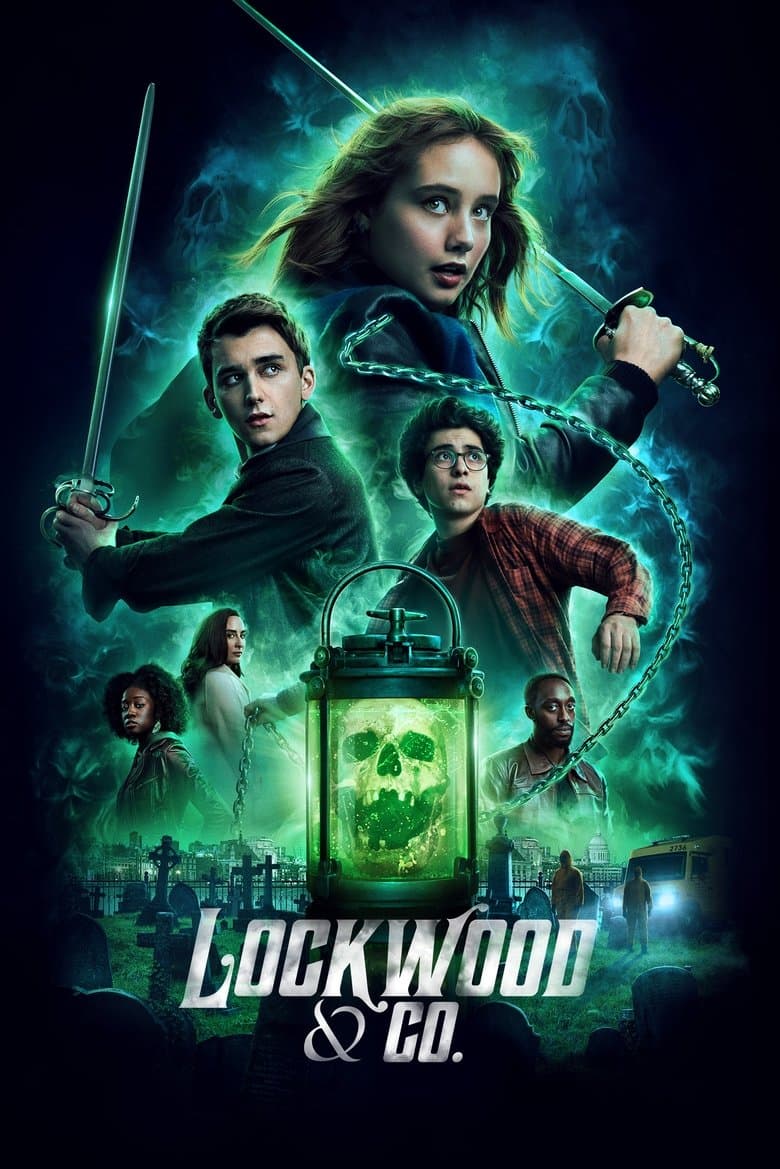
TV Show · 2023
A girl with extraordinary psychic abilities joins two gifted teen boys at a small ghost-hunting agency to fight the many deadly spirits haunting London.
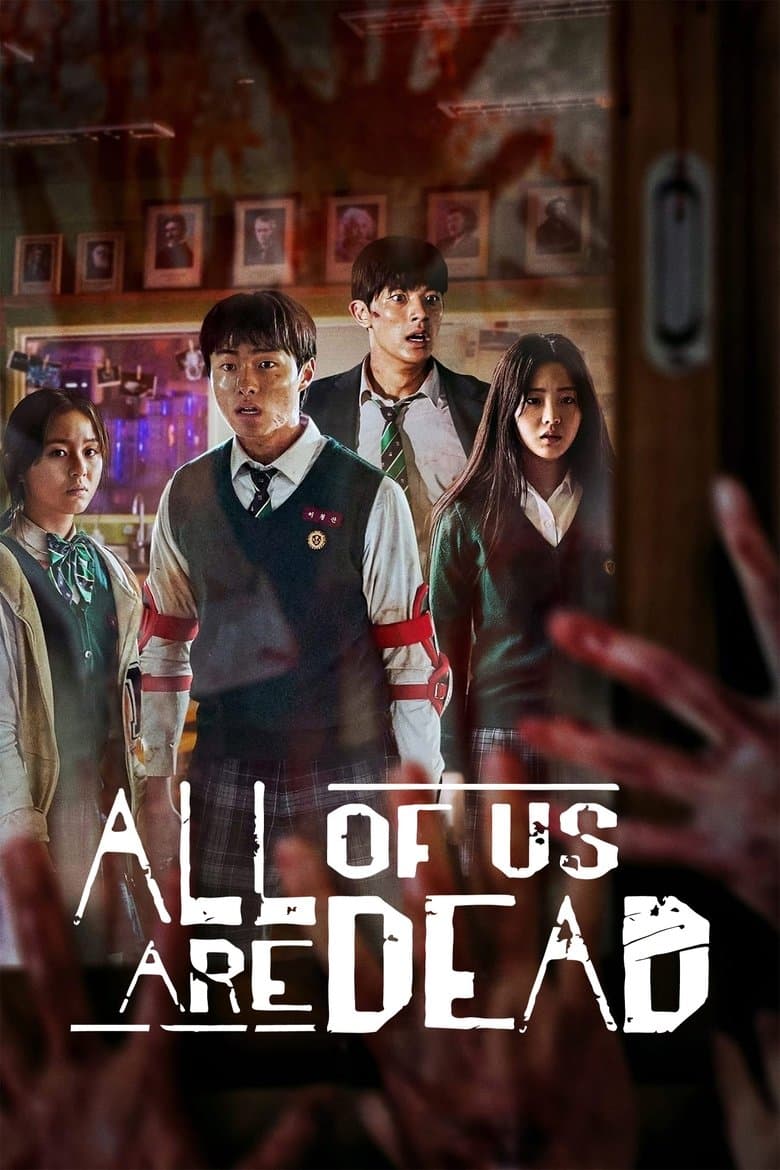
TV Show · 2022
A high school becomes ground zero for a zombie virus outbreak. Trapped students must fight their way out — or turn into one of the rabid infected.
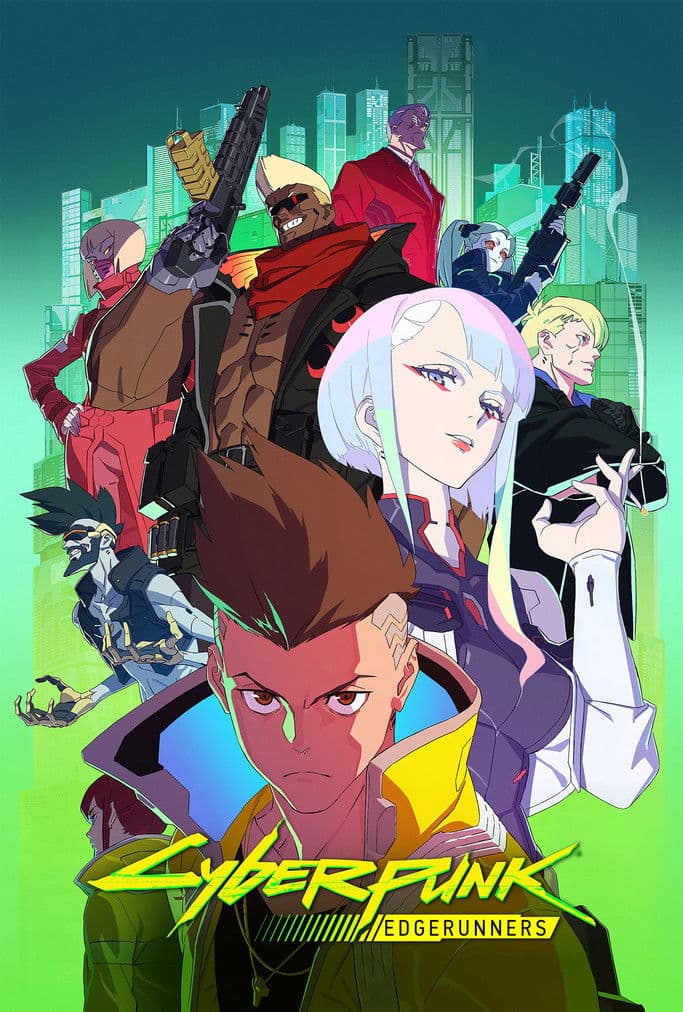
TV Show · 2022
In a dystopia riddled with corruption and cybernetic implants, a talented but reckless street kid strives to become a mercenary outlaw — an edgerunner.
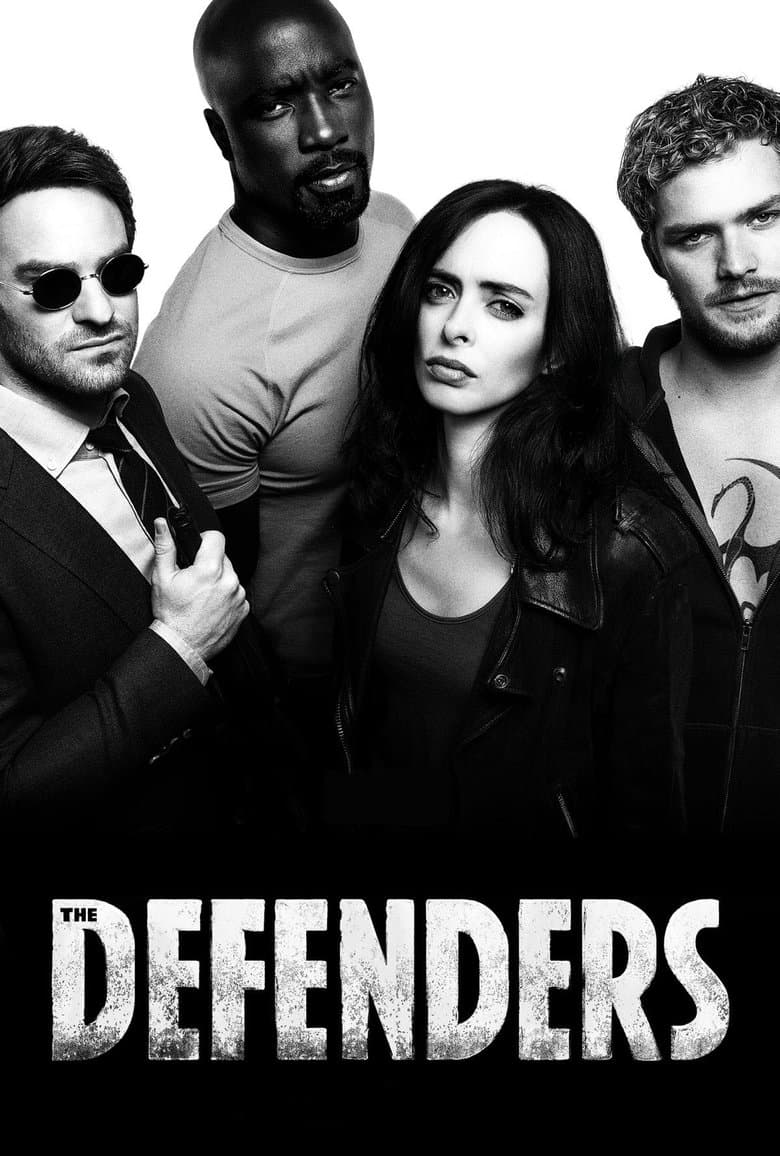
TV Show · 2017
Daredevil, Jessica Jones, Luke Cage and Iron Fist join forces to take on common enemies as a sinister conspiracy threatens New York City.
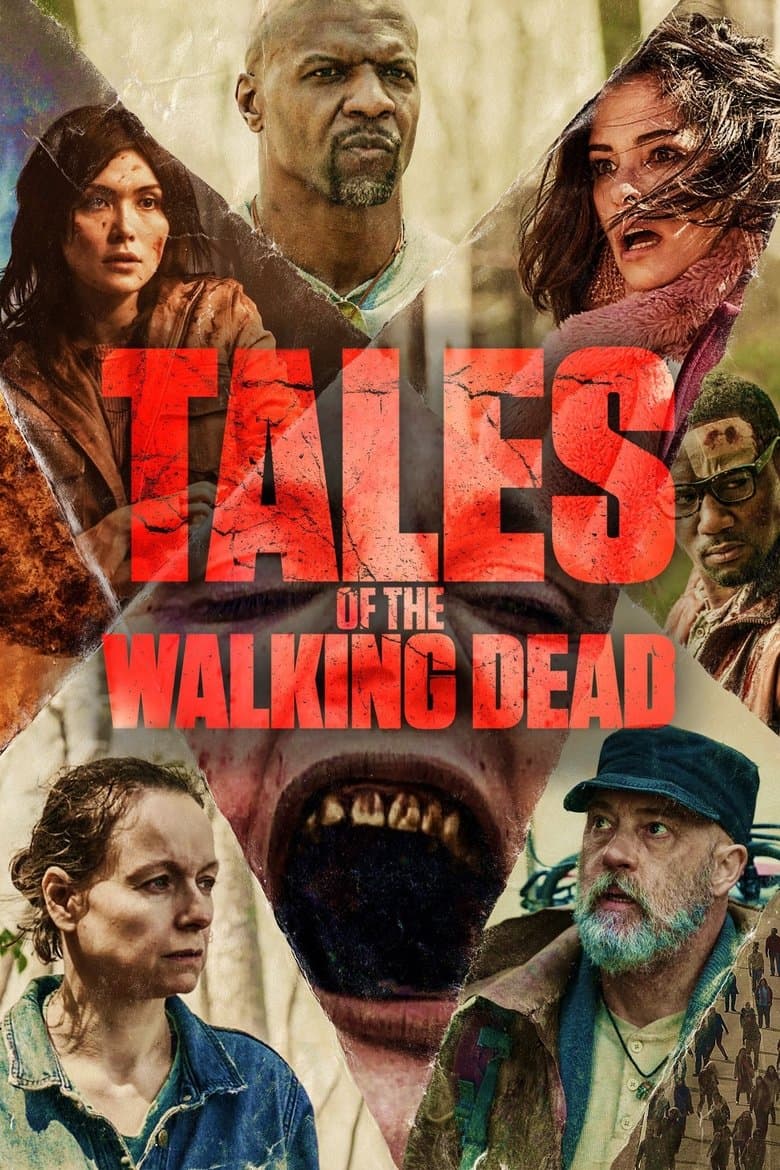
TV Show · 2022
An episodic anthology series focused on both new and established characters set in the world of "The Walking Dead."
