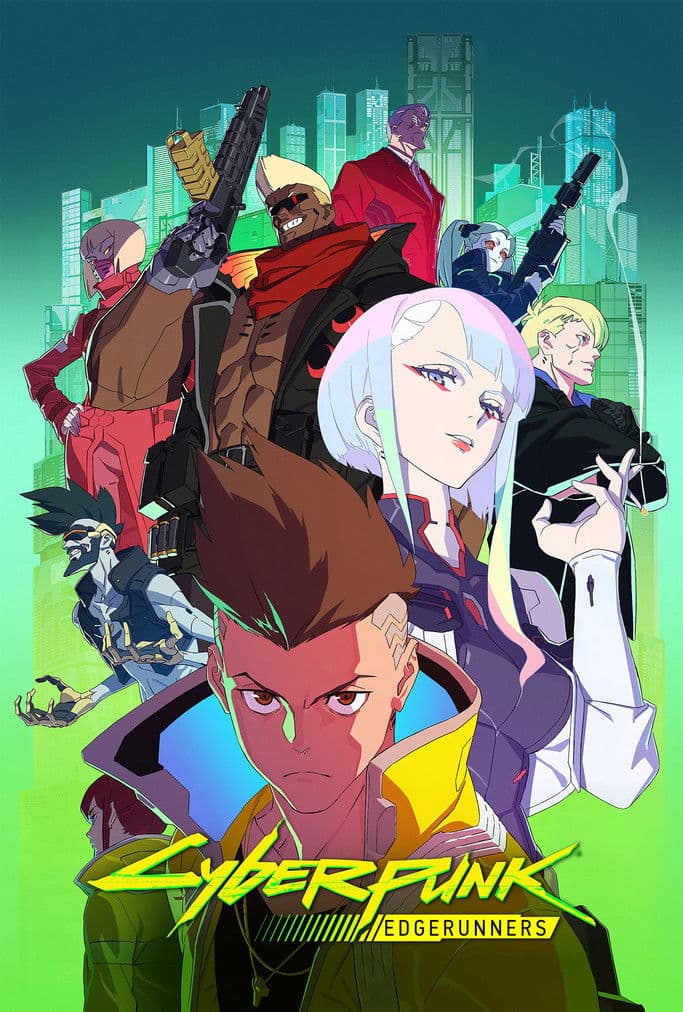
Started September 13, 2022 · Ended · Based on 1 season, 10 episodes through September 13, 2022 · TV-MA
David Martinez is a poor but gifted student in Night City, a future city ruled by giant companies and filled with guns, gangs, and body implants. After his mother dies, he uses an illegal military implant and joins Maine's mercenary crew. David wants to survive and give Lucy, a skilled hacker, the life she dreams about, but each new implant pushes him toward a mental breakdown called cyberpsychosis. The ten episodes are fast, violent, sexual, and tragic, with a strong focus on friendship, love, family, and the cost of chasing fame.
The show repeatedly presents Arasaka and other corporations as systems that use poor people as disposable tools, so its anti-capitalist message is easy to notice. David, Lucy, Rebecca, Kiwi, and Dorio give the crew a mixed cast with several capable women, but the story does not present that mix as a diversity campaign. The main romance is between David and Lucy, and no confirmed LGBTQ relationship or identity drives the plot. Identity politics and modern activist language do not shape the main story, which is more about corporate power, loyalty, grief, and self-destruction.
Community feedback
Was our 21% Woke rating accurate?
Breakdown
These are the editorial factors and ratings behind our score for Cyberpunk: Edgerunners.
Woke representation / casting
Not present. David is Hispanic and Lucy is Japanese, while Night City is presented as a mixed future city. The show has several capable women, but it does not frame the cast as a diversity message or show a clear casting mismatch.
0%
Woke political dialogue
The show uses dialogue to blame corporate power for poverty and violence. Arasaka and Militech treat workers and street people as tools in their private war. David and Maine talk about becoming legends because the city offers little other path. The message is clear, but it stays inside the cyberpunk world and does not use modern identity politics.
15%
Identity-driven story themes
Not present. David's story centers on poverty, implants, love, grief, and corporate violence. Race, sex, gender identity, and queer politics do not cause the main conflict or decide its resolution.
0%
Western institutional / cultural critique
Night City is shown as a city where corporations control schools, police work, weapons, and medical care. Arasaka turns David and his friends into tools and destroys them when they stop being useful. The show treats this system as a major cause of misery across many episodes. The criticism is broad and anti-capitalist, not a current debate about race, gender, religion, or Western politics.
30%
Woke character or canon changes
Not relevant. The series tells a new story with new main characters inside the Cyberpunk 2077 world. No established character or real person is visibly changed for a woke or identity-driven reason.
0%
Anti-woke backlash and complaints
Small online accounts sometimes called the show a woke fest or warned that Cyberpunk should not go woke. Other small accounts praised season 1 as the opposite of woke because it has guns, a straight romance, and little political preaching. The later complaint about a female voice actor for a season 2 character was widely mocked and falls outside this 2022 review. No clear boycott, review-bomb, or organized anti-woke campaign appeared.
12%
Creator track record context
Not present. The cached summaries give the key creators scores from 0 to 16 and report no high-confidence political activism, DEI advocacy, or identity-driven public work. Their past credits are genre and style work, not evidence of a woke track record.
0%
Production
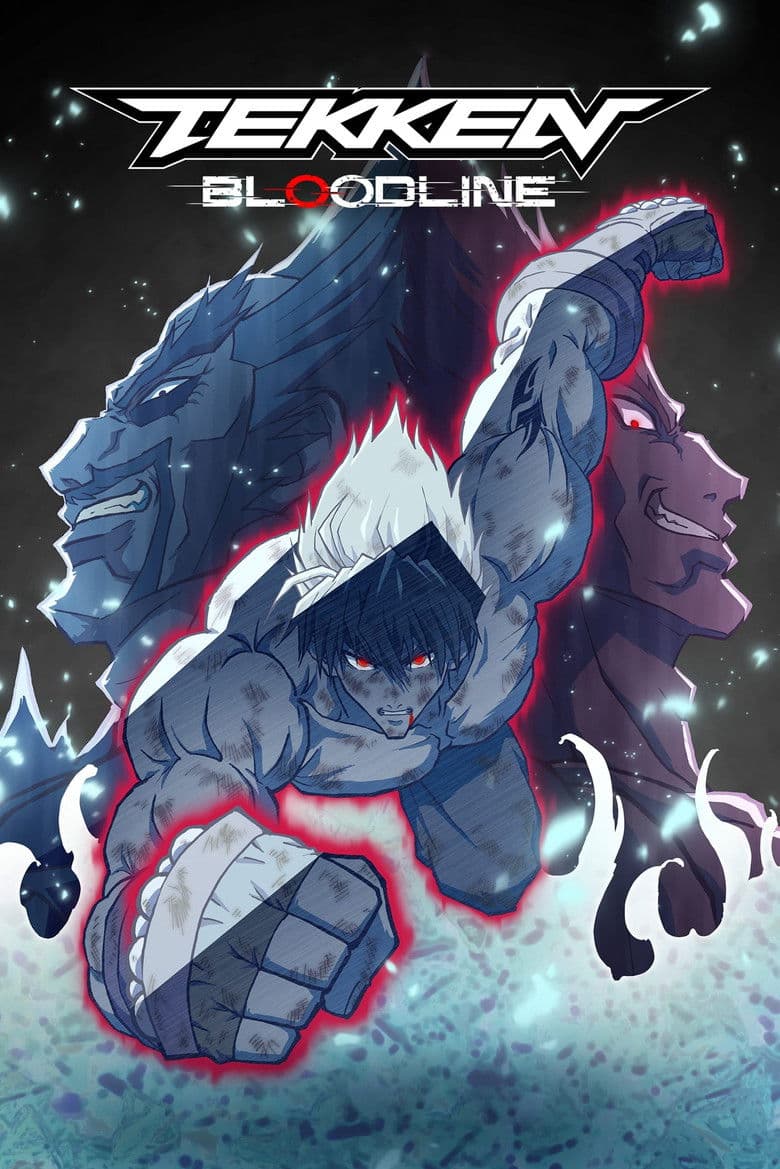
TV Show · 2022
After losing his home to a powerful enemy, a hot-tempered fighter trains under his zealous grandfather while awaiting his chance for revenge.
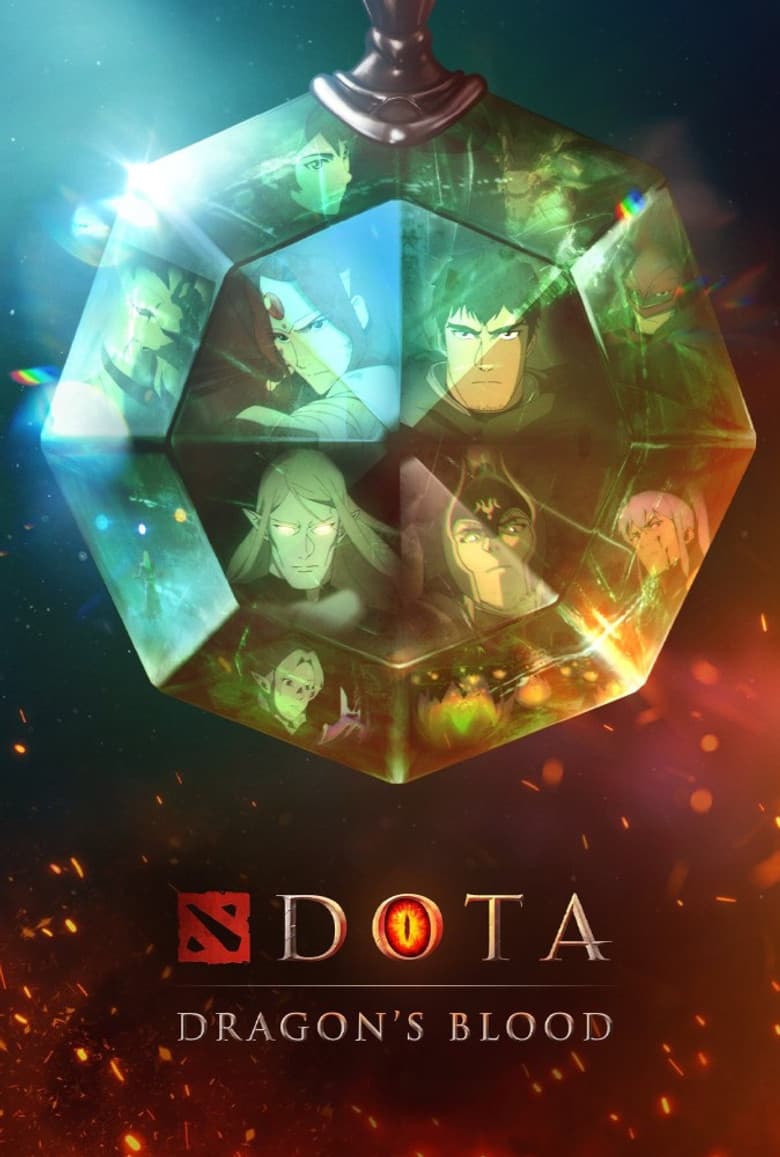
TV Show · 2021
After encounters with a dragon and a princess on her own mission, a Dragon Knight becomes embroiled in events larger than he could have ever imagined.
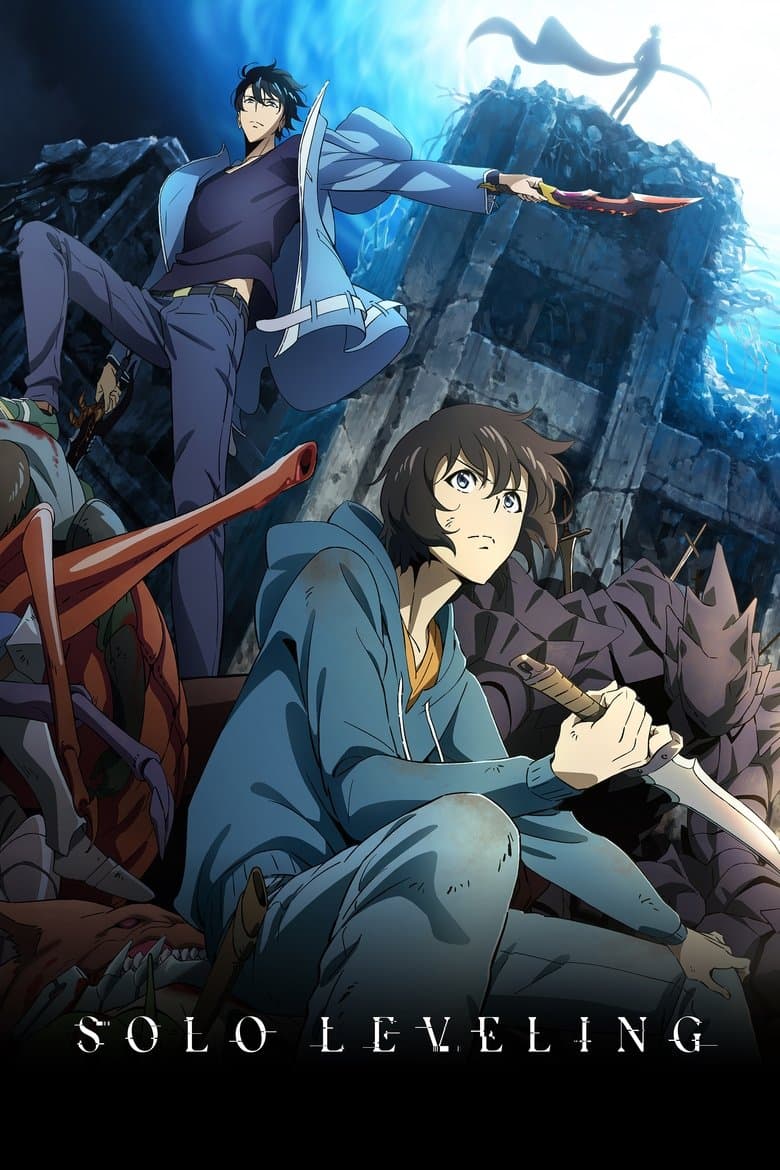
TV Show · 2024
They say whatever doesn’t kill you makes you stronger, but that’s not the case for the world’s weakest hunter Sung Jinwoo.
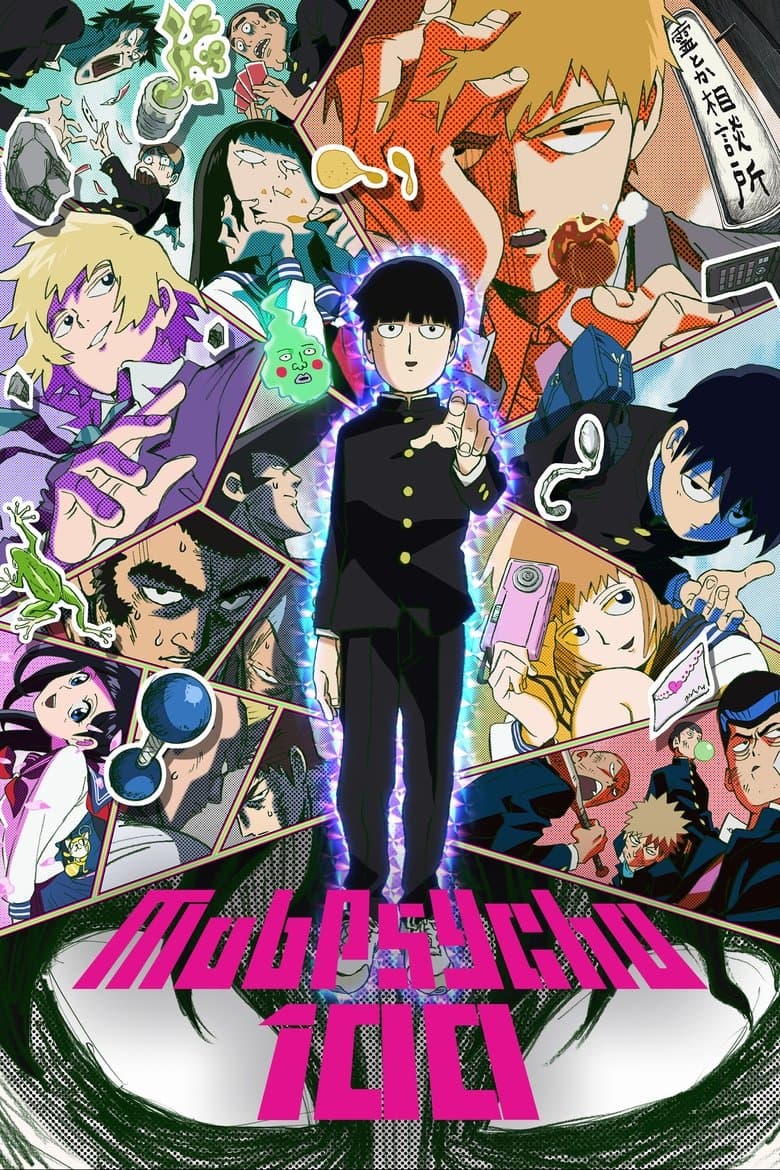
TV Show · 2016
Shigeo Kageyama, a.k.a. "Mob," is a boy who has trouble expressing himself, but who happens to be a powerful esper.
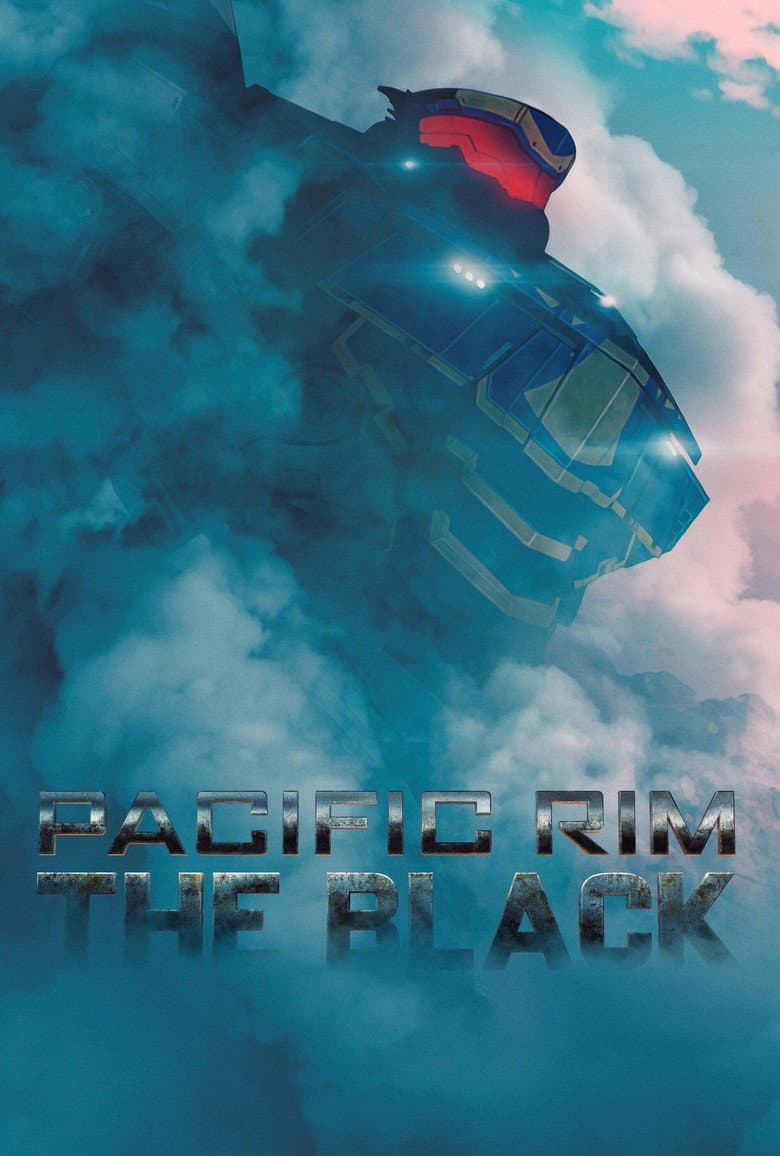
TV Show · 2021
Two siblings - an idealistic teenage boy and his naive younger sister - are forced to pilot an abandoned Jaeger across a hostile landscape in a desperate attempt to find their…
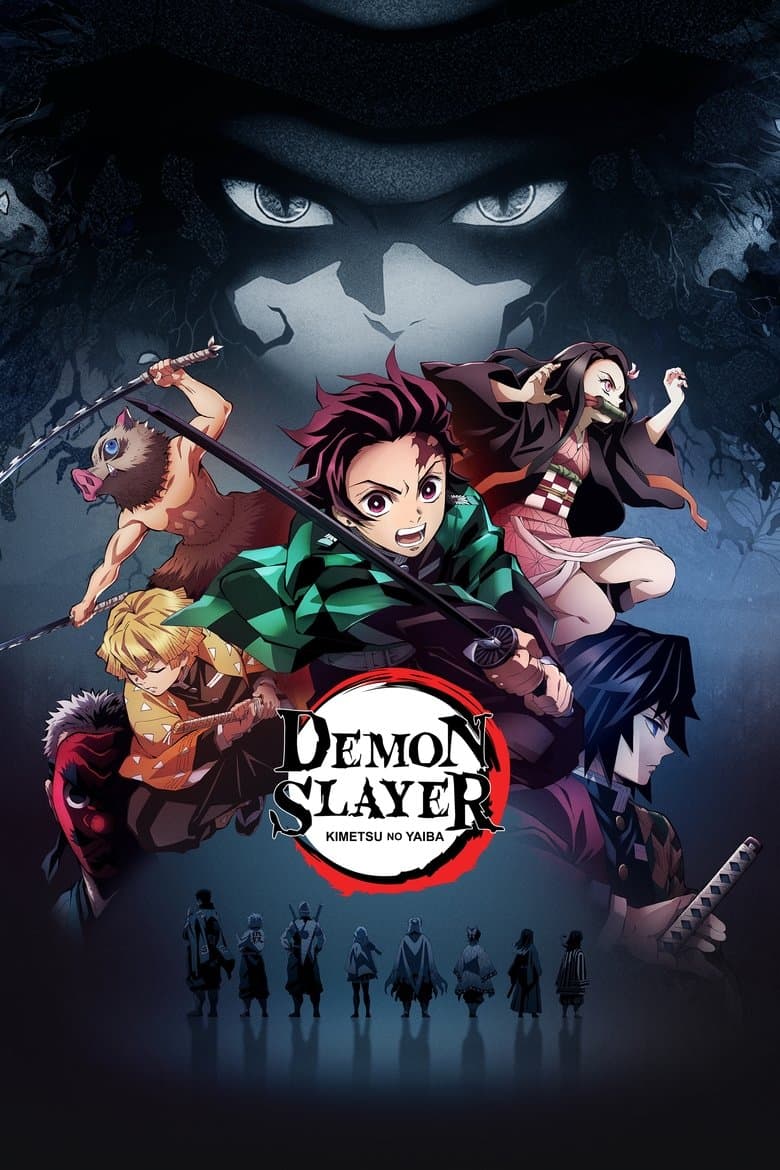
TV Show · 2019
After a demon attack leaves his family slain and his sister cursed, Tanjiro embarks upon a perilous journey to find a cure and avenge those he's lost.
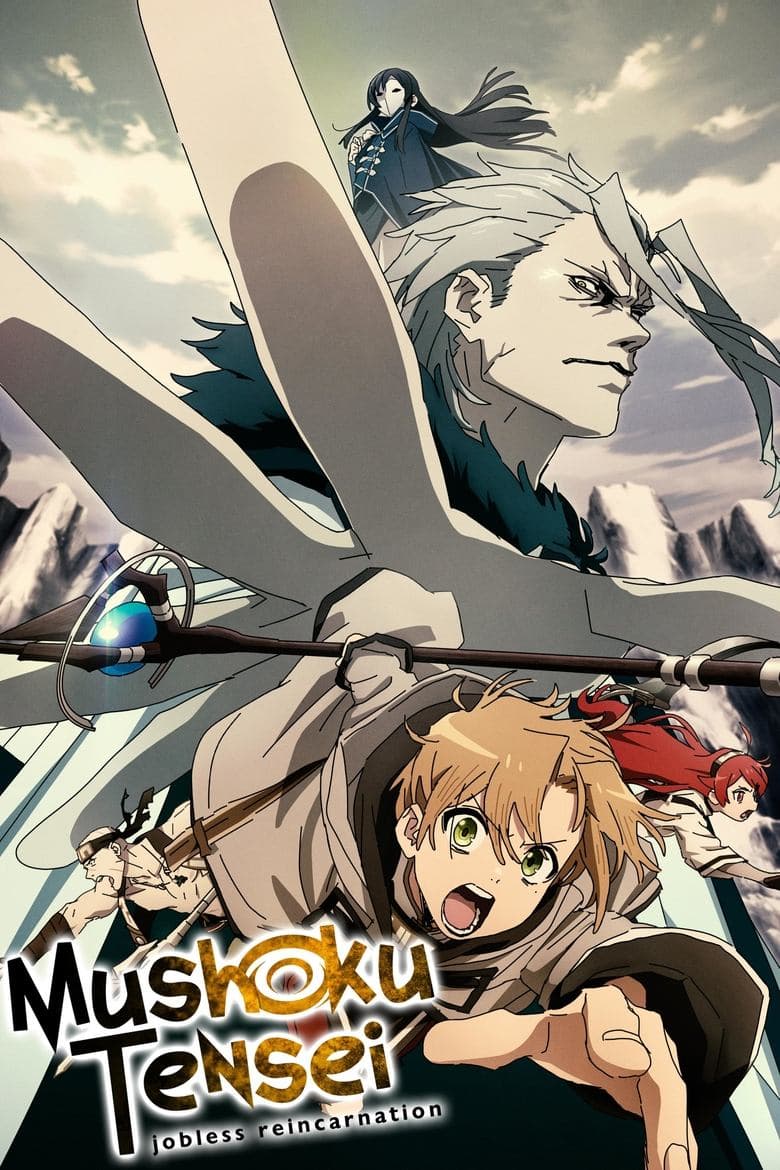
TV Show · 2021
When a 34-year-old underachiever gets run over by a truck, his story doesn't end there. Reincarnated in a new world as an infant, Rudy will seize every opportunity to live the…
TV Show · 2023
After the party of heroes defeated the Demon King, they restored peace to the land and returned to lives of solitude.
