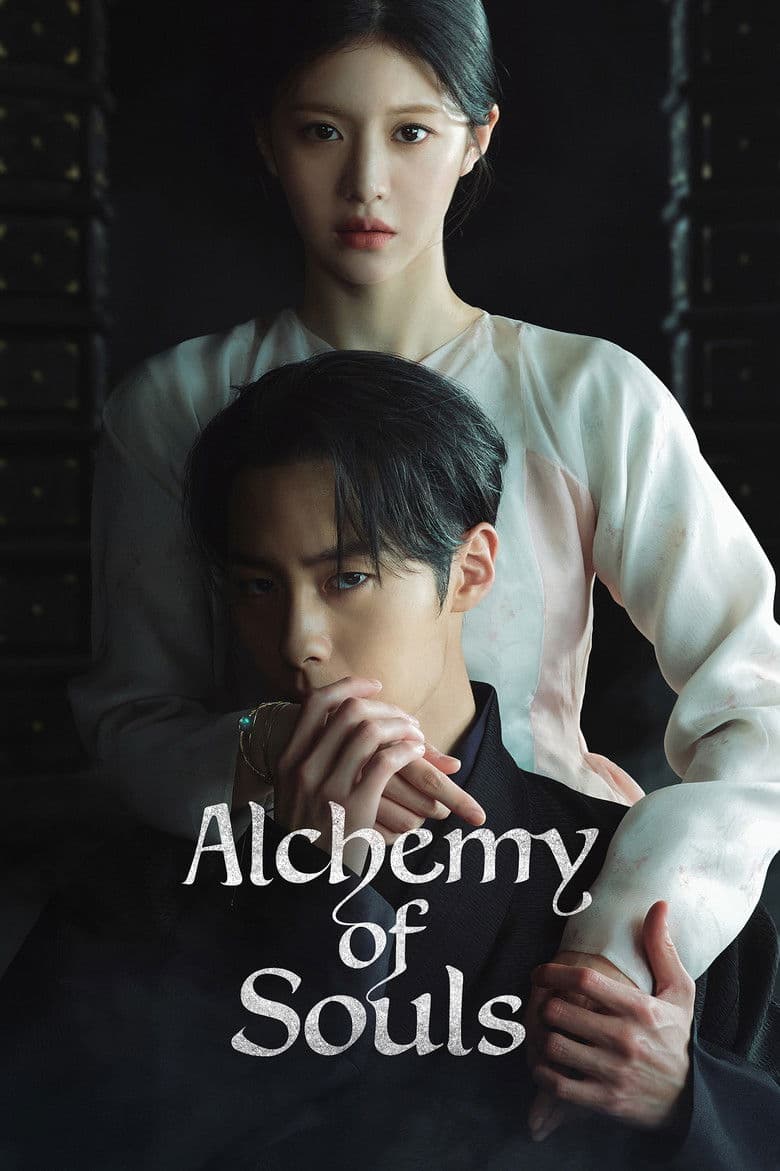
Started June 18, 2022 · Ended · Based on 2 seasons, 30 episodes through January 8, 2023 · TV-14 · 75 min · Korean
Alchemy of Souls follows Naksu, a feared assassin whose soul escapes into the body of Mu-deok, a blind servant. She meets Jang Uk, a nobleman whose magic training was blocked, and agrees to train him in secret. The story takes place in Daeho, a made-up kingdom where mage families fight over power, old secrets, and forbidden soul magic. The tone mixes sword fights, spells, jokes, romance, grief, and sudden danger.
The body-swap plot makes the show ask whether a person is defined by a face, a body, or a soul. Naksu starts as the more skilled fighter, while Jang Uk grows from a spoiled and helpless student into a powerful mage. The two seasons return to choice, fate, family duty, guilt, sacrifice, and the cost of using magic to control other people. Season 2 gives Jang Uk a darker path as he hunts soul shifters, then brings Naksu and him back together to stop a threat to Daeho.
Community feedback
Was our 0% Woke rating accurate?
Breakdown
These are the editorial factors and ratings behind our score for Alchemy of Souls.
Woke representation / casting
Not present. The cast is Korean in a Korean-inspired fantasy setting, and the show does not present its casting as a diversity or identity campaign. Female characters hold important roles, but the story also gives major power and skill to many men, so the pattern is not representation-first.
0%
Woke political dialogue
Not present. Characters talk about magic, fate, family duty, power, love, and revenge. They do not give modern identity, DEI, gender-role, or activist speeches.
0%
Identity-driven story themes
Not present. The show uses soul-switching to explore personal identity, but it does not connect that idea to modern gender, sexuality, race, or activist politics. The main message concerns fate, choice, love, and magic.
0%
Western institutional / cultural critique
Not present. The show has power struggles among mage families and rulers in a fictional kingdom. Those conflicts involve magic, family duty, and abuse of power, not modern criticism of capitalism, patriarchy, Christianity, or Western institutions.
0%
Woke character or canon changes
Not relevant. The series tells an original fantasy story with fictional characters. It does not change an established character, source figure, or real historical person to make an identity point.
0%
Anti-woke backlash and complaints
Not present. Reported complaints focus on the Season 2 actress change, weaker writing, and confusion about the soul plot. No meaningful public complaint says that the show pushes DEI, queer politics, or activist messaging.
0%
Creator track record context
Not present. The known record describes the creators and key producers as mainstream Korean television professionals. Their work centers on romance, fantasy, comedy, and drama, with no clear record of political or activist messaging.
0%
Production
TV Show · 2023
After the party of heroes defeated the Demon King, they restored peace to the land and returned to lives of solitude.
TV Show · 2024
They say whatever doesn’t kill you makes you stronger, but that’s not the case for the world’s weakest hunter Sung Jinwoo.
TV Show · 2022
After losing his home to a powerful enemy, a hot-tempered fighter trains under his zealous grandfather while awaiting his chance for revenge.
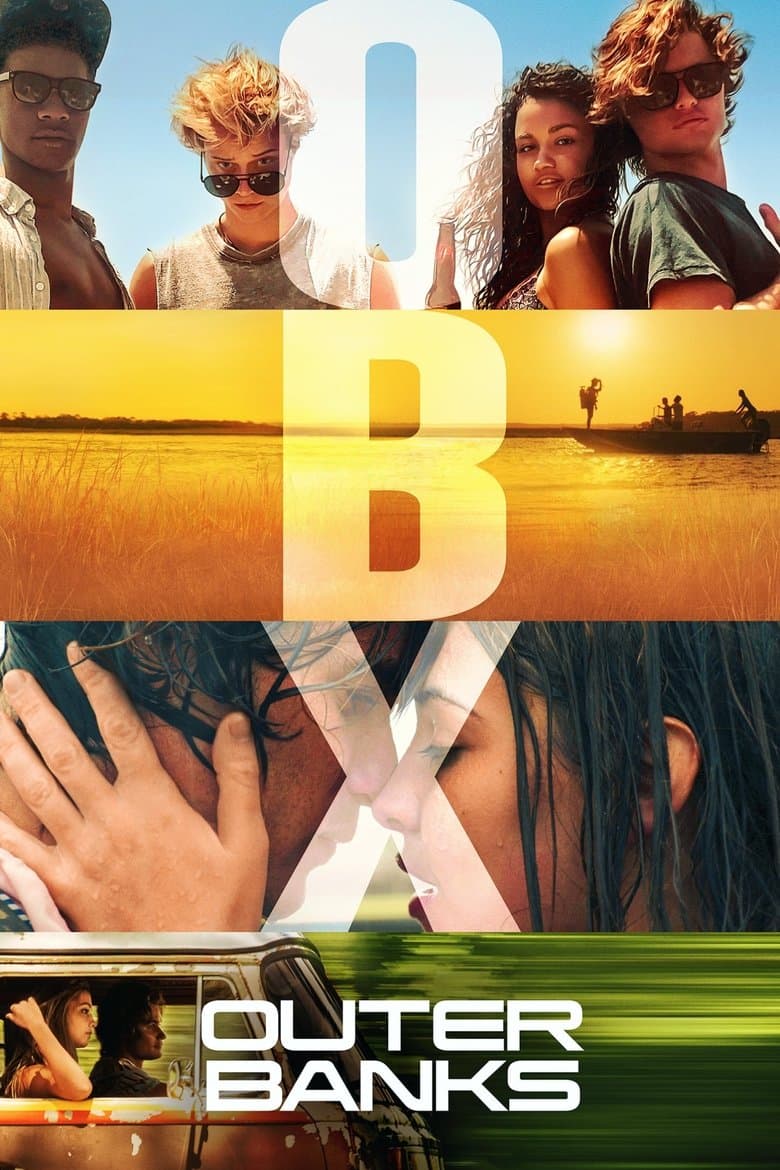
TV Show · 2020
A tight-knit group of teens unearths a long-buried secret, setting off a chain of illicit events that takes them on an adventure they'll never forget.
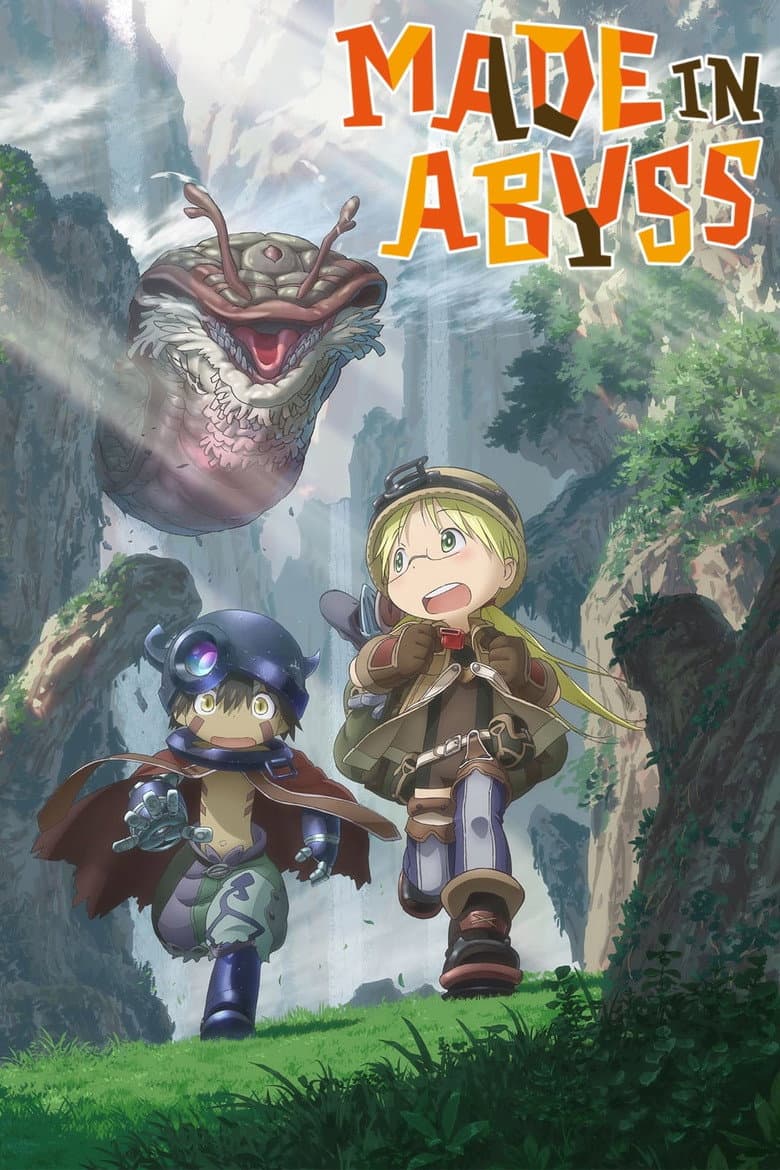
TV Show · 2017
Located in the center of a remote island, the Abyss is the last unexplored region, a huge and treacherous fathomless hole inhabited by strange creatures where only the bravest…
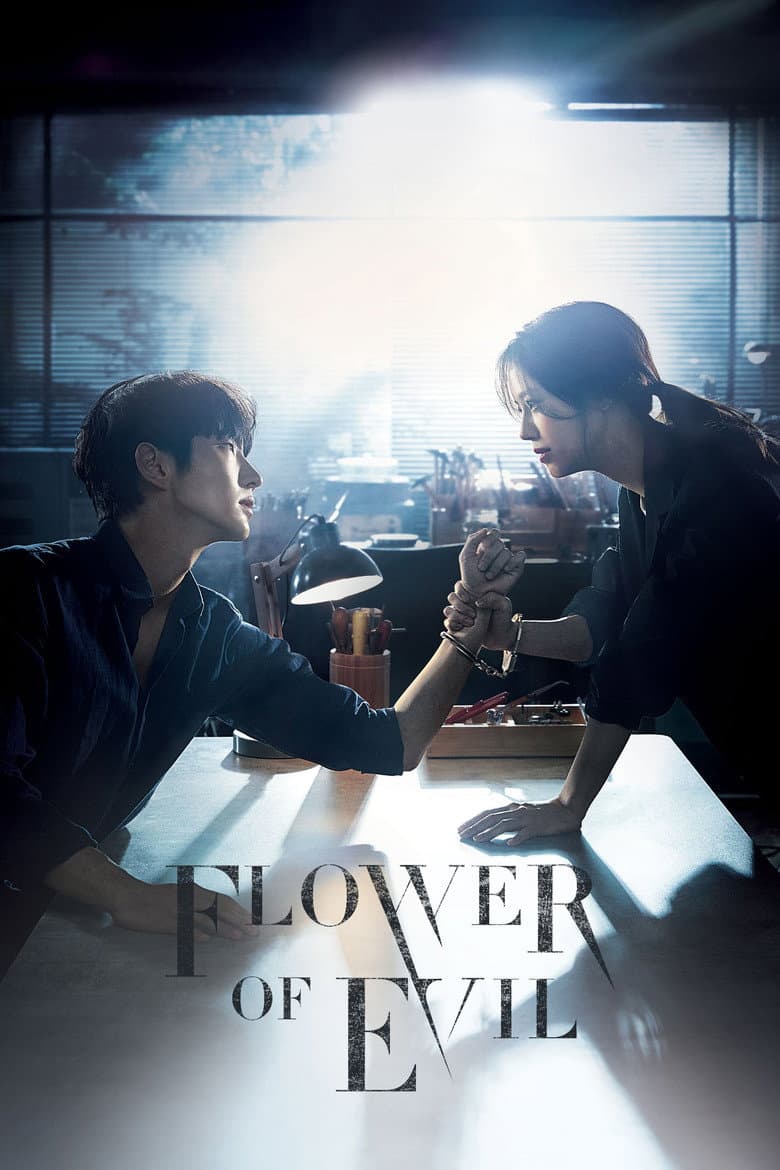
TV Show · 2020
Hiding a twisted past, a man maintains his facade as the perfect husband to his detective wife — until she begins investigating a series of murders.
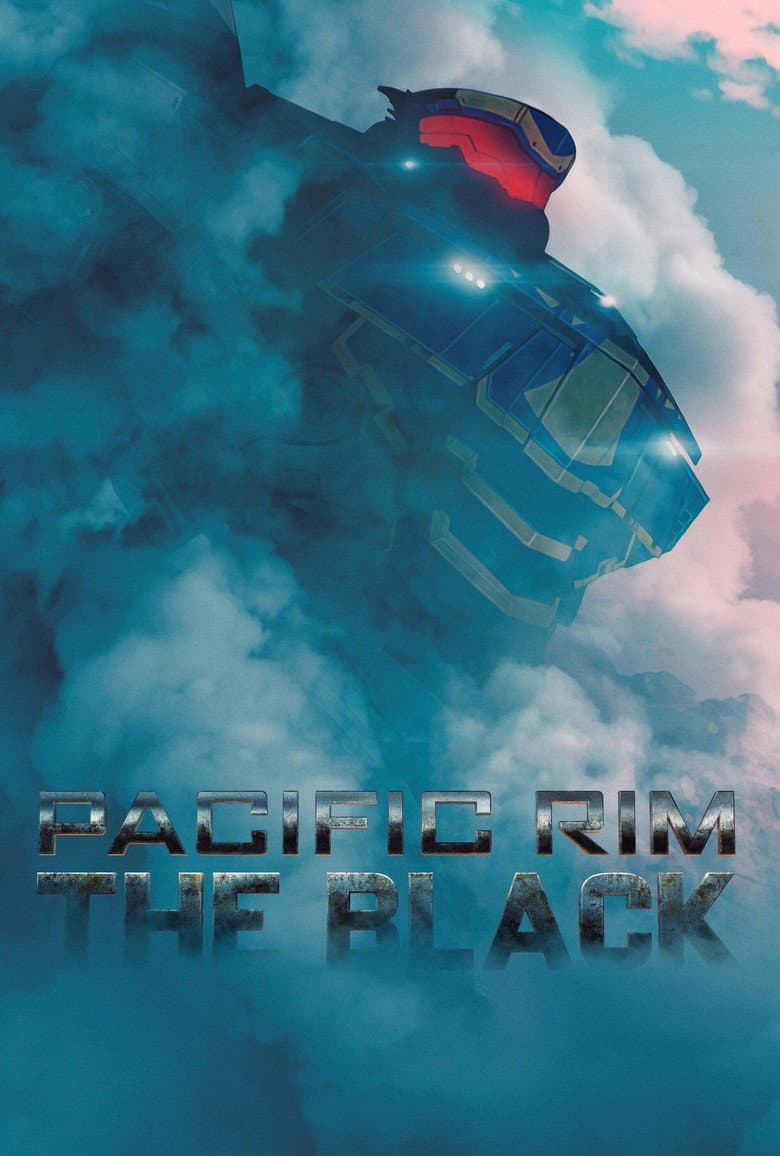
TV Show · 2021
Two siblings - an idealistic teenage boy and his naive younger sister - are forced to pilot an abandoned Jaeger across a hostile landscape in a desperate attempt to find their…
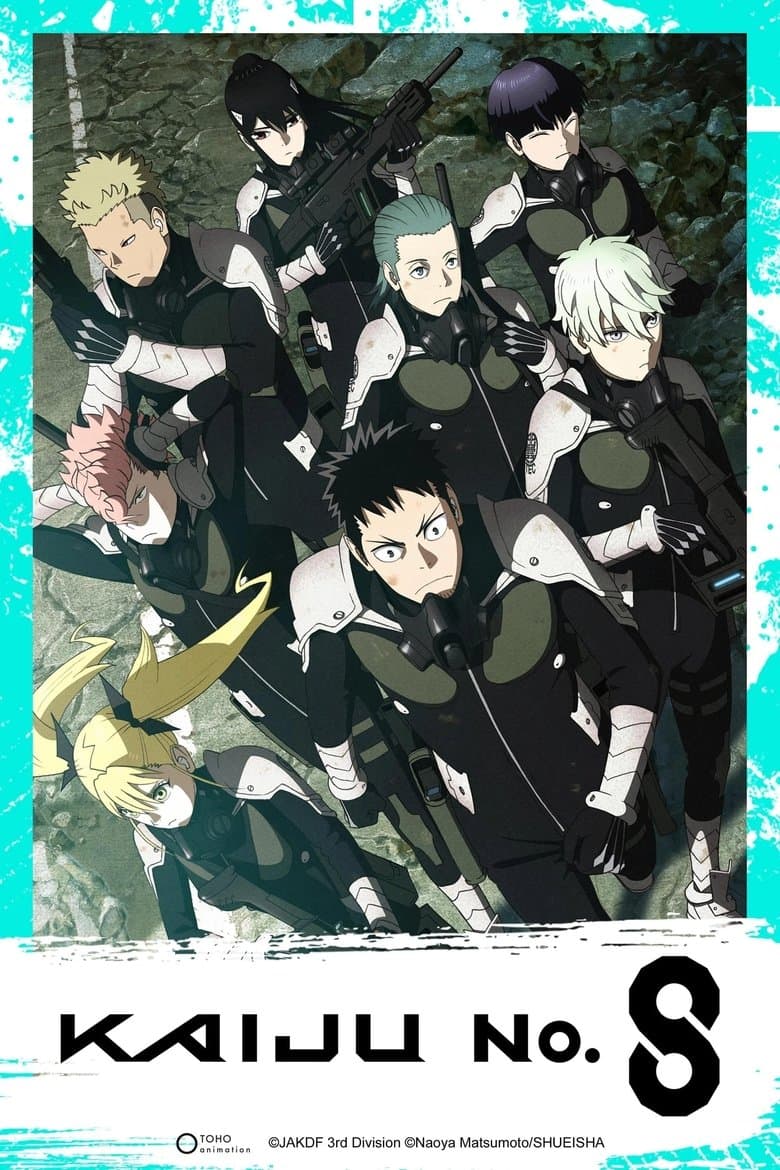
TV Show · 2024
In a world plagued by creatures known as Kaiju, Kafka Hibino aspired to enlist in The Defense Force. He makes a promise to enlist with his childhood friend, Mina Ashiro.
