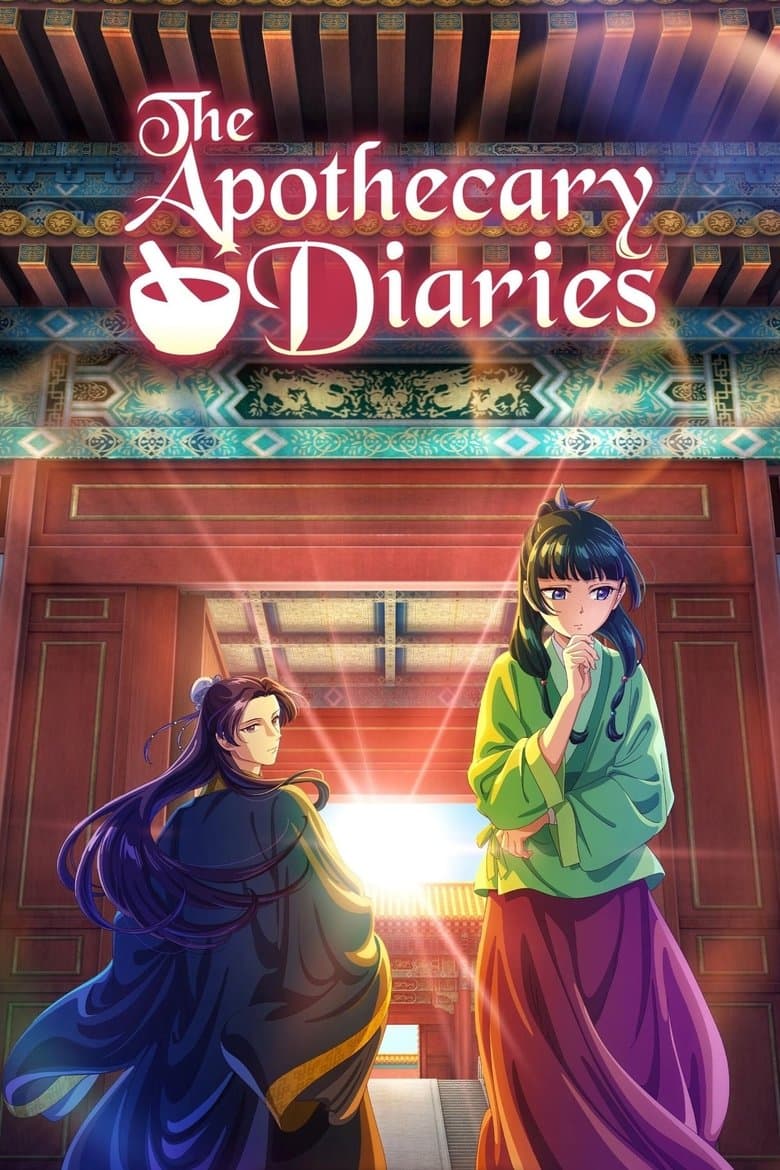
Started October 22, 2023 · Returning Series · Based on 1 season, 48 episodes through July 4, 2025 · TV-14 · 23 min · Japanese
Maomao is a young apothecary who is kidnapped and sold into service at the imperial palace. She works in a fictional country shaped by imperial China, where concubines, servants, eunuchs, nobles, and officials live inside a strict court system. After she discovers that poisoned face powder is harming royal children, Jinshi pushes her into solving more illnesses, deaths, and palace plots. The show mixes dry comedy, romance, medical clues, court danger, and darker stories about sex work, disease, family loss, and abuse of power.
Across both released seasons, the story repeatedly shows women being judged by beauty, fertility, rank, and their value to powerful men. Maomao, the concubines, the courtesans, and the palace girls find small ways to protect each other or gain control over choices that the court tries to take from them. Season two adds stronger female friendships, Xiaolan’s education, Shisui’s effort to save children, and more attention to how old palace rules hurt women and children. These ideas are clear and sometimes sympathetic, but the show keeps them inside its historical mystery and character drama instead of turning them into modern political speeches.
Community feedback
Was our 32% Woke rating accurate?
Breakdown
These are the editorial factors and ratings behind our score for The Apothecary Diaries.
Woke representation / casting
Not present. The anime uses a Japanese voice cast for a fictional East Asian court. Maomao’s medical role comes from her father’s training and her life among apothecaries, not an identity campaign. The title shows no modern diversity-casting pattern.
0%
Woke political dialogue
Maomao says the rear palace exists to produce the emperor’s children. Palace women discuss how beauty, literacy, and rank control their lives. The show presents these ideas as facts of its court setting rather than modern activist arguments.
10%
Identity-driven story themes
Maomao repeatedly uses her medical knowledge to protect women and children in the palace. The story follows women facing forced service, beauty rules, pregnancy pressure, sex work, and loss of control over their bodies. Season two adds Xiaolan learning to read, stronger bonds among palace girls, and Shisui trying to save children from a violent purge. The show treats these patterns as unjust and gives its women room to resist or help one another, but it keeps the message inside the historical plot.
48%
Western institutional / cultural critique
The palace repeatedly values women for beauty, fertility, and access to powerful men. Maomao and other women show how those rules limit safety and personal choice. The show criticizes this gender order, but it places the criticism in a fictional imperial court and does not turn it into a modern Western culture-war message.
10%
Woke character or canon changes
Not relevant. The anime adds scenes and changes pacing from the novels, but those are normal adaptation choices. No race, gender, sexuality, or hero-role swap changes an established character.
0%
Anti-woke backlash and complaints
Not present. Fan and news reaction is mostly favorable toward Maomao, the mysteries, and the palace cast. Complaints focus on romance, pacing, dark subject matter, or suggestive scenes rather than claims that the show pushes DEI or identity politics.
0%
Creator track record context
Natsu Hyūga often writes intelligent women who work inside restrictive systems. Her public comments about this title focus on mystery, research, romance, and building Maomao rather than activism. Yuniko Ayana has a wider record of women-centered stories and stories about relationships between women. The listed directors and producers mostly have conventional commercial anime careers and little public political branding.
18%
Production
TV Show · 2016
Satoru Fujinuma is a struggling manga artist who has the ability to turn back time and prevent deaths. When his mother is killed he turns back time to solve the mystery, but ends…
TV Show · 2024
Kirie tries to escape from her town Kurouzu-cho, where the residents get obsessed with spirals due to an unexplained curse.
TV Show · 2017
Kiyotaka Ayanokouji enrolls at the prestigious Tokyo Koudo Ikusei Academy, but is assigned to Class 1-D, where students with behavioral problems are housed.
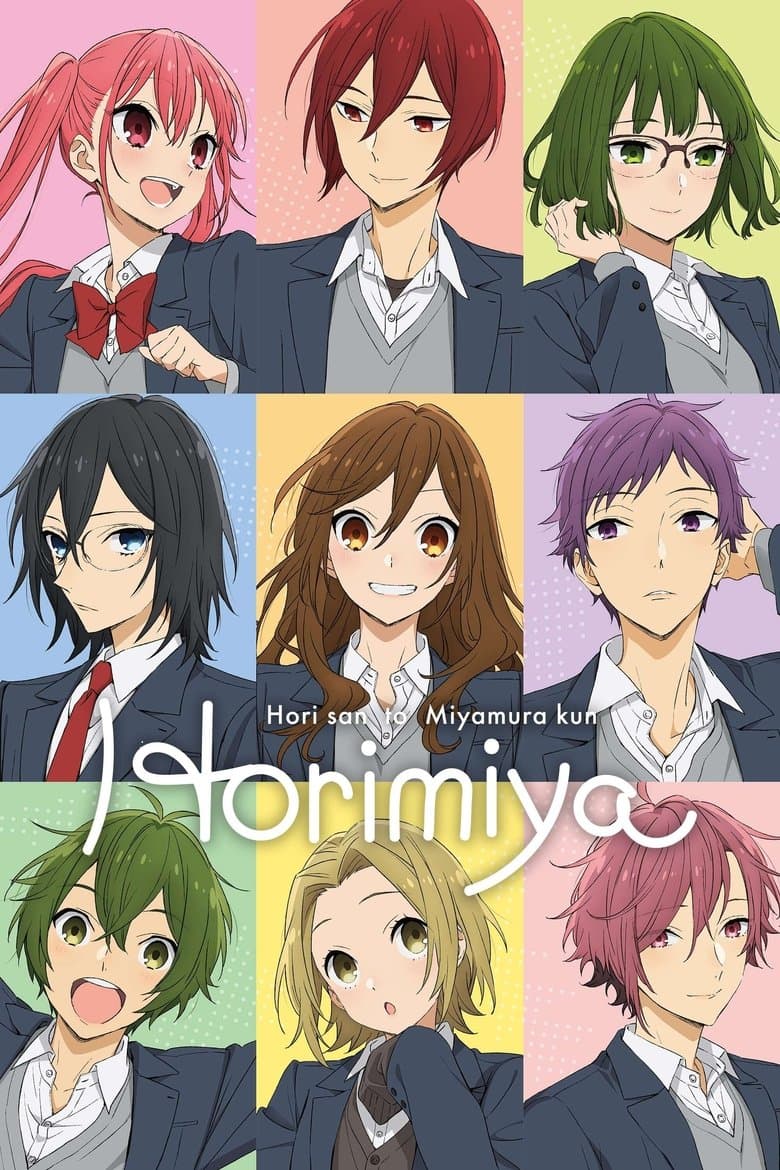
TV Show · 2021
A secret life is the one thing they have in common. At school, Hori is a prim and perfect social butterfly, but the truth is she's a brash homebody.
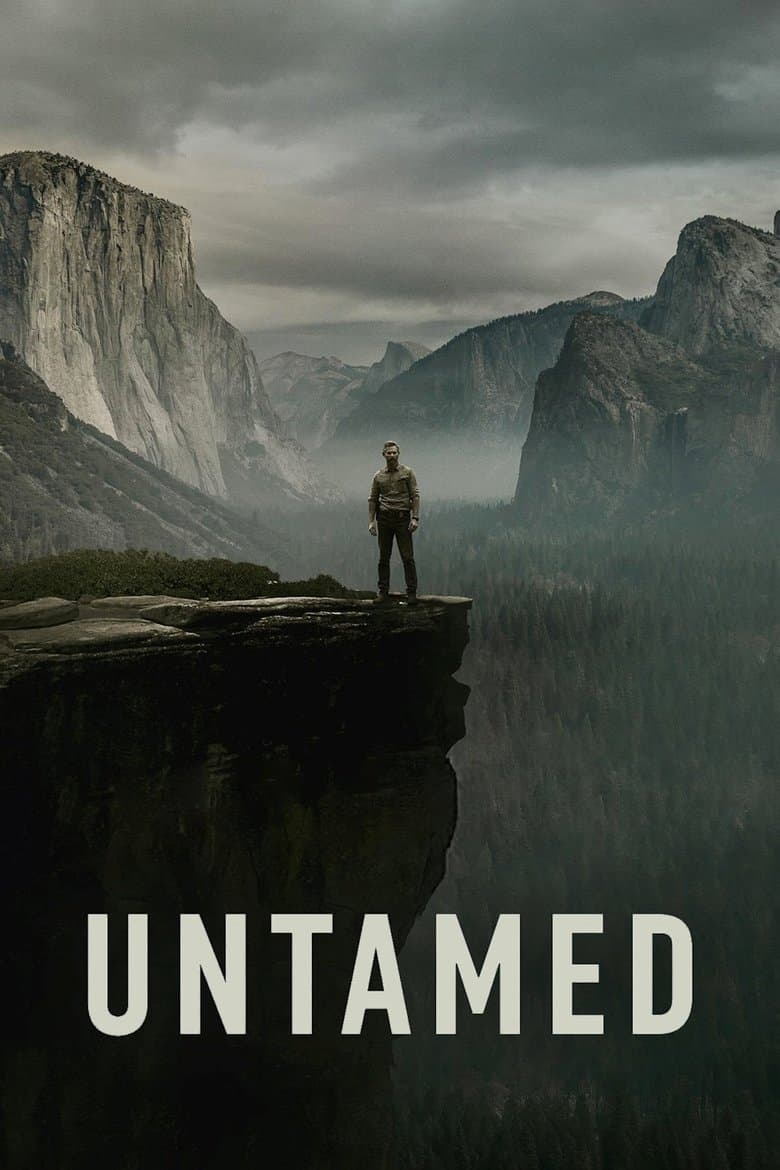
TV Show · 2025
In the vast expanse of Yosemite National Park, a woman's death draws a federal agent into lawless terrain — where nature obeys no rules but its own.
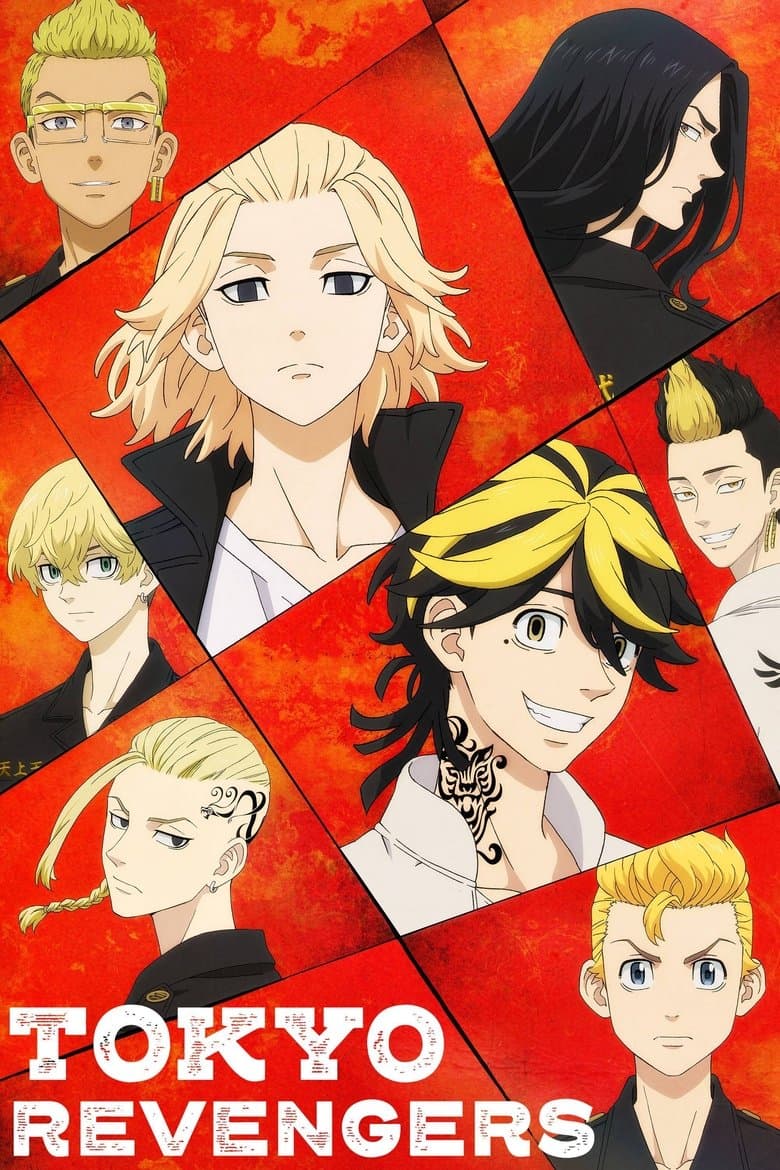
TV Show · 2021
Takemichi Hanagaki is a freelancer that’s reached the absolute pits of despair in his life. He finds out that the only girlfriend he ever had, in middle school, Hinata Tachibana…
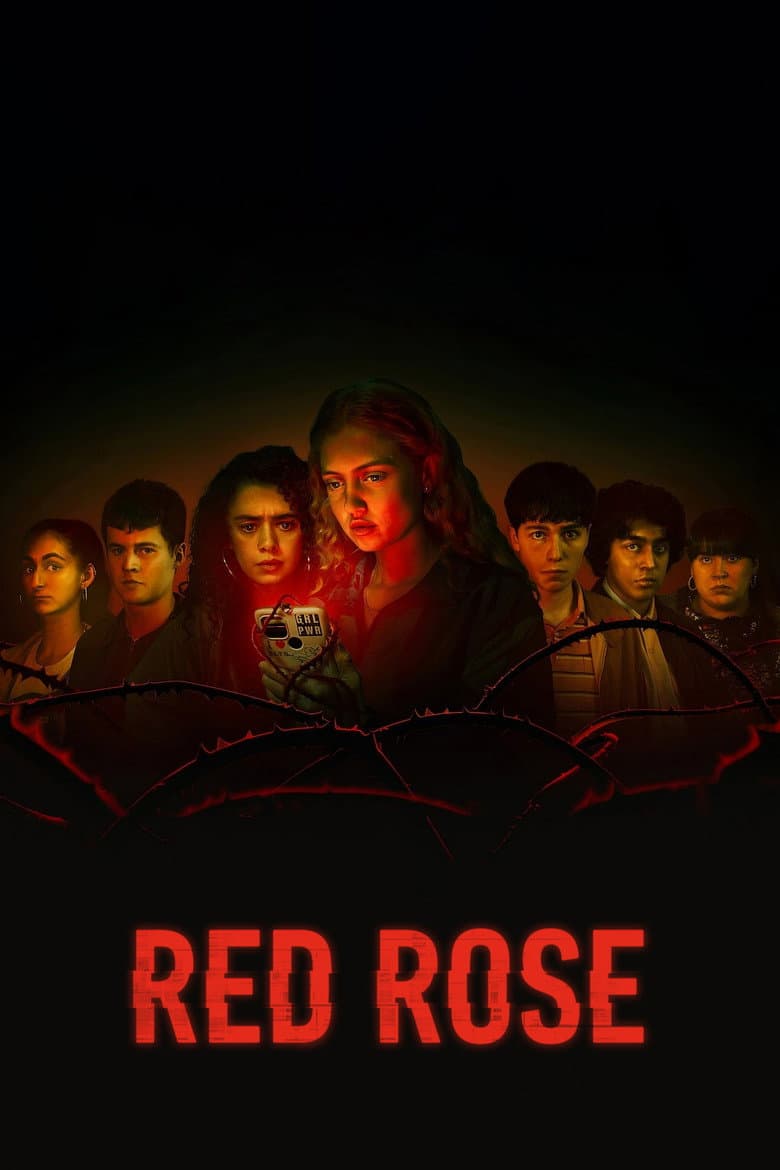
TV Show · 2022
When one of a group of friends downloads the mysterious Red Rose app, plans change. What starts innocently as a game of admiration rapidly descends into something much darker.
TV Show · 2022
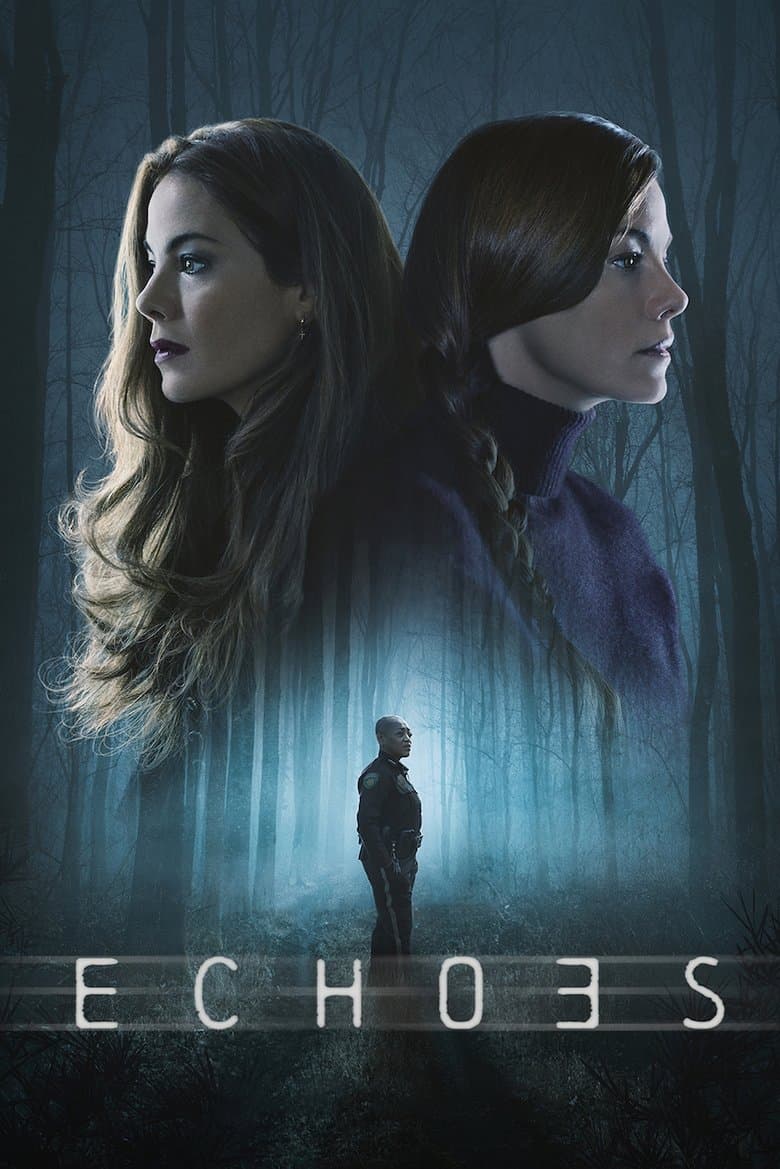
Identical twins Leni and Gina have secretly switched places for years. But when one sister disappears, both of their lives start to fall apart.
